Side-by-Side IQ Profile: Decoding Their Minds
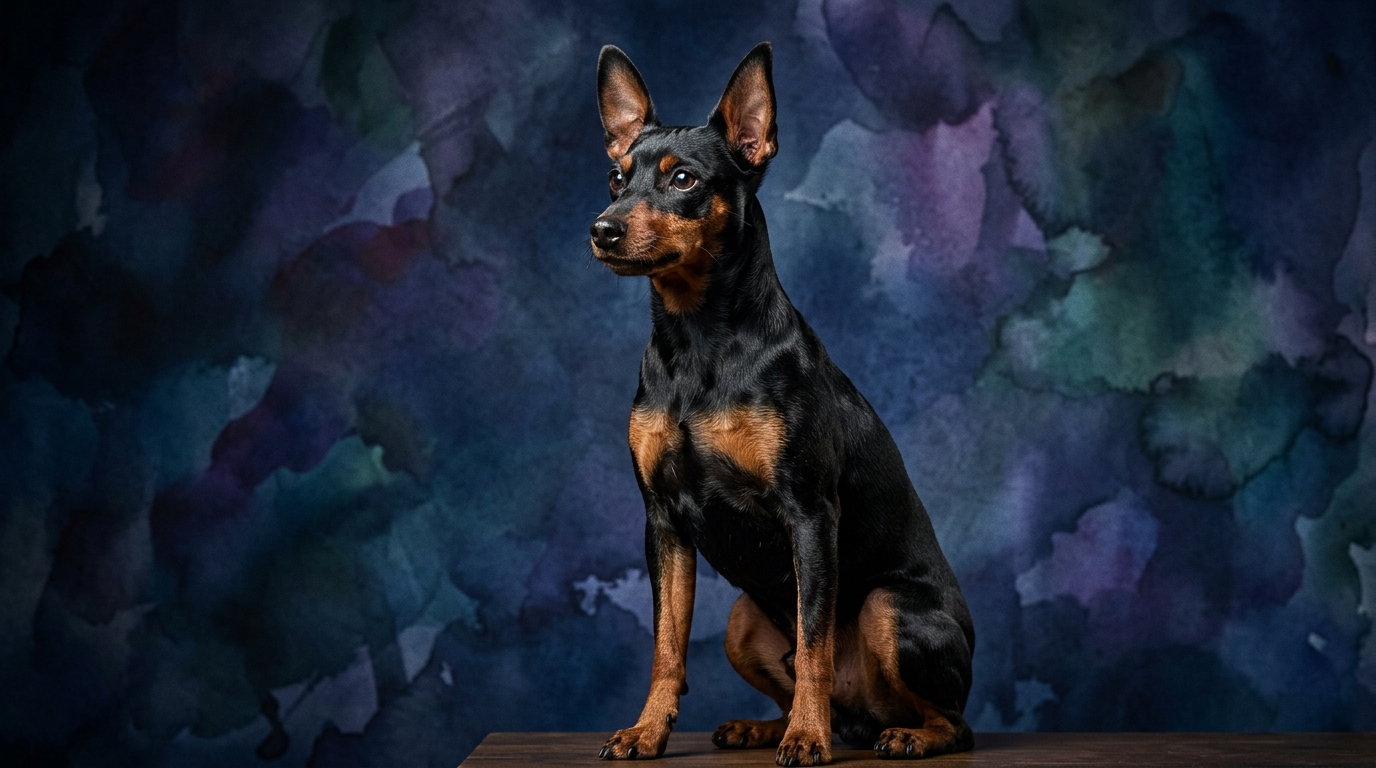
The Cosmic Pet Pet IQ Lab employs five key dimensions to evaluate canine intelligence, offering a nuanced view beyond simple obedience. For the Miniature Pinscher, we observe a balanced cognitive profile that speaks to their independent spirit. Their Problem Solving is rated 3/5, indicating an ability to navigate everyday challenges and find solutions through learned behaviors or trial-and-error, but perhaps without consistently devising complex, novel strategies. Training Speed also scores 3/5, meaning they are perfectly capable of learning new commands and routines, though they may require more consistent repetition and highly engaging motivation compared to breeds that pick things up instantly. Social Intelligence stands at 3/5, suggesting they can read human cues and interact appropriately within their social structure, often with a self-assured demeanor. Their Instinctive Drive is 3/5, highlighting a moderate expression of innate behaviors like chasing small prey or guarding their territory, which are manageable with guidance. Finally, Memory is rated 3/5, indicating they retain learned information and experiences adequately, remembering commands and past events but perhaps without the exceptional recall of some other breeds.
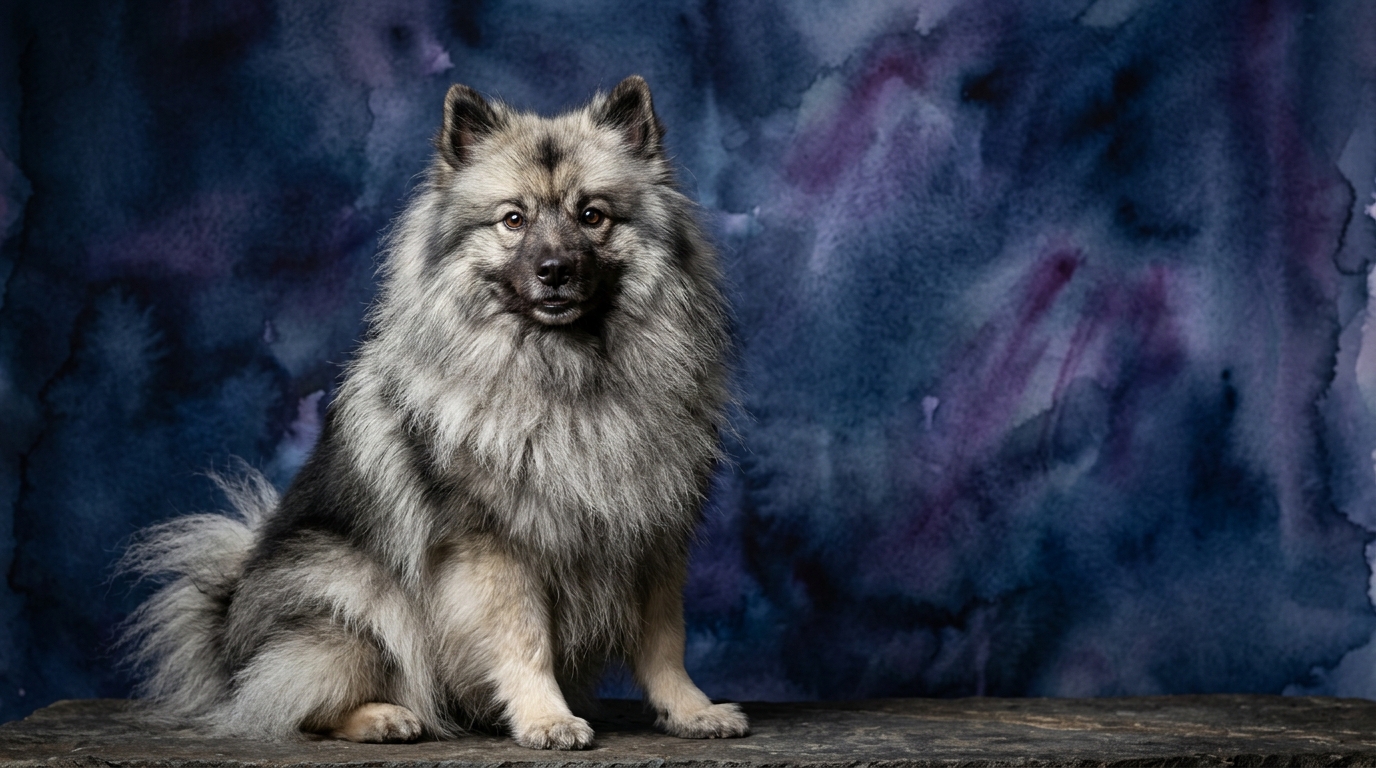
In contrast, the Keeshond presents a cognitive profile with distinct strengths, particularly in areas that reflect their historical role as companion and watchdogs. Their Problem Solving receives a 4/5, signifying a notable capacity to analyze situations and develop effective strategies, often demonstrating resourcefulness when faced with new scenarios. Training Speed is also a strong 4/5, indicating they grasp new commands and concepts with relative swiftness, making them responsive and eager learners in structured training sessions. Social Intelligence mirrors the Min Pin at 3/5, showing an awareness of social dynamics and a capacity to form strong bonds, often expressed through their loyal and empathetic nature towards their family. Their Instinctive Drive is likewise 3/5, reflecting a moderate expression of inherent behaviors, such as their historical vigilance as watchdogs, which can be channeled through appropriate outlets. The Keeshond's standout trait is their Memory, earning an impressive 5/5. This means they possess an exceptional ability to recall vast amounts of information, from complex command sequences to past experiences, over extended periods. This superior memory, combined with their strong problem-solving and training speed, contributes significantly to their high Coren rank of #16 among dog breeds, underscoring their remarkable aptitude for understanding and executing commands.
Where the Miniature Pinscher Wins Cognitively
While the Miniature Pinscher’s individual scores might appear moderate, their cognitive 'win' lies in their robust, balanced self-sufficiency and independent thought. A 3/5 across the board isn't a deficiency; rather, it indicates a dog that is generally competent and adaptable across various intellectual demands without being overly specialized. They excel in situations requiring quick, autonomous decision-making, particularly when those decisions benefit them directly. For instance, their combined 3/5 problem-solving and 3/5 instinctive drive can make them incredibly resourceful in navigating their environment, finding ways to access desired objects or explore new spaces. They aren't waiting for human instruction; they are processing and acting on their own initiative. This independent streak, often perceived as stubbornness in training, is actually a cognitive strength in situations where a dog needs to rely on its own wits to thrive, making them resilient survivors. Their moderate memory also means they learn from experience, quickly recognizing patterns that lead to positive outcomes for themselves, even if it requires a bit more repetition to generalize those lessons to human-directed tasks. They are pragmatic thinkers, often choosing the most efficient path to their immediate goal.
Where the Keeshond Wins Cognitively
The Keeshond's cognitive superiority shines brightly in areas demanding complex learning, retention, and problem-solving, hallmarks of their impressive Coren rank of #16. Their 4/5 Problem Solving means they are adept at figuring out intricate puzzles, understanding multi-step tasks, and adapting to novel situations with a thoughtful approach. This isn't just about trial-and-error; it's about genuine understanding and strategic thinking. Furthermore, their exceptional 5/5 Memory is a profound advantage. A Keeshond can learn and retain a vast vocabulary of commands, complex sequences of actions, and intricate routines with remarkable precision and over extended periods. This makes them ideal candidates for advanced obedience, dog sports like agility or rally, and even service roles where remembering many specific actions is crucial. They can recall past training sessions or experiences with impressive detail, allowing them to build upon previous knowledge more effectively than many other breeds. Their 4/5 Training Speed complements this memory, as they not only retain information but also pick up new concepts quickly, making the learning process efficient and rewarding for both dog and owner. They often demonstrate a deeper understanding of human intentions and the 'why' behind commands, facilitating more sophisticated communication.
Which is Easier to Train and Why
When it comes to ease of training, the Keeshond generally holds a distinct advantage over the Miniature Pinscher. The Keeshond's 4/5 Training Speed means they grasp new commands and concepts quickly, often requiring fewer repetitions to achieve proficiency. This responsiveness is coupled with their phenomenal 5/5 Memory, ensuring that once a command is learned, it is retained for a very long time, reducing the need for constant reteaching. Their eager-to-please nature, common in many Spitz-type breeds, further motivates them to cooperate and makes the training process a joyful partnership. They are often highly attuned to their owner's moods and intentions, which aids in communication and reinforces their desire to perform correctly. This combination of quick learning, strong retention, and willingness makes the Keeshond an excellent candidate for complex obedience, trick training, and dog sports, where consistency and rapid understanding are paramount.
The Miniature Pinscher, with a 3/5 Training Speed and 3/5 Memory, presents a different training experience. While certainly trainable, they typically require more patience, creativity, and consistency from their owner. Their independent nature and strong instinctive drive (3/5) mean they might prioritize their own interests or instincts over human commands, especially if they find an alternative more rewarding. For example, a Min Pin might understand a 'stay' command, but if a squirrel runs by, their instinctive drive to chase could easily override the learned behavior, requiring a stronger foundation and higher motivation to maintain focus. They are not 'unintelligent,' but rather have a self-directed intellect that needs to be consistently channeled and persuaded to align with human expectations. Training a Min Pin often means finding what truly motivates them – whether it's high-value treats, specific toys, or engaging play – and using that to make training more compelling than their independent pursuits. This can make them more challenging for novice owners or those who prefer a dog that is always eager to comply without much negotiation.
Which Suits Active Owners vs. Relaxed Owners
Considering their cognitive profiles and behavioral tendencies, the Keeshond is generally better suited for active owners who relish engaging deeply with their dog's mental and physical needs. Their high problem-solving (4/5), quick training speed (4/5), and exceptional memory (5/5) mean they thrive on mental stimulation. An active owner for a Keeshond is someone who enjoys regular training sessions, participates in dog sports like agility or obedience, provides puzzle toys, or engages in stimulating walks with opportunities for exploration and interaction. A Keeshond that is not mentally challenged can become bored, potentially leading to undesirable behaviors such as excessive barking, digging, or even destructive chewing, as they seek to entertain their intelligent minds. They are eager to learn and please, making them fantastic partners for owners who want to actively mold their dog's behavior and participate in shared activities.
The Miniature Pinscher, while a smaller breed, demands an owner who is active in a different sense – active in providing consistent leadership and varied mental engagement, rather than necessarily high-impact physical exercise. Their independent nature and moderate cognitive scores across the board mean they need an owner who is proactive in setting boundaries and providing structured activities to prevent them from becoming 'self-employed' and potentially mischievous. A Min Pin can adapt to a more relaxed physical routine than a Keeshond, enjoying bursts of play and walks rather than sustained, intense activity. However, their minds still need stimulation. An ideal owner for a Min Pin is one who understands their independent streak, enjoys consistent, engaging training, and provides a stimulating home environment with toys and varied experiences. A truly 'relaxed' owner who offers minimal mental interaction or consistent training might find the Min Pin's self-reliant nature challenging, as they are likely to make their own fun if not properly directed.
The Verdict: When to Choose Each Companion
The Verdict
Choose a Miniature Pinscher if you appreciate an independent, self-reliant companion with a balanced cognitive profile, who will thrive under consistent, engaging leadership that respects their spirited nature.
Opt for a Keeshond if you are an owner who enjoys active participation in your dog's mental development, valuing a highly trainable, intelligent companion eager to learn and excel in complex tasks and routines.
🧠 Find Your Pet's IQ Score
Our Pet IQ Lab assessment covers 25+ tests across 5 cognitive dimensions — personalized to your breed.
Take the Full IQ Test →Frequently Asked Questions
Is a Miniature Pinscher difficult to train?
Min Pins are not inherently difficult to train, but their independent nature and self-directed intelligence (3/5 training speed, 3/5 memory) mean they require more consistent, patient, and highly motivating methods. They learn, but often need more repetition and a strong incentive to comply over their own interests.
How good is a Keeshond's memory?
A Keeshond's memory is exceptional, rated 5/5 by The Cosmic Pet Pet IQ Lab. This means they can learn and retain a vast array of commands, complex sequences, and past experiences with remarkable precision and over long periods, making them highly trainable for advanced tasks.
Do Keeshonds need a lot of mental stimulation?
Yes, Keeshonds absolutely thrive on mental stimulation due to their high problem-solving (4/5) and exceptional memory (5/5). They need regular training, puzzle toys, and engaging activities to keep their intelligent minds occupied and prevent boredom or potential behavioral issues.