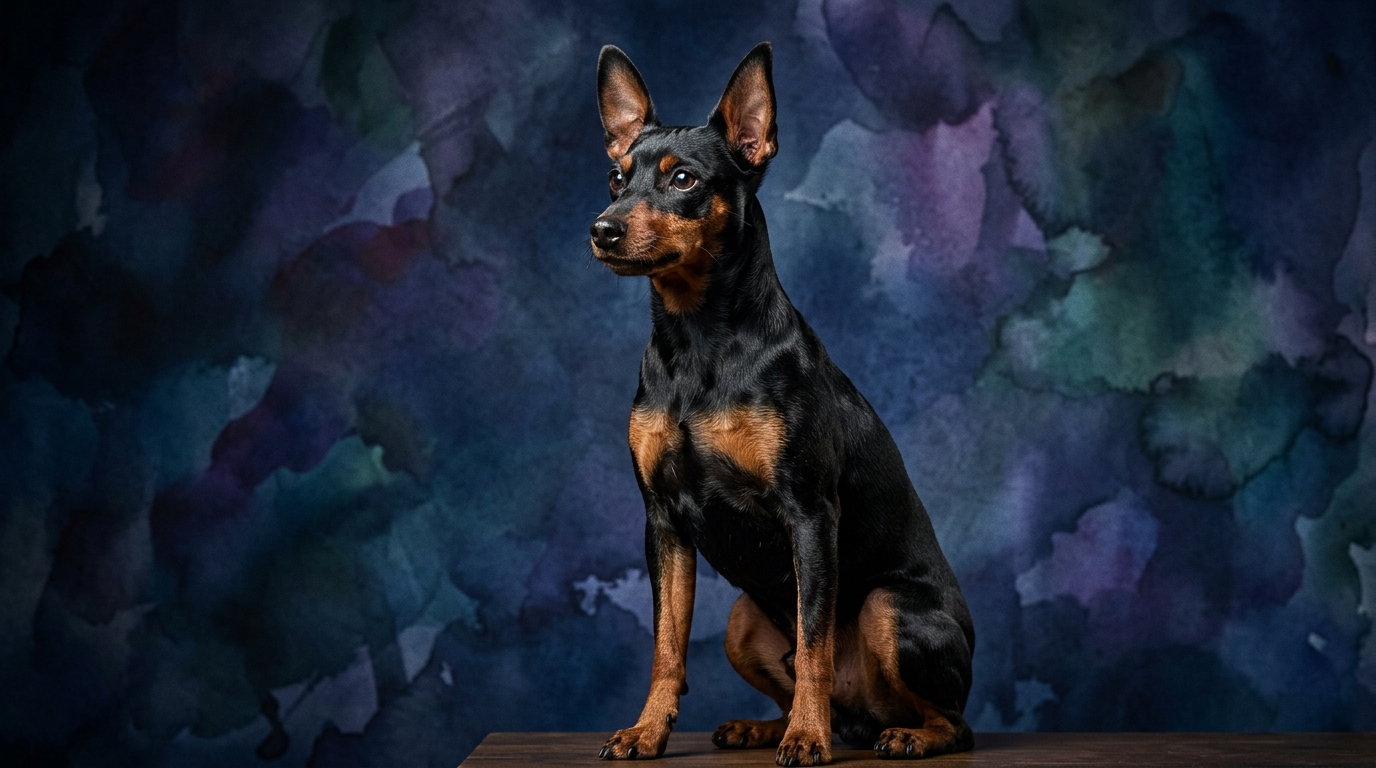
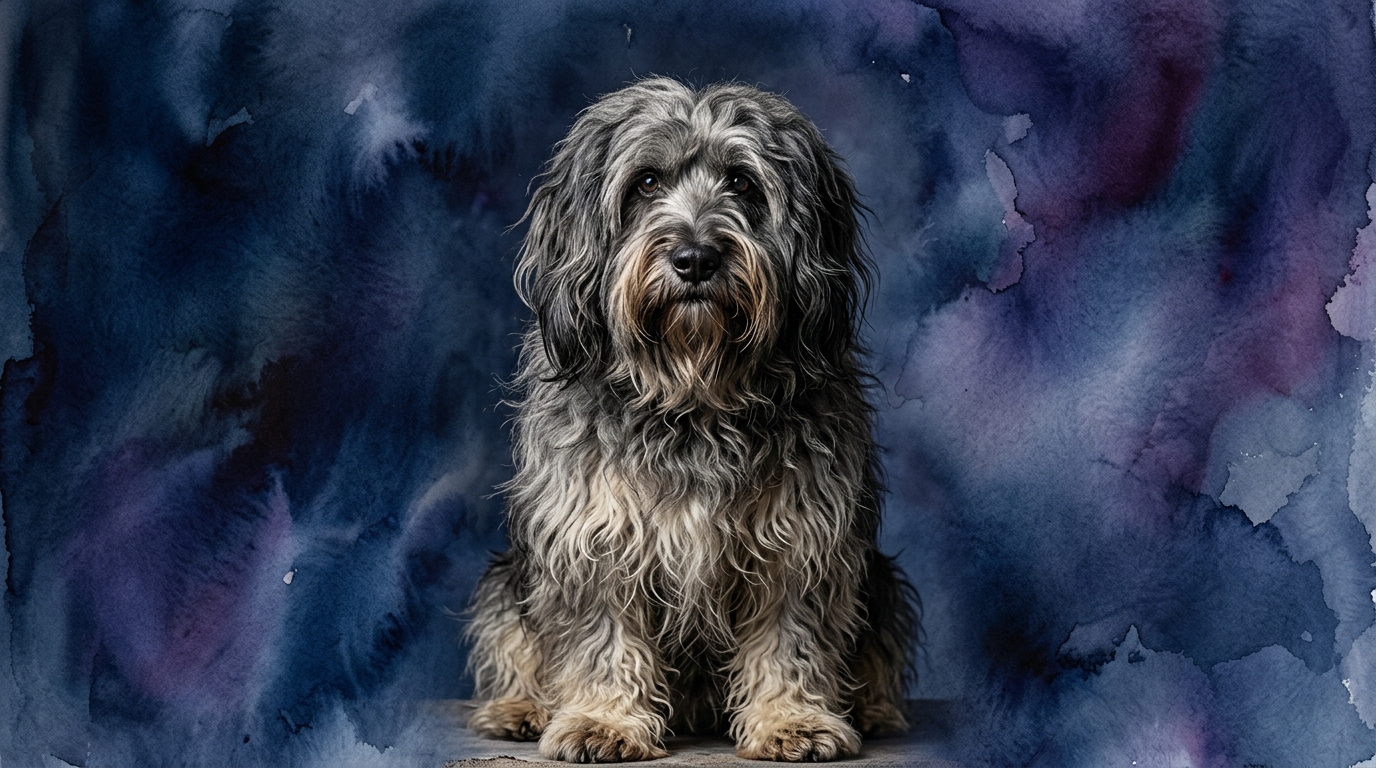
Side-by-Side IQ Profile: Miniature Pinscher vs. Polish Lowland Sheepdog
At first glance, the identical 3/5 scores across all five cognitive dimensions for both the Miniature Pinscher and the Polish Lowland Sheepdog might suggest a uniform cognitive experience. However, a deeper dive into their breed characteristics and historical roles illuminates how these scores translate into distinct behavioral and learning patterns for each canine.
For the **Miniature Pinscher (Min Pin)**, a spirited member of the Toy group, its cognitive profile is often expressed with a bold, self-assured flair. Its **Problem Solving (3/5)** leans towards opportunistic ingenuity, where it might quickly figure out how to access a forbidden treat, open a cabinet, or manipulate a situation to gain attention. This isn't about complex, multi-step tasks but rather clever, often self-serving solutions driven by its desires. Its **Training Speed (3/5)** indicates an ability to grasp new commands relatively quickly, especially when motivated by high-value rewards. However, their independent and sometimes stubborn nature, coupled with a short attention span if not sufficiently engaged, means that consistency and patience are vital. They might understand a command but choose not to perform it if they deem it uninteresting or inconvenient. In **Social Intelligence (3/5)**, Min Pins typically form strong bonds with their primary family, exhibiting a keen awareness of their owners' moods and routines. Their social acumen often includes an astute ability to read human cues within their established pack, though they can be reserved or even wary of strangers, requiring careful socialization. Their **Instinctive Drive (3/5)** carries a strong prey drive, reflecting a historical role as a "ratter," manifesting as an intense focus on small, moving objects and a tendency to chase. Their territorial instincts are also pronounced, leading to vigilant guarding of their home. Finally, their **Memory (3/5)** is solid for routines, learned commands, and locations of favored items or forbidden zones, quickly recalling positive and negative associations.
The **Polish Lowland Sheepdog (PON)**, a robust Herding breed, interprets these identical scores through a lens of thoughtfulness and practicality. Its **Problem Solving (3/5)** typically involves a more deliberate approach, often rooted in its herding heritage. They might assess a situation, like a gate left ajar or an obstacle in their path, and devise a practical solution. Their intelligence here is less about quick tricks and more about understanding spatial relationships and practical applications, such as finding the most efficient route. Their **Training Speed (3/5)** signifies they are capable learners, absorbing complex sequences and commands with consistent training. Their desire to please their family, combined with good retention, makes them receptive. However, their independent herding dog nature means they can sometimes be strong-willed, requiring a trainer who makes learning engaging and purposeful. In **Social Intelligence (3/5)**, PONs are deeply devoted to their families, forming strong, protective bonds and exhibiting a nuanced understanding of family dynamics and human emotions. With strangers, they tend to be reserved and watchful, assessing new individuals before offering their trust. Their **Instinctive Drive (3/5)**, true to their lineage, relates to gathering, watching, and protecting, often exhibiting "herding" behaviors towards family members. Their natural alertness makes them excellent watchdogs. Their **Memory (3/5)** is commendable, retaining a wide array of commands, routines, and experiences, contributing to their reliability in structured environments and their ability to perform complex, multi-step actions once taught.
Where the Miniature Pinscher Wins Cognitively
While both breeds score 3/5 in problem-solving, the Miniature Pinscher often demonstrates a quicker, more opportunistic cognitive agility in navigating their immediate domestic environment. Their wins are often in figuring out how to achieve a desired outcome through clever, sometimes mischievous, means, such as bypassing child gates or extracting hidden treats with surprising speed. This cleverness isn't about complex task completion, but rather about rapidly assessing a situation for personal gain and acting decisively. Their alertness and quick reactions, tied to their strong instinctive drive for vigilance, allow them to process sensory information rapidly and respond with a burst of energy, making them adept at noticing minute changes in their surroundings that others might miss. Their confident demeanor often translates into a willingness to experiment with solutions, even if it means bending the rules.
Where the Polish Lowland Sheepdog Wins Cognitively
The Polish Lowland Sheepdog, while equally rated in problem-solving, excels in a more deliberate and sustained application of its cognitive abilities, often reflecting its working heritage. Their strengths lie in their capacity for thoughtful assessment and their ability to follow multi-step processes. A PON might outshine a Min Pin in tasks requiring sustained focus or understanding spatial arrangements, such as navigating a complex agility course or learning a sequence of tricks that demand sequential execution. Their social intelligence also manifests as a deep, nuanced understanding of their family's emotional landscape, allowing them to offer comfort or companionship with an almost intuitive grasp of human feelings, a more profound social attunement than the Min Pin's more self-focused social awareness. Their memory supports this by allowing them to retain complex sequences and adapt learned behaviors to new contexts with greater consistency.
Which is Easier to Train and Why
Both breeds share a 3/5 rating in training speed, yet their training experiences can differ significantly due to their inherent temperaments. The Miniature Pinscher's training journey is often characterized by bursts of quick learning interspersed with moments of stubborn independence. They grasp commands rapidly when motivated, but their spirited nature means they can lose interest or decide to test boundaries if not consistently engaged. Consistency is paramount, as is making training sessions feel like a game rather than a chore, leveraging their desire for attention and their quick, opportunistic problem-solving. Their instinct to be the "boss" can also pose challenges, requiring a firm yet positive approach.
In contrast, the Polish Lowland Sheepdog, while also possessing an independent streak typical of herding breeds, often approaches training with a more thoughtful and receptive demeanor. They are capable of learning complex sequences and appreciate having a 'job' to do, which appeals to their instinctive drive. However, their independence means they thrive on positive reinforcement and clear, consistent communication, and might 'think' about a command before executing it, rather than reacting instantly. Neither is inherently 'easier' to train in a universal sense; the Min Pin requires more creative engagement to maintain focus and manage its strong will, while the PON benefits from structured, purposeful activities that appeal to its working drive and thoughtful nature. Understanding these specific behavioral nuances is key to successful training for either breed.
Which Suits Active Owners vs. Relaxed Owners
When considering lifestyle compatibility, the Miniature Pinscher can be an excellent fit for owners who are active but perhaps not seeking a canine partner for extreme sports. While small, they possess a surprising amount of energy and require regular walks, playtime, and mental enrichment to prevent boredom-driven behaviors. They thrive on being involved in family activities and appreciate owners who can provide consistent engagement and attention, making them suitable for active individuals or families who enjoy daily outings and indoor games. Their cognitive agility means they need mental stimulation to prevent them from inventing their own, potentially destructive, entertainment.
Conversely, the Polish Lowland Sheepdog, with its herding background and robust build, is better suited for truly active owners. These dogs need substantial daily exercise, including long walks, hikes, or opportunities to engage in dog sports like agility, obedience, or even herding trials. Their cognitive need for a 'job' means they benefit greatly from structured activities that challenge both their bodies and minds. A relaxed owner might find the PON's energy and need for mental stimulation overwhelming, potentially leading to a frustrated dog and unwanted behaviors. For the PON, an active owner isn't just about physical activity, but also about providing consistent cognitive challenges that fulfill their working breed nature and prevent them from becoming bored or destructive.
The Verdict
Choose the Miniature Pinscher if you desire a spirited, confident companion that thrives on being the center of attention and can adapt well to various living situations, provided its moderate energy and strong personality are consistently managed.
Opt for the Polish Lowland Sheepdog if you are an active owner seeking a thoughtful, devoted, and robust companion eager to engage in structured activities and capable of handling more complex training challenges.
🧠 Find Your Pet's IQ Score
Our Pet IQ Lab assessment covers 25+ tests across 5 cognitive dimensions — personalized to your breed.
Take the Full IQ Test →Frequently Asked Questions
Do Miniature Pinschers and Polish Lowland Sheepdogs learn commands at the same rate?
While both breeds score 3/5 in training speed, their learning styles differ. Min Pins can grasp commands quickly but may get distracted or stubborn, requiring engaging methods. PONs learn complex tasks well with purpose-driven training, though their independent nature means they might take a moment to process before responding.
How do their problem-solving abilities differ despite identical scores?
The Miniature Pinscher's problem-solving is often opportunistic and quick, focused on immediate gratification or navigating their domestic environment. The Polish Lowland Sheepdog, in contrast, tends toward more deliberate, practical problem-solving, applying its cognitive skills to sustained tasks or understanding spatial arrangements, reflecting its working heritage.
Which breed is more adaptable to apartment living based on their cognitive profile?
The Miniature Pinscher is generally more adaptable to apartment living due to its smaller size and manageable exercise needs, provided it receives consistent mental stimulation and daily walks. The Polish Lowland Sheepdog, with its higher physical and cognitive demands rooted in its herding background, typically thrives better in homes with more space and a commitment to extensive outdoor activities and structured mental tasks.