Side-by-Side IQ Profile: Herder vs. Guardian Cognition
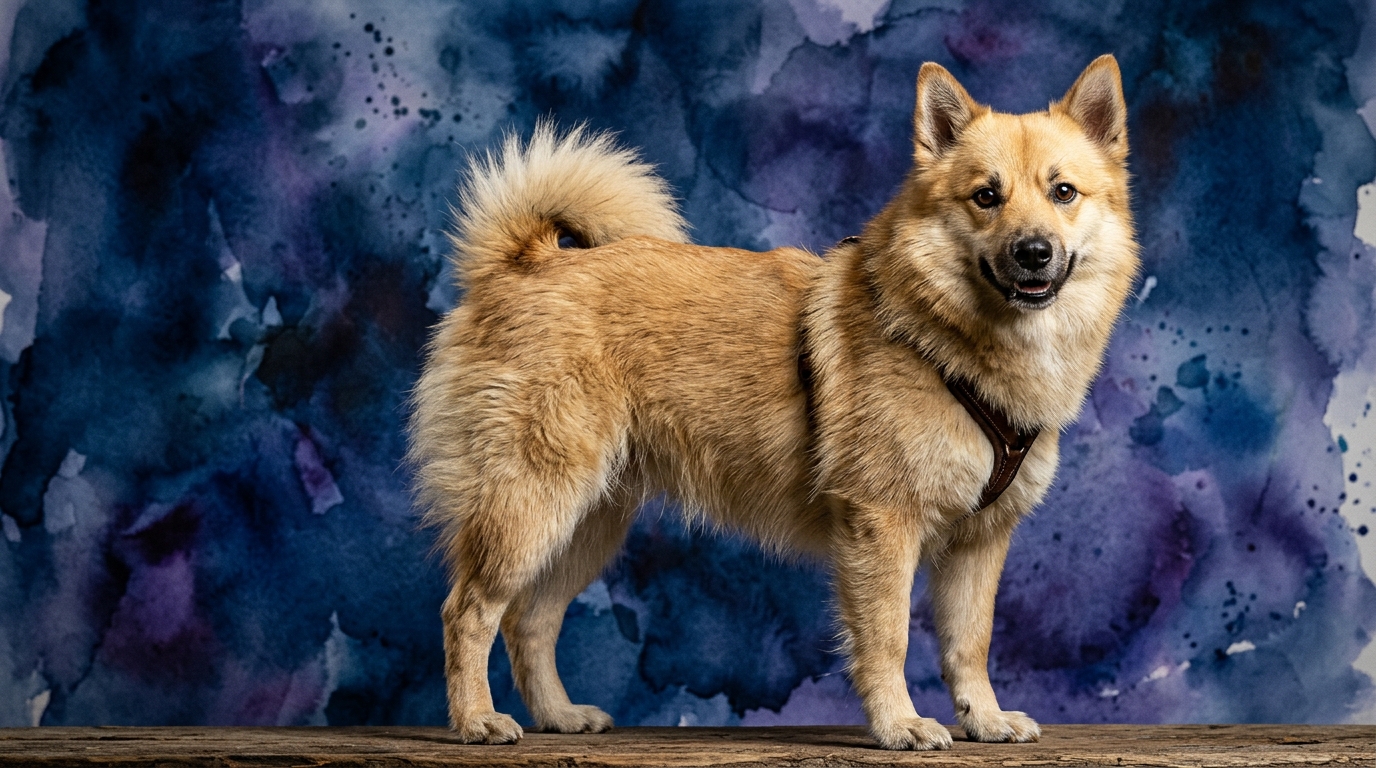
**Norwegian Buhund:** This herding breed often displays an agile mind, adept at navigating complex environments to manage livestock or alert to intruders, showcasing dynamic, proactive problem-solving. They generally pick up new commands with moderate speed, eager to engage, though focus requires variety; their social intelligence fosters deep family bonds and expressive communication, while their strong herding and watchdog instincts drive their vigilant nature.
Buhunds possess a solid memory for learned commands, routines, and experiences, aiding both their work and their role as a family companion by recalling specific sequences and cues for intricate tasks.
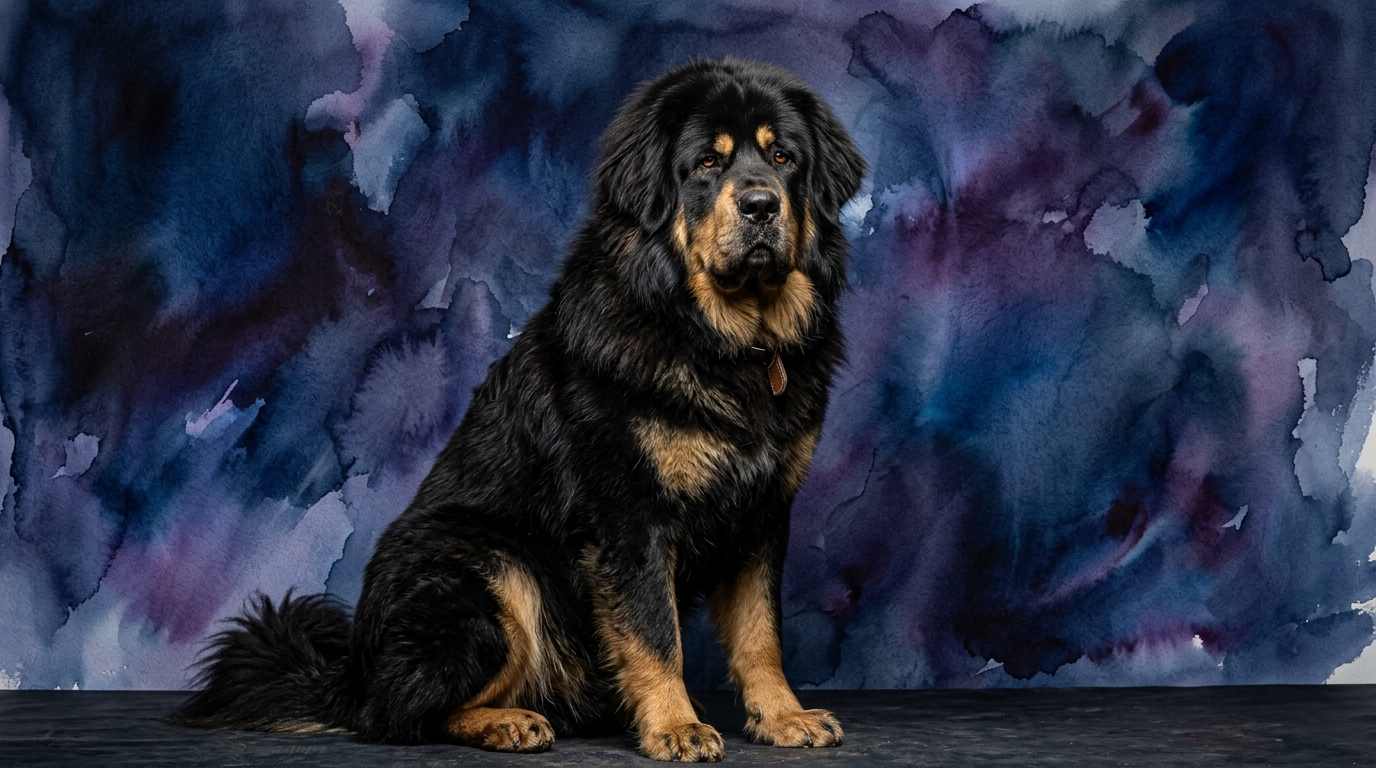
**Tibetan Mastiff:** The Tibetan Mastiff's problem-solving centers on strategic vigilance and independent decision-making for property protection, often opting for a watchful, imposing presence to deter threats. While capable of learning, their training speed is tempered by profound independence, as obedience often hinges on their own assessment of a command's utility; their social intelligence is expressed through deep family devotion and deliberate aloofness towards strangers, prioritizing protection.
Driven by an exceptionally powerful guarding and territorial instinct, they possess an excellent memory for discerning familiar individuals from strangers and recalling past events to inform their consistent, reliable guardianship.
Where the Norwegian Buhund Wins Cognitively
The Norwegian Buhund excels in areas demanding dynamic engagement and collaborative problem-solving, a cognitive edge over the more static guardian. Faced with novel situations requiring immediate action, a Buhund is more likely to experiment with solutions or seek human guidance, reflecting a flexible, proactive approach. Their social intelligence fosters a more expressive, interactive communication style, enabling clearer two-way exchanges with owners during training, making them quicker to volunteer solutions in collaborative tasks. This eagerness to partner, combined with their desire to work, means their memory often serves to recall specific sequences and cues for intricate, multi-step behaviors in structured settings, making them more inclined to execute a learned action simply because it was taught, rather than questioning its immediate utility.
Where the Tibetan Mastiff Wins Cognitively
The Tibetan Mastiff's cognitive strengths lie in independent judgment, unwavering vigilance, and strategic deterrence. Their problem-solving prowess centers on autonomously assessing complex security situations, making decisions about perceived threats without direct human instruction. Their social intelligence manifests as an unparalleled ability to discern true threats from benign visitors through subtle cues, maintaining a formidable, deterrent presence without overt aggression. This nuanced understanding of territorial social dynamics represents a unique cognitive advantage. Their memory is exceptionally powerful for long-term recognition of individuals and patterns within their environment, recalling who belongs and who does not with remarkable accuracy, sometimes over extended periods. This enduring memory supports their consistent, reliable guarding role, enabling vigilance based on historical data and a profound sense of responsibility.
Training Dynamics: Which is Easier and Why
Despite identical 3/5 ratings for training speed, the Norwegian Buhund is generally perceived as easier to train due to their more pronounced desire to please and collaborate with humans, a trait inherent to many herding breeds. This eagerness translates into a dog more willing to engage in repetitive training sessions, seeking positive reinforcement and praise as primary motivators. Their social intelligence fosters a quicker understanding of human intentions and cues, allowing them to adapt behavior more readily to expectations. In contrast, the Tibetan Mastiff's training speed is tempered by its profound independence and self-assured nature. A Mastiff learns but often weighs a command's utility against its own assessment, making obedience conditional. They are less driven by a desire to please and more by their own internal logic and guarding instincts, meaning training requires immense patience, consistency, and a deep understanding of their independent mindset to achieve compliance.
Matching Breeds to Lifestyles: Active vs. Relaxed Owners
The Norwegian Buhund is unequivocally better suited for active owners, as their herding background demands substantial energy and consistent mental and physical stimulation. Owners who enjoy regular walks, hikes, or dog sports will find a Buhund a willing and enthusiastic partner, with their cognitive profile thriving on tasks challenging problem-solving and memory. A relaxed owner might struggle to meet their intrinsic need for activity, potentially leading to boredom-driven behaviors. Conversely, the Tibetan Mastiff aligns with relaxed owners, provided "relaxed" means low-intensity physical activity but high-intensity responsibility. While powerful, they are not a high-energy breed in terms of constant movement; their cognitive needs revolve around having a territory and family to protect. A relaxed owner appreciating a watchful, independent guardian in a secure, spacious environment will find the Mastiff's steady presence rewarding without constant entertainment or physical exhaustion.
The Verdict
Choose the Norwegian Buhund if you seek an active, collaborative companion eager to engage in diverse activities and training, thriving on partnership and dynamic mental challenges.
Opt for the Tibetan Mastiff if you desire a formidable, independent guardian whose cognitive strengths lie in unwavering territorial protection and autonomous decision-making in a secure environment.
🧠 Find Your Pet's IQ Score
Our Pet IQ Lab assessment covers 25+ tests across 5 cognitive dimensions — personalized to your breed.
Take the Full IQ Test →Frequently Asked Questions
Do Norwegian Buhunds bark a lot due to their intelligence?
Norwegian Buhunds do tend to be vocal, not necessarily due to their intelligence level, but as an expression of their strong instinctive drive for alerting and herding. Their social intelligence also contributes to their communicative nature, often barking to convey information or seek attention. This vocalization is a natural part of their breed specific cognitive expression.
Are Tibetan Mastiffs difficult to train because of their independence?
Tibetan Mastiffs are not difficult to train in the sense of being unable to learn, but their profound independence means they require a consistent, patient, and understanding approach. Their problem-solving and memory are strong, yet their willingness to comply with commands often depends on their own assessment of the situation, making training a long-term commitment to build trust and respect.
How do their 3/5 problem-solving scores differ in practical terms?
The Norwegian Buhund's 3/5 problem-solving often involves dynamic, active solutions like figuring out how to maneuver livestock or navigate obstacles efficiently. The Tibetan Mastiff's 3/5 problem-solving, conversely, is more about strategic, independent assessment of threats and maintaining territorial integrity, often through a watchful, deterrent presence rather than direct intervention.