Side-by-Side IQ Profile: A Tale of Two Canines
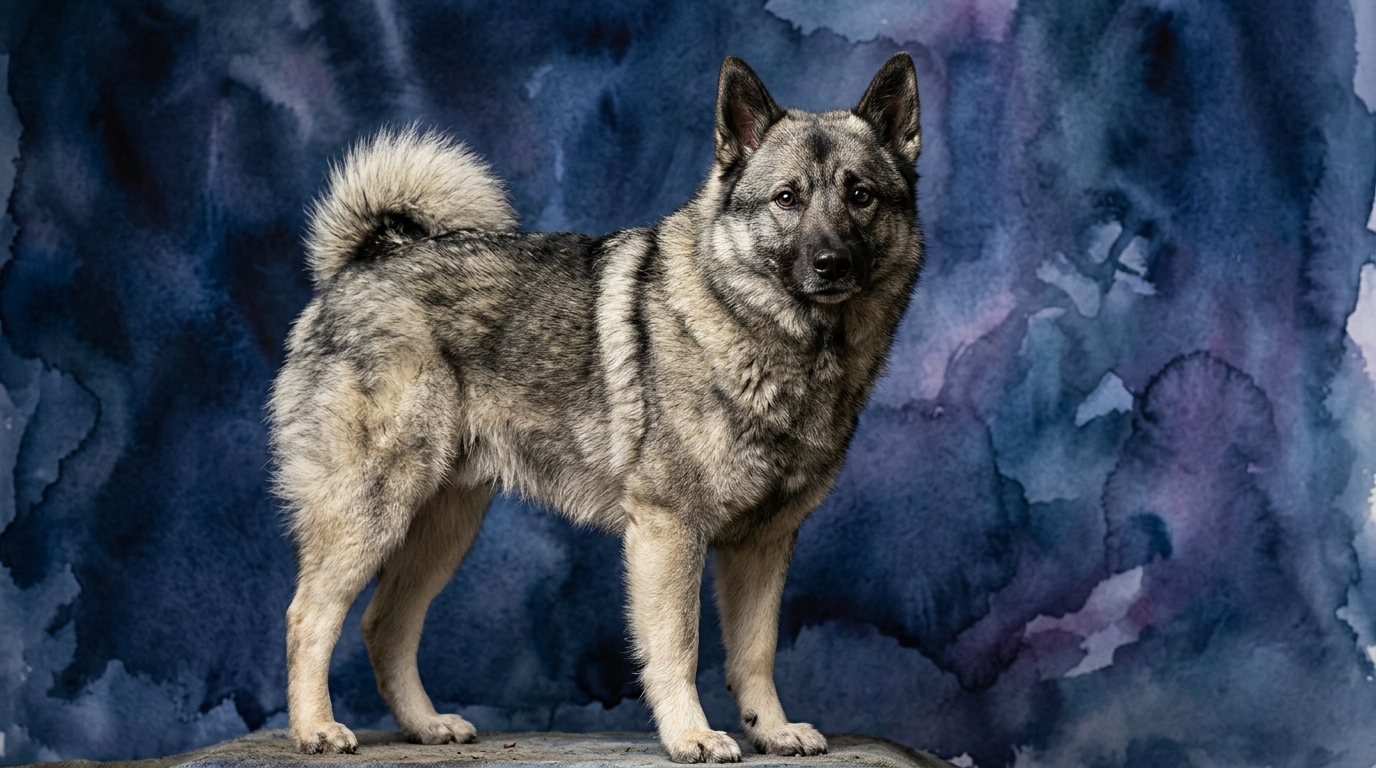
The Cosmic Pet Pet IQ Lab employs five key dimensions to map a breed's cognitive strengths, providing a nuanced understanding beyond simple rankings. For the Norwegian Elkhound, a breed historically tasked with tracking large game like moose, its profile reflects a working heritage demanding both mental and physical fortitude. It scores 4/5 in Problem Solving, indicating a capacity for independent thought and strategic thinking, crucial for navigating complex terrain and outsmarting prey. Its Training Speed is also 4/5, suggesting a quick grasp of commands and routines, though often with a degree of hound-like independence. Social Intelligence registers at 3/5, demonstrating an ability to understand and interact within a social structure, whether a human family or a hunting pack. Instinctive Drive, at 3/5, underscores its inherent motivation for tasks like scent tracking and pursuit. Finally, Memory, also 4/5, highlights its ability to retain information, from scent trails to learned behaviors, over time.
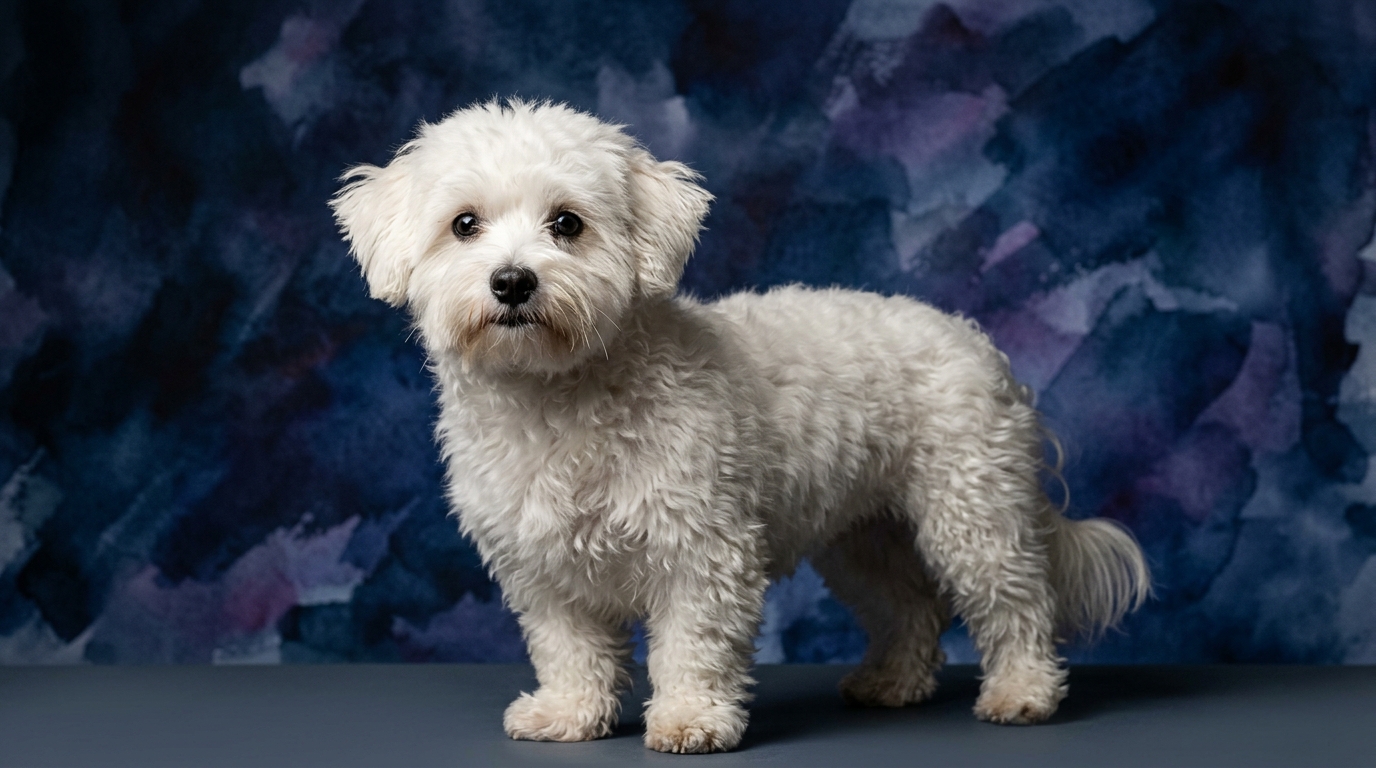
In contrast, the Coton de Tuléar, a breed celebrated for its companion qualities and often found nestled comfortably indoors, presents a different cognitive signature. Its Problem Solving is rated 3/5, indicating an adequate ability to figure out everyday situations, perhaps how to get a toy from under the couch or solicit attention. Training Speed is also 3/5, meaning they learn at a moderate pace, typically responsive to positive reinforcement and eager to please. Social Intelligence matches the Elkhound at 3/5, reflecting its strong bond with human companions and adaptability to various household dynamics. Instinctive Drive, at 3/5, is present but often expressed in more domesticated forms, such as playful chasing or a desire for interaction rather than strong prey drive. Its Memory, too, stands at 3/5, allowing it to remember routines, people, and basic commands effectively, contributing to its agreeable nature as a family member. This balanced profile makes the Coton a versatile and pleasant household fixture, where extreme working intellect isn't a primary requirement.
Where the Norwegian Elkhound Excels Cognitively
The Norwegian Elkhound’s cognitive strengths are deeply intertwined with its history as a persistent hunter. Its 4/5 rating in Problem Solving reflects a robust ability to independently assess situations and devise solutions, a trait vital for tracking game across varied landscapes. This isn't just about following a trail; it involves making decisions about which path to take, how to navigate obstacles, and when to alert its human companion. For owners, this means an Elkhound can be adept at figuring out puzzle toys, opening gates, or even strategizing how to get to a coveted treat. This cognitive agility demands consistent mental stimulation to prevent boredom and channel its sharp mind constructively.
Furthermore, the Elkhound’s 4/5 Training Speed means it can absorb and respond to new commands with relative swiftness. Coupled with its 4/5 Memory, this breed can build an extensive repertoire of learned behaviors and retain them over long periods. A well-trained Elkhound remembers complex sequences, boundaries, and specific verbal cues, which is crucial for a working breed that needs to follow precise instructions in dynamic environments. Its memory extends beyond commands to spatial recall, remembering routes and locations, which is invaluable for a dog whose historical purpose involved covering vast territories. This combination of quick learning and strong retention makes them capable partners in various dog sports and advanced obedience work, provided their independent spirit is respected and engaged through fair, consistent methods.
Where the Coton de Tuléar Shows Its Unique Strengths
While the Coton de Tuléar’s individual cognitive scores might not reach the peaks of a specialized working breed like the Elkhound, its intelligence is perfectly suited to its role as a dedicated companion. Its balanced 3/5 ratings across all dimensions — Problem Solving, Training Speed, Social Intelligence, Instinctive Drive, and Memory — combine to create a highly adaptable and emotionally attuned canine. The Coton’s social intelligence, at 3/5, allows it to form exceptionally strong bonds with its human family, often displaying an uncanny ability to read emotions and respond with comforting presence or playful antics. This isn't about pack hierarchy but about deep, reciprocal companionship, making them profoundly intuitive family members.
The Coton's moderate Problem Solving and Training Speed contribute to its agreeable nature. They are generally not prone to the independent, sometimes headstrong, problem-solving that can challenge owners of more driven breeds. Instead, their cognitive efforts are often directed towards understanding household routines and figuring out how to engage with their people, whether by nudging a hand for pets or bringing a toy for a game. Their 3/5 Memory ensures they remember favorite people, places, and basic manners, making them consistent and reliable companions. This blend of cognitive traits means the Coton is rarely overwhelming, offering a steady, affectionate presence that integrates seamlessly into family life without requiring constant, high-intensity mental challenges, though they certainly enjoy learning tricks and engaging in interactive play.
Training Dynamics: Elkhound's Drive vs. Coton's Charm
Training a Norwegian Elkhound leverages its 4/5 Training Speed and 4/5 Memory, meaning they pick up concepts quickly and retain them. However, their 3/5 Instinctive Drive, particularly their strong scent drive, and their independent hound nature can present unique challenges. An Elkhound might learn a 'recall' command rapidly in a controlled environment, but the scent of a squirrel in the park can override even a deeply ingrained command. Their problem-solving skills, while an asset, can also mean they’ll figure out how to circumvent rules if they perceive an advantage. Training requires firm, consistent, and engaging methods, often incorporating their natural drives into the learning process. They respond best to trainers who understand their independent spirit and can make training feel like a collaborative hunt for knowledge, using positive reinforcement to channel their considerable mental energy.
The Coton de Tuléar, with its 3/5 Training Speed, learns at a more measured pace than the Elkhound, but its social intelligence (3/5) and desire for human companionship make it a highly willing participant. Cotons often thrive on positive reinforcement, praise, and gentle guidance, responding well to the bond they share with their trainer. Unlike the Elkhound, which might become distracted by an external scent, a Coton is more likely to remain focused on its person, eager to please and earn affection. Their lower instinctive drive means they are generally less prone to independent excursions or ignoring commands for external stimuli. While they may not master complex sequences as rapidly as an Elkhound, their consistency and eagerness to interact make them a joy to train for basic obedience, tricks, and even agility, especially when the training reinforces their connection with their family.
Matching Lifestyle: Active Adventurer vs. Relaxed Companion
For owners seeking an active, engaged canine partner, the Norwegian Elkhound is an ideal match. Their robust problem-solving skills and instinctive drive demand regular outlets for both physical exertion and mental stimulation. These dogs thrive with owners who enjoy outdoor activities like hiking, jogging, or dog sports such as agility or obedience. An Elkhound needs more than just a walk around the block; it requires opportunities to use its nose, solve puzzles, and engage its keen mind. An owner who can provide consistent training, varied environments, and intellectual challenges will find a loyal and capable companion. Without sufficient mental and physical enrichment, an Elkhound’s intelligence and drive can manifest as boredom-driven behaviors, making an active and committed owner essential.
The Coton de Tuléar, on the other hand, is perfectly suited for owners who desire a more relaxed yet still interactive companion. While they are not sedentary, their moderate instinctive drive and more balanced cognitive profile mean they are content with daily walks, indoor play, and plenty of social interaction. They adapt well to various living situations, including apartments, as long as their need for companionship and moderate exercise is met. Coton owners enjoy a dog that wants to be an integral part of family life, happy to curl up on the couch or engage in a game of fetch in the yard. Their intelligence is geared towards understanding and fitting into a human household, making them excellent choices for individuals or families who prioritize affectionate companionship and a dog that is generally easy to integrate into a less intensely active lifestyle, yet still enjoys playful engagement.
The Verdict
Choose the Norwegian Elkhound if you are an active, experienced owner ready to provide consistent mental and physical challenges for a sharp-minded, independent partner.
Opt for the Coton de Tuléar if you seek an adaptable, affectionate companion who thrives on social interaction and moderate activity, seamlessly integrating into family life.
🧠 Find Your Pet's IQ Score
Our Pet IQ Lab assessment covers 25+ tests across 5 cognitive dimensions — personalized to your breed.
Take the Full IQ Test →Frequently Asked Questions
Do Norwegian Elkhounds make good family pets?
Yes, Norwegian Elkhounds can be wonderful family pets, especially for active families. Their social intelligence allows them to form strong bonds, but they require consistent training and plenty of mental and physical engagement to be well-adjusted.
Are Coton de Tuléars difficult to train?
Coton de Tuléars are generally not difficult to train due to their eagerness to please and social nature. While their training speed is moderate, their responsiveness to positive reinforcement and desire for interaction makes them enjoyable pupils for basic obedience and tricks.
Which breed is better for apartment living?
The Coton de Tuléar is generally better suited for apartment living due to its smaller size, moderate exercise requirements, and adaptable nature. The Norwegian Elkhound, with its higher energy and instinctive drive, typically thrives in homes with more space and access to outdoor activities.