Side-by-Side IQ Profile: Elkhound vs. Chin
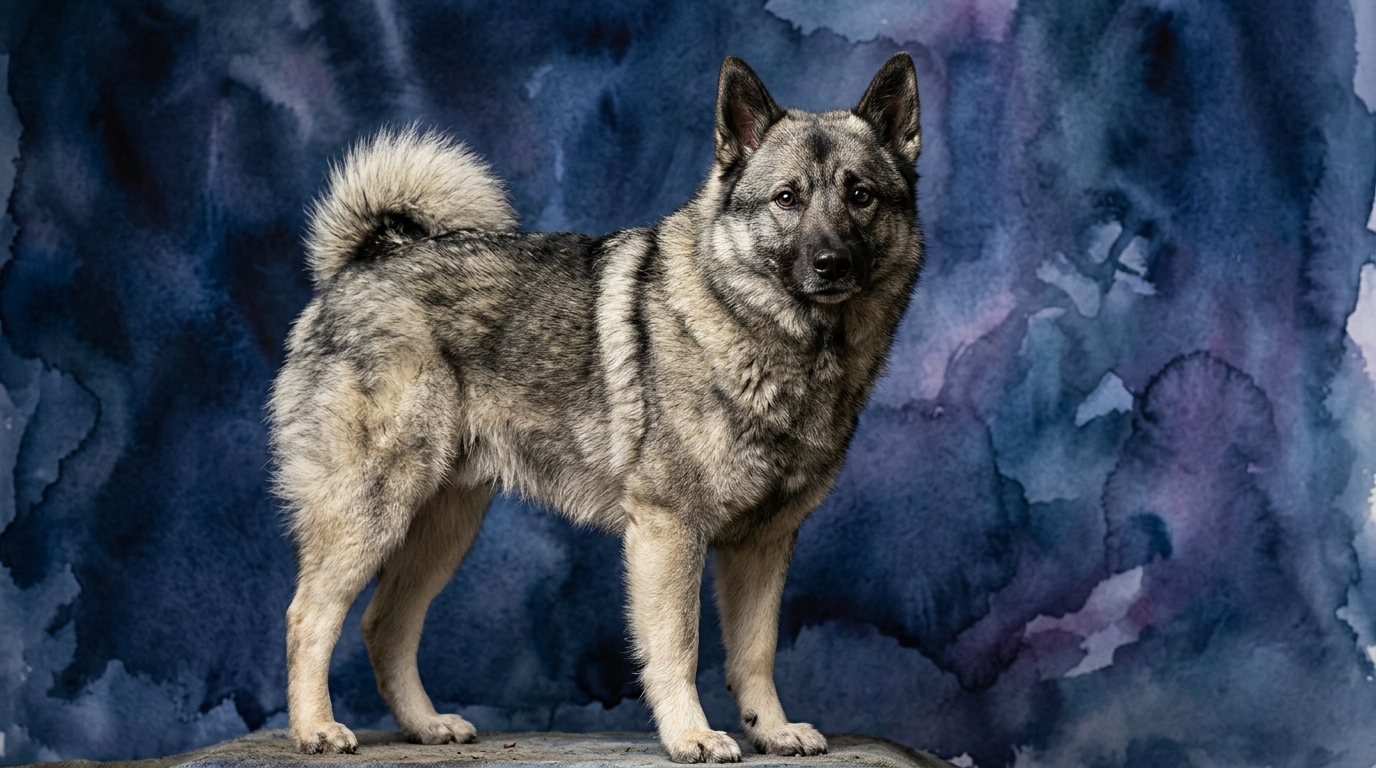
At The Cosmic Pet Pet IQ Lab, we evaluate canine intelligence across five key dimensions. For the Norwegian Elkhound, a Coren-ranked breed at #36, its profile indicates a strong cognitive aptitude. Its Problem Solving is rated 4/5, reflecting a resourceful approach to challenges, often figuring out complex routes or manipulating objects to achieve goals. Training Speed stands at 4/5, indicating a quick grasp of new commands and routines, demonstrating strong associative learning. Social Intelligence is 3/5, showing an understanding of pack dynamics and human cues, though with an independent streak. Instictive Drive is 3/5, manifesting as a purposeful prey drive and inclination to track. Memory is 4/5, highlighting excellent long-term retention of behaviors and experiences.
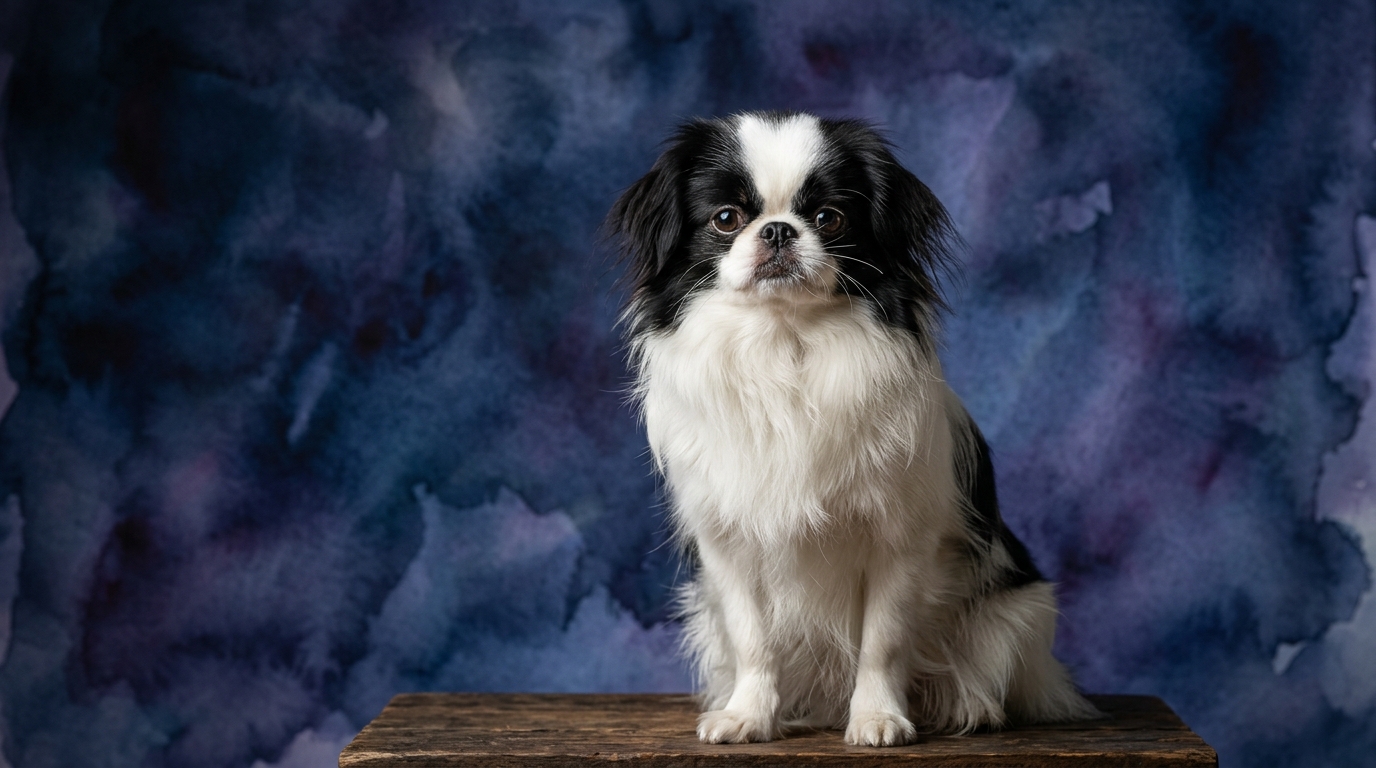
The Japanese Chin, a Toy breed not Coren-ranked, presents a different cognitive landscape. Its Problem Solving is rated 3/5, suggesting a moderate capacity, often preferring human assistance over independent task-tackling. Training Speed is 3/5, meaning they learn at a steady pace, requiring consistent and patient reinforcement. Social Intelligence is 3/5, but manifests as a refined ability to read human emotions and intentions, thriving on companionship. Instictive Drive is 3/5, primarily focused on companionship and proximity, with less emphasis on traditional hunting behaviors. Memory is 3/5, offering reliable retention for routines, favored people, and pleasant experiences, serving their social and domestic needs effectively.
Where the Norwegian Elkhound Wins Cognitively
The Norwegian Elkhound distinguishes itself with a superior aptitude for independent problem-solving and robust memory retention. Their 4/5 rating in problem-solving reflects a historical necessity for making quick, effective decisions in challenging environments, such as tracking game through varied terrain. This translates into a dog that can often strategize its way through obstacles or figure out how to access a desired item, demonstrating a proactive cognitive approach. Furthermore, their 4/5 memory ensures that complex sequences of commands, intricate routes, or past experiences are not easily forgotten, making them reliable partners in tasks requiring consistent recall. This breed's cognitive strengths lie in its ability to process environmental information and retain a vast internal map of its world, a trait honed by centuries of working alongside humans in demanding conditions. They often display a deep understanding of cause and effect in their physical surroundings, making them adept at navigating new situations with confidence born from past learning.
Where the Japanese Chin Wins Cognitively
While not outscoring the Elkhound in raw problem-solving or memory, the Japanese Chin's cognitive strengths lie in its refined social intelligence and adaptability within a human-centric world. Their 3/5 social intelligence, while seemingly on par, manifests differently; Chins are masters of subtle communication and emotional attunement, often anticipating their owner's needs or mood with remarkable accuracy. This breed's intelligence is geared towards fostering deep, harmonious companionship, making them exceptionally responsive to changes in human tone or body language. They excel at 'reading the room' and adjusting their behavior to maintain a peaceful domestic environment. Their cognitive focus is less on conquering external challenges and more on navigating the complexities of human relationships, making them profoundly empathetic companions. They demonstrate a nuanced understanding of social cues, often using their charming demeanor to elicit desired responses, a form of problem-solving within the social sphere.
Training Dynamics: Elkhound's Drive vs. Chin's Connection
The Norwegian Elkhound, with its 4/5 training speed, generally proves more receptive to training for a wide array of commands and tasks compared to the Japanese Chin's 3/5 rating. Elkhounds possess a strong work ethic and an inherent desire to engage in purposeful activities, which stems from their hunting heritage. This breed often exhibits a keen focus during training sessions, quickly associating actions with desired outcomes. Their higher problem-solving score means they can often generalize learned behaviors to new situations with less repetition. For instance, an Elkhound taught to retrieve a specific item might more readily adapt that skill to retrieve a different object or from a new location. Their memory of 4/5 also contributes significantly, meaning once a command is learned, it is typically retained for the long term, reducing the need for frequent refreshers. Their independent spirit, however, means training must be engaging and consistent to prevent them from deciding their own path.
The Japanese Chin, while trainable, requires a more nuanced and patient approach. Their 3/5 training speed indicates they learn steadily but may not grasp concepts as rapidly as the Elkhound. Chins are motivated by positive reinforcement and social connection, responding best to gentle methods rather than rigorous drills. Their intelligence is more about connection than compliance, meaning they need to feel invested in the interaction. For example, a Chin might excel at learning tricks that involve interaction and praise, but may find repetitive obedience drills less stimulating. Their social intelligence, while high, means they are sensitive to handler mood and can become disengaged if training feels stressful or unrewarding. While they will learn house rules and basic commands, their training journey often benefits from shorter, more frequent sessions focused on building a positive rapport. Their moderate memory means consistency is key to solidifying learned behaviors.
Lifestyle Match: Active Companion vs. Relaxed Presence
The Norwegian Elkhound is undoubtedly better suited for active owners. Their robust instinctive drive, even at 3/5, combined with their history as a working hound, means they require substantial physical and mental stimulation. They thrive on long hikes, engaging in scent work, or participating in canine sports that challenge both their body and their problem-solving mind. An Elkhound that doesn't receive enough outlets for its energy and cognitive abilities can become restless or destructive, often finding its own 'job' which may not align with household harmony. Their preference for independent action means they enjoy exploring and engaging with their environment rather than simply observing it. Owners who enjoy outdoor adventures and are prepared to integrate their dog into an active lifestyle will find the Elkhound a willing and capable companion.
Conversely, the Japanese Chin is an ideal match for more relaxed owners. Their moderate instinctive drive and historical role as a companion dog mean their exercise requirements are modest, satisfied with short walks and indoor play. Their social intelligence and desire for close companionship make them content to spend much of their day alongside their owner, whether napping on a lap or observing household activities. They are not dogs that demand constant vigorous activity; instead, they flourish in environments where their primary role is that of a cherished family member. Their smaller size and less demanding exercise needs make them well-suited for apartment living or for individuals who prefer a more sedentary lifestyle but still desire an affectionate and interactive pet. They are perfectly happy to be the center of quiet attention, making them excellent companions for those seeking a tranquil presence.
The Verdict
Opt for a Norwegian Elkhound if you are an active, experienced owner seeking a capable, independent-thinking partner for outdoor adventures, training challenges, or working roles, appreciating a dog with strong memory and problem-solving skills.
Select a Japanese Chin if you desire a gentle, devoted companion who thrives on close human interaction and emotional connection, preferring a relaxed lifestyle with moderate exercise and valuing subtle social intelligence.
🧠 Find Your Pet's IQ Score
Our Pet IQ Lab assessment covers 25+ tests across 5 cognitive dimensions — personalized to your breed.
Take the Full IQ Test →Frequently Asked Questions
Is the Norwegian Elkhound a good family dog?
Yes, Norwegian Elkhounds can be excellent family dogs, known for their loyalty and protective instincts. They generally get along well with children if properly socialized, but their energy levels require an active family environment.
Do Japanese Chins bark a lot?
Japanese Chins are not typically excessive barkers, but they will alert their owners to visitors or unusual sounds. Their vocalizations are often more subtle, like chortles or trills, making them suitable for apartment living.
How much exercise does a Norwegian Elkhound need?
Norwegian Elkhounds require significant daily exercise, ideally 60-90 minutes of vigorous activity. This can include long walks, runs, hiking, or engaging in dog sports to satisfy their physical and mental stimulation needs.