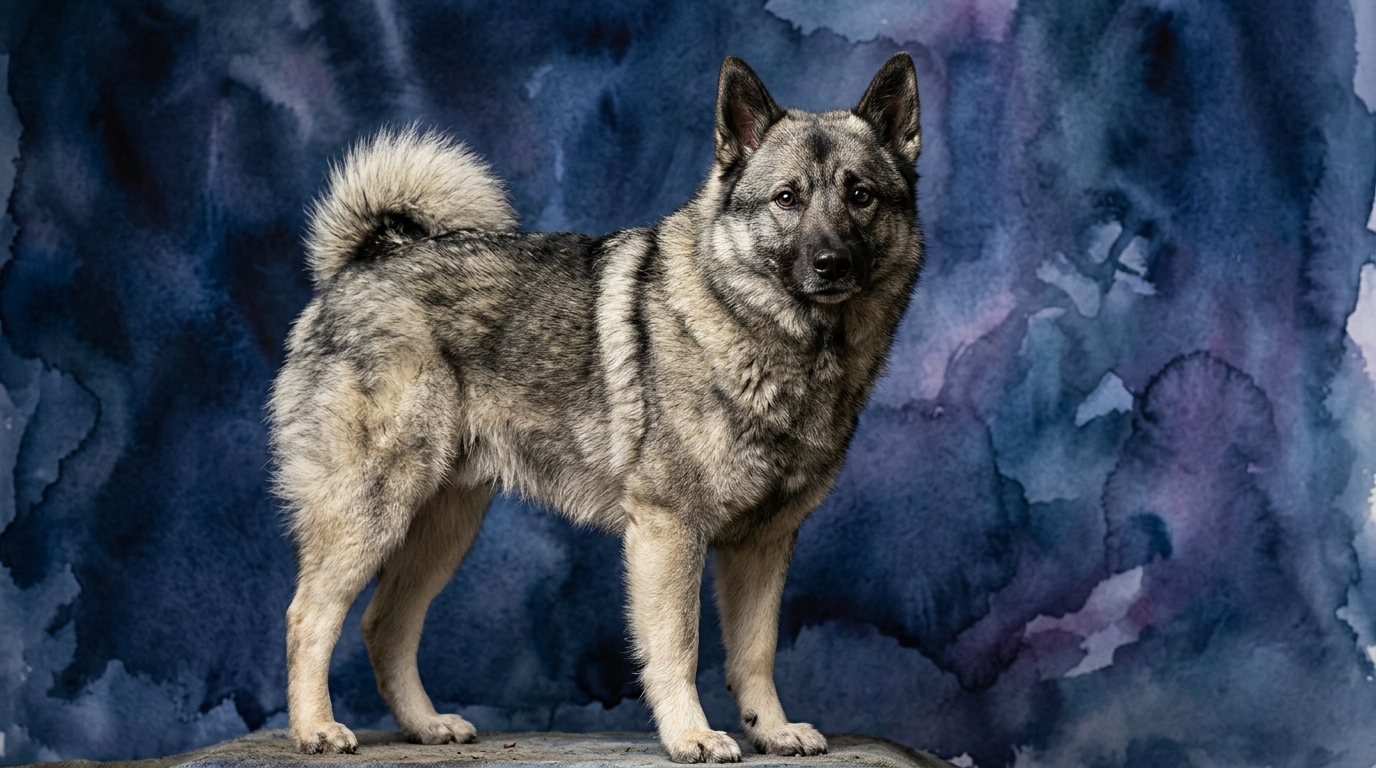
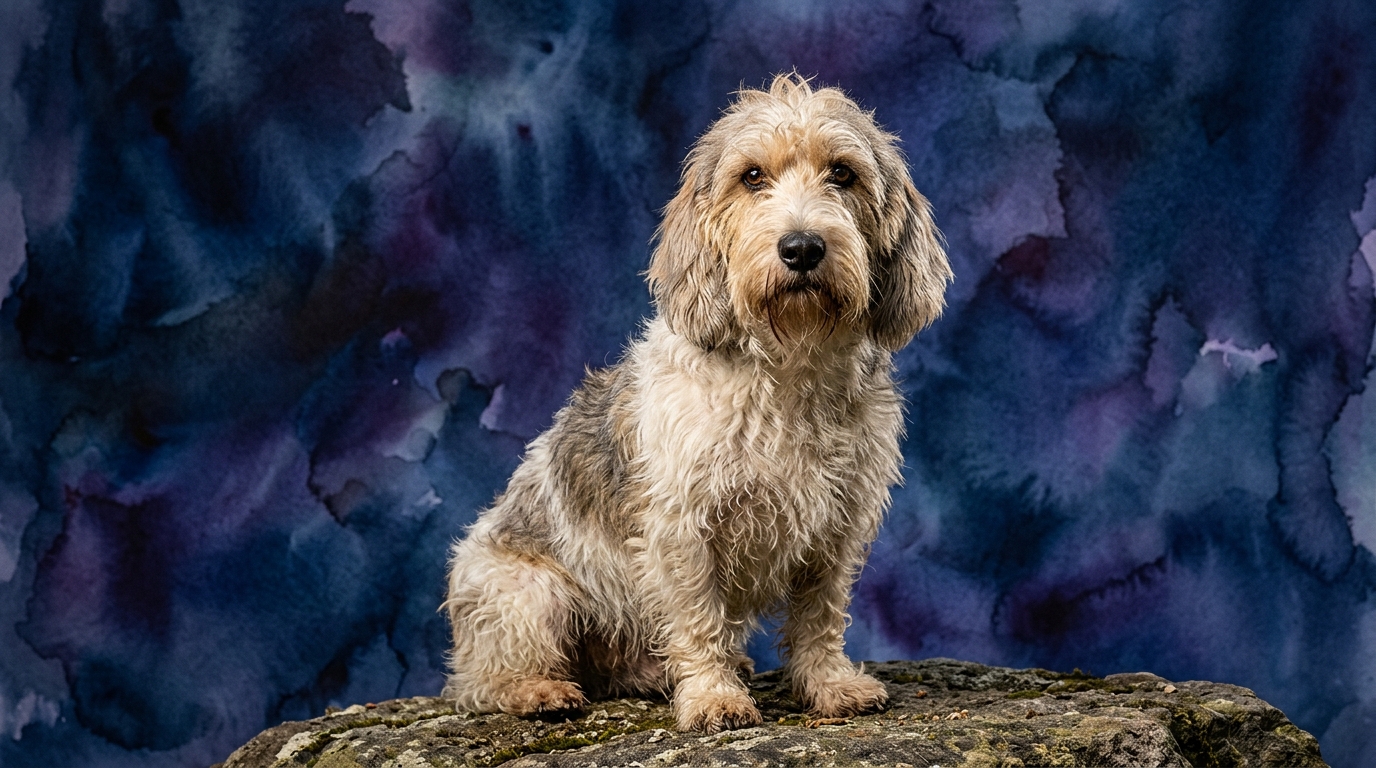
Side-by-Side IQ Profile: Elkhound vs. PBGV
At The Cosmic Pet Pet IQ Lab, we evaluate canine intelligence across five key dimensions. For the Norwegian Elkhound, a breed ranked #36 by Stanley Coren, and the Petit Basset Griffon Vendéen (PBGV), an unranked but distinctly capable hound, these scores illuminate their unique cognitive landscapes.
**Norwegian Elkhound:**
**Problem Solving (4/5):** This score indicates a strong capacity for independent thought and navigating complex situations. Elkhounds often devise strategies to overcome obstacles, whether opening a gate or locating a hidden toy, reflecting their historical need for quick decisions in challenging hunting terrains.
**Training Speed (4/5):** A high training speed suggests they grasp new commands and routines quickly. They are generally eager to learn and respond well to consistent, positive reinforcement, making them efficient students in obedience and advanced tasks.
**Social Intelligence (3/5):** This average score means they possess a solid understanding of social cues, both canine and human. They can interpret body language and vocalizations adequately, allowing them to integrate into family dynamics, though they might not be overtly people-pleasing.
**Instinctive Drive (3/5):** Their moderate instinctive drive reflects a balanced blend of inherent hunting behaviors and trainability. While they retain a strong prey drive and tendency to bark, these instincts are manageable with appropriate training and outlets.
**Memory (4/5):** A strong memory means Elkhounds retain learned information and experiences effectively, aiding in long-term command retention, remembering routes, and recalling associations with people or places.
**Petit Basset Griffon Vendéen (PBGV):**
**Problem Solving (3/5):** PBGVs exhibit a practical, task-oriented approach to problem-solving. While not as quick to strategize as an Elkhound, they are persistent, often relying on keen senses and determination to solve puzzles, especially those related to scent work.
**Training Speed (3/5):** This score suggests a steady, rather than rapid, learning pace. PBGVs are trainable but require patience and repetition. Their independent hound nature means they might take longer to connect a command with an action, often needing motivation that appeals to their inherent drives.
**Social Intelligence (3/5):** Like the Elkhound, PBGVs have a good grasp of social dynamics. They are typically outgoing and cheerful, capable of forming strong bonds with their human families and generally interacting well with other dogs, interpreting social signals without excessive difficulty.
**Instinctive Drive (3/5):** Their moderate instinctive drive is heavily centered around their scenting abilities. PBGVs possess a powerful urge to follow a trail, often tuning out other stimuli when a compelling scent presents itself, fundamental to their identity as a "scent hound."
**Memory (3/5):** PBGVs have a solid, functional memory, sufficient for learning routines and commands over time. They remember people and places, but perhaps not with the same detailed recall or speed of association as a breed with a 4/5 memory score; their memory primarily serves their tracking function.
Where the Norwegian Elkhound Excels Cognitively
The Norwegian Elkhound demonstrates clear cognitive advantages in areas demanding quick analytical processing and retention. Its 4/5 problem-solving score means an Elkhound is often adept at navigating novel situations, such as manipulating a latch or retrieving a toy from an awkward spot. This mental agility allows them to adapt rapidly to changing environments or unexpected challenges during activities like hiking or competitive dog sports. Furthermore, their 4/5 training speed translates into a more efficient learning curve for complex commands and multi-step tasks; an Elkhound might master a new agility sequence in fewer repetitions. Coupled with a 4/5 memory, this means once an Elkhound learns something, it tends to stick, reducing the need for constant re-training. This combination of swift learning and robust recall makes them particularly responsive to intricate training regimens and capable of intricate independent decision-making when given a task.
Where the Petit Basset Griffon Vendéen Excels Cognitively
While the PBGV's individual scores are generally 3/5, its cognitive profile represents a specific type of effective intelligence tailored to its heritage. Its 3/5 problem-solving, though not as swift as the Elkhound's, is characterized by tenacious, scent-driven persistence. A PBGV excels at solving 'scent puzzles,' demonstrating unwavering focus on a trail even amidst distractions, a critical specific problem-solving skill for a scenthound. This isn't about general strategic thinking, but about outlasting a scent trail. Their 3/5 instinctive drive, heavily weighted towards tracking, means they possess an unparalleled dedication to following their nose, a cognitive 'win' for tasks requiring sustained focus on olfactory information. While an Elkhound might quickly assess and plan, a PBGV methodically works through using its primary sense, exhibiting a different form of 'smart' that prioritizes sensory input and endurance. Their social intelligence at 3/5, combined with their cheerful disposition, allows them to 'win' in creating a vibrant, engaging social atmosphere, often acting as the life of the party and making them excellent companions in social settings.
Training Ease: Elkhound vs. PBGV
Comparing training ease, the Norwegian Elkhound generally presents a more straightforward experience due to its higher scores in training speed and memory. With a 4/5 in training speed, Elkhounds typically pick up new commands and cues with fewer repetitions. They process information quickly and are often keen to understand what is being asked, making advanced obedience or complex trick training more accessible. Their 4/5 memory ensures that once a behavior is learned, it is retained effectively over time, reducing the need for frequent refreshers. In contrast, the Petit Basset Griffon Vendéen, with a 3/5 training speed, requires more patience and consistency. PBGVs are trainable, but their independent hound nature often prioritizes environmental scents over a trainer's directives. They can be more easily distracted by a compelling smell, requiring a trainer to work harder to maintain focus. While they certainly learn, their process is often slower, necessitating shorter, more frequent sessions and highly motivating rewards. Real behavioral differences manifest as an Elkhound potentially excelling in an obedience ring with precision, while a PBGV might perform well but with a charming, independent streak, occasionally pausing to investigate an interesting scent.
Suitability for Active vs. Relaxed Owners
Both breeds, as hounds, possess an inherent need for activity, but their cognitive profiles suggest slightly different approaches to meeting these needs. The Norwegian Elkhound, with its 4/5 problem-solving and training speed, thrives with active owners who can provide consistent mental stimulation alongside physical exercise. These dogs benefit immensely from activities challenging their minds, such as advanced obedience, agility, tracking, or puzzle toys requiring strategy. A relaxed owner unable to provide sufficient mental engagement might find an Elkhound becoming bored, potentially leading to undesirable behaviors as it invents its own 'problems' to solve. Their moderate instinctive drive (3/5) means they enjoy exploring but are generally amenable to direction. The Petit Basset Griffon Vendéen also needs activity, suiting owners who appreciate a more free-spirited, scent-driven form of engagement. Their 3/5 instinctive drive, heavily leaning towards scent work, means they need opportunities to follow their nose—long walks in varied environments, supervised off-leash time in secure areas, or scent games are crucial. While they enjoy physical play, their mental stimulation often comes from processing olfactory information. A relaxed owner might find the PBGV's persistent tracking nature challenging if not given appropriate outlets. Both require daily exercise, but the *type* of engagement differs: Elkhound for structured mental tasks, PBGV for sensory exploration.
The Verdict
Opt for the Norwegian Elkhound if you seek a companion responsive to intricate training, eager for mental challenges, and capable of independent problem-solving in varied environments. They thrive with owners who can channel their sharp intellect into structured activities and advanced learning.
Choose the Petit Basset Griffon Vendéen if you appreciate a tenacious, scent-driven companion whose specific intelligence shines in olfactory exploration and persistent tracking. They are ideal for owners who enjoy providing ample opportunities for nose-work and celebrating their cheerful, independent spirit.
🧠 Find Your Pet's IQ Score
Our Pet IQ Lab assessment covers 25+ tests across 5 cognitive dimensions — personalized to your breed.
Take the Full IQ Test →Frequently Asked Questions
Does Coren ranking apply to the PBGV?
The Petit Basset Griffon Vendéen is not included in Stanley Coren's "The Intelligence of Dogs" ranking, which primarily focused on a survey of obedience judges. Its intelligence is better understood through its specific breed traits and functional scores, rather than a general obedience-centric ranking.
Are Norwegian Elkhounds good family dogs despite their hunting background?
Yes, Norwegian Elkhounds, with their 3/5 social intelligence, generally integrate well into family life, forming strong bonds. Their moderate instinctive drive means they need proper training and socialization to manage their prey drive and barking tendencies, ensuring a harmonious household.
How can I mentally stimulate a PBGV if they aren't as keen on complex problem-solving?
To mentally stimulate a PBGV, focus on activities that engage their powerful scent drive, such as scent work games, tracking, or simply allowing them ample time to explore new environments on a long lead. While they enjoy toys, their primary mental engagement comes from using their nose to investigate the world.