Side-by-Side Cognitive Profiles
At The Cosmic Pet Pet IQ Lab, we analyze canine cognition across five crucial dimensions: Problem Solving, Training Speed, Social Intelligence, Instinctive Drive, and Memory. Understanding these facets provides a nuanced view of a breed's intellectual landscape, helping prospective owners align their expectations with a dog's inherent abilities. While both the Norwegian Elkhound and the Schipperke are dogs of purpose, their cognitive strengths are distinctly tailored to their historical roles and inherent temperaments.
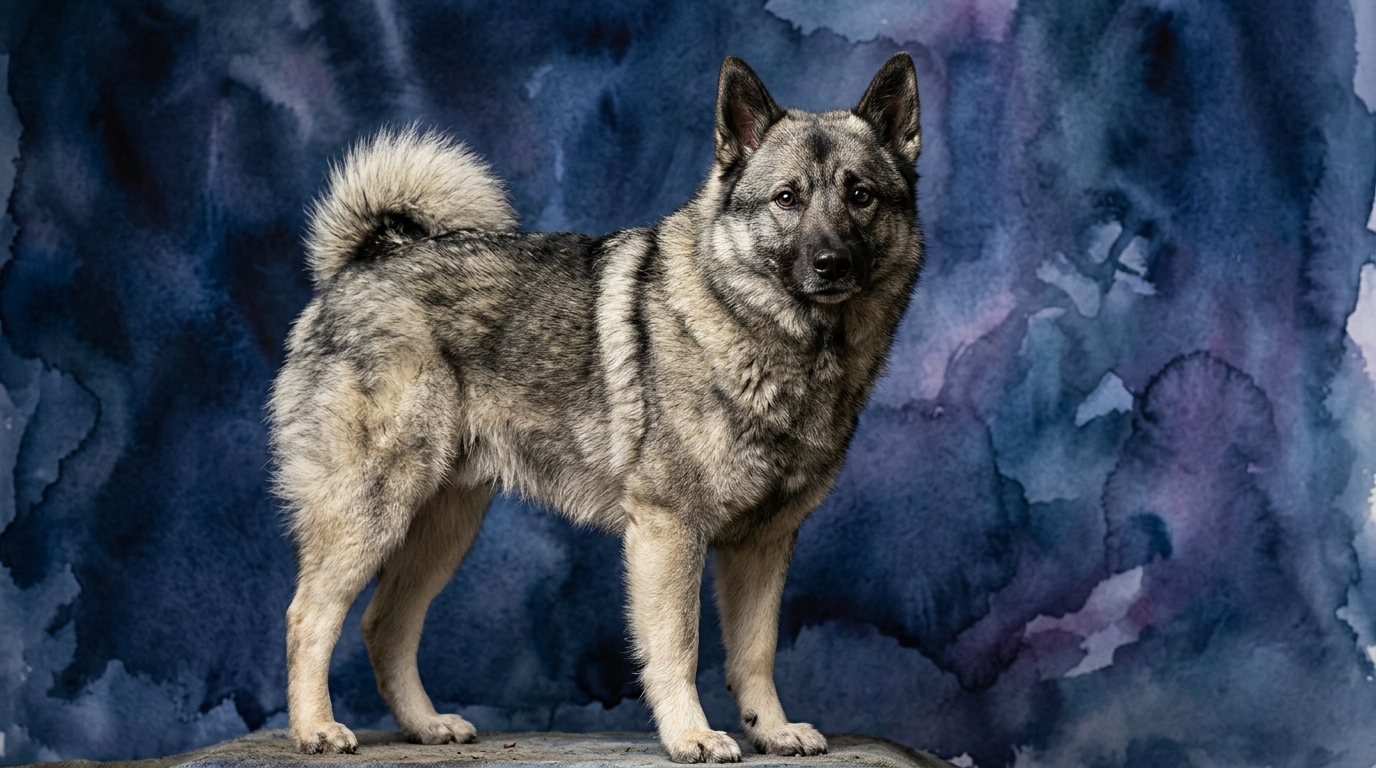
The Norwegian Elkhound, ranked Coren #36, exhibits a robust, independent mind. Its Problem Solving score of 4/5 reflects an aptitude for navigating complex outdoor environments, often relying on its own judgment to track and manage game. Training Speed, also at 4/5, indicates a good capacity for learning commands, though its independent streak means consistency is paramount. Social Intelligence sits at 3/5, suggesting a deep bond with its family but a reserved approach to strangers. Its Instinctive Drive of 3/5 highlights a keen sense of smell and a territorial nature, while a Memory score of 4/5 means it retains both experiences and training effectively.
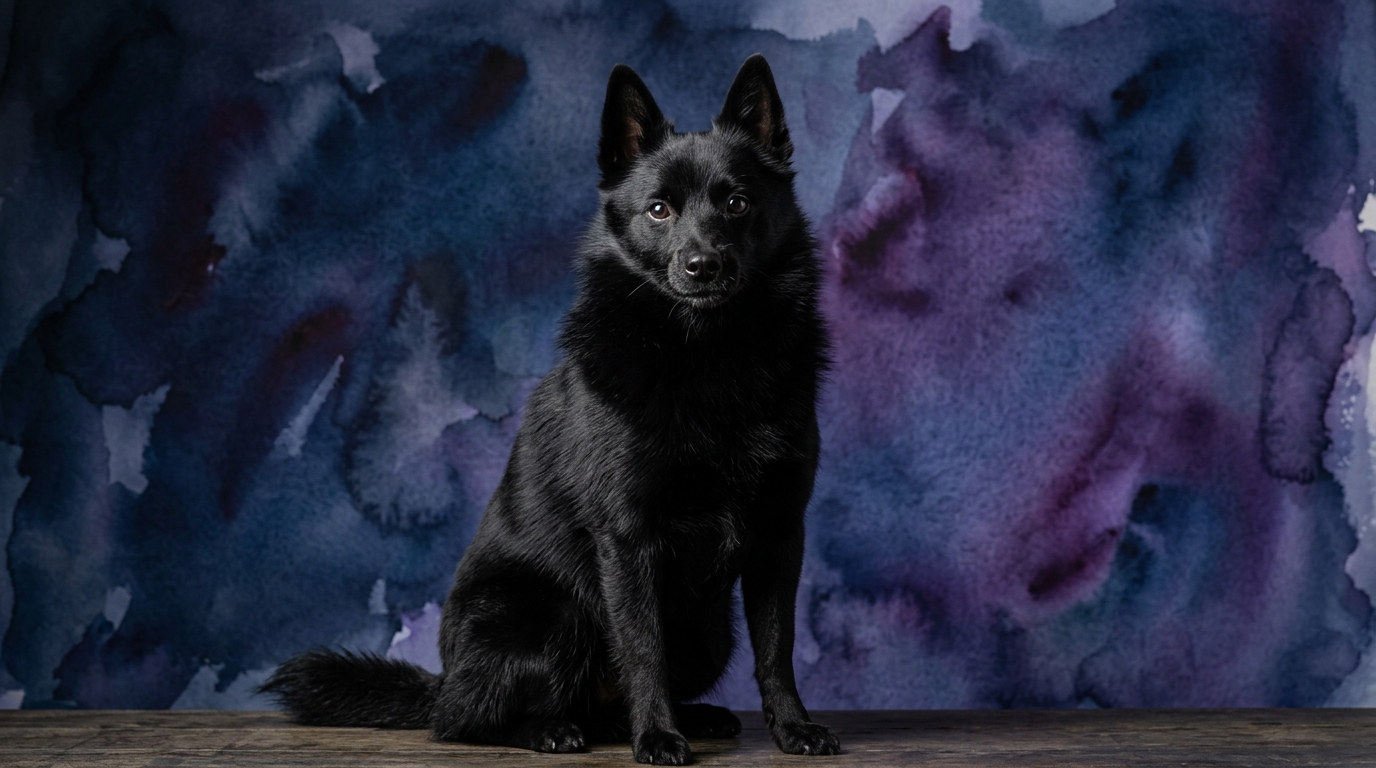
In contrast, the Schipperke, a more highly ranked breed at Coren #15, showcases a remarkably sharp and agile intellect. Its Problem Solving is a top-tier 5/5, indicating an exceptional ability to quickly analyze situations and devise ingenious solutions, often with a clever, sometimes mischievous, bent. Training Speed also achieves a perfect 5/5, demonstrating a rapid grasp of new commands and a strong desire for mental engagement. Social Intelligence, like the Elkhound, is 3/5, meaning it understands human cues but may test boundaries with its bold personality. An Instinctive Drive of 3/5 points to strong watchdog tendencies and a natural curiosity. Crucially, its Memory is a stellar 5/5, allowing it to recall specific details and learned behaviors with remarkable accuracy, making both good and bad habits deeply ingrained.
Where the Norwegian Elkhound Excels Cognitively
While the Schipperke might outrank it in raw cognitive scores, the Norwegian Elkhound possesses distinct intellectual advantages rooted in its heritage as a big-game hunter. Its 4/5 Problem Solving isn't about quick, cunning tricks, but rather a methodical, sustained approach to challenges in dynamic, natural settings. An Elkhound excels at tasks requiring endurance and independent decision-making over extended periods, such as scent tracking through varied terrain or navigating a long, complex trail without constant human direction. This breed's cognitive strength lies in its ability to maintain focus on a goal, systematically working through obstacles, a trait invaluable for its original purpose.
Furthermore, its 3/5 Social Intelligence, while not indicating extreme outgoingness, translates into a predictable and steadfast loyalty to its chosen family. This isn't a dog that will constantly try to outsmart its owner for personal gain; instead, its social interactions tend to be more straightforward and earnest. The Elkhound's independent nature in problem-solving often means it's less prone to separation anxiety than some more socially dependent breeds, as it is self-sufficient in its mental processing. Its 4/5 Memory supports this by allowing it to consistently recall the routines and boundaries established within its pack, contributing to a stable home environment once those parameters are clearly set.
Where the Schipperke Shines Cognitively
The Schipperke’s cognitive profile is a testament to its history as a clever, vigilant companion and rat catcher on Belgian barges. Its perfect 5/5 scores in Problem Solving, Training Speed, and Memory truly set it apart. This breed demonstrates an almost uncanny ability to quickly assess new situations and formulate solutions, often with a creative flair. A Schipperke isn't just solving a puzzle; it's often finding the most efficient, and sometimes most unexpected, path to success. This manifests in their capacity to quickly master complex sequences of commands, learn elaborate tricks, and even figure out how to open cabinets or doors with little effort.
Its exceptional Training Speed (5/5) means that new concepts are absorbed with remarkable rapidity. Owners often find themselves needing to stay several steps ahead, constantly introducing new challenges to keep this agile mind engaged. Coupled with its 5/5 Memory, a Schipperke will not only learn quickly but also retain that information for extended periods, making it a star pupil in obedience, agility, and rally. This memory also means they remember people, places, and specific events with surprising detail, often recognizing individuals they haven't seen in years. The Schipperke's cognitive strength lies in its sheer mental agility and capacity for intricate learning.
Training Dynamics: Elkhound vs. Schipperke
When it comes to ease of training, the raw scores suggest the Schipperke has a clear advantage, but the reality is more nuanced, hinging on an owner's approach. The Schipperke's 5/5 Training Speed means it picks up commands almost instantly. Its eagerness to engage mentally and its strong memory (5/5) allow it to excel in advanced obedience and trick training. However, this quick learning also applies to undesirable behaviors. A Schipperke will quickly learn that barking gets attention or that a certain door can be nudged open if not properly managed. Its bold 3/5 Social Intelligence can sometimes manifest as a stubborn streak, where it understands what is asked but may choose to comply only if it sees a clear benefit.
The Norwegian Elkhound, with its 4/5 Training Speed and 4/5 Memory, is certainly trainable, but requires a different methodology. Its independent hound nature means it might question the purpose of a command or prefer to follow its own nose. Owners often describe Elkhounds as needing to be 'convinced' rather than simply 'told.' Patience, consistency, and positive reinforcement are vital to overcome its occasional stubbornness. Unlike the Schipperke's rapid-fire learning, the Elkhound benefits from a more steady, repetitive approach that allows it to process and accept commands on its own terms. Real behavioral differences include the Elkhound's potential for being easily distracted by scents during training, contrasting with the Schipperke's intense focus on its handler when properly motivated.
Matching Canine Intellect to Owner Lifestyles
The cognitive profiles of these two breeds dictate different ideal owner lifestyles. For active owners seeking a companion for sustained outdoor activity, the Norwegian Elkhound is an excellent fit. Its methodical problem-solving and moderate instinctive drive are perfectly suited for long hikes, scent work, and exploring nature. An Elkhound thrives when its mind is engaged in purposeful, endurance-based activities that leverage its tracking abilities and stamina. While it appreciates mental enrichment, its needs lean more towards consistent, lengthy physical and sensory engagement rather than rapid-fire puzzle solving. Owners who enjoy a predictable routine and can provide ample outdoor exploration will find the Elkhound a loyal and capable partner.
Conversely, the Schipperke, with its exceptional problem-solving, training speed, and memory, is better suited for active owners who can provide intense, varied mental stimulation. This breed excels in dog sports like agility, rally, and advanced obedience, where its quick wit and eagerness to learn are put to good use. A Schipperke needs owners who are prepared to be creative with training, introduce new tricks regularly, and provide complex puzzle toys to prevent boredom. For more relaxed owners, neither breed is truly 'low maintenance' cognitively. An under-stimulated Elkhound might become destructive out of boredom, but an under-stimulated Schipperke, with its superior problem-solving and memory, can become a truly mischievous and ingenious nuisance, actively devising ways to entertain itself, often at the owner's expense. Its bold nature and quick learning require an owner who enjoys a challenge and can consistently channel its formidable intellect.
The Verdict
Choose the Norwegian Elkhound if you value a loyal, independent companion for consistent outdoor adventures and appreciate methodical problem-solving, coupled with patient, consistent training.
Opt for the Schipperke if you seek a quick-witted, highly trainable dog for complex mental challenges, trick training, and dog sports, and are prepared to channel its exceptional memory and resourceful intellect daily.
🧠 Find Your Pet's IQ Score
Our Pet IQ Lab assessment covers 25+ tests across 5 cognitive dimensions — personalized to your breed.
Take the Full IQ Test →Frequently Asked Questions
Are Schipperkes harder to live with due to their high IQ?
Their exceptional problem-solving and memory mean Schipperkes quickly learn both desired and undesired behaviors; consistent training and abundant mental enrichment are crucial to channel their intellect and prevent mischief.
Do Norwegian Elkhounds bark a lot because of their instincts?
Yes, their strong instinctive drive and territorial nature can lead to frequent alert barking, a trait deeply rooted in their history as vigilant watchdogs and hunters in Nordic landscapes.
Which breed is better for first-time dog owners?
Both breeds require dedicated owners. The Schipperke's rapid learning benefits from experienced trainers, while the Elkhound's independence needs patient, consistent guidance, making neither an ideal 'easy' first dog.