Side-by-Side Cognitive Profile
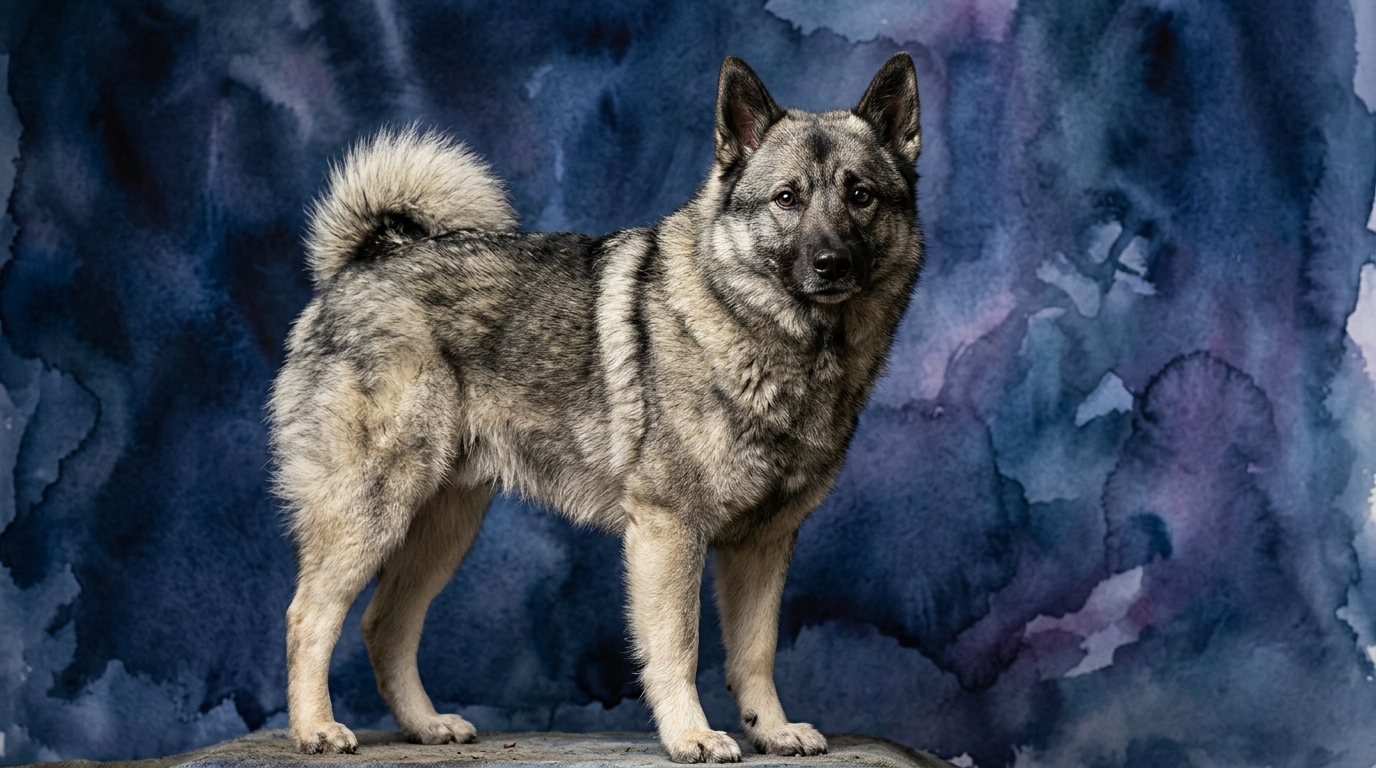
The Norwegian Elkhound, with its ancient lineage as a hunting dog, demonstrates a practical and resilient cognitive framework. Its problem-solving ability scores a respectable 4/5, indicating a capacity for independent thought and methodical approaches to challenges, particularly those rooted in their working heritage. Training speed for the Elkhound is also 4/5; they are capable learners but often require consistent, clear motivation and a strong relationship with their handler to fully engage. Social intelligence registers at 3/5, suggesting they are typically loyal and affectionate with their family but can be reserved or discerning around strangers. Their instinctive drive, at 3/5, reflects a moderate but present inclination towards activities like scent tracking or guarding. Finally, their memory, rated 4/5, allows them to retain complex commands and environmental information efficiently over time.
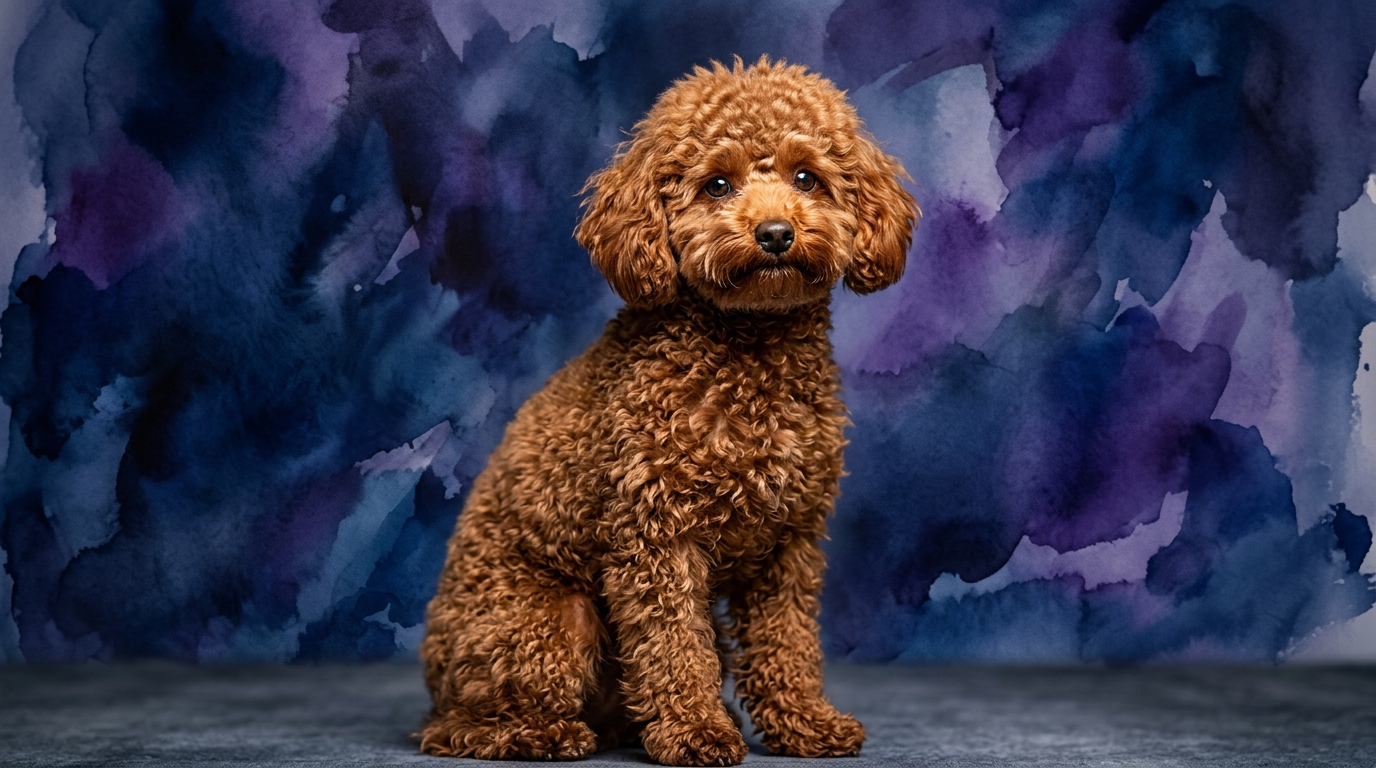
In contrast, the Toy Poodle, despite its diminutive size, possesses a highly adaptable and eager-to-please cognitive profile that often surprises those unfamiliar with the breed's historical working roles. Its problem-solving ability is exceptional, scoring a perfect 5/5, indicating a rapid capacity for understanding new situations and devising solutions. Training speed for the Toy Poodle is also 5/5, making them incredibly quick to grasp and execute new commands and routines, often thriving on consistent mental engagement. Their social intelligence, like the Elkhound, stands at 3/5; they are typically affable but can show discernment with unfamiliar individuals. An instinctive drive of 3/5 points to their historical retrieving instincts and general attentiveness. The Toy Poodle's memory is likewise outstanding at 5/5, enabling them to recall vast repertoires of learned behaviors and intricate sequences with remarkable accuracy.
Where the Norwegian Elkhound Excels Cognitively
The Norwegian Elkhound's cognitive strengths are deeply rooted in its heritage as a big-game hunter, requiring resilience and independent decision-making in challenging environments. While its problem-solving isn't as rapid as the Toy Poodle's, its 4/5 score reflects a persistence and methodical approach that is invaluable for tasks requiring sustained effort and self-reliance. An Elkhound might not instantly grasp a complex trick, but it can meticulously work through a scent trail or navigate unfamiliar terrain with an unwavering focus that a more human-dependent breed might lack. This breed’s cognitive framework supports a kind of practical intelligence geared towards survival and effective action in the field, where self-sufficiency trumps immediate human approval.
Their 4/5 memory score, combined with their instinctive drive, allows them to effectively remember territorial boundaries, preferred hunting routes, and the nuances of their outdoor environment. This isn't just about recalling obedience commands; it's about remembering a specific tree where a squirrel was spotted last week or the quickest way back to camp. This spatial and environmental memory, coupled with their moderate instinctive drive, makes them particularly adept at tasks like tracking or navigating, where a dog must utilize its senses and memory without constant human direction. Their cognitive makeup favors endurance and independent action over quick, flashy responses, making them robust thinkers in their own right.
Where the Toy Poodle Demonstrates Superiority
The Toy Poodle's cognitive advantages are evident in its exceptional scores across problem-solving, training speed, and memory, making it a standout in structured learning and complex interactions. Its 5/5 problem-solving ability means it can quickly analyze new situations, adapt its behavior, and figure out solutions with remarkable efficiency, whether it's opening a puzzle toy or understanding a novel command sequence. This rapid cognitive processing allows them to excel in environments that demand quick thinking and adaptability, making them highly versatile in various dog sports and advanced obedience work. They don't just learn; they synthesize information and apply it creatively.
Their perfect 5/5 scores in both training speed and memory solidify the Toy Poodle's position as a highly trainable and retentive breed. They absorb new information with minimal repetition and commit extensive repertoires of commands and tricks to memory, often remembering them years later. This capacity for rapid learning and recall makes them incredibly responsive to nuanced cues and capable of performing intricate routines. Unlike some breeds that might require understanding the 'why' behind a command, Toy Poodles are often motivated by the act of learning and pleasing their handler, making their cognitive engagement both profound and readily accessible for educational purposes. This translates into a dog that can master a wide array of skills and adapt swiftly to new challenges.
Training Dynamics: Elkhound vs. Toy Poodle
When it comes to ease of training, the Toy Poodle (5/5 training speed, 5/5 memory) generally presents a more straightforward experience than the Norwegian Elkhound (4/5 training speed, 4/5 memory). The Toy Poodle's innate eagerness to please and quick cognitive processing mean they pick up new commands and routines with remarkable speed and retain them consistently. They thrive on positive reinforcement and mental challenges, often finding great joy in the learning process itself. Their responsiveness makes them excellent candidates for advanced obedience, agility, and trick training, where precision and rapid execution are prized. They are often highly motivated by interaction and praise, making training sessions engaging and productive.
The Norwegian Elkhound, while certainly capable of learning, requires a more patient and nuanced approach. Their 4/5 training speed indicates they learn effectively, but their hound heritage instills a degree of independence and a strong will. An Elkhound might question the necessity of a command or decide that an interesting scent in the environment is more compelling than the task at hand. This isn't a lack of intelligence but rather a different motivational framework; they often need to understand the 'why' or be convinced that complying is in their best interest. Training an Elkhound demands consistency, firm but fair leadership, and creative motivation to harness their independent spirit rather than trying to suppress it. Their memory (4/5) ensures they will remember what they've learned, but their compliance might vary based on context and their own assessment of the situation.
Matching Breeds to Lifestyles
The Norwegian Elkhound is an ideal companion for active owners who appreciate a dog with a robust physical presence and a degree of self-reliance. Their background as working dogs means they thrive on regular, vigorous exercise and mental stimulation that taps into their instincts, such as long hikes, scent work, or even dog sports that require endurance. Owners who lead an outdoorsy lifestyle and are prepared to provide consistent, engaging activities will find a loyal and resilient partner in the Elkhound. Their independent nature also means they can be content with slightly less constant interaction than some breeds, as long as their physical and mental needs are met through structured activities and ample outdoor time. They suit households that can provide space for their activity and appreciate a dog that is a capable, albeit sometimes opinionated, companion.
The Toy Poodle, while adaptable, truly thrives with owners who are prepared to provide consistent mental engagement and social interaction, regardless of their own activity level. Physically, their exercise needs are more manageable due to their size, making them suitable for various living situations, from apartments to homes with yards. However, their exceptional cognitive abilities mean they require owners who will commit to ongoing training, puzzle toys, and interactive play to prevent boredom. They are highly attuned to their human companions and prefer to be involved in family activities, making them excellent choices for owners who want a versatile, attentive, and highly trainable partner for everything from daily errands to dog sports. They can suit both active and more relaxed owners, provided the 'relaxed' aspect doesn't extend to neglecting their significant mental stimulation requirements.
The Verdict
Choose the Norwegian Elkhound if you seek a resilient, independent companion for outdoor adventures and appreciate a dog with a methodical approach to challenges and a strong will.
Opt for the Toy Poodle if you prioritize rapid trainability, a highly adaptable partner for diverse activities, and a canine that excels in structured learning environments and intricate tasks.
🧠 Find Your Pet's IQ Score
Our Pet IQ Lab assessment covers 25+ tests across 5 cognitive dimensions — personalized to your breed.
Take the Full IQ Test →Frequently Asked Questions
Do Norwegian Elkhounds genuinely struggle with training compared to Toy Poodles?
While Elkhounds are capable learners (4/5 training speed), their independent hound nature means they often require more consistent motivation and a clearer understanding of the purpose behind commands than the eager-to-please Toy Poodle (5/5 training speed). Their learning style is more about collaboration and conviction rather than immediate compliance, which can be perceived as 'struggling' by those accustomed to more biddable breeds.
How does their social intelligence compare?
Both breeds score 3/5 in social intelligence, suggesting they are generally good with their immediate family and familiar individuals but may exhibit some reserve or discernment when interacting with strangers. Neither is typically overly effusive with everyone they meet, preferring to form strong bonds with their inner circle and approaching new acquaintances with a degree of caution or observation.
What kind of mental enrichment is best for each breed's problem-solving abilities?
For the Norwegian Elkhound, scent work, tracking games, and independent puzzle toys that require sustained effort and mimic their natural hunting behaviors are excellent for their problem-solving. For the Toy Poodle, complex obedience routines, agility, advanced trick training, and interactive puzzle feeders that demand quick thinking and adaptability are ideal to challenge their superior cognitive abilities and rapid learning.