Side-by-Side Cognitive Profiles: Decoding Identical Scores
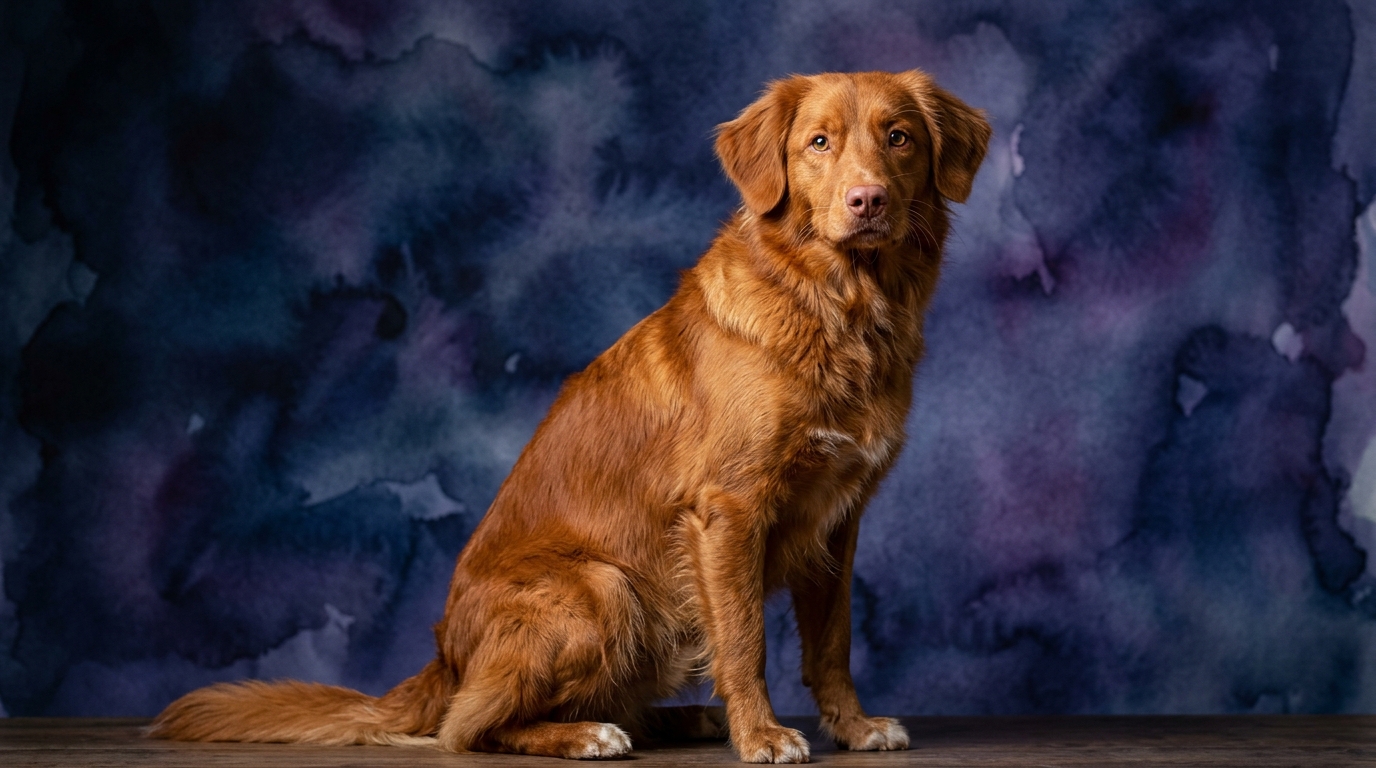
For the Nova Scotia Duck Tolling Retriever, a 3/5 in problem-solving manifests in their strategic approach to luring waterfowl and efficient retrieval, adapting to dynamic water environments. Their 3/5 training speed reflects a capacity to quickly absorb complex multi-step commands and hand signals, essential for a cooperative hunting partner. Social intelligence, also 3/5, is evident in their strong desire to work collaboratively with a handler, keenly reading human cues. An instinctive drive of 3/5 is centered on their innate prey drive for birds and retrieving, channeled into specific, productive tasks. Finally, their 3/5 memory is crucial for recalling specific fallen bird locations and consistently executing learned command sequences.
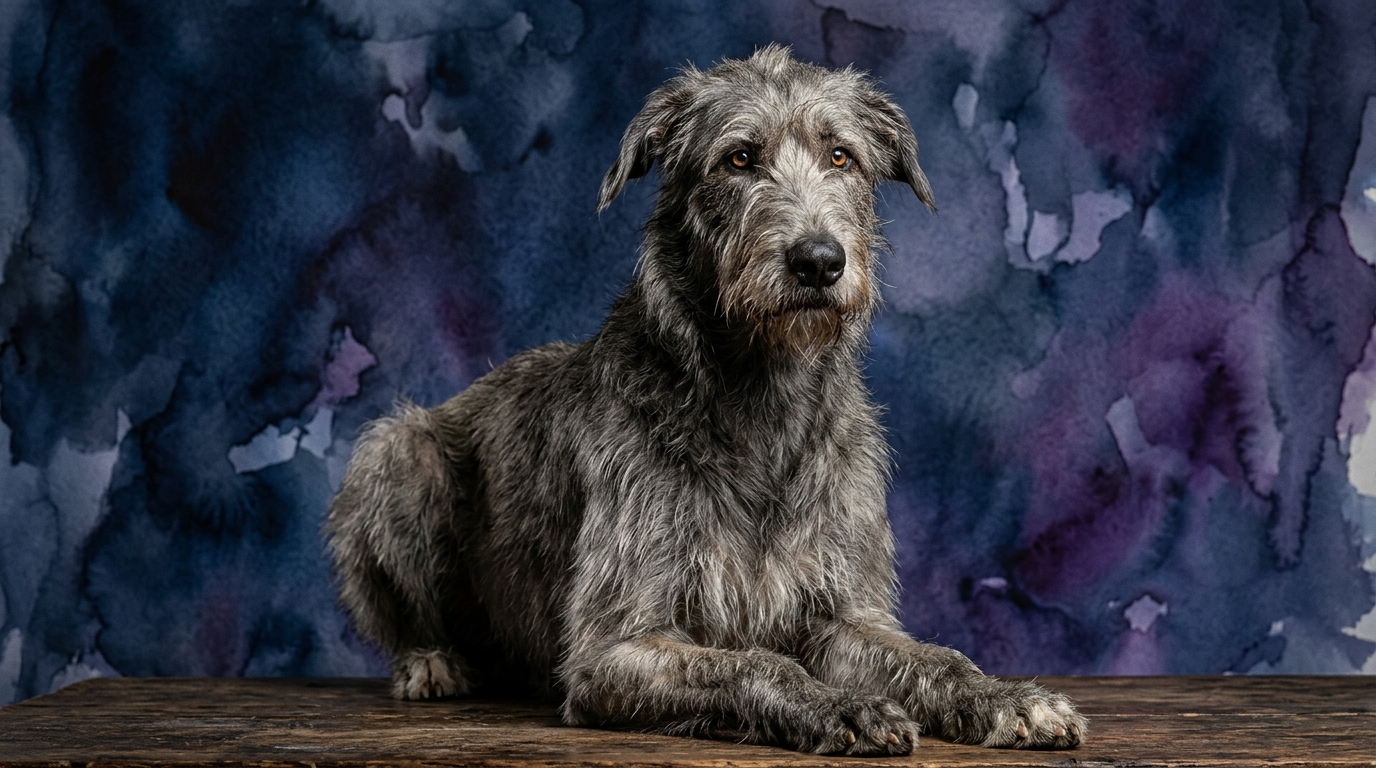
The Irish Wolfhound's 3/5 problem-solving is expressed in their ability to independently track and corner large prey across vast landscapes, making autonomous decisions regarding pursuit and threat assessment. Their 3/5 training speed indicates a steady learning pace, though their hound independence means they may process commands with deliberation, often prioritizing instinct. Social intelligence, also 3/5, is characterized by a dignified, often reserved interaction with strangers but profound loyalty and affection for their family, understanding subtle human emotions without constant direction. Their 3/5 instinctive drive is dominant in powerful sight-hunting and pursuit of large game, relying on speed and vision for independent chase. A 3/5 memory is vital for recalling extensive hunting grounds, recognizing individuals after long absences, and adapting to environmental changes.
Where the Nova Scotia Duck Tolling Retriever Shines Cognitively
The Toller's cognitive strength lies in its exceptional task-oriented focus and biddability within cooperative work. Their 3/5 in problem-solving is finely tuned for dynamic environmental challenges alongside a handler, such as judging currents to retrieve a duck or adapting their 'toll' to attract wary birds. Their 3/5 social intelligence manifests as a palpable eagerness to please and work collaboratively, making them outstanding partners in structured activities where precision and responsiveness are key. This cooperative spirit ensures their 3/5 training speed allows for relatively quicker acquisition of complex sequences when motivation aligns with handler direction and praise.
Furthermore, their 3/5 instinctive drive is highly specific and readily channelable. It's not just a general prey drive but a focused instinct to retrieve and 'toll,' which can be directed into various dog sports like obedience, agility, or actual hunting scenarios. Their memory, while rated 3/5, is particularly adept at recalling intricate command sequences and marking the fall of multiple birds, demonstrating a working memory tailored for sequential tasks and precise location recall in a dynamic field setting, consistently performing under pressure.
Where the Irish Wolfhound Excels in Cognitive Application
The Irish Wolfhound's cognitive strengths, though also rated 3/5, are distinctively geared towards independent judgment and self-reliance. Their problem-solving, a 3/5, is expressed in navigating complex terrain and making autonomous decisions during a pursuit, assessing the best line of attack or defense against a large animal without constant human instruction. This reflects a different type of cognitive processing, emphasizing independent strategic thinking over collaborative execution. Their social intelligence, while also 3/5, leans towards quiet observation and forming deep, discerning bonds with their immediate family, often displaying a dignified aloofness towards strangers that suggests a nuanced understanding of social dynamics.
The Wolfhound's 3/5 training speed is often tempered by their hound nature, meaning they learn at a steady pace but require a strong 'why' and consistent, positive reinforcement to overcome their inherent independence. Their 3/5 instinctive drive is overwhelmingly focused on sight-hunting and pursuit, a drive that demands vast spaces and can be less amenable to redirection into highly structured, repetitive tasks compared to a retriever's. Their memory, also 3/5, is particularly strong in recalling spatial layouts, recognizing individuals after long absences, and remembering past experiences, which contributes to their stable, thoughtful demeanor and ability to adapt to changes in their environment over time.
Training Dynamics: Biddability vs. Independence
When comparing ease of training, the Nova Scotia Duck Tolling Retriever generally presents a more straightforward experience for the average owner. Their 3/5 training speed is coupled with a strong desire to please and a natural inclination towards cooperative work, stemming from their role as a hunter's companion. They respond well to positive reinforcement and find satisfaction in mastering tasks alongside their handler. This inherent biddability means they often pick up basic obedience and more advanced commands with enthusiasm, making them suitable for various dog sports and working roles where precise execution is valued and consistent interaction is provided.
The Irish Wolfhound, while possessing a 3/5 training speed, often requires a different approach due to their independent nature. Their historical role as an autonomous hunter means they possess a strong will and a tendency to evaluate commands before complying, rather than simply reacting. This doesn't imply a lack of capacity, but rather a different motivational structure. Owners must be patient, consistent, and utilize reward-based methods that appeal to the Wolfhound's thoughtful nature. While they learn, their independent streak means they might not always execute commands with the same enthusiastic precision as a Toller, especially if they perceive a more interesting alternative, such as a distant scent or movement.
Lifestyle Compatibility: Active Engagement vs. Thoughtful Companionship
For active owners seeking a dynamic partner, the Nova Scotia Duck Tolling Retriever is an excellent match. Their 3/5 instinctive drive for retrieving and their general zest for life demand consistent physical and mental engagement. They thrive on activities like long hikes, swimming, fetch, and dog sports such as agility, flyball, or dock diving. Their 3/5 problem-solving and social intelligence make them eager participants in new challenges, forming a strong working bond with owners who provide ample opportunities for their energy and intellect to be channeled productively. A Toller without sufficient outlets can become restless or engage in unwanted behaviors, underscoring their need for an engaged lifestyle.
Conversely, the Irish Wolfhound often suits more relaxed owners who appreciate a calm, dignified presence indoors. While they require regular exercise to maintain their large frames, their exercise needs are typically less intense and sustained than a Toller's; short, brisk walks or trots are usually sufficient, rather than prolonged, high-impact activities. Their 3/5 social intelligence manifests in a deep, quiet affection for their family, making them superb companions for those who enjoy a gentle giant. Their independent problem-solving and instinctive drive mean they appreciate large, secure outdoor spaces for occasional exploration, but are generally content to lounge and observe, making them a good fit for homes that can accommodate their size but not necessarily constant high-octane activity.
The Verdict
Choose the Nova Scotia Duck Tolling Retriever if you desire an engaged, biddable partner for active pursuits and cooperative training, thriving on structured tasks and consistent interaction.
Opt for the Irish Wolfhound if you seek a calm, independent, and deeply loyal companion who values quiet affection and dignified presence, requiring patient guidance and suitable space.
🧠 Find Your Pet's IQ Score
Our Pet IQ Lab assessment covers 25+ tests across 5 cognitive dimensions — personalized to your breed.
Take the Full IQ Test →Frequently Asked Questions
Do Nova Scotia Duck Tolling Retrievers bark a lot?
Tollers can be vocal, using barks, 'toller screams,' and whines to express excitement, alert their owners, or during play. This vocal tendency is part of their expressive nature and can be managed with consistent training, channeling their communication effectively.
Are Irish Wolfhounds good with children and other pets?
Generally, Irish Wolfhounds are known for their gentle and patient demeanor with children and can coexist peacefully with other pets if properly socialized from a young age. Their immense size, however, means supervision is always necessary with very young children to prevent accidental bumps or knocks.
What kind of mental stimulation do these breeds need?
Tollers benefit from puzzle toys, training sessions, and interactive games that tap into their retrieving and problem-solving instincts, keeping their active minds engaged. Wolfhounds appreciate opportunities for exploration in secure areas, scent work, and consistent, calm training that respects their independent nature and thoughtful approach to learning.