Side-by-Side IQ Profile: Toller vs. Tibbie
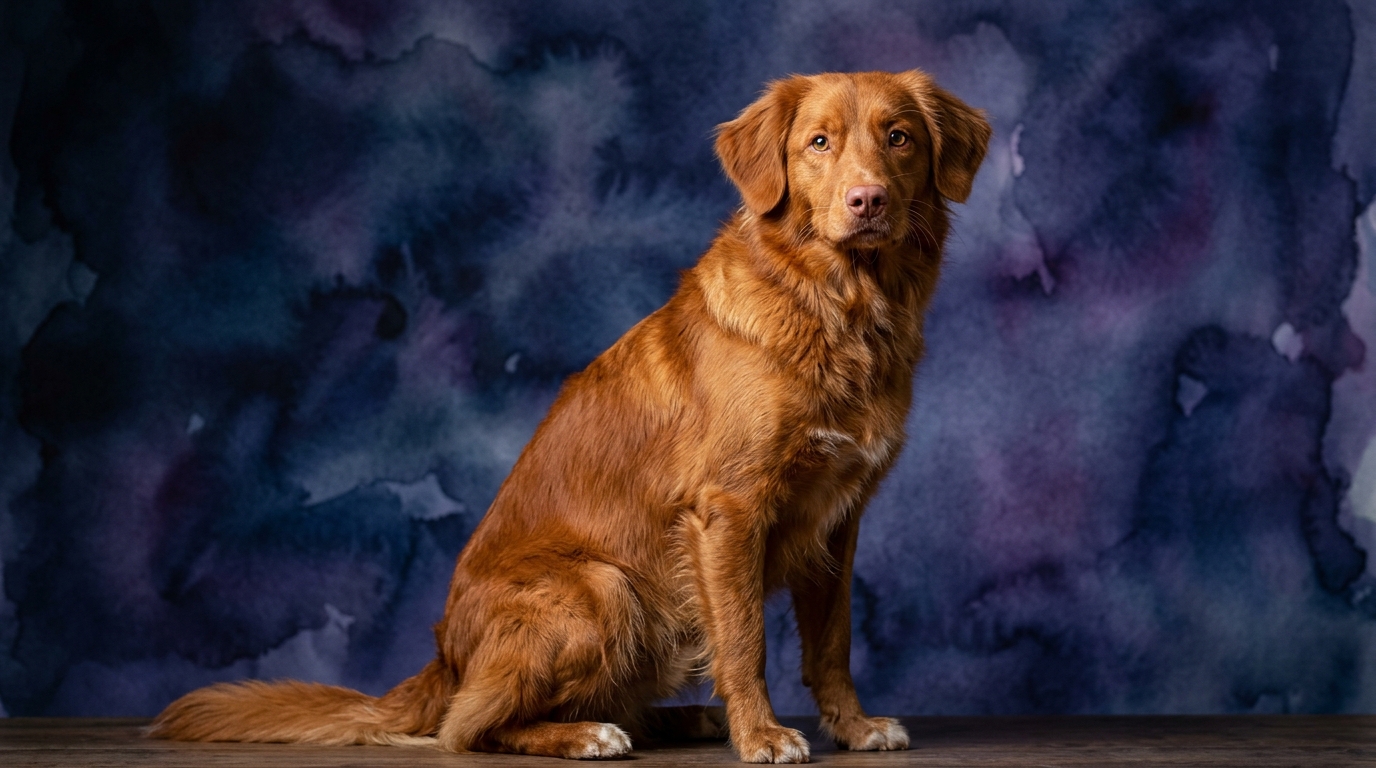
The Nova Scotia Duck Tolling Retriever, a Sporting group dog, brings a specific application of its cognitive abilities to the forefront. Their Problem Solving at 3/5 is typically expressed in practical, goal-oriented tasks, such as devising strategies to retrieve objects from challenging environments or navigating complex scent trails. This isn't abstract thought, but rather an efficient, physical approach to achieving a desired outcome, often driven by their innate desire to work. Their Training Speed, also at 3/5, reflects a moderate learning pace coupled with an eagerness to engage with their handler, making them receptive to consistent, positive reinforcement, though they may test boundaries if not properly motivated. Social Intelligence, rated 3/5, indicates a balanced understanding of pack dynamics and human cues, fostering strong family bonds while retaining a discerning approach to strangers. A prominent 3/5 Instinctive Drive is deeply rooted in their luring and retrieving heritage, manifesting as a strong prey drive, a natural inclination to carry, and sustained stamina for repetitive, purposeful tasks. Finally, their Memory at 3/5 is reliable for recalling commands, routines, and the placement of items, crucial for their effectiveness in field work and advanced obedience.
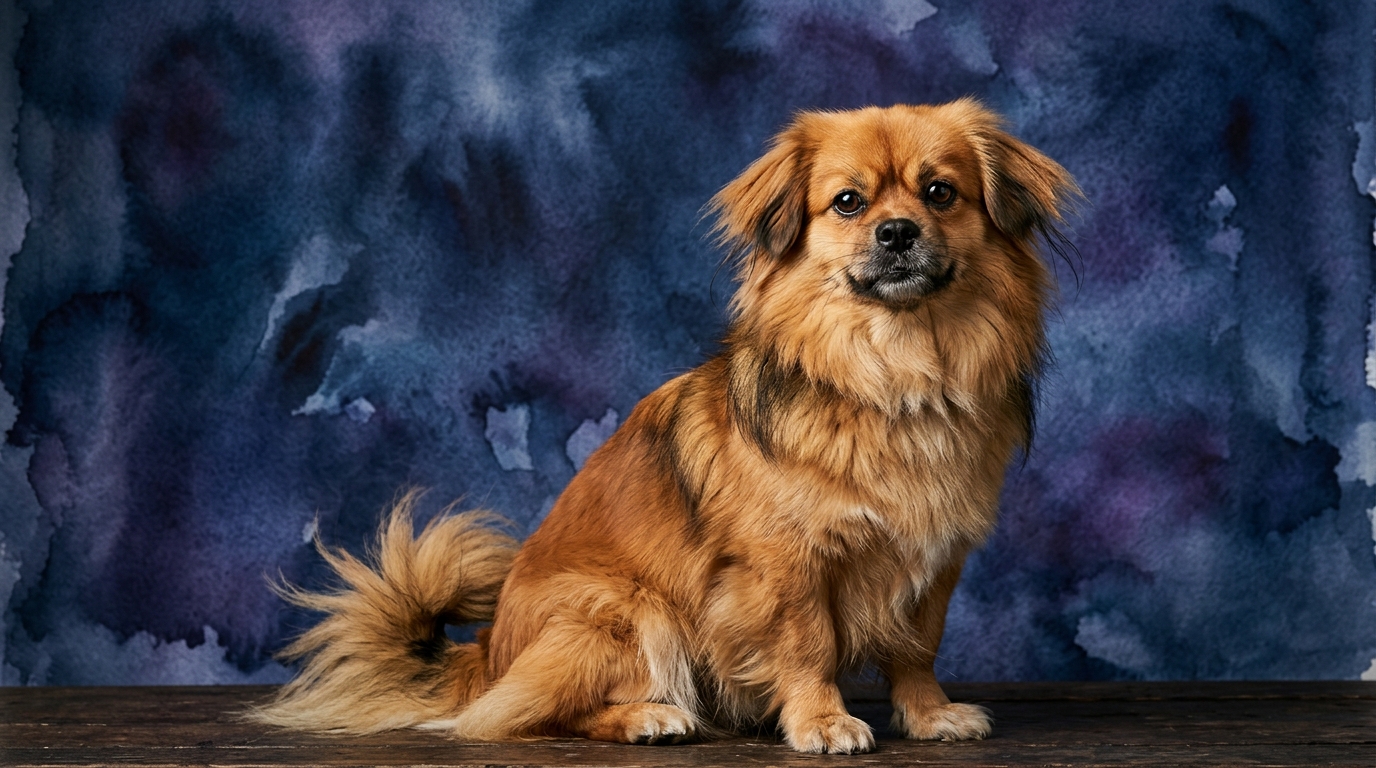
The Tibetan Spaniel, a Non-Sporting breed, demonstrates a distinct cognitive profile despite sharing the same 3 out of 5 ratings. Their Problem Solving at 3/5 leans towards shrewd observation and environmental manipulation, often focused on optimizing comfort or gaining advantage within the home. This might involve strategically positioning themselves for warmth, finding a high vantage point, or subtly influencing human behavior to achieve their desires, rather than engaging in physical challenges. Their Training Speed, also 3/5, means they can grasp concepts at a moderate pace, but their independent spirit often dictates when and if they choose to comply. Training requires patience and creativity, as they respond best when tasks feel personally rewarding or like a game. The Tibbie’s Social Intelligence, rated 3/5, is finely tuned to human emotions and household atmospheres, making them highly perceptive companions who form deep, loyal bonds with their family while remaining reserved with outsiders. Their 3/5 Instinctive Drive is primarily geared towards vigilance, companionship, and comfort, manifesting as a desire for elevated perches, close proximity to their humans, and a discerning watchfulness over their domain. Their Memory, also 3/5, is robust for routines, favored individuals, and past experiences, contributing to their adaptability as a devoted companion.
Where the Nova Scotia Duck Tolling Retriever Excels Cognitively
While both breeds share identical numerical scores, the Toller's cognitive strengths distinctly align with active, task-oriented pursuits, making their 3/5 in Problem Solving particularly adept for practical challenges. This isn't about abstract thought, but rather about efficient, physical strategy to achieve a goal, like navigating obstacles to retrieve a decoy or working through a scent trail. This direct application of intellect makes them particularly strong candidates for canine sports such as agility, obedience, and especially scent work, where their focus on a tangible outcome shines through their energetic engagement.
The Toller’s 3/5 Instinctive Drive gives them a clear advantage in sustained, purposeful activity. This isn't merely a physical attribute; it's a cognitive commitment to a task, fostering an innate understanding of working partnerships. They consistently engage with their handler to complete complex sequences, demonstrating a focused determination that is a hallmark of their breed. Their Memory, also at 3/5, is finely tuned for recalling intricate patterns of retrieves and commands, making them reliable partners in environments demanding sequential actions and consistent performance under varied and often dynamic conditions.
Where the Tibetan Spaniel Excels Cognitively
The Tibetan Spaniel, with its matching 3/5 in Problem Solving, exhibits a different kind of cognitive advantage, rooted in acute observation and social navigation. Their problem-solving often involves understanding human behavior and environmental nuances to secure comfort or attention, such as figuring out the optimal time to solicit a lap cuddle or how to get their favorite treat. This subtle, strategic thinking is less about brute force and more about clever social engineering, enabling them to navigate their domestic world with remarkable perceptiveness.
The Tibbie’s 3/5 Social Intelligence is a standout, allowing them to excel in the role of a sensitive companion. They possess a keen ability to read human emotions and household atmospheres, often anticipating needs or reacting to moods with appropriate responses, whether it's offering quiet comfort or playful distraction. Their 3/5 Instinctive Drive manifests as acute watchfulness and a deep bond with their family, making them superb, albeit small, guardians who use their observational skills to discern friend from perceived foe, often with a well-timed alert bark rather than physical confrontation.
Training Ease: Toller vs. Tibbie
Despite both breeds scoring 3/5 in Training Speed, the practical experience of training them diverges significantly due to their underlying motivations and drives. The Nova Scotia Duck Tolling Retriever generally approaches training with an eager-to-please attitude and a strong desire for a job, which stems from their 3/5 Instinctive Drive to work collaboratively. They thrive on positive reinforcement and clear directives, seeing training as a rewarding partnership. While they can be energetic and need consistent engagement, their focus tends to be on the task at hand, making them relatively straightforward for owners who understand working breeds and can channel their drive effectively.
Conversely, the Tibetan Spaniel's 3/5 Training Speed is often tempered by their independent nature and their distinct 3/5 Instinctive Drive for self-preservation and comfort. They learn readily but may choose when and if to comply, particularly if a task seems arbitrary or lacks immediate reward from their perspective. Training a Tibbie requires immense patience, creativity, and a deep understanding of their subtle persuasion tactics. They respond best to positive methods that make training feel like a game or a mutually beneficial exchange, rather than a command-and-obey dynamic. Their social intelligence means they understand what you want, but their independent streak means they’ll weigh whether it’s worth their effort, often requiring a more nuanced approach from their trainer.
Lifestyle Match: Active Owners vs. Relaxed Owners
For active owners seeking a canine partner for outdoor adventures, sports, or dedicated training, the Nova Scotia Duck Tolling Retriever is typically the more fitting choice. Their consistent 3/5 across all IQ dimensions, particularly their robust Instinctive Drive, means they thrive on regular, vigorous exercise and mental challenges. They are well-suited for owners who enjoy hiking, running, dog sports like agility or dock diving, and who can provide structured activities that tap into their natural retrieving and problem-solving abilities. Without sufficient engagement, their considerable energy and intellectual capacity can lead to boredom and undesirable behaviors.
In contrast, the Tibetan Spaniel is an excellent match for more relaxed owners who appreciate a perceptive and affectionate companion without the demands of high-energy activities. While they enjoy walks and playtime, their 3/5 Instinctive Drive is geared more towards social interaction, observation, and comfortable companionship than strenuous physical exertion. They are content to share a couch, watch the world from a window, and offer subtle emotional support. Their problem-solving and social intelligence are perfectly suited to navigating a home environment and enriching the lives of owners who value a calm, observant, and deeply bonded pet.
The Verdict
Choose the Nova Scotia Duck Tolling Retriever if you are an active individual or family seeking a dedicated working partner for sports, outdoor activities, and consistent training, appreciating a dog that thrives on purposeful engagement.
Opt for the Tibetan Spaniel if you desire a perceptive, independent, and affectionate companion who excels in a more relaxed home environment, offering subtle social interaction and watchful companionship.
🧠 Find Your Pet's IQ Score
Our Pet IQ Lab assessment covers 25+ tests across 5 cognitive dimensions — personalized to your breed.
Take the Full IQ Test →Frequently Asked Questions
Do both breeds require a lot of mental stimulation?
Yes, both breeds benefit from mental engagement, though the nature differs. Tollers need structured tasks and problem-solving related to their working drives, while Tibbies thrive on observational challenges, social interaction, and environmental enrichment within their home.
Are Nova Scotia Duck Tolling Retrievers good with children?
Tollers can be good with respectful children, especially if raised together and properly socialized. Their energy and playfulness need to be managed, and supervision is always recommended to ensure appropriate interactions.
How do Tibetan Spaniels typically react to strangers?
Tibetan Spaniels are generally reserved with strangers, a trait stemming from their historical watchdog role. They may bark to alert their family but are rarely aggressive, preferring to observe new people from a safe distance before deciding to engage.