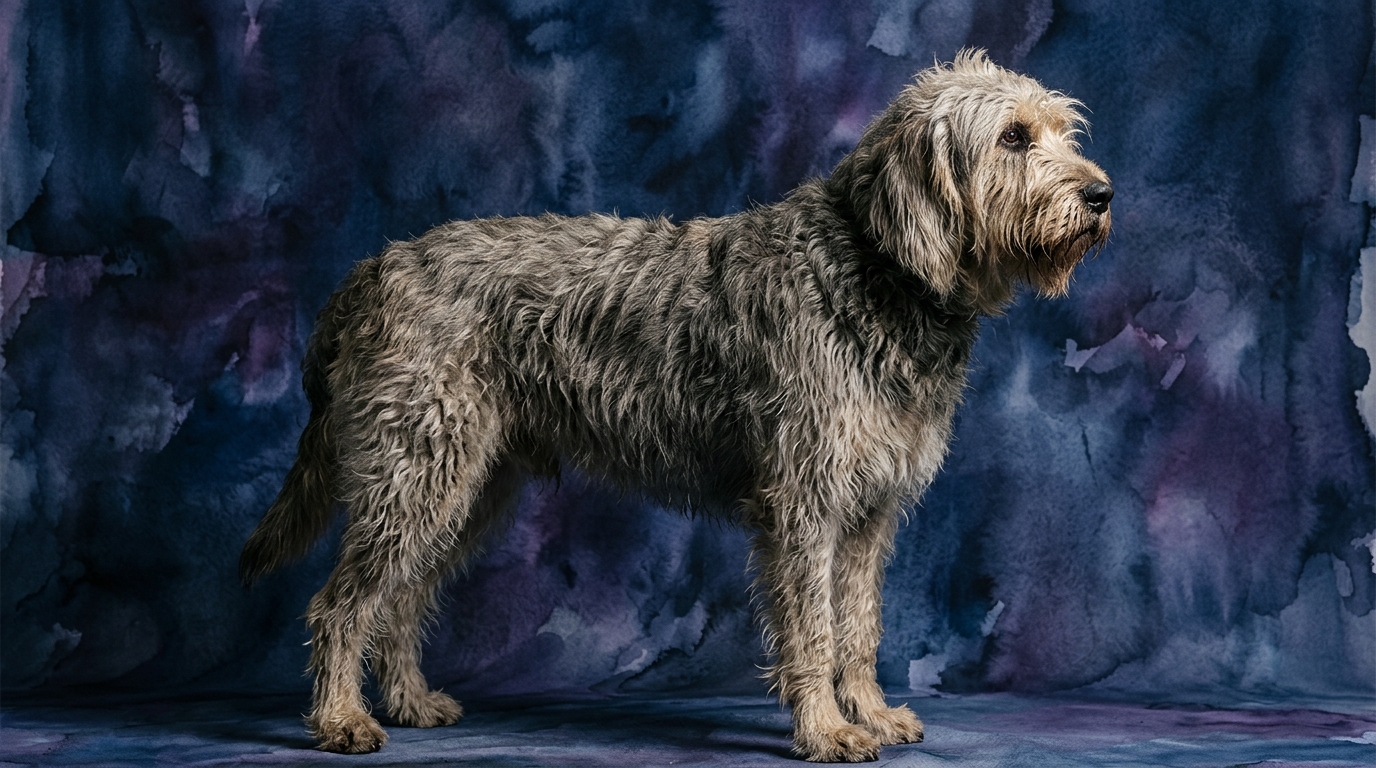
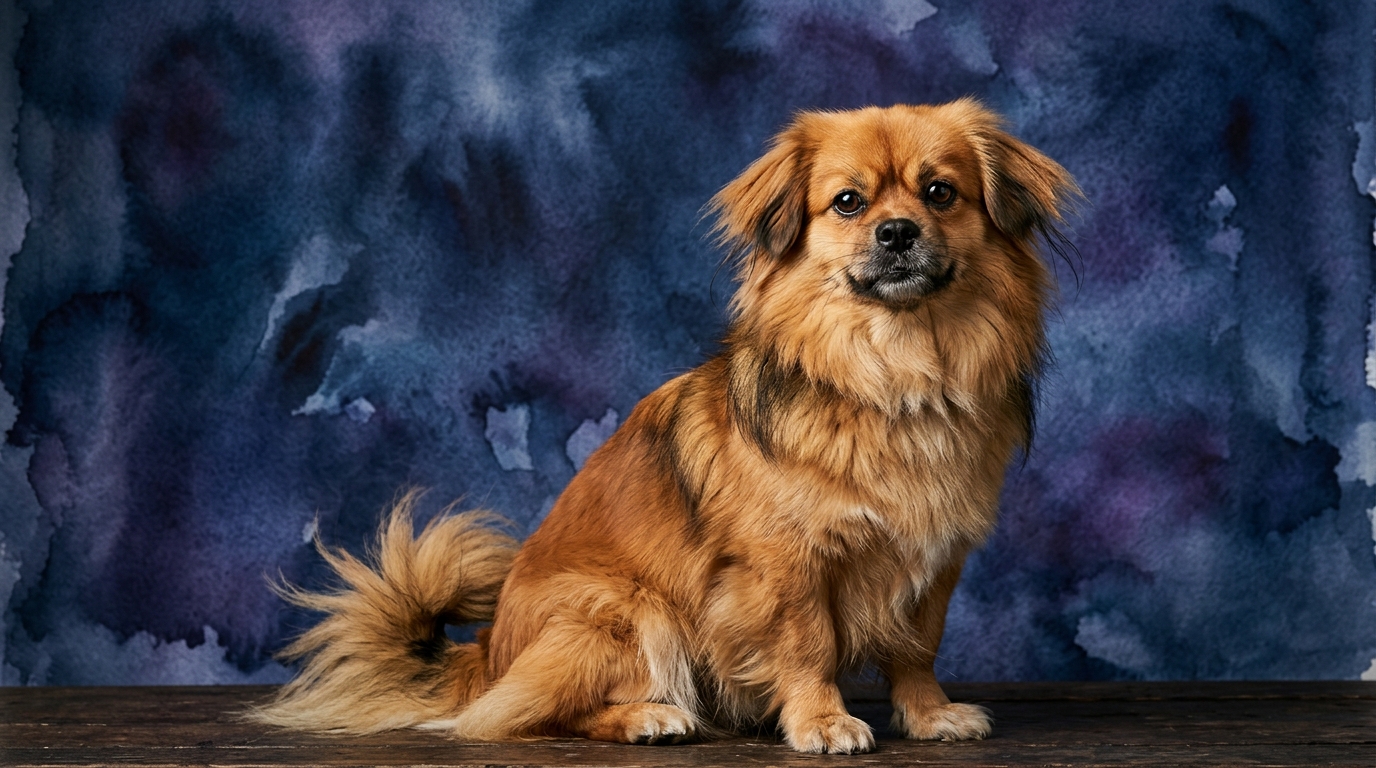
Side-by-Side IQ Profile
For the Otterhound, problem-solving (3/5) is intrinsically linked to their heritage as a scent hound. Their cognitive efforts are often directed at intricate scent trails, navigating complex terrain, and persistent pursuit of quarry. This score reflects an ability to methodically unravel environmental puzzles related to their primary drive, rather than abstract challenges.
The Otterhound's training speed (3/5) is influenced by its independent nature and powerful olfactory focus. While capable of learning, their attention can be intensely drawn to scents, making consistent recall or intricate obedience a patient endeavor. They absorb information at a moderate pace, particularly when it aligns with their natural inclinations.
As a breed traditionally working in packs, Otterhounds exhibit a robust social understanding (3/5) within their family unit. They are attuned to the moods and intentions of their human companions and other canine family members, expressing loyalty and a desire for inclusion. This score reflects their capacity for cooperative engagement and forming strong bonds.
The Otterhound's instinctive drive (3/5) is profoundly rooted in its scenting ability and endurance. Their drive to follow a scent, to explore, and to engage in vigorous physical activity is a powerful motivator. This 3/5 indicates a significant, persistent instinct that shapes much of their behavior and cognitive focus.
Otterhounds possess a practical memory (3/5), particularly for scent patterns, hunting routes, and the location of favored places or objects. They can retain complex sequences related to their work or daily routines, demonstrating a moderate but effective recall of experiences and learned associations.
For the Tibetan Spaniel, problem-solving (3/5) manifests in their observational skills and ability to navigate their domestic environment. They are adept at figuring out household dynamics, identifying optimal vantage points, and subtly influencing their human companions. Their problem-solving is less about physical pursuit and more about strategic engagement with their surroundings.
Tibetan Spaniels display a moderate training speed (3/5), often influenced by their desire to please their primary person tempered with a streak of independent thought. They learn best with positive reinforcement and clear, consistent communication. Their comprehension of commands is steady, though they may require motivation to perform tasks they deem unnecessary.
Tibetan Spaniels excel in their social intelligence (3/5) within a human family context. They are keenly observant of human emotions, routines, and subtle cues, often acting as sensitive companions and alert watchdogs. This score reflects their ability to integrate seamlessly into a household and form deep, perceptive connections.
The Tibetan Spaniel's instinctive drive (3/5) is primarily focused on companionship, observation, and alerting. They possess a strong impulse to perch high to survey their domain, to be close to their people, and to vocalize warnings. This 3/5 indicates a consistent, inherent motivation that guides their interactions and protective behaviors.
Tibetan Spaniels exhibit a reliable memory (3/5) for routines, people, and specific locations within their home environment. They readily recall past interactions, learned boundaries, and the habits of their human family members, contributing to their adaptability and role as attentive companions.
Where Otterhound Wins Cognitively
Despite the identical scores, the Otterhound's cognitive strengths shine particularly bright in sustained, independent environmental analysis. Their 3/5 in Problem Solving, combined with a 3/5 Instinctive Drive, means they possess an unparalleled ability to process and follow complex scent information over long durations and varied terrains. While a Tibetan Spaniel might solve the problem of finding the warmest sunbeam, an Otterhound is solving the intricate puzzle of a dissipating scent trail, demonstrating a different kind of mental endurance and specialized focus. Their memory, also a 3/5, is specifically tailored to retaining vast amounts of olfactory data, allowing them to recall and differentiate scents with impressive accuracy, a feat not typically required of a companion breed. This specialized cognitive toolkit allows them to autonomously engage with the natural world in a way few other breeds can match, requiring a constant stream of sensory processing and decision-making on the move.
Where Tibetan Spaniel Wins Cognitively
The Tibetan Spaniel's cognitive advantages are rooted in their acute observational skills and nuanced social understanding, even with a 3/5 in both areas. Their Problem Solving, though numerically equivalent to the Otterhound's, manifests as a sophisticated ability to interpret human behavior and household dynamics. They excel at "reading the room," understanding unspoken cues, and subtly influencing their environment to their benefit or their family's comfort. Their 3/5 Social Intelligence is not about pack cooperation but about deeply attuned companionship, allowing them to anticipate needs and offer comfort with a discerning sensitivity. Furthermore, their 3/5 Memory is specifically optimized for recalling complex social interactions, personal preferences of family members, and the intricate daily routines of the home. This allows them to integrate into human society with remarkable perceptive depth, making them subtle masters of domestic harmony and alert guardians of their domain.
Which is Easier to Train and Why
Determining which breed is "easier" to train between the Otterhound and Tibetan Spaniel, both scoring 3/5 in Training Speed, hinges on understanding their inherent motivations and distractions. The Otterhound, with its potent 3/5 Instinctive Drive for scent work, can be a challenge in traditional obedience settings. Their nose often dictates their attention, making recall particularly difficult if a compelling scent is present. Training an Otterhound requires immense patience, creativity, and a willingness to work with their natural instincts, often incorporating scent games into their learning. They learn best when tasks are presented as engaging challenges that tap into their innate drives, but their independent hound nature means they may not always see the immediate value in human-centric commands.
Conversely, the Tibetan Spaniel's 3/5 Training Speed is often more amenable to domestic obedience, primarily because their 3/5 Social Intelligence means they are generally keen to please their primary human companion. While they possess an independent streak and can be selective about tasks they deem interesting, they are highly motivated by praise and connection. Their training is less likely to be derailed by an overwhelming external sensory input like a scent trail, and more by their own assessment of the command's relevance. They respond well to positive reinforcement, gentle guidance, and consistency, learning a wide range of commands and tricks if the trainer builds a strong, trusting relationship and keeps sessions engaging. Therefore, for general household manners and responsiveness, the Tibetan Spaniel often proves to be the less demanding student for the average owner.
Which Suits Active Owners vs Relaxed Owners
For owners seeking a partner in vigorous outdoor pursuits, the Otterhound, with its robust 3/5 Instinctive Drive and the physical stamina it implies, is the clear choice for an active lifestyle. These dogs require substantial daily exercise, not just a casual stroll around the block. Their cognitive engagement is deeply tied to exploring new environments, following scents, and engaging in sustained physical activity. An Otterhound thrives with owners who enjoy long hikes, scent work, swimming, or even canine sports that tap into their natural abilities. Their mental stimulation is often best met by allowing them to engage their powerful nose and explore, making them a superb fit for adventurers and those who appreciate a dog that needs to "work" to be content. A relaxed owner would struggle to meet the Otterhound's significant physical and mental exercise requirements, potentially leading to boredom and unwanted behaviors.
In contrast, the Tibetan Spaniel is far better suited for relaxed owners who appreciate companionship without the demand for intense physical exertion. While they certainly enjoy daily walks and playtime, their needs are more focused on social interaction and being an integral part of family life. Their 3/5 Social Intelligence means they are content observing and engaging with their human companions from a comfortable perch or lap. They are adaptable to apartment living provided they receive regular, moderate exercise and plenty of mental stimulation through puzzles, training, and interaction. Their innate desire to be close to their family and their observational nature makes them ideal for individuals or families who prefer cozy evenings, gentle outings, and a perceptive companion who is content to share their space and routines.
The Verdict
Choose an Otterhound if you are an active, outdoors-oriented individual or family prepared to channel a powerful scent drive and provide extensive physical and mental engagement through exploration and specialized activities. They thrive with owners who understand and embrace their independent, working hound nature.
Choose a Tibetan Spaniel if you seek a perceptive, adaptable companion who excels in social observation and thrives on close human connection, offering alert companionship without demanding intense physical routines. They are ideal for owners who appreciate a dog that seamlessly integrates into a relaxed domestic lifestyle.
🧠 Find Your Pet's IQ Score
Our Pet IQ Lab assessment covers 25+ tests across 5 cognitive dimensions — personalized to your breed.
Take the Full IQ Test →Frequently Asked Questions
Do Otterhounds and Tibetan Spaniels learn at the same pace?
While both score 3/5 in Training Speed, their learning styles differ. Otterhounds are often scent-driven and independent, requiring patience and creative motivation, whereas Tibetan Spaniels, while having an independent streak, are often more motivated by pleasing their human companions in domestic settings.
Which breed is better with children?
Both breeds can be good with children, but their interaction styles differ. Otterhounds are generally boisterous and playful, enjoying active engagement, while Tibetan Spaniels are often more observant and sensitive, preferring gentle interactions and may retreat if play becomes too rough.
What kind of mental stimulation do these breeds need?
Otterhounds require significant mental stimulation through scent work, puzzle toys, and exploring new environments where they can engage their powerful nose. Tibetan Spaniels thrive on observational tasks, interactive toys, learning new tricks, and being involved in daily family activities to satisfy their social and perceptive needs.