Side-by-Side Cognitive Profiles: Papillon vs. Great Pyrenees
The Cosmic Pet Pet IQ Lab provides a unique framework to understand canine cognition, breaking down intelligence into five distinct dimensions. This allows for a nuanced comparison between breeds that might otherwise seem worlds apart, such as the sprightly Papillon and the serene Great Pyrenees. While their physical forms and traditional roles differ dramatically, examining their IQ profiles reveals how their cognitive wiring supports their specific aptitudes and behaviors.
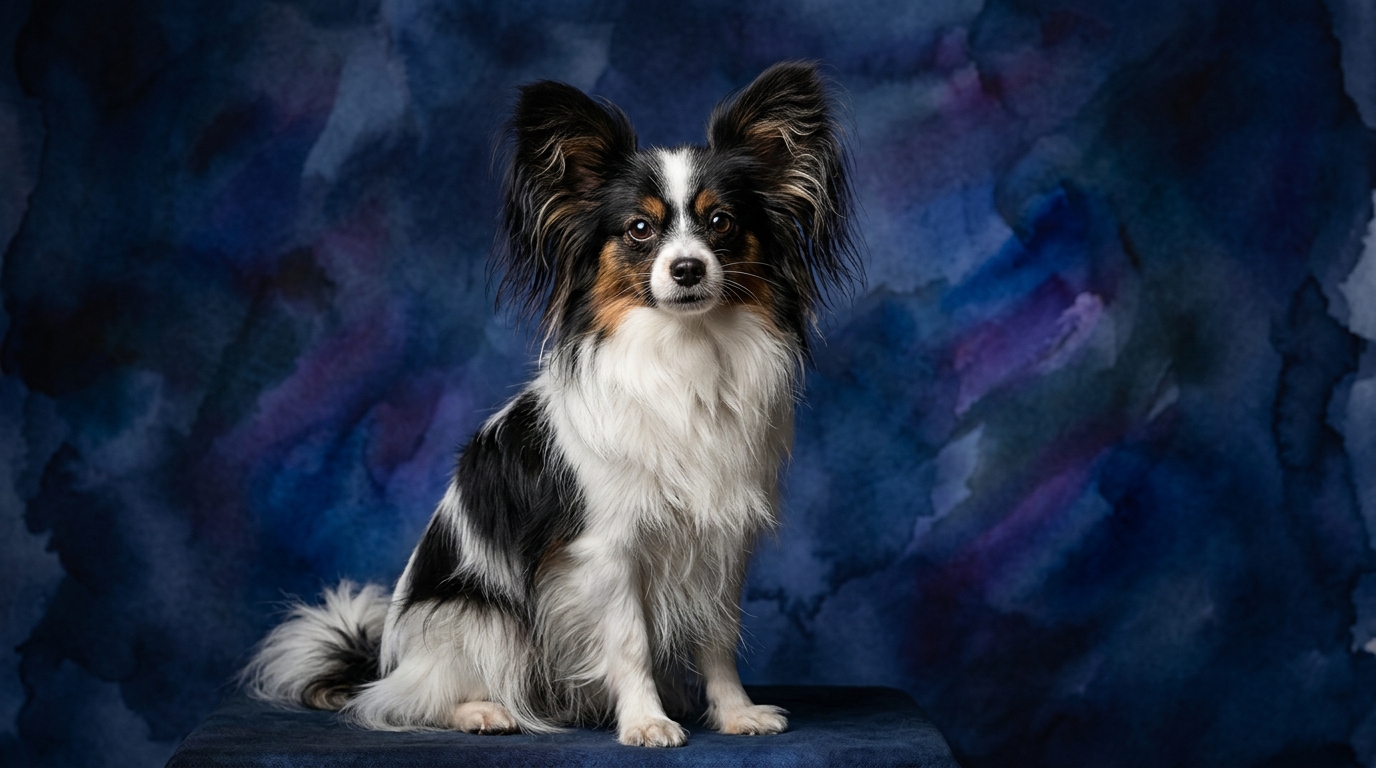
The Papillon, ranking #8 on the Coren intelligence scale for obedience and working intelligence, showcases a profile geared towards rapid learning and interactive engagement. Its Problem Solving is rated 5/5, indicating a remarkable capacity to figure out complex tasks and adapt strategies quickly. Training Speed also scores 5/5, meaning this breed typically grasps new commands and routines with impressive swiftness, often requiring only a few repetitions. Social Intelligence is 4/5, reflecting a keen awareness of human emotions and social cues, allowing them to adjust their behavior to match their companions' moods. Their Instinctive Drive, at 3/5, channels natural curiosity into companion-oriented activities, prioritizing cooperation. Finally, their Memory is an exceptional 5/5, demonstrating excellent recall for commands, routines, and even specific events over long periods.
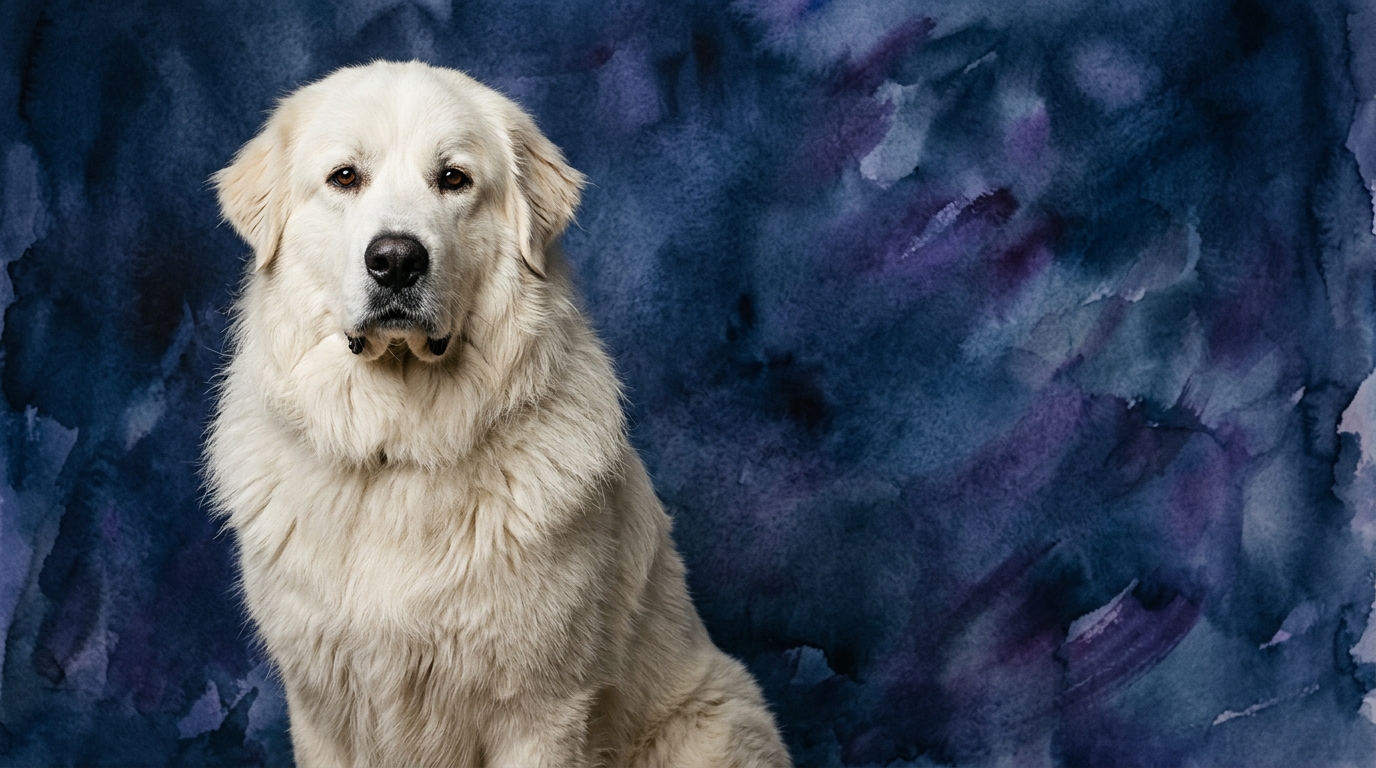
In contrast, the Great Pyrenees, with a Coren rank of #64, possesses a cognitive profile distinctly shaped by its heritage as an independent livestock guardian. Its Problem Solving is 3/5, indicating a deliberate, often independent approach to practical challenges, particularly those related to protection, rather than abstract puzzles. Training Speed also stands at 3/5, suggesting a moderate learning pace that requires consistent, patient repetition, as their independent nature often means they process commands through the lens of their own judgment. Social Intelligence is 3/5, demonstrating strong awareness within their established family or 'flock,' but with interactions that can be more reserved and observational. Their Instinctive Drive is 3/5, profoundly centered around guardianship – vigilance, territoriality, and an innate sense of responsibility. Their Memory is also 3/5, functional for important routines, people, and boundaries relevant to their protective role, though recall might be more selective, prioritizing details that directly impact security.
Where the Papillon Excels Cognitively
The Papillon’s cognitive strengths are evident in its exceptional problem-solving and training speed, setting it apart as a canine quick study. With top scores in both problem-solving (5/5) and training speed (5/5), a Papillon frequently demonstrates a rapid ability to grasp new concepts, whether it's navigating an agility course with precision or mastering intricate trick sequences. Their sharp memory (5/5) means that once a skill is learned, it tends to stick, making them reliable performers in various disciplines. This breed thrives on mental engagement, often seeking out challenges and demonstrating a keen interest in learning new things. Their social intelligence (4/5) further enhances this, as they are adept at reading human cues and responding in a way that often deepens the bond and facilitates cooperative learning. This combination allows them to excel in competitive obedience, rally, and even complex dog sports where quick thinking and precise execution are paramount, consistently demonstrating mental agility and a capacity for intricate learning.
Where the Great Pyrenees Demonstrates Unique Cognitive Strengths
While the Great Pyrenees may not match the Papillon's speed in general obedience training, its cognitive profile is uniquely adapted for its traditional role as a livestock guardian. Their instinctive drive (3/5) is profoundly specialized, manifesting as an unwavering commitment to protect their charges, often requiring independent judgment in complex, evolving situations without direct human intervention. This isn't about solving a puzzle for a treat; it's about assessing a potential threat to the flock and deciding the best course of action based on intrinsic motivation. Their problem-solving (3/5) is geared towards practical, real-world scenarios of protection and vigilance, rather than abstract tasks. They might take longer to learn a 'sit' command, but they instinctively understand how to position themselves to monitor a large area, identify intruders, and deter predators. Their memory (3/5) is robust for remembering safe boundaries, the scent of their flock, and identifying potential dangers, crucial for their self-reliant work. This breed’s social intelligence (3/5) is particularly strong within their established 'flock,' whether it's sheep or their human family, demonstrating a subtle yet deep understanding of their group's needs and security and acting accordingly as a steadfast protector.
Training Ease: Papillon vs. Great Pyrenees
The Papillon generally presents a significantly easier training experience due to its high training speed (5/5) and problem-solving ability (5/5). They are typically eager to please, respond well to positive reinforcement, and enjoy the mental stimulation that training provides. Their focused attention and quick retention mean that new commands and complex sequences can be learned rapidly, often with minimal repetition. A Papillon is likely to engage enthusiastically in multiple short training sessions throughout the day, viewing them as enjoyable interactions and readily seeking opportunities to learn and cooperate. Their motivation often stems from the bond with their handler and the joy of mental engagement, making them highly receptive students.
In contrast, the Great Pyrenees, with a training speed of 3/5 and a strong independent streak driven by its guardian instincts, requires a different approach. They will learn, but often at their own pace, and may question the necessity of a command if it doesn't align with their perceived duties or comfort. They are not inherently disobedient, but rather prioritize their own judgment and protective role, which can sometimes appear as stubbornness. Training a Great Pyrenees demands immense patience, consistency, and an understanding that their primary motivation isn't always human approval but rather their innate purpose. Early socialization and consistent, positive reinforcement are crucial, but owners should expect a more gradual learning curve and a dog that may choose to 'opt-out' if a command seems trivial or inconvenient from their perspective, especially if it detracts from their perceived duty of vigilance.
Lifestyle Suitability: Active vs. Relaxed Owners
For active owners who thrive on engagement and mental stimulation, the Papillon is often an ideal match. Their high problem-solving skills and eagerness to learn mean they excel in dog sports like agility, obedience, and rally, which provide both physical exercise and crucial mental challenges. Owners who enjoy teaching tricks, exploring new places, and involving their dog in daily activities will find the Papillon a willing and enthusiastic partner. Their compact size also makes them adaptable to various living situations, provided their mental and physical exercise needs are met through consistent interaction and opportunities for learning. They are not dogs content to merely exist; they seek to participate actively in their human's life.
Conversely, the Great Pyrenees is better suited for relaxed owners who appreciate a calm, watchful presence and understand the nuances of a dog bred for independent work. While they need regular exercise, it's often more about patrolling their territory or enjoying a leisurely walk rather than high-intensity bursts. Their lower training speed and strong instinctive drive mean they are not typically suited for owners seeking a highly biddable companion for competitive sports; instead, they are bred for self-reliance. Owners who value a steady, protective companion, have ample space for them to survey, and are prepared for their independent decision-making will find the Great Pyrenees a loyal, albeit deliberate, family member. They are content with a quiet presence, observing their surroundings, and offering a reassuring, protective anchor to the home.
The Verdict
Opt for a Papillon if you seek a highly trainable, mentally agile companion eager to learn, excel in dog sports, and thrive on consistent interactive engagement.
Select a Great Pyrenees if you desire a calm, independent guardian, appreciate a deliberate and watchful presence, and are prepared for a dog whose protective instincts guide much of its behavior.
🧠 Find Your Pet's IQ Score
Our Pet IQ Lab assessment covers 25+ tests across 5 cognitive dimensions — personalized to your breed.
Take the Full IQ Test →Frequently Asked Questions
Are Papillons good family dogs?
Yes, Papillons often make excellent family dogs due to their social intelligence and adaptability. They typically form strong bonds with their human family members and can be very affectionate, though supervision with very young children is always advised due to their delicate size.
Do Great Pyrenees need a lot of exercise?
Great Pyrenees require moderate exercise, often preferring leisurely strolls or patrolling a secure yard rather than intense activities. Their energy expenditure is often focused on vigilance and observation, making mental stimulation through their protective role as important as physical exertion.
Can a Great Pyrenees live in an apartment?
While a Great Pyrenees can technically adapt to apartment living with sufficient outdoor exercise, it's generally not ideal due to their large size and strong territorial instincts. They thrive with ample outdoor space to survey and guard, which is often difficult to provide in an apartment setting.