Side-by-Side IQ Profile: Papillon vs. Irish Wolfhound
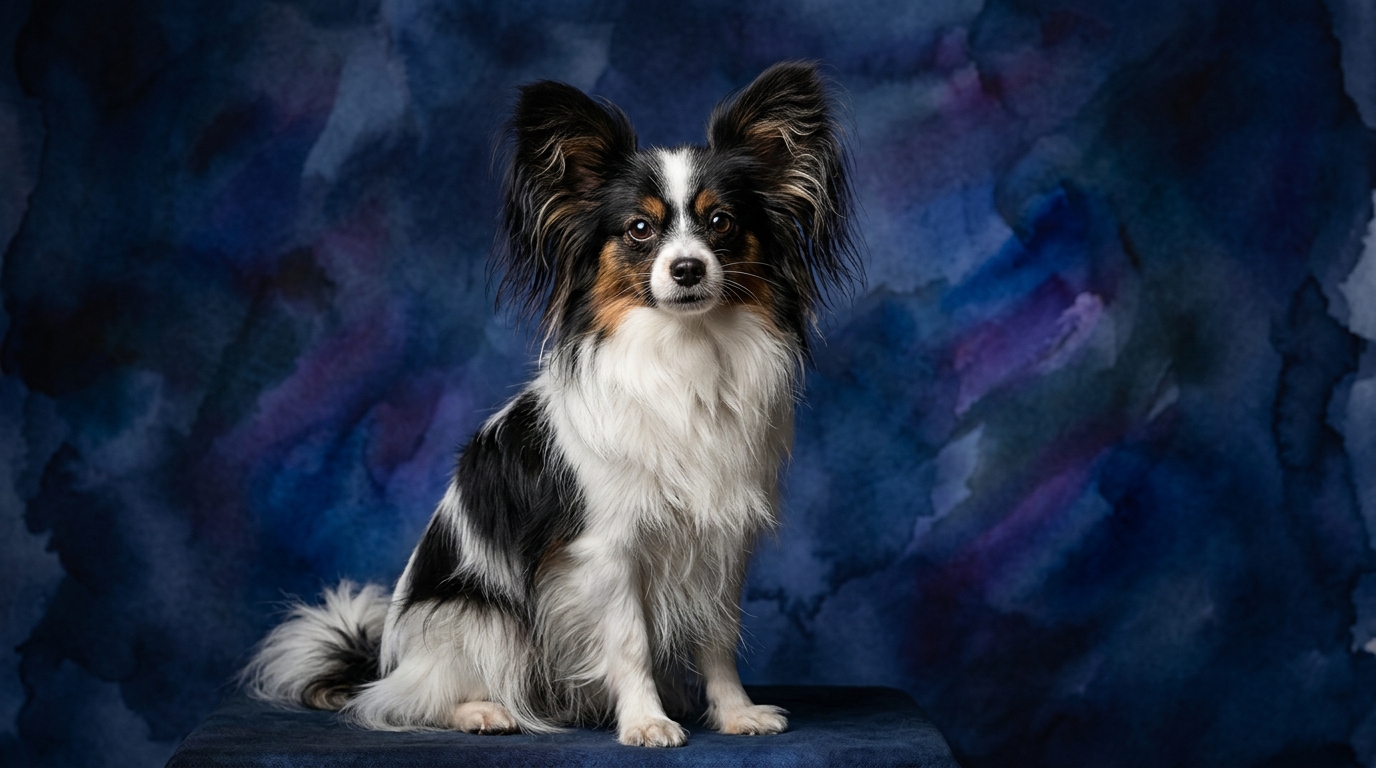
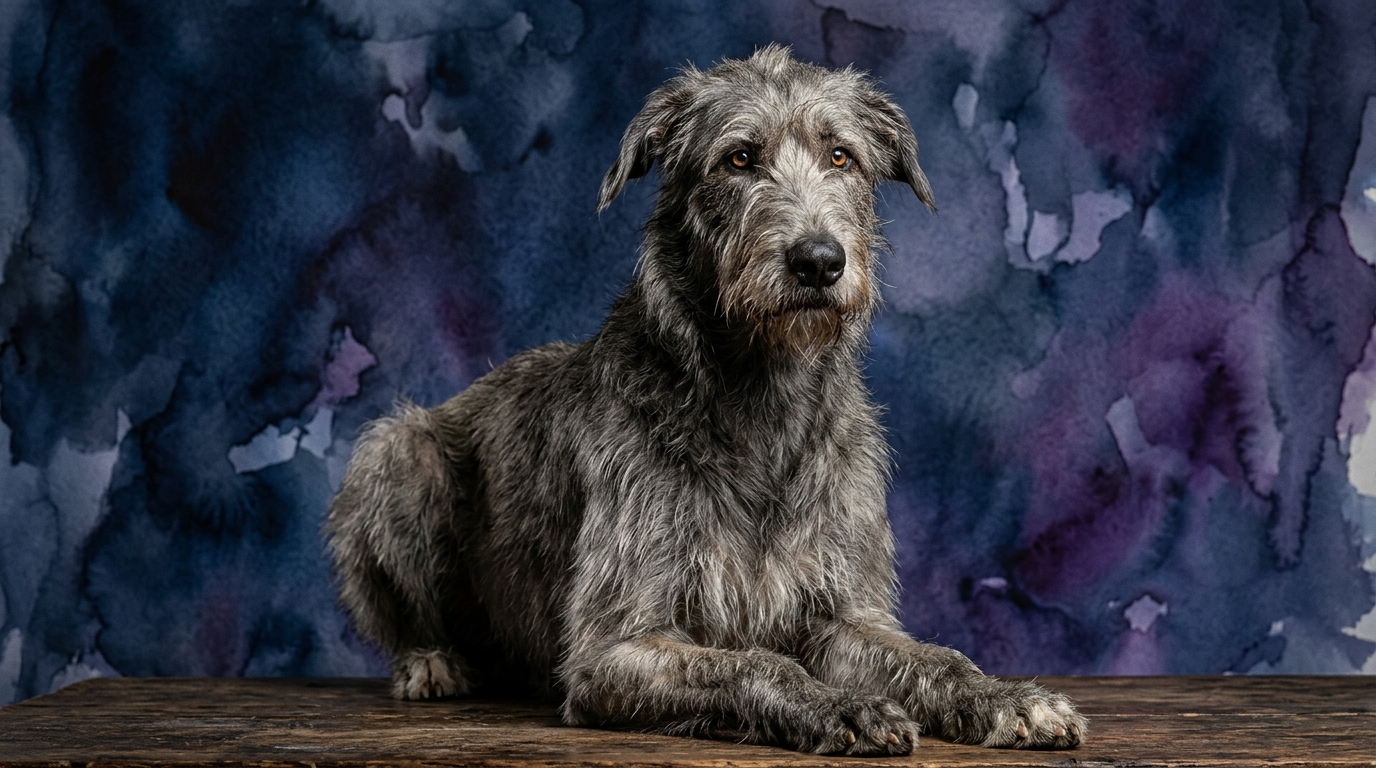
At The Cosmic Pet Pet IQ Lab, we assess canine intelligence across five critical dimensions. The Papillon, notably ranked #8 by Coren for working and obedience intelligence, showcases a consistently high cognitive aptitude, while the Irish Wolfhound, though not Coren-ranked, presents a distinct set of mental attributes.
Problem Solving: The Papillon (5/5) excels at independently deciphering novel situations and manipulating its environment, often surprising owners with ingenious solutions to everyday challenges. The Irish Wolfhound (3/5) competently handles straightforward issues but requires more explicit guidance for abstract or multi-step challenges, preferring clear, direct paths to solutions.
Training Speed: The Papillon (5/5) learns new commands and complex routines with remarkable rapidity, often grasping concepts in very few repetitions. The Irish Wolfhound (3/5) learns at a steady, deliberate pace, requiring consistent repetition and patience for new commands to become ingrained.
Social Intelligence: The Papillon (4/5) is perceptive of human emotions and social cues, capable of complex interactions, though sometimes preferring familiar company. The Irish Wolfhound (3/5) is generally amiable and tolerant, forming strong bonds, but might not interpret subtle human signals with the same nuance, offering a dignified, calm presence.
Instinctive Drive: The Papillon (3/5) exhibits moderate, adaptable expression of innate behaviors, retaining some chasing inclinations but generally manageable. The Irish Wolfhound (3/5) possesses a moderate sighthound prey drive, particularly for movement, balanced by a gentle, calm temperament, making them watchful rather than frantic.
Memory: The Papillon (5/5) retains learned information and experiences over long periods, making re-training or recalling old tricks effortless and allowing for a vast repertoire. The Irish Wolfhound (3/5) retains learned information adequately, but might benefit from occasional refreshers to solidify less frequently practiced skills.
Where the Papillon Wins Cognitively
The Papillon's cognitive prowess shines brightest in its problem-solving acumen and rapid learning. With a 5/5 in problem-solving, these dogs aren't just following commands; they are actively strategizing, independently figuring out how to open puzzle toys or retrieve hidden objects, often demonstrating a surprising understanding of cause and effect. This ingenuity is amplified by their 5/5 training speed, allowing them to master complex multi-step commands, agility sequences, or intricate tricks with astonishing swiftness, absorbing new information in mere repetitions. Their perfect 5/5 memory ensures that once a skill is acquired, it's rarely forgotten, fostering an extensive and reliably recalled repertoire of behaviors, making them exceptional partners for advanced training and canine sports.
Where the Irish Wolfhound Wins Cognitively
While the Irish Wolfhound may not exhibit the same rapid-fire intellect, its cognitive strengths lie in different, equally valuable dimensions, reflecting its noble heritage. Their 3/5 in social intelligence manifests as a profound, gentle empathy and a dignified calm. These dogs are masters of quiet observation, often sensing the emotional states of their family and responding with a comforting, steadfast presence rather than overt displays. This makes them exceptional emotional support companions, offering a stable and reassuring bond. Furthermore, their 3/5 instinctive drive, rooted in their sighthound lineage, provides a unique environmental intelligence. They possess a keen awareness of their surroundings, particularly visual cues over long distances, demonstrating an instinctive understanding of movement and space. This isn't about complex mental puzzles but about a highly tuned sensory perception and a deep, inherent connection to their environment, manifesting as a watchful, composed guardian. Their steady 3/5 in problem-solving and training speed suggests a deliberate, robust learning style, where understanding, once achieved, is deep and reliable.
Which is Easier to Train and Why?
The Papillon is distinctly easier to train, a direct consequence of its 5/5 training speed and 5/5 memory. These dogs eagerly embrace learning, quickly associating commands with actions, and often actively "offer" behaviors they know, seeking engagement and rewards. Their keen desire to please, combined with their ability to absorb complex sequences in just a few repetitions, makes them highly responsive and adaptable. Their smaller size also simplifies physical guidance during early training. In contrast, the Irish Wolfhound, with its 3/5 scores in training speed and memory, requires a more patient and consistent approach. While capable of learning, they absorb information at a more deliberate pace, necessitating more repetitions to solidify commands. Their sighthound independence means they can sometimes appear "selectively deaf" if a compelling visual stimulus, like a distant movement, captures their attention. Training an Irish Wolfhound demands calm, clear communication, unwavering consistency, and a strong understanding of their motivation, as they are less likely to be driven by constant intellectual challenges and more by a desire for calm routine and companionship.
Which Suits Active Owners vs. Relaxed Owners?
For owners who thrive on mental stimulation and hands-on participation, the Papillon is an unparalleled companion. Their exceptional cognitive abilities demand an owner committed to regular training sessions, engaging puzzle toys, and dynamic play. These dogs excel in dog sports like agility, obedience, and rally, requiring an owner who can channel their sharp intellect and boundless energy. A Papillon without sufficient mental outlets can become bored and resort to undesirable behaviors, demonstrating that "active" for this breed is as much about mental engagement as physical exertion. Conversely, the Irish Wolfhound, despite its imposing size, often suits a more "relaxed" owner in terms of intense daily mental challenges, though their physical needs are substantial. They require ample space to stretch and regular, unhurried walks, but their cognitive profile suggests a dog that appreciates a calm, predictable home environment over constant intellectual games. Owners who value a gentle, steadfast giant companion, are prepared for their physical needs (large living space, secure yard), and enjoy a serene presence without the pressure of daily advanced training sessions would find the Irish Wolfhound a perfect fit. They offer companionship and routine rather than demanding complex intellectual engagement.
The Verdict
For owners seeking a highly interactive, quick-witted companion eager to learn complex tasks and participate in dog sports, the Papillon offers unparalleled mental agility and responsiveness.
Opt for the Irish Wolfhound if you desire a calm, dignified giant with a gentle spirit, valuing a steadfast presence and moderate mental engagement over constant intellectual challenge.
🧠 Find Your Pet's IQ Score
Our Pet IQ Lab assessment covers 25+ tests across 5 cognitive dimensions — personalized to your breed.
Take the Full IQ Test →Frequently Asked Questions
Are Papillons prone to anxiety due to their high intelligence?
Papillons can become anxious or destructive if their considerable mental needs aren't met, leading to boredom-induced behaviors rather than inherent anxiety. Engaging their sharp minds with puzzles and training is key to their well-being.
Do Irish Wolfhounds require a lot of space despite their lower activity scores?
Yes, Irish Wolfhounds, despite their generally calm demeanor indoors, are very large dogs who need ample space to stretch out and require regular, moderate exercise to maintain their physical health and prevent boredom.
Can an Irish Wolfhound be trained for advanced obedience?
While an Irish Wolfhound may take longer to master advanced obedience compared to a Papillon, consistent, patient training can certainly lead to a well-behaved and capable companion. Their reliability once trained is a significant asset.