Side-by-Side Cognitive Profiles: Papillon vs. Norwegian Elkhound
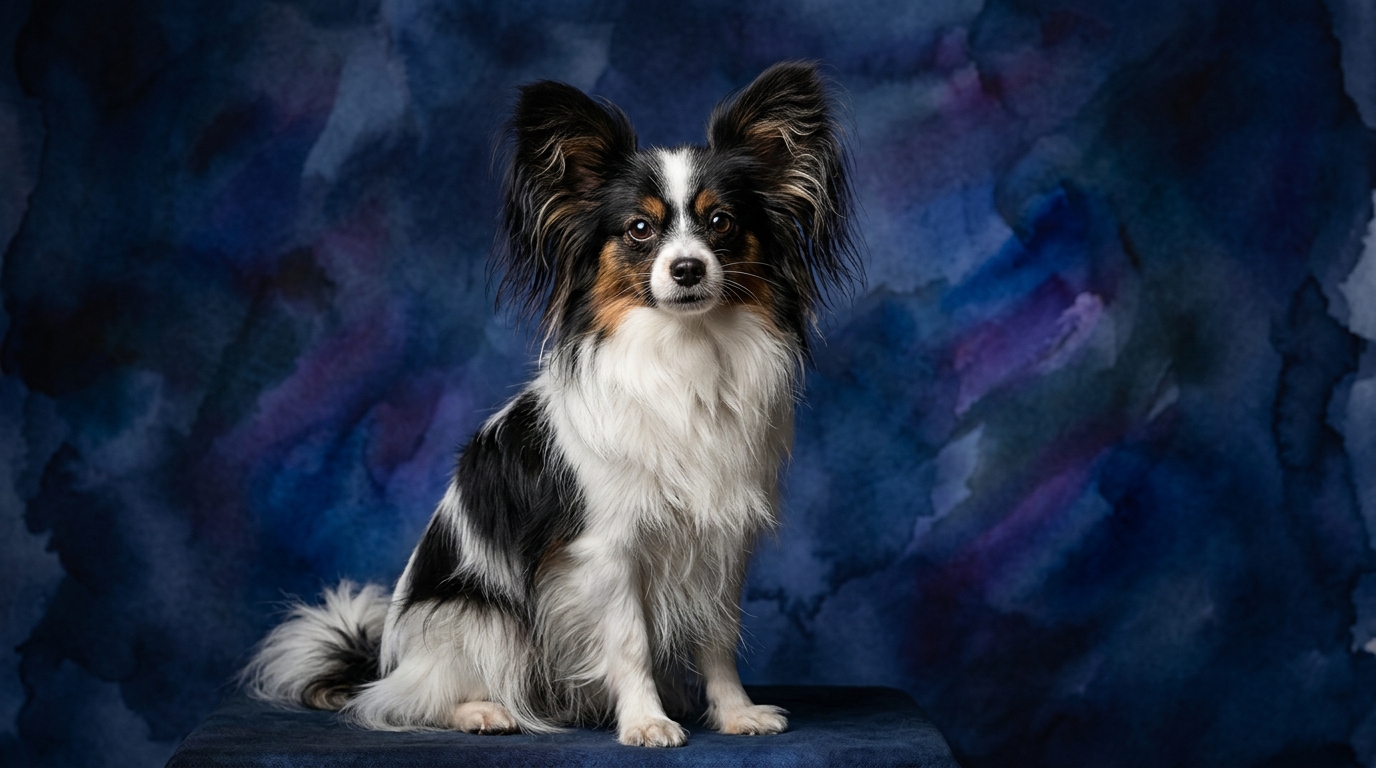
At The Cosmic Pet Pet IQ Lab, we delve beyond superficial observations to provide a structured understanding of canine intelligence. For the Papillon, a breed often celebrated for its lively spirit, our assessment reveals a formidable cognitive architecture. They achieve a perfect 5/5 in Problem Solving, demonstrating an exceptional capacity to navigate complex environments, decipher novel challenges, and devise creative solutions to achieve their goals, often with a surprising degree of ingenuity. Their Training Speed also stands at an impressive 5/5, indicating an almost instantaneous grasp of new commands and routines, making them incredibly receptive to instruction. In Social Intelligence, they score 4/5, showing a deep attunement to human emotions and social cues, fostering strong, empathetic bonds with their human companions. Their Instinctive Drive is a moderate 3/5, meaning while they possess some inherent drives, these are generally manageable and channelable into positive activities rather than dominating their behavior. Finally, their Memory is an outstanding 5/5, ensuring commands, routines, and experiences are retained with remarkable clarity over long periods.
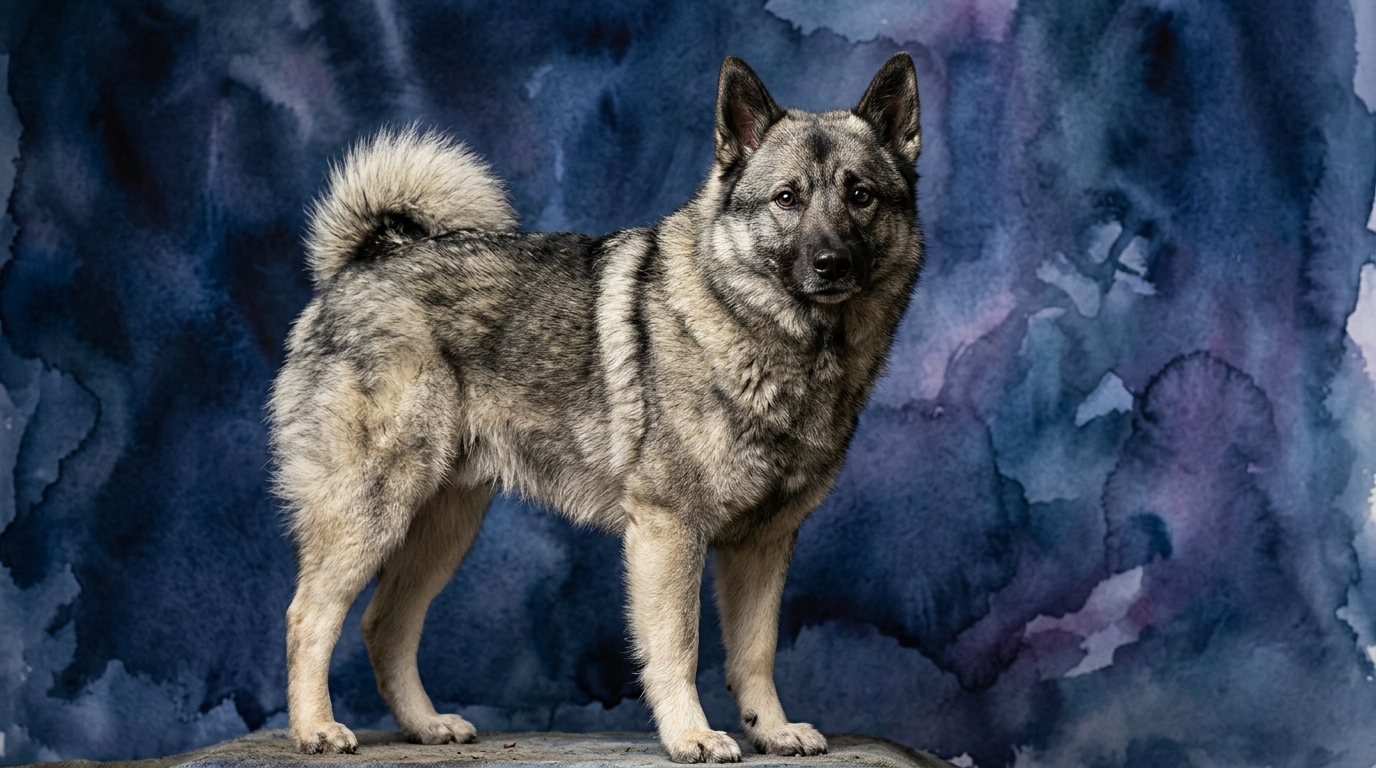
The Norwegian Elkhound, originating from a lineage of hardy hunting dogs, presents a distinct yet equally impressive cognitive profile. Their Problem Solving capability is rated at 4/5, signifying a strong ability to tackle practical challenges, particularly those involving navigation, scent work, and strategic pursuit in varied terrains. This problem-solving often manifests as persistent and methodical rather than purely agile. Their Training Speed is a solid 4/5, indicating efficient learning, though their independent nature means consistent, engaging methods are crucial to maintain their focus and cooperation. In Social Intelligence, they score 3/5, forming deep bonds with their immediate family but often exhibiting a more reserved demeanor with strangers and a less overtly demonstrative understanding of complex social nuances compared to more companion-focused breeds. Their Instinctive Drive, also 3/5, reflects a powerful, ancient hunting drive, particularly for tracking and baying, which is an integral part of their cognitive makeup and significantly influences their behavior and engagement with the world. Their Memory is a strong 4/5, allowing them to retain routines, commands, and especially locations associated with their natural drives or positive reinforcement experiences.
Where the Papillon's Cognition Shines Brightest
The Papillon's cognitive strengths are particularly evident in their agility of thought and emotional responsiveness. Their perfect 5/5 scores in Problem Solving and Training Speed are not merely high marks; they reflect a mind that processes new information and adapts to changing circumstances with remarkable speed and precision. This means they don't just learn commands; they often anticipate them, applying previously learned concepts to novel situations, making them exceptional candidates for complex dog sports like agility or freestyle obedience. They possess a unique ability to learn 'how to learn,' quickly understanding the patterns of training and adapting their approach.
Furthermore, their 4/5 in Social Intelligence means Papillons are exceptionally attuned to the subtle emotional shifts and non-verbal cues from their human companions. This makes them profoundly empathetic dogs, often anticipating needs or moods without explicit instruction. They thrive on close interaction and mental engagement, using their keen observational skills to understand their family's dynamics. Coupled with their 5/5 Memory, once a Papillon learns a command, a routine, or even a specific trick, it is deeply ingrained, leading to incredibly reliable performance over their lifetime, even after extended breaks, a testament to their robust recall and retention capabilities.
Norwegian Elkhound's Unique Cognitive Prowess
The Norwegian Elkhound's cognitive strengths, while different from the Papillon's, are deeply rooted in their historical purpose and manifest as a robust, independent intelligence. Their 4/5 in Problem Solving excels in practical, real-world scenarios, particularly those involving navigation, scent work, and strategic pursuit in outdoor environments. Unlike the Papillon's often agile and abstract problem-solving, the Elkhound's approach is more about tenacious, methodical pursuit of a goal, whether it's tracking a scent or finding a way around an obstacle in a forest. They exhibit a formidable determination to achieve their objectives once their mind is set.
A key element of their cognitive makeup is their capacity for independent decision-making, a trait honed by centuries of working alongside hunters in rugged terrain without constant human direction. This means an Elkhound is not merely following commands; they are assessing situations, making judgments, and acting autonomously when necessary, often relying on their keen senses and inherent instincts. This independence, while sometimes perceived as stubbornness, is a sign of a dog that thinks for itself and is capable of complex, self-directed action. Their endurance in focus, particularly when engaged in tasks aligned with their instinctive drives, allows them to maintain vigilance or pursue a scent trail for incredibly long periods, showcasing a different kind of cognitive stamina.
Training Dynamics: Which Breed is Easier and Why?
When considering ease of training, the Papillon generally presents a more straightforward experience for most owners. Their exceptional 5/5 Training Speed means they pick up new commands and routines with minimal repetition, often eager to please and quick to understand what is being asked of them. Their high Social Intelligence (4/5) further enhances this, as they are highly responsive to human feedback and cues, making positive reinforcement incredibly effective. Their smaller size also makes physical management simpler, and their lower Instinctive Drive (3/5) means fewer competing interests pulling their attention away from the training session. A Papillon often views training as an engaging game, a prime opportunity for interaction and mental stimulation with their beloved human.
The Norwegian Elkhound, while scoring a respectable 4/5 in Training Speed, requires a more nuanced and patient approach. Their independent nature, a hallmark of their breed, means they are not inherently driven by a strong desire to please in the same way a Papillon might be. They learn efficiently, but their substantial Instinctive Drive (3/5), especially their powerful scenting abilities, can sometimes override their willingness to comply if a more compelling distraction arises. Training an Elkhound demands consistency, creativity, and a clear demonstration of value from the trainer's perspective; they respect a fair and firm leader but will question commands if they perceive a better alternative. Owners must engage their minds and make training sessions stimulating to prevent boredom or single-minded focus on external stimuli.
Lifestyle Match: Active vs. Relaxed Owners
The Papillon, despite its smaller stature, possesses a vibrant energy level that can surprisingly suit both active and more relaxed owners, depending on the individual dog and owner's commitment to mental stimulation. While they certainly enjoy and excel in activities like agility, their moderate instinctive drive and compact size mean their physical exercise needs are generally met with daily walks, indoor play, and engaging mental games. A relaxed owner can certainly enjoy the companionship of a Papillon, provided they are committed to providing consistent mental enrichment through puzzle toys, trick training, or interactive play to satisfy their intelligent minds and prevent boredom, which can manifest as undesirable behaviors.
The Norwegian Elkhound, conversely, is unequivocally best suited for active owners. Their heritage as hardy hunting dogs demands regular, vigorous exercise and substantial mental engagement. They thrive on long hikes, scent work, or activities that allow them to utilize their impressive stamina, powerful senses, and problem-solving skills in an outdoor setting. Their independent nature and strong drives mean that without sufficient physical and mental outlets, an Elkhound can become bored, restless, and potentially destructive. A relaxed owner who cannot commit to providing significant daily activity might find an Elkhound's energy and need for stimulation challenging to manage, leading to an unhappy dog and a frustrated owner.
The Verdict
If you seek a highly responsive, emotionally attuned companion who thrives on close interaction and excels in diverse learning tasks, making them a joy for dog sports or intricate trick training, the Papillon is an excellent fit.
Opt for the Norwegian Elkhound if you appreciate an independent, resilient partner for outdoor adventures and scent work, valuing a dog that thinks for itself and engages with the world through a robust, purpose-driven lens.
🧠 Find Your Pet's IQ Score
Our Pet IQ Lab assessment covers 25+ tests across 5 cognitive dimensions — personalized to your breed.
Take the Full IQ Test →Frequently Asked Questions
Can Papillons be good watchdogs despite their size?
Absolutely. Their keen awareness and strong social intelligence (4/5) mean Papillons are often quick to alert their owners to unusual sounds or the presence of strangers. While their alert might be more of a 'yappy' announcement than a physical deterrent, they are observant and reactive to perceived changes in their environment.
Do Norwegian Elkhounds get along well with other pets?
With proper socialization from a young age, Norwegian Elkhounds can certainly coexist with other pets, but their hound instincts (3/5 instinctive drive) mean they might have a higher prey drive, especially towards smaller, fast-moving animals. Early and consistent introductions, coupled with careful supervision, are crucial for fostering harmonious relationships within a multi-pet household.
Is the Papillon's high memory score practical for daily life?
Yes, their 5/5 memory score is incredibly practical and beneficial for daily life, translating to a dog that reliably remembers house rules, specific routines, and commands learned long ago. This strong recall makes them very consistent and predictable companions, significantly aiding in maintaining good manners and making advanced training efforts truly stick over their lifespan.