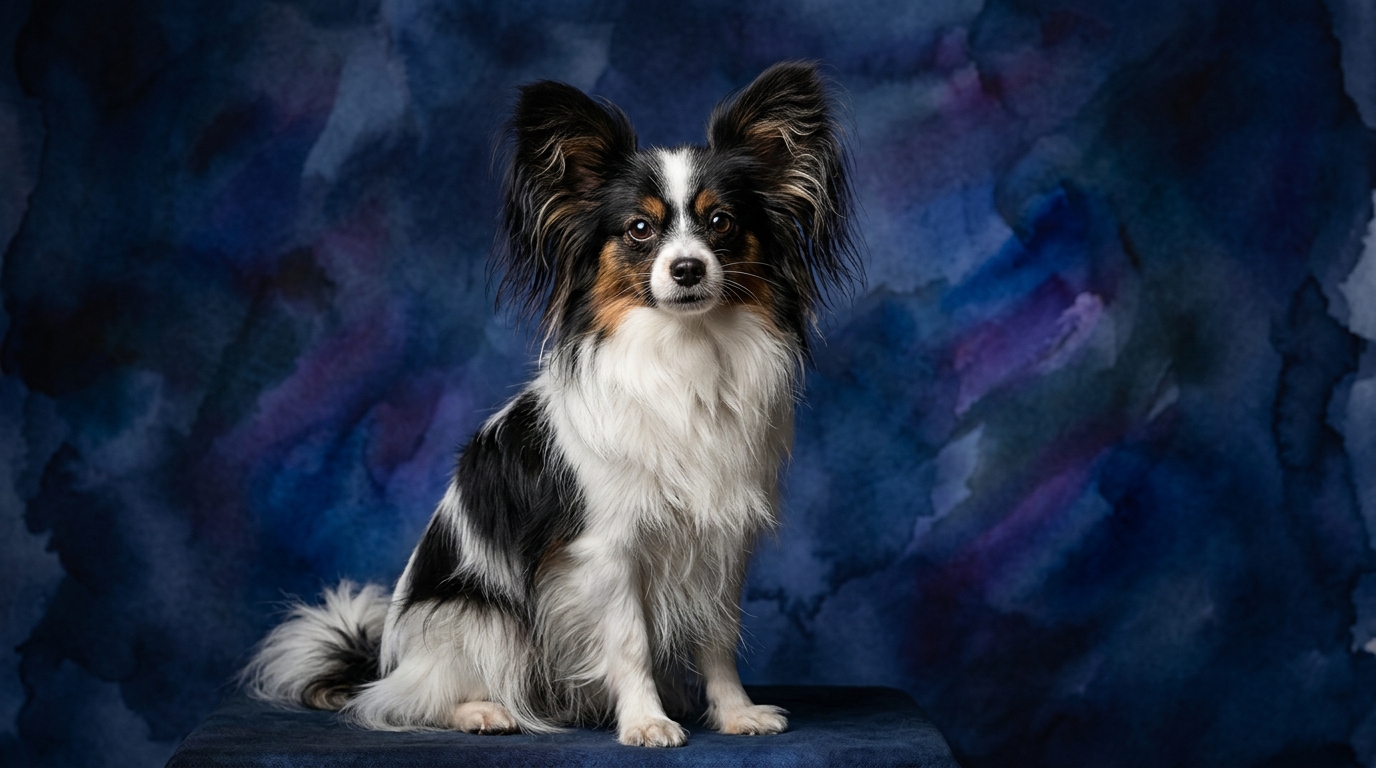
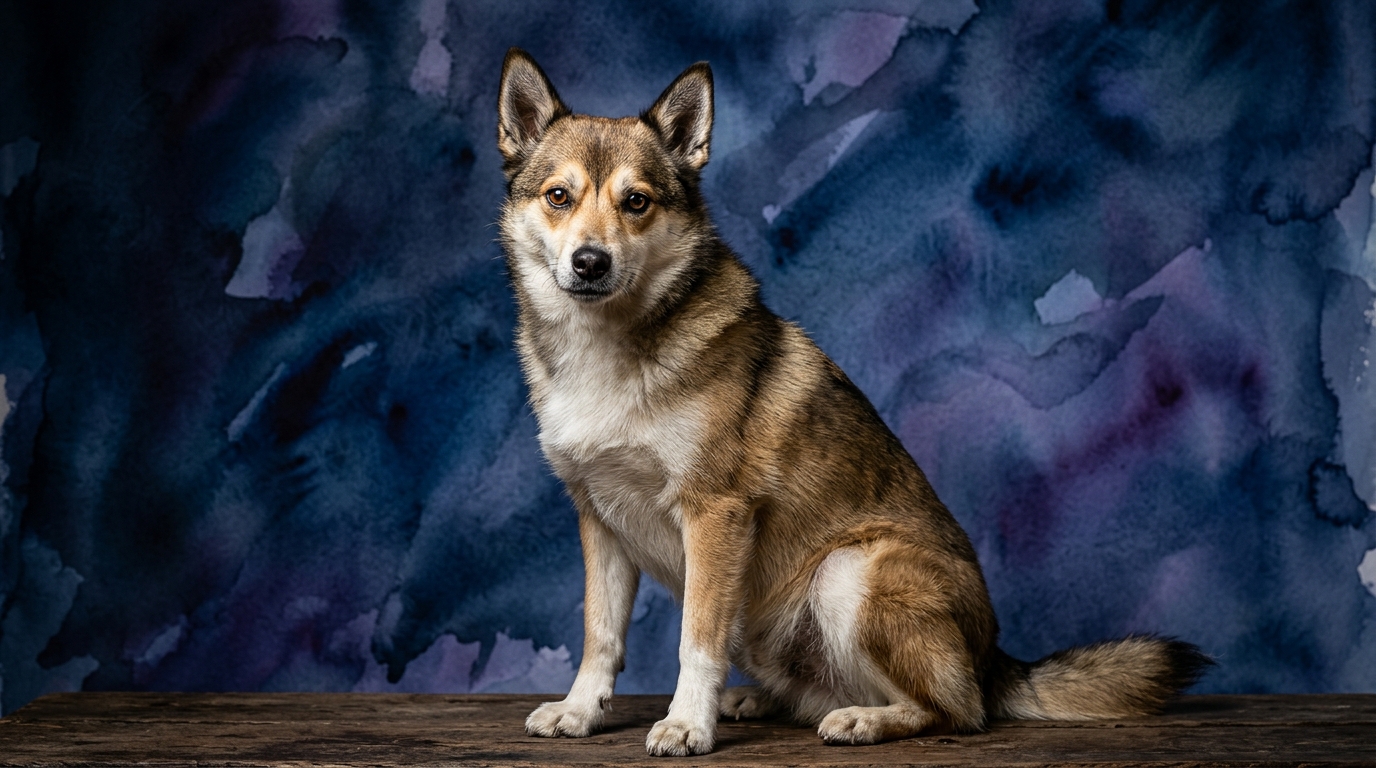
Side-by-Side IQ Profile: Papillon vs. Norwegian Lundehund
Our Cosmic Pet Pet IQ Lab assesses canine intelligence across five key dimensions, providing a granular view of each breed's cognitive strengths and tendencies.
For the Papillon (Coren rank #8), the profile is marked by exceptional mental agility: Problem Solving 5/5, indicating an outstanding capacity to navigate complex scenarios and devise novel solutions. Training Speed also stands at 5/5, reflecting an unparalleled eagerness and aptitude for learning new commands and routines with minimal repetition. Social Intelligence is strong at 4/5, showing a deep attunement to human emotions and social cues, though they can be discerning in their bonds. Their Instinctive Drive is moderate at 3/5, generally subordinate to their desire for companionship, while Memory is a perfect 5/5, ensuring outstanding recall of learned behaviors and information.
The Norwegian Lundehund, a breed not Coren-ranked, presents a profile reflecting its historical role: Problem Solving 3/5, suggesting a practical intelligence often relying on unique physical attributes rather than abstract reasoning. Training Speed is 3/5, meaning they learn at a more deliberate pace, requiring consistent repetition and patience. Social Intelligence is 3/5; they are amiable and form strong attachments but can be more reserved and independent. Instinctive Drive is 3/5, balanced and primarily focused on exploration and independent activity related to their puffin hunting heritage. Their Memory is also 3/5, functional for routines and commands but perhaps not as detailed as breeds with higher scores.
Where Papillon Wins Cognitively
The Papillon clearly outshines the Lundehund in areas demanding rapid cognitive processing and abstract reasoning. Their perfect 5/5 scores in Problem Solving and Training Speed mean they can quickly analyze novel situations, learn complex sequences of actions, and adapt their behavior on the fly. This translates into an exceptional aptitude for dog sports like agility, obedience, and even trick training, where quick thinking and precise execution are paramount.
Furthermore, the Papillon's superior Memory, also rated 5/5, ensures that lessons learned are retained with remarkable fidelity. This cognitive strength allows them to build a vast repertoire of commands and behaviors over their lifetime, making them incredibly versatile companions who can consistently perform tasks even after long periods without practice. Their ability to recall specific instructions and apply them accurately sets them apart in structured learning environments.
Where Norwegian Lundehund Wins Cognitively
While the Papillon excels in speed and abstract learning, the Norwegian Lundehund's cognitive strengths lie in a different domain: practical, physically-oriented problem-solving, deeply rooted in their historical function. Their unique physical flexibility and agility, combined with their moderate problem-solving score, suggest a pragmatic intelligence focused on navigating complex physical environments, such as rocky coastal cliffs or tight burrows. Their intelligence is geared towards survival and efficient movement in challenging terrains.
The Lundehund's balanced Instinctive Drive (3/5), while not higher than the Papillon's, is channeled differently. It manifests as a persistent curiosity and a drive to explore and investigate, rather than a strong desire to please. This independent streak and focus on environmental engagement can be a cognitive advantage in situations requiring self-reliance and the ability to operate effectively without constant human direction, making them adept at tasks that require sustained, independent effort.
Which is Easier to Train and Why
Based on their cognitive profiles, the Papillon is unequivocally easier to train. Their 5/5 Training Speed indicates an exceptional ability to form associations quickly and understand new commands with minimal repetition. This means a Papillon can pick up 'sit,' 'stay,' or 'come' in just a few sessions, and can progress to more intricate behaviors like weaving through cones or performing complex tricks with remarkable efficiency. Their desire to engage and their strong memory further support this rapid learning curve.
The Norwegian Lundehund, with a Training Speed of 3/5, requires a more patient and consistent approach. They are not unwilling learners, but they process information at a more measured pace and may need more repetitions to fully grasp and reliably execute a command. Their independent nature, a remnant of their hunting heritage, means they might be less motivated by pure desire to please and more by what benefits them directly, requiring trainers to find compelling, high-value rewards and maintain engaging, varied sessions to hold their attention and ensure compliance.
Which Suits Active Owners vs. Relaxed Owners
For active owners seeking a dynamic partner in learning and adventure, the Papillon is an ideal match. Their keen intellect and boundless enthusiasm for mental and physical challenges make them excel in dog sports, extended training sessions, and interactive games. An owner who enjoys teaching new tricks, participating in agility, or simply engaging in stimulating play will find the Papillon's cognitive capabilities and zest for activity incredibly rewarding. They thrive on consistent engagement and mental stimulation.
The Norwegian Lundehund, while certainly capable of activity, might better suit owners who appreciate a more independent and perhaps less demanding cognitive companion. They enjoy exploration and outdoor excursions, but their drive is less about performing for an audience and more about self-directed investigation. A relaxed owner who enjoys quiet companionship at home but also provides opportunities for scent work, moderate hikes, or simply exploring a secure yard will find the Lundehund's balanced temperament and practical intelligence a good fit. They don't require constant cognitive challenges to remain fulfilled, preferring a blend of activity and downtime.
The Verdict
Choose the Papillon if you desire a highly engaged, rapidly learning companion eager for extensive training, dog sports, and constant mental stimulation. This breed excels when challenged with new skills and thrives on intricate human interaction.
Opt for the Norwegian Lundehund if you appreciate a more independent, physically adept dog with a pragmatic intelligence, suited for exploring varied environments and offering a calm presence at home.
🧠 Find Your Pet's IQ Score
Our Pet IQ Lab assessment covers 25+ tests across 5 cognitive dimensions — personalized to your breed.
Take the Full IQ Test →Frequently Asked Questions
Do Papillons get bored easily?
Yes, due to their exceptional problem-solving and memory, Papillons require consistent mental stimulation to prevent boredom. Without engaging activities or training, they may invent their own 'fun,' which could include undesirable behaviors.
Are Norwegian Lundehunds good for first-time dog owners?
Norwegian Lundehunds can be a unique choice for first-time owners, but their independent nature and specific training needs mean they benefit from owners who are committed to patient, consistent, and reward-based methods. They are not as inherently eager to please as some other breeds.
How do their social needs compare?
Papillons, with a 4/5 social intelligence, are generally more demonstrative and attuned to human social cues, thriving on close interaction and companionship. Lundehunds, at 3/5, are affectionate with their families but tend to be more reserved and value their independence, potentially taking longer to bond with new people.