Side-by-Side IQ Profile
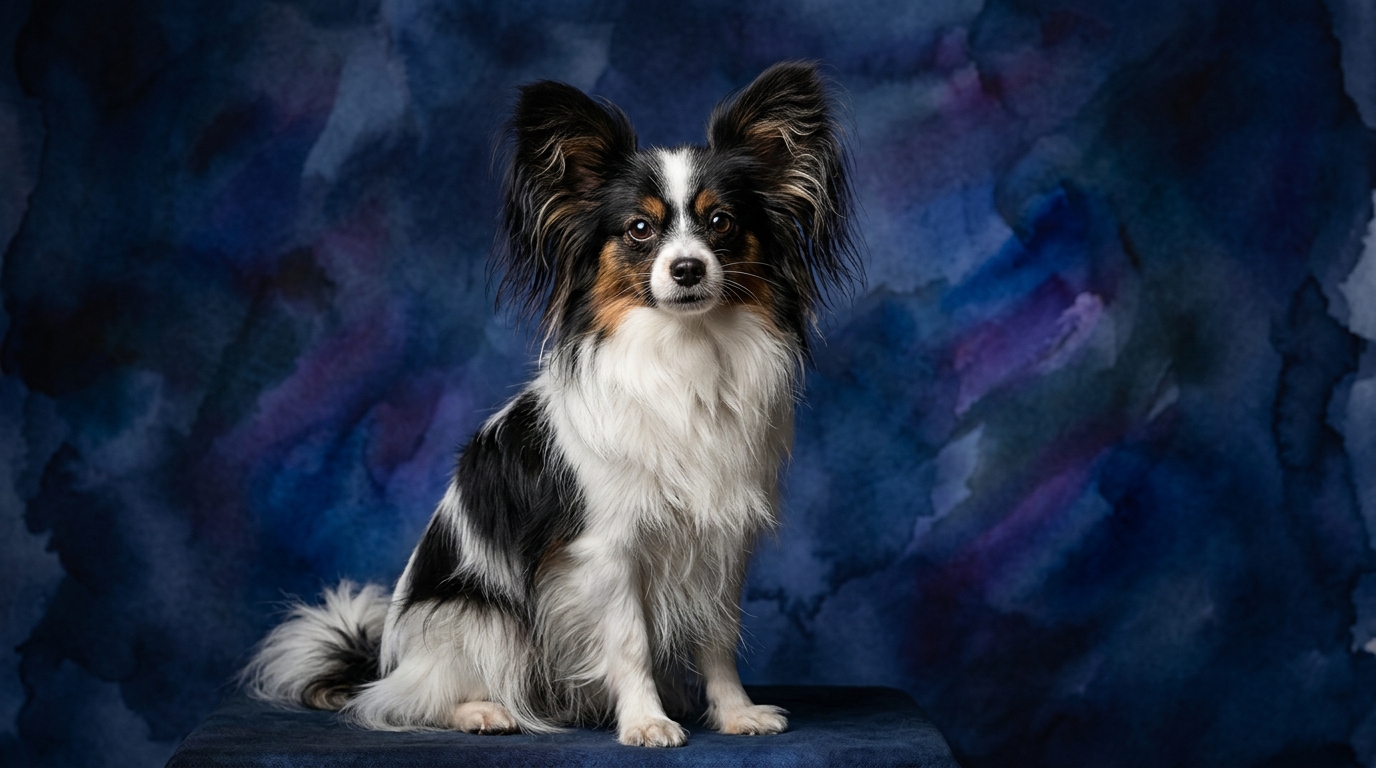
At The Cosmic Pet Pet IQ Lab, we analyze canine intelligence across five key dimensions. For the Papillon, a breed Coren-ranked #8, their cognitive scores paint a picture of sharp mental acuity. They achieve 5/5 in Problem Solving, indicating an exceptional capacity to analyze novel situations and devise solutions, demonstrating ingenuity in navigating obstacles or manipulating objects. Their Training Speed is also 5/5, meaning they process new commands and routines with remarkable rapidity, requiring minimal repetitions for consistent responses. Social Intelligence scores 4/5, showing a strong aptitude for understanding human cues, intentions, and emotional states, adeptly adjusting behavior based on social context. Their Instinctive Drive is 3/5, possessing a moderate level of innate behaviors, which can manifest as a desire for chasing small moving objects or displaying curiosity. Finally, their Memory is 5/5, retaining learned information, commands, and experiences over extended periods with ease and consistency.
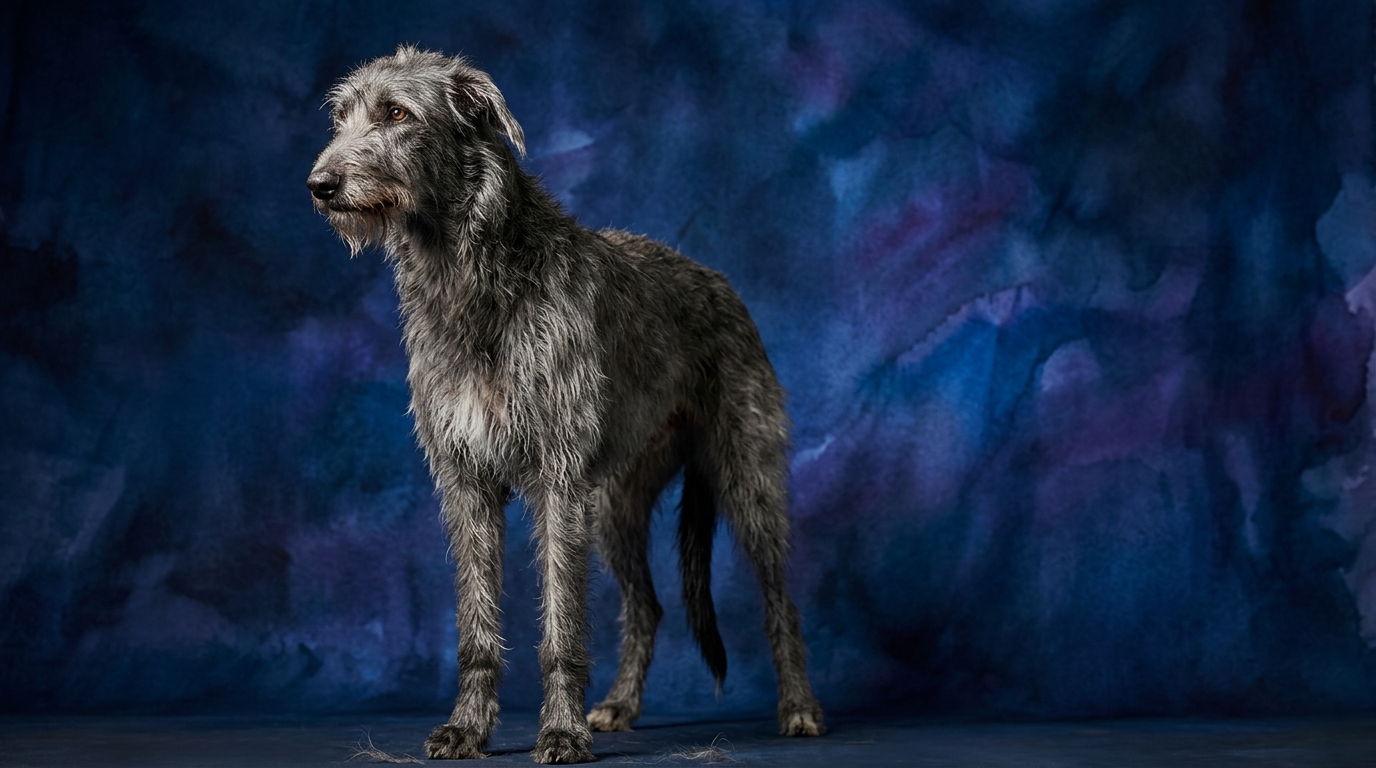
The Scottish Deerhound, a majestic hound breed not Coren-ranked, presents a different cognitive landscape. Their Problem Solving is 3/5, meaning they approach new challenges at a more measured pace, often relying on established patterns or requiring more direct guidance for complex scenarios. Training Speed is also 3/5; they learn new tasks at a steady, deliberate rate, benefiting from patient, consistent instruction and clear, positive reinforcement. Social Intelligence scores 3/5, as they engage with people and other animals with a discerning, often reserved demeanor, observing interactions carefully before fully participating. Their Instinctive Drive matches the Papillon at 3/5, displaying a moderate, yet powerful, drive for activities related to their sighthound heritage, particularly visual tracking and pursuit. Their Memory is also 3/5, holding onto learned information and experiences, though perhaps requiring more reinforcement over time compared to breeds with higher memory scores.
Where Papillon Wins Cognitively
The Papillon clearly shines in areas demanding rapid cognitive processing and adaptability. Their 5/5 in Problem Solving means they actively think through challenges, like figuring out how to open a complex treat puzzle or navigating an agility course with minimal prior exposure. This breed often anticipates human actions and responds proactively, demonstrating a nuanced understanding of their environment. A 5/5 Training Speed score highlights their impressive ability to absorb new information quickly, translating into fewer repetitions needed to master new tricks or commands. Their eagerness to learn sets them apart, allowing for complex multi-step commands and intricate routines. Furthermore, their 5/5 Memory ensures that once a Papillon learns something, it tends to stick, contributing to consistent behavior and a vast repertoire of learned responses over their lifetime. Their 4/5 Social Intelligence also gives them an edge in understanding human emotions and responding appropriately.
Where Scottish Deerhound Wins Cognitively
While the Scottish Deerhound’s cognitive profile differs from the Papillon, their strengths lie in a distinct realm of intelligence, deeply rooted in their sighthound heritage. Their 3/5 in Problem Solving signifies a preference for practical, real-world solutions over abstract puzzles, excelling at processing visual information rapidly and making independent decisions in open spaces. This is a legacy of their hunting role where swift, self-reliant action was paramount. Their 3/5 Training Speed speaks to a steady, thoughtful learning process; this breed often requires a clear understanding of the 'why' behind a command. Once a Deerhound commits, they perform with calm, focused dedication. The 3/5 in Social Intelligence indicates a discerning nature, forming deep bonds with their chosen few and offering steadfast companionship. Their instinctive Drive, also 3/5, manifests as a powerful, focused pursuit drive when triggered visually, showcasing a specialized cognitive strength in target acquisition and sustained effort.
Which is Easier to Train and Why
Without question, the Papillon presents a much easier training experience for most owners, primarily due to their exceptional scores in Training Speed (5/5) and Problem Solving (5/5). A Papillon thrives on mental engagement, quickly grasping new concepts, and often showing a keen desire to please. They pick up cues rapidly, generalize learned behaviors to new environments with ease, and eagerly participate in complex training regimens. Their high social intelligence also means they are very receptive to human instruction and feedback, making communication during training highly effective. This breed enjoys the process of learning, often turning training into a fun, interactive game.
The Scottish Deerhound, with 3/5 scores across problem-solving, training speed, and memory, requires a different approach. They learn at a more deliberate pace and respond best to patience, consistency, and motivation appealing to their sighthound nature. Repetition is key, and sessions should be positive, short, and engaging, often incorporating movement. They respond well to understanding the purpose of a command and may not be as driven by the abstract concept of "pleasing." Their independence means they might weigh a command against their own perceived best interest, requiring intrinsic rewards.
Which Suits Active Owners vs Relaxed Owners
The Papillon is an ideal match for active owners who relish mental engagement and prefer a dog always ready for the next challenge. Their quick problem-solving and training speed mean they thrive with consistent mental stimulation, whether learning new tricks, participating in dog sports, or engaging in interactive puzzle games. While small, they possess surprising energy and enjoy walks, hikes, and active play, making them suitable for owners who include their dog in daily activities. They are also highly social and appreciate being at the center of family life.
The Scottish Deerhound generally suits a more relaxed, yet still dedicated, owner. They require significant physical exercise, particularly opportunities to run in a safely enclosed large space, to satisfy their sighthound instincts. However, once exercised, they transform into calm, dignified companions who enjoy lounging and quiet companionship indoors. Their moderate social intelligence means they are not constantly demanding attention but are content to be near their family. Owners who appreciate a quiet, independent nature and provide expansive outdoor exercise, followed by peaceful indoor living, will find the Deerhound rewarding.
The Verdict
Opt for a Papillon if you desire a highly trainable, mentally agile companion eager to learn new tricks and participate in diverse activities, thriving on consistent interaction and intellectual stimulation.
Select a Scottish Deerhound if you appreciate a calm, independent companion who needs space to run and thrives on quiet companionship, valuing a dog with a discerning social nature and a thoughtful approach to life.
🧠 Find Your Pet's IQ Score
Our Pet IQ Lab assessment covers 25+ tests across 5 cognitive dimensions — personalized to your breed.
Take the Full IQ Test →Frequently Asked Questions
Do Papillons require a lot of mental stimulation to prevent destructive behaviors?
Yes, due to their 5/5 problem solving and training speed, Papillons benefit greatly from consistent mental enrichment. Without adequate engagement, their sharp minds can lead to boredom and potentially redirected energy into unwanted behaviors, making puzzles, training, and interactive play crucial.
Is a Scottish Deerhound suitable for apartment living despite its size?
While large, a Scottish Deerhound can adapt to apartment living if their significant exercise needs are met daily, ideally with access to a large, securely fenced area for running. Their calm indoor demeanor and moderate social intelligence mean they are not constantly active inside, but the outdoor space is non-negotiable.
How do the memory differences impact daily life with these breeds?
The Papillon's 5/5 memory means they recall commands and routines almost flawlessly, simplifying consistent behavior. The Scottish Deerhound's 3/5 memory suggests that while they learn, occasional refreshers or consistent reinforcement are more important to maintain their recall, especially for less frequently used commands.