Side-by-Side Cognitive Profiles
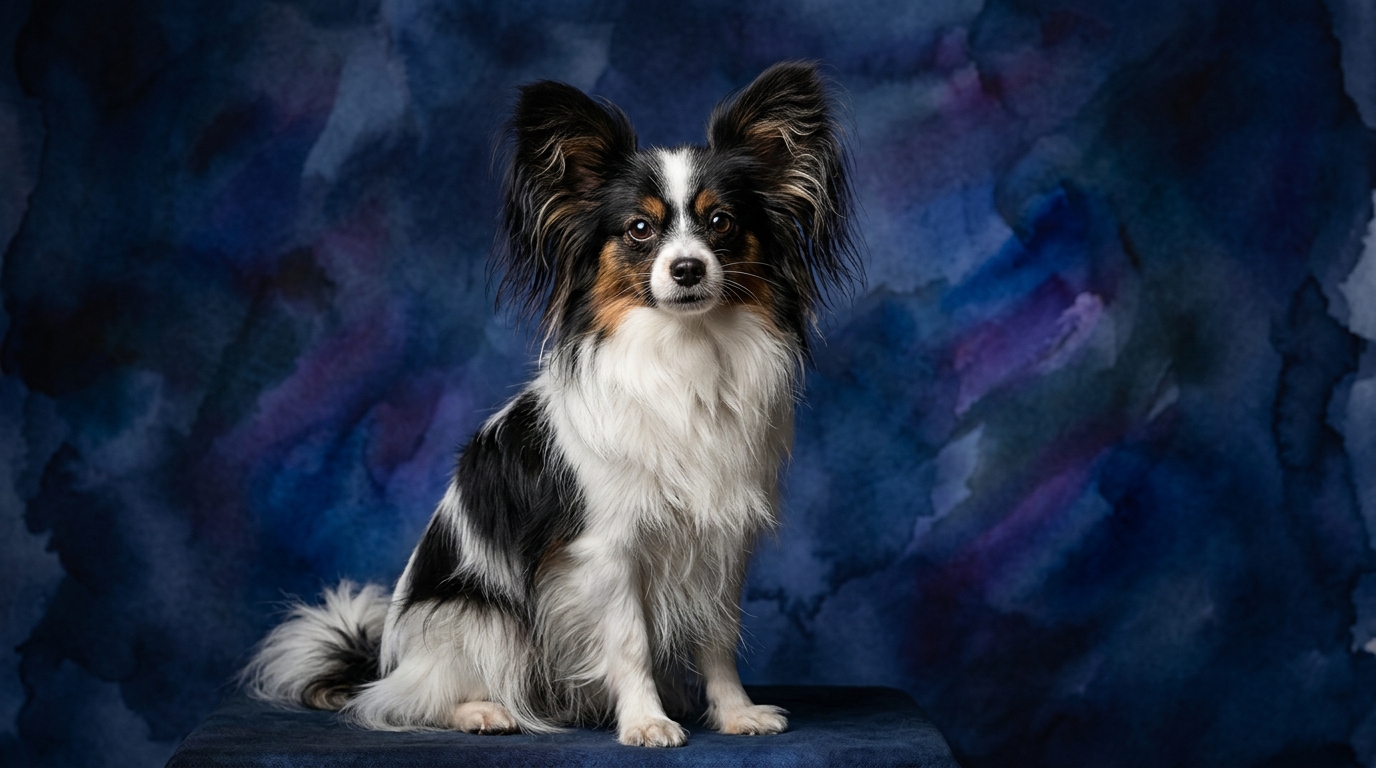
At The Cosmic Pet Pet IQ Lab, we analyze canine intelligence across five key dimensions. The Papillon, ranking #8 on Stanley Coren's scale, demonstrates a cognitive profile geared for rapid learning and intricate interaction. Their Problem Solving is rated 5/5, indicating a strong aptitude for figuring out novel situations, overcoming obstacles, and devising strategies to achieve goals beyond simple instruction. Training Speed also scores 5/5, reflecting their remarkable alacrity in absorbing new commands and complex routines, thriving on mental engagement. Social Intelligence is 4/5, showing a nuanced ability to read human emotions and intentions, forming deep, responsive bonds. Their Instinctive Drive is 3/5, meaning while they retain some innate behaviors, their primary motivation is companionship. Finally, Memory stands at 5/5, underpinning their capacity to retain a vast repertoire of learned behaviors and navigate environments with ease.
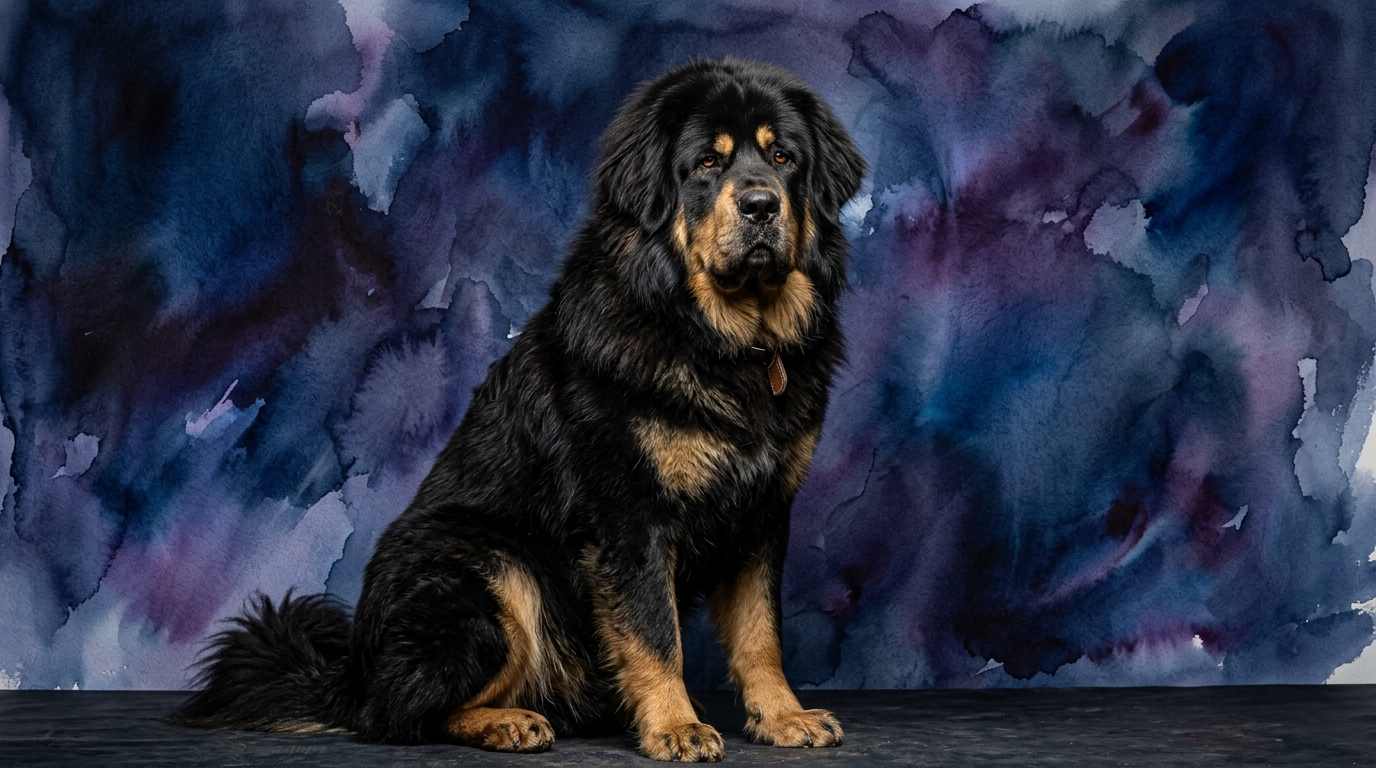
The Tibetan Mastiff, while not Coren-ranked, presents a unique cognitive architecture, specialized for its working origins. Their Problem Solving is rated 3/5, indicating a capability for practical problem-solving, particularly those related to their guarding role, though they may not exhibit the same innovative, abstract approach. Training Speed is 3/5; they learn at a moderate pace, but their independent nature often requires consistent, patient training and clear motivation, as they tend to question the relevance of commands. Social Intelligence is 3/5; they are discerning and fiercely loyal to their family, adept at assessing threats, but less universally gregarious than some breeds. Their Instinctive Drive is 3/5, a score that, in their case, signifies a potent and defining guarding instinct that heavily influences their behavior. Memory is also 3/5, meaning they retain information, especially regarding their territory, routines, and who belongs, but perhaps less focused on a broad array of complex obedience commands.
Where the Papillon Excels Cognitively
The Papillon's cognitive strengths lie in its agility of thought and profound adaptability, particularly in human-centric tasks. With a 5/5 in Problem Solving compared to the Mastiff's 3/5, a Papillon might swiftly decipher the mechanics of a new puzzle toy or strategize how to retrieve a treat hidden under an overturned cup, demonstrating ingenuity rather than brute force. Their superior Training Speed (5/5 vs. 3/5) means they absorb new commands and complex sequences with remarkable ease, often requiring fewer repetitions. This makes them exceptional candidates for dog sports like agility or competitive obedience, where rapid processing and execution of multiple cues are paramount. Their 5/5 Memory also allows them to build an extensive vocabulary of commands and tricks, far surpassing the breadth typically seen in a Tibetan Mastiff. Furthermore, their 4/5 Social Intelligence makes them exceptionally attuned to subtle human cues and emotional states, fostering a highly communicative partnership that facilitates nuanced interactions.
Where the Tibetan Mastiff Demonstrates Unique Strengths
While not excelling in abstract puzzles or rapid obedience, the Tibetan Mastiff's cognitive architecture is supremely optimized for its historical role as an independent guardian. Their 3/5 in Problem Solving, while lower, is highly specialized, allowing them to make critical, independent judgments in security-related scenarios. This isn't about solving a complex puzzle box, but rather assessing a potential threat to their territory and deciding on an appropriate, often self-initiated, response without direct human command. Their Instinctive Drive, deeply rooted in protection, fuels a profound situational awareness that manifests as a unique cognitive strength. A Mastiff's memory, though rated 3/5, is particularly robust for retaining information pertinent to its role: who belongs, who doesn't, and the layout of its territory. Their Social Intelligence, also 3/5, is geared towards discerning loyalty and assessing intentions, making them astute judges of character within their perceived domain. This combination allows them to operate with a self-reliant vigilance that few breeds can match, making decisions based on their own assessment of the environment and perceived threats.
Training: Ease and Behavioral Differences
When considering ease of training, the Papillon undeniably holds the advantage. Their exceptional Training Speed (5/5) and strong desire to work collaboratively with their human partners translate into a highly responsive training experience. They thrive on positive reinforcement and mental challenges, quickly grasping complex sequences like agility courses or trick training. Their lower Instinctive Drive (3/5, indicating less distraction from strong, intrinsic urges like guarding) allows for greater focus on human-directed tasks. A Papillon views training as an engaging partnership, eager to please and quick to understand expectations, making them a joy for owners who enjoy teaching and bonding through learning.
The Tibetan Mastiff presents a different training landscape. Their moderate Training Speed (3/5) and powerful independent judgment, rooted in their guardian instincts, mean they often weigh commands against their own assessment of a situation's relevance or necessity. They are not 'eager-to-please' in the conventional sense; their cooperation stems from respect and trust, rather than an inherent drive for performance. Training a Tibetan Mastiff demands profound patience, unwavering consistency, and an understanding that their primary role is often self-determined. They respond best to fair, firm leadership and clear boundaries, understanding *why* a command is important, rather than endless repetitions of arbitrary tasks. Their memory for relevant things is good, but 'relevant' to them often means 'related to their job' as a protector.
Owners: Active Engagement vs. Calm Vigilance
The Papillon is an ideal companion for owners who seek active engagement and mental stimulation. Despite their small stature, they possess surprising energy and a keen mind that demands consistent challenge. Owners who delight in engaging a sharp mind through diverse activities like agility, rally obedience, or learning intricate tricks will find the Papillon a willing and able partner. They excel in dog sports and thrive on being an active participant in their owner's life, requiring consistent interaction and mental exercises to prevent boredom. A Papillon truly flourishes when its mental faculties are consistently challenged, making them a superb fit for individuals who view dog ownership as an active, collaborative pursuit.
The Tibetan Mastiff is better suited for owners who appreciate a calm, watchful presence and possess the space and experience to manage a breed with potent guarding instincts. They are not 'active' in the sense of needing to run miles daily; rather, they need ample space to roam and patrol their territory, preferring to observe and maintain vigilance. While they don't demand constant, high-intensity physical activity, their owner must be highly proactive in early socialization and consistent, fair management to channel their formidable protective drives appropriately. They suit experienced owners who can provide clear leadership, understand the nuances of a powerful, independent guardian, and are prepared for the lifelong commitment of managing their unique temperament.
The Verdict
Choose the Papillon if you seek a highly interactive, quick-to-learn companion eager for mental engagement, dog sports, and a strong partnership in daily life, especially if you enjoy teaching complex behaviors.
Choose the Tibetan Mastiff if you are an experienced dog owner seeking a majestic, independent guardian, appreciate a calm but watchful presence, and are prepared for a lifelong commitment to consistent, understanding management of their unique temperament and powerful protective instincts.
🧠 Find Your Pet's IQ Score
Our Pet IQ Lab assessment covers 25+ tests across 5 cognitive dimensions — personalized to your breed.
Take the Full IQ Test →Frequently Asked Questions
Are Papillons good for first-time dog owners?
Papillons can be suitable for first-time dog owners, given their eagerness to learn and bond, but their need for mental stimulation means a new owner must be prepared to engage them actively beyond basic care. Their small size makes them manageable, but their quick minds require consistent interaction and training.
Do Tibetan Mastiffs need a lot of exercise?
Tibetan Mastiffs do not require intense, prolonged exercise like some working breeds; rather, they need ample space to roam and patrol their territory. Daily walks and mental stimulation are beneficial, but their energy expenditure is more about vigilant observation and patrolling their domain than sustained physical activity.
Can a Papillon live with a Tibetan Mastiff?
While possible with careful, early socialization and management, the vast size and temperament differences present challenges. A Papillon's delicate nature could be accidentally harmed, and a Mastiff's guarding instincts might conflict with the Papillon's social style, requiring constant supervision and a well-established hierarchy.