Side-by-Side Cognitive Profiles
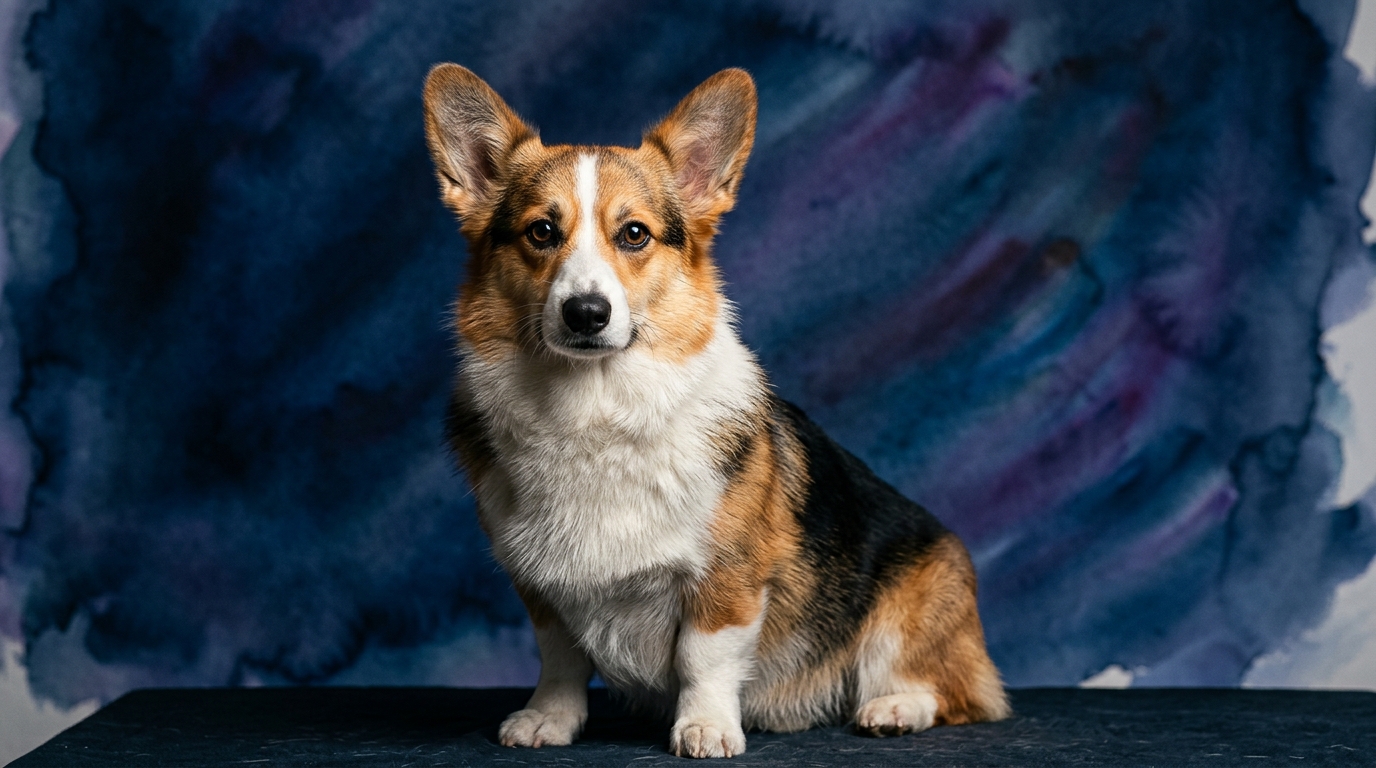
The Pembroke Welsh Corgi, a compact herding dog, ranks impressively at #11 on Stanley Coren's scale, indicating a sharp mind for obedience and adaptive tasks. Their problem-solving ability, rated at 4/5, manifests in their cleverness, often finding inventive ways to achieve their goals, whether it's moving livestock or retrieving a favorite toy from under furniture. Training speed is a standout at 5/5, reflecting their eagerness to engage with human instruction and quickly grasp new commands and routines, making them highly receptive learners. Social intelligence, also 4/5, enables them to keenly observe and respond to human emotions and social cues, fostering strong bonds and adaptability in various family dynamics. An instinctive drive of 5/5 powers their inherent herding tendencies, often seen in their attempts to 'manage' family members or other pets, coupled with a strong work ethic. Finally, their memory, rated 4/5, allows them to retain a vast repertoire of learned behaviors and experiences, making them reliable companions once trained.
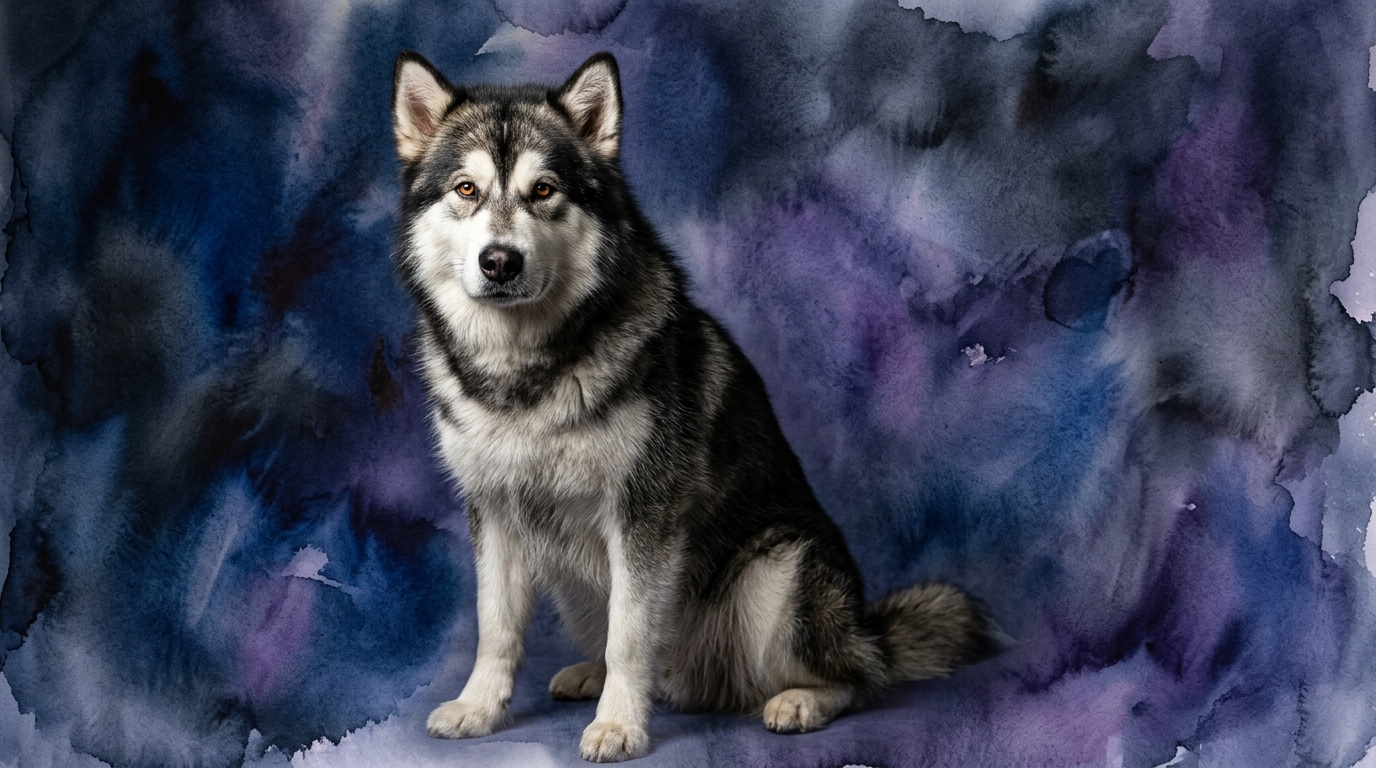
The Alaskan Malamute, a powerful working breed, holds a Coren rank of #50, a position that speaks more to their independent nature than a lack of mental capacity. Their problem-solving is robust at 4/5, often focused on practical challenges like navigating complex terrains, finding resources, or strategizing to achieve their own objectives, which can sometimes be perceived as stubbornness in human-centric tasks. Training speed, at 2/5, is a key differentiator; Malamutes require patient, consistent, and engaging training methods due to their self-reliant disposition and less inherent desire to simply please. Social intelligence, at 3/5, underscores their strong pack mentality and deep bonds with their chosen family, though they can be more reserved or discerning with strangers, preferring their established circle. Their instinctive drive is a formidable 5/5, rooted in their heritage as endurance sled dogs, demanding sustained physical work and showcasing a powerful prey drive and wanderlust. Memory, rated 4/5, serves them well in remembering routes, tasks, and the intricacies of their environment and social structure.
Where the Pembroke Welsh Corgi Excels Cognitively
The Pembroke Welsh Corgi clearly takes the lead in areas demanding quick responsiveness and a desire to collaborate directly with humans. Their exceptional training speed, rated 5/5 compared to the Malamute's 2/5, means Corgis typically pick up new commands and routines with remarkable alacrity. This eagerness to engage and perform, stemming from their herding background where quick reactions and attentiveness to handler cues were paramount, makes them highly biddable. Furthermore, their superior social intelligence (4/5 versus 3/5) allows Corgis to more readily interpret subtle human signals and adapt their behavior accordingly, making them highly perceptive companions in a domestic setting. This cognitive agility contributes significantly to their higher Coren rank of #11, reflecting their consistent performance in obedience trials and their capacity for adaptive learning in structured environments. A Corgi's problem-solving, while equally rated, often leans towards finding solutions within a human framework, like mastering a puzzle toy or figuring out how to get attention, aligning well with human expectations for a companion animal.
Where the Alaskan Malamute Excels Cognitively
While the Corgi excels in cooperative tasks, the Alaskan Malamute's cognitive strengths lie in areas demanding independence, resilience, and a deep understanding of their environment. Although both breeds share a 5/5 instinctive drive, the Malamute's drive is geared towards sustained, self-directed physical exertion and survival in harsh conditions. This manifests as an unparalleled endurance and a powerful, internally motivated work ethic, perfect for pulling heavy loads over long distances rather than the Corgi's quick bursts of herding activity. Their problem-solving (4/5) often involves complex environmental navigation, resourcefulness in challenging situations, or devising strategies to achieve personal goals, which can sometimes appear as a 'stubborn' refusal to comply with a human command if it conflicts with their own perceived objective. This self-reliance, honed over generations of working in formidable landscapes, means a Malamute often thinks *for* themselves rather than simply waiting for instructions. Their memory (4/5), while equally rated, is particularly strong for recalling vast terrains and complex routes, crucial for a sled dog, and remembering social dynamics within their pack.
Training Dynamics: Corgi vs. Malamute
When assessing ease of training, the Pembroke Welsh Corgi is the undisputed frontrunner due to their 5/5 training speed and 4/5 social intelligence. Corgis possess a strong desire to please their human companions, combined with a natural attentiveness and responsiveness inherited from their herding lineage. They thrive on positive reinforcement and structured training sessions, quickly associating commands with actions and rewards. Their historical role required them to work in close partnership with shepherds, demanding quick reflexes and the ability to follow intricate instructions, which translates into a biddable and cooperative pupil. For example, a Corgi will typically master 'sit' and 'stay' with fewer repetitions and greater enthusiasm than a Malamute. The Alaskan Malamute, with a training speed of 2/5 and social intelligence of 3/5, presents a more significant training challenge. Their intelligence is geared towards independent decision-making and problem-solving in a working context, not necessarily towards eager compliance. A Malamute might understand a command perfectly but choose not to execute it if they perceive a more pressing or rewarding alternative, like investigating a compelling scent trail. This 'selective hearing' is a hallmark of their self-reliant nature. Training a Malamute requires immense patience, consistency, and a deep understanding of their motivations, often needing to convince them that cooperation is in their best interest, rather than relying on an inherent desire to please.
Matching Breed to Lifestyle: Active vs. Relaxed Owners
Neither the Pembroke Welsh Corgi nor the Alaskan Malamute are suited for truly 'relaxed' owners in the sense of minimal engagement; both require significant mental and physical stimulation, albeit of different intensities and types. For active owners who enjoy structured activities, dog sports, and consistent training, the Pembroke Welsh Corgi can be an excellent fit. Their mental agility, eagerness to learn, and moderate physical requirements make them suitable for agility, obedience, or even urban exploration, as long as their minds are kept busy with puzzle toys and interactive games. They can adapt well to various living situations, including apartments, provided their daily needs for walks and mental challenges are met. Owners who appreciate a dog that is eager to collaborate and quick to learn will find the Corgi a rewarding companion. Conversely, the Alaskan Malamute demands a truly active and experienced owner. Their immense physical endurance and powerful instinctive drive (5/5) necessitate extensive daily exercise, such as long hikes, jogging, or participating in pulling sports like canicross or sledding. A Malamute thrives on having a 'job' and requires an owner who can provide consistent leadership and channel their independent problem-solving into appropriate outlets. A relaxed owner will quickly find a bored Malamute becoming destructive, vocal, or prone to escape attempts, driven by their innate need for physical and mental exertion. These are dogs for adventurers and those committed to a substantial outdoor lifestyle.
The Verdict
Choose a Pembroke Welsh Corgi if you seek a highly trainable, socially perceptive companion eager for mental games and structured activities, adaptable to various lifestyles with consistent engagement. They thrive on collaborative learning and quick problem-solving.
Opt for an Alaskan Malamute if you are an experienced, active owner valuing an independent, resilient companion for demanding outdoor adventures and are prepared for significant commitment to exercise and patient, consistent training.
🧠 Find Your Pet's IQ Score
Our Pet IQ Lab assessment covers 25+ tests across 5 cognitive dimensions — personalized to your breed.
Take the Full IQ Test →Frequently Asked Questions
Do Pembroke Welsh Corgis have a strong prey drive?
Yes, while primarily herders, Corgis can exhibit a moderate prey drive due to their historical role in working outdoors. They might chase small animals or show interest in fast-moving objects, requiring appropriate training and supervision to manage this instinct.
Are Alaskan Malamutes good off-leash?
Alaskan Malamutes are generally not recommended for off-leash activities in unfenced areas due to their powerful instinctive drive (5/5) and strong prey drive. Their independent nature and wanderlust mean they may follow scents or perceived game over long distances, making recall unreliable.
How do Corgi and Malamute problem-solving styles differ?
Both breeds score 4/5 in problem-solving, but their styles diverge. Corgis often solve problems within a human context, like figuring out puzzle toys or manipulating situations for attention. Malamutes apply their problem-solving to environmental challenges, such as navigating complex terrains or strategizing to achieve self-serving goals, sometimes appearing stubborn.