Side-by-Side IQ Profile: Pembroke Welsh Corgi vs. Great Pyrenees
The Cosmic Pet Pet IQ Lab employs a five-dimensional framework to assess canine intelligence, offering a nuanced view beyond simple obedience. Let's examine how these two breeds stack up.
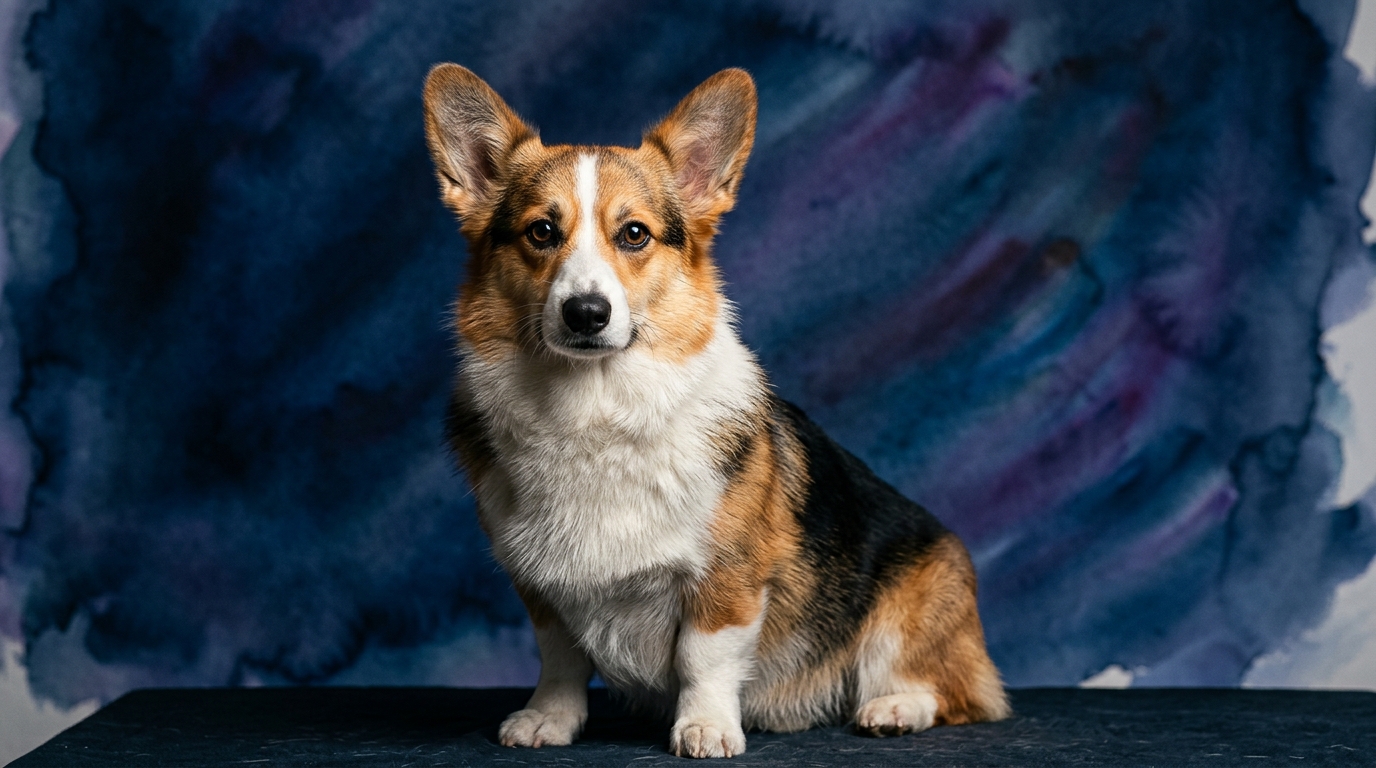
For the Pembroke Welsh Corgi (Herding, Coren rank #11):
Problem Solving (4/5): Their herding heritage demands strategic thinking, making them adept at navigating complex environments or manipulating objects to achieve goals. They approach novel situations with curious, analytical minds, often experimenting with solutions.
Training Speed (5/5): Corgis absorb new commands and routines remarkably fast, often picking up tasks after only a few repetitions. Their inherent desire to work alongside and please human companions makes them highly receptive to training.
Social Intelligence (4/5): Generally perceptive of human emotions and social cues, integrating well into family dynamics. While their herding instinct might prompt playful nips at heels, they understand social hierarchies and respond to clear communication, forming deep, interactive bonds.
Instinctive Drive (5/5): A robust herding drive is their core, manifesting as a strong desire to gather, direct, and control. This provides a powerful internal motivator for structured play and work, making them exceptionally engaged in activities that mimic their ancestral duties.
Memory (4/5): Possessing a strong memory, Corgis recall a vast repertoire of commands, routines, and past experiences. This aids consistent performance and adaptability in various training scenarios, allowing them to build upon previous successes.
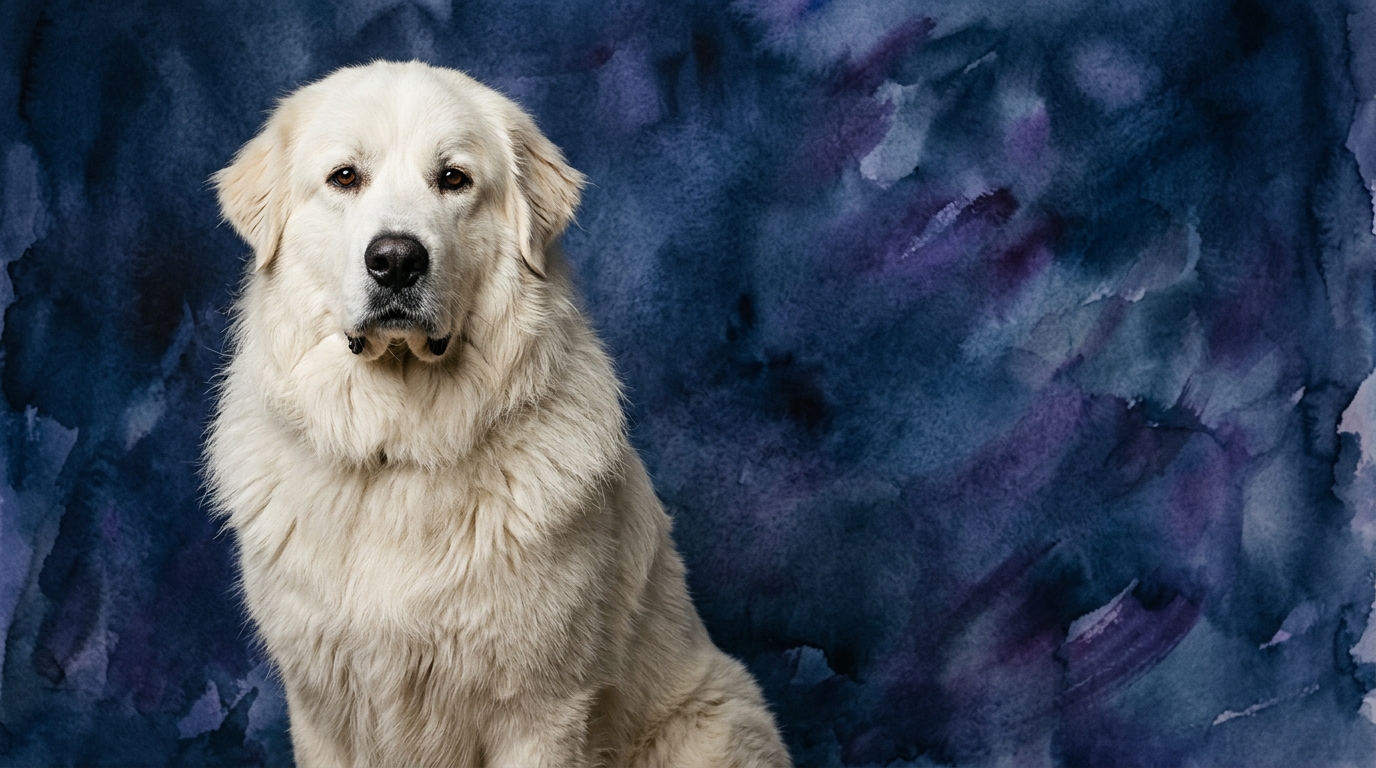
For the Great Pyrenees (Working, Coren rank #64):
Problem Solving (3/5): Their problem-solving is rooted in independent judgment, particularly concerning the safety and well-being of their charges. They autonomously assess threats and strategize deterrents, appearing deliberate rather than quick in human-centric contexts.
Training Speed (3/5): While capable of learning, the Great Pyrenees often processes commands and new information at their own measured pace. Their priority is their inherent guardian role, meaning compliance is often weighed against their own assessment of the situation, demanding immense patience.
Social Intelligence (3/5): Within their 'flock' or family, they exhibit calm, protective social intelligence, discerning who belongs and who might pose a threat. Interactions are often filtered through guardianship, making them less inclined towards effusive, collaborative social games.
Instinctive Drive (3/5): An unwavering, self-directed instinct for guardianship dominates. This involves constant vigilance, patrolling boundaries, and a deep-seated commitment to protecting territory and family, often acting on their own initiative rather than waiting for specific commands.
Memory (3/5): They possess functional memory for important territorial boundaries, routines, and perceived threats, crucial for guardian duties. Less inclined to memorize extensive human-initiated commands compared to breeds bred for close, collaborative work, preferring to remember what is essential for their core purpose.
Where Pembroke Welsh Corgi Wins Cognitively
The Pembroke Welsh Corgi's cognitive profile shines brightest in areas demanding rapid learning, enthusiastic cooperation, and agile mental processing. Their exceptional training speed (5/5) means they absorb new commands and complex sequences with remarkable efficiency, making them a joy for anyone pursuing obedience, agility, or trick training. This is bolstered by their strong problem-solving ability (4/5), allowing them to quickly decipher new challenges, whether navigating an intricate agility course or figuring out a puzzle toy. Their robust memory (4/5) ensures these learned behaviors are retained, building a broad repertoire of skills. Furthermore, their social intelligence (4/5), combined with a high instinctive drive (5/5) to engage with their human 'flock,' translates into a keen understanding of human expectations and a strong desire to work in partnership, making them exceptionally responsive and adaptable companions in collaborative tasks.
Where Great Pyrenees Wins Cognitively
Conversely, the Great Pyrenees demonstrates distinct cognitive strengths, particularly in independent thought and unwavering vigilance, paramount to their historical role. Their problem-solving (3/5), while not quick in a human-directed context, is profoundly effective in autonomous threat assessment and resolution. They excel at evaluating situations independently, making judicious decisions about protection without constant human input. This self-sufficiency is intertwined with their instinctive drive (3/5), a powerful, self-sustaining engine for guardianship, requiring minimal prompting for observation and defense. Their social intelligence (3/5) is finely tuned to protecting their perceived 'flock,' exhibiting calm, discerning judgment regarding their environment. They possess a long-term memory (3/5) for territory and routines, enabling consistent, reliable performance in guardian duties over extended periods, making them masters of patient, strategic oversight.
Which is Easier to Train and Why
When considering ease of training for a diverse range of human-initiated tasks, the Pembroke Welsh Corgi holds a clear advantage. Their impressive training speed (5/5) means they are eager to learn and quick to respond to cues, often picking up new behaviors with minimal repetition. This is complemented by their strong desire to please and their herding background, which has instilled a natural inclination to work collaboratively with handlers. They thrive on positive reinforcement and mental stimulation from learning. The Great Pyrenees, however, presents a different training dynamic. With a moderate training speed (3/5) and an independent guardian nature, they approach commands with thoughtful, self-assured deliberation. They are not inherently driven to rapid compliance but rather to their own assessment of a situation's safety and importance. Training a Great Pyrenees requires exceptional patience, consistency, and a deep understanding of their self-reliant motivations, often needing to appeal to their inherent sense of duty rather than just a desire to please.
Which Suits Active Owners vs. Relaxed Owners
The Pembroke Welsh Corgi is ideally suited for active owners who can provide ample mental and physical stimulation. Their heritage as a herding dog means they possess robust energy and a keen intellect that thrives on structured activities, regular training, and opportunities to channel their drive into productive outlets. They excel in dog sports like agility or obedience, requiring an owner who enjoys consistent engagement and a lively companion. In contrast, the Great Pyrenees, despite its imposing size, often suits owners who appreciate a more relaxed indoor presence coupled with a strong, independent outdoor purpose. While they need regular, moderate exercise like daily walks and a secure yard for patrolling, they are not typically built for intense, sustained aerobic activity. They are best for owners seeking a steadfast, protective companion content with vigilant observation and a calm demeanor indoors, rather than a demanding training partner for high-impact sports.
The Verdict
Choose the Pembroke Welsh Corgi if you seek a highly interactive, trainable, and energetic companion eager for shared activities and consistent learning.
Opt for the Great Pyrenees if you desire a calm, independent, protective guardian who excels at self-sufficiency and provides a steadfast, watchful presence.
🧠 Find Your Pet's IQ Score
Our Pet IQ Lab assessment covers 25+ tests across 5 cognitive dimensions — personalized to your breed.
Take the Full IQ Test →Frequently Asked Questions
Are Corgis good family dogs?
Yes, Corgis are generally affectionate and social within their family, often forming strong bonds. However, their herding instincts might manifest as gentle nipping at heels, requiring consistent training and supervision, especially with small children.
Do Great Pyrenees need a lot of exercise?
While large, Great Pyrenees are not typically high-energy dogs requiring intense exercise. They benefit from consistent, moderate activity like daily walks and having a secure yard to patrol, fulfilling their natural guardian instincts.
Can a Great Pyrenees live in an apartment?
A Great Pyrenees can struggle in an apartment due to their size and strong territorial instincts. They thrive with ample space, ideally a secure yard, to fulfill their patrolling duties and maintain their calm, watchful demeanor.