The Cognitive Divide: Side-by-Side IQ Profiles
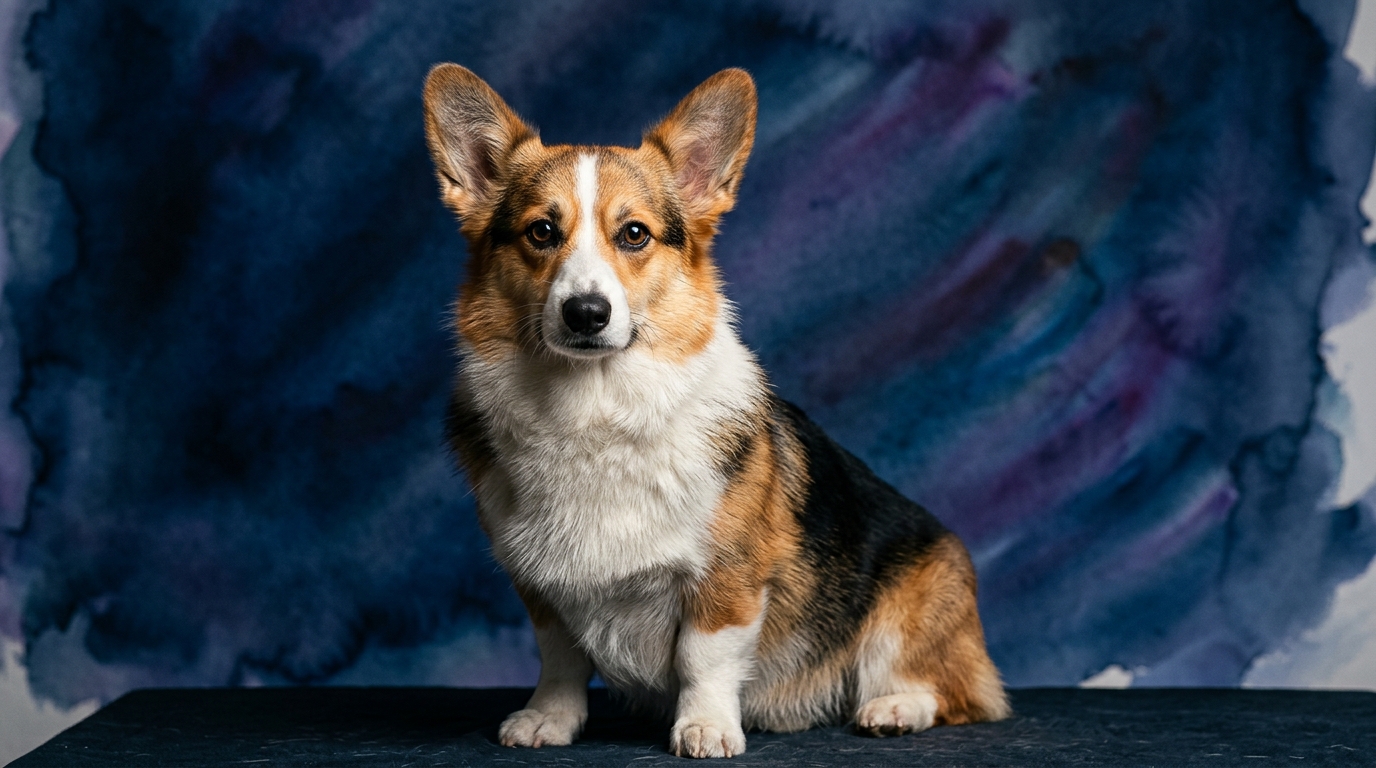
**Pembroke Welsh Corgi:** This breed, ranked #11 by Coren, demonstrates a remarkable blend of mental acuity and drive. Their **Problem Solving (4/5)** reflects a robust capacity for figuring out novel challenges, often with quick, adaptable trial-and-error. **Training Speed (5/5)** is exceptional, allowing them to absorb new commands and routines with impressive swiftness, often after just a few repetitions. **Social Intelligence (4/5)** means they are keenly attuned to human cues and moods, forming deep, responsive bonds. Their **Instinctive Drive (5/5)**, rooted in herding, translates into a persistent desire to engage and manage, making them highly motivated for structured activities. A solid **Memory (4/5)** ensures they retain learned behaviors and experiences over time, aiding consistent performance.
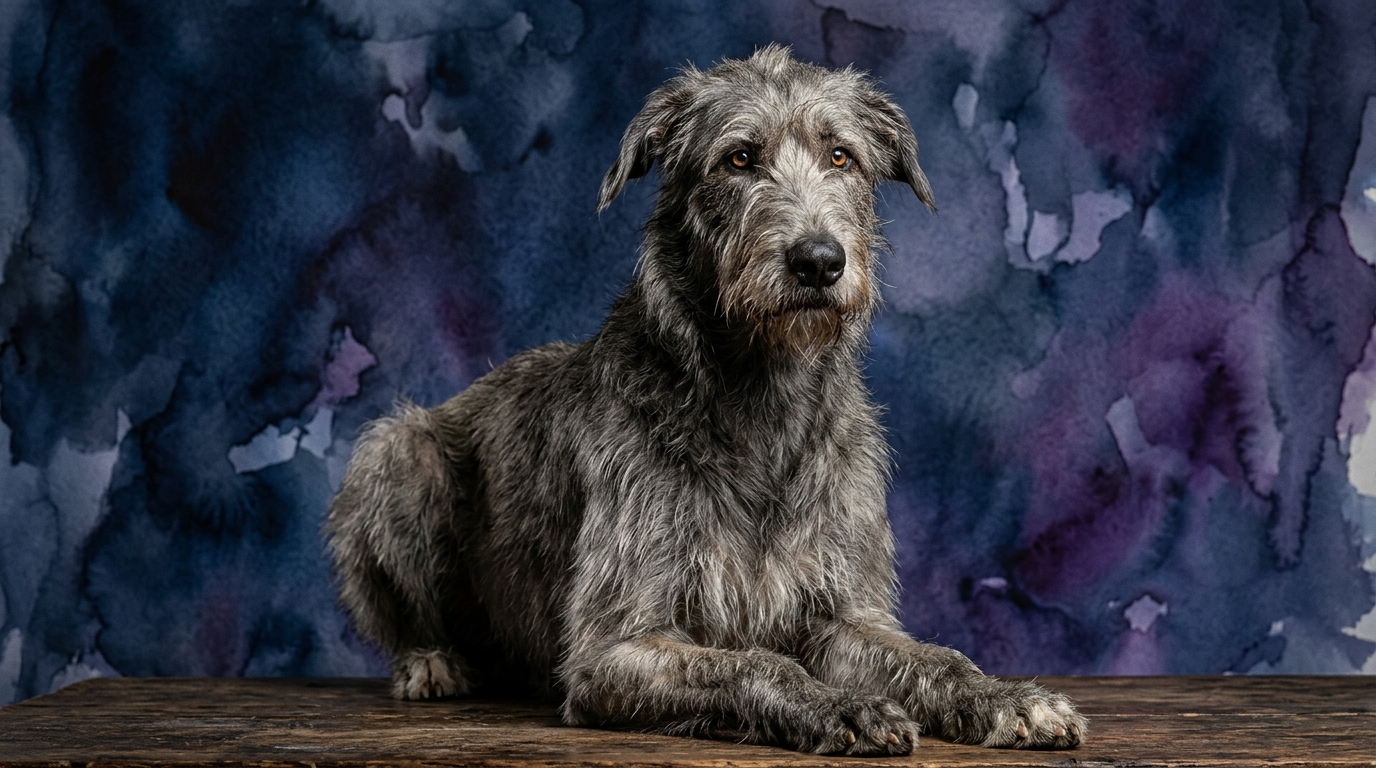
**Irish Wolfhound:** As a sighthound, the Irish Wolfhound presents a different cognitive landscape, unranked by Coren but distinctly capable. Their **Problem Solving (3/5)** involves a more deliberate, thoughtful approach, often observing and processing before acting, rather than quick, impulsive reactions. **Training Speed (3/5)** indicates they are capable learners but require more patience and consistency, typically needing more repetitions to solidify new behaviors. **Social Intelligence (3/5)** is discerning and profound; they form deep, loyal bonds but are often less overtly eager to please, favoring a quiet, empathetic connection. Their **Instinctive Drive (3/5)** is less about constant task-seeking and more about independent pursuit, reflecting their sighthound heritage. A functional **Memory (3/5)** allows them to retain routines and important social connections, though perhaps with less immediate recall than a Corgi.
Where the Pembroke Welsh Corgi Excels Cognitively
The Pembroke Welsh Corgi's cognitive profile showcases a highly interactive and responsive mind. Their **training speed (5/5)** is a clear advantage, allowing them to absorb complex commands and behaviors with exceptional rapidity, making them prime candidates for advanced obedience, agility, and rally. This quick uptake, combined with strong **problem-solving (4/5)**, means Corgis are not just rote learners but can apply principles to novel situations, like figuring out how to access a forbidden treat or navigate a new puzzle. Their **instinctive drive (5/5)**, a powerful legacy of their herding background, fuels a persistent desire to engage, control, and participate, translating into a strong work ethic and focus during tasks. This drive, coupled with their robust **social intelligence (4/5)**, ensures they are often keenly attuned to their owner's wishes, eager to collaborate and understand subtle cues. Their reliable **memory (4/5)** further strengthens their cognitive performance, building a solid foundation for consistent learning and long-term retention of skills and routines. These combined attributes establish the Corgi as a cognitive powerhouse for owners seeking an engaging, quick-witted companion.
Where the Irish Wolfhound's Cognition Shines Differently
While the Irish Wolfhound's scores are consistently at 3/5, this highlights a distinct, equally valuable form of cognitive strength, rooted in their ancient role as independent hunters. Their **problem-solving (3/5)**, though not as rapid as the Corgi's, is characterized by a more deliberate and observational approach; a Wolfhound might take time to assess a new situation before calmly executing a solution, reflecting a patient, less impulsive mental process. This thoughtful processing can be a benefit for owners who appreciate a dog that contemplates its environment rather than reacting instantly. Their **social intelligence (3/5)**, while less overtly eager, translates into a profound, discerning loyalty and a deep, quiet understanding of their family members. This independence can be an advantage for owners desiring a companion that is content with a calm, self-reliant presence rather than constant interaction. The moderate **instinctive drive (3/5)** means they are not constantly seeking a "job" or demanding high-octane activities, offering a calmer disposition that is a cognitive benefit for relaxed households. Their **memory (3/5)**, while not as sharp as some breeds, is sufficient for retaining routines and important social connections, allowing them to navigate their familiar world with dignity. The Irish Wolfhound's cognitive strengths lie in their calm, independent thought and a deep, discerning connection, rather than rapid, task-oriented eagerness.
Training Ease: Corgi's Quick Wit vs. Wolfhound's Thoughtful Pace
In terms of training ease, the Pembroke Welsh Corgi holds a clear advantage, primarily due to its exceptional **training speed (5/5)** and robust **instinctive drive (5/5)**. A Corgi's inherent eagerness to engage and their rapid mental processing mean they grasp new commands almost immediately, often being highly food-motivated and eager to please, which makes positive reinforcement highly effective. For example, teaching a Corgi to reliably "stay" might require just a few short, focused sessions. Conversely, the Irish Wolfhound, with a **training speed of 3/5**, demands a more patient and consistent approach. Their independent nature and less intense instinctive drive mean they may not see the immediate "point" of a command as readily as a Corgi. While fully capable of learning, a Wolfhound typically requires more repetitions and a calmer, more encouraging training environment to solidify behaviors, as they respond poorly to harsh corrections. Behavioral differences are apparent: a Corgi often actively seeks training and interaction, offering behaviors to earn rewards, whereas a Wolfhound might wait for instruction, process it, and then respond with a more deliberate pace. The Corgi's higher **social intelligence (4/5)** also aids training, as they are often more attuned to human body language and vocal cues, anticipating expectations. For the Wolfhound (3/5), understanding these nuances might take longer, demanding clearer, more explicit communication from the trainer.
Lifestyle Suitability: Active Engagement vs. Relaxed Companionship
The distinct cognitive profiles of these two breeds naturally align them with different owner lifestyles. The Pembroke Welsh Corgi, with its strong **instinctive drive (5/5)**, superior **problem-solving (4/5)**, and rapid **training speed (5/5)**, is an ideal fit for active owners who delight in engaging their dog in consistent mental and physical challenges. These owners thrive on teaching new tricks, participating in dog sports like agility or herding trials, or even daily structured play sessions that satisfy the Corgi's need for a "job." A Corgi without sufficient mental stimulation can become bored and develop undesirable behaviors, reflecting their need for an outlet for their sharp minds and strong drives. Their compact size belies their energetic spirit, making them suitable for active households, even in smaller spaces, provided their cognitive and physical exercise needs are met.
In contrast, the Irish Wolfhound, characterized by a more moderate **instinctive drive (3/5)** and a slower **training speed (3/5)**, is better suited for relaxed owners who appreciate a calm, dignified companion. While these giants still require regular exercise to maintain physical health—short, brisk walks or trots are essential—their mental needs are less about constant, high-intensity tasks and more about thoughtful companionship. Owners who enjoy a dog that can observe and participate in family life with a quiet, serene presence, rather than demanding constant interaction, will find a wonderful match in the Wolfhound. Their more deliberate approach to **problem-solving (3/5)** and less urgent **social intelligence (3/5)** mean they are less prone to demanding attention and more content to simply be near their people. They excel in environments where their grand size is accommodated, and their gentle nature is understood, offering a peaceful, albeit large, presence in the home.
The Verdict
Choose the Pembroke Welsh Corgi if you seek a highly trainable, eager-to-please companion for engaging in dog sports, intricate command work, or active family life, thriving on consistent mental and physical challenges and offering quick-witted responses.
Opt for the Irish Wolfhound if you appreciate a thoughtful, independent companion that offers a calm, dignified presence, requiring patience in training but rewarding with a deep, discerning bond and a less demanding cognitive need for constant 'work.'
🧠 Find Your Pet's IQ Score
Our Pet IQ Lab assessment covers 25+ tests across 5 cognitive dimensions — personalized to your breed.
Take the Full IQ Test →Frequently Asked Questions
How does the Coren ranking for the Corgi compare to the Irish Wolfhound's unranked status?
The Corgi's Coren rank of #11 signifies its exceptional working and obedience intelligence, placing it among the quickest learners. The Irish Wolfhound's unranked status doesn't mean a lack of intelligence, but rather that its cognitive strengths, rooted in its sighthound independence, are not as readily measured by obedience-focused metrics.
Do Irish Wolfhounds need less mental stimulation because their IQ scores are generally lower?
Irish Wolfhounds still require mental stimulation, but it differs in intensity and type. While they don't typically demand constant, complex tasks like a Corgi, they benefit from puzzle toys, scent work, and consistent, calm training sessions to keep their minds engaged without overstimulating their more deliberate cognitive style.
How does the instinctive drive differ between these two breeds in daily life?
The Corgi's strong instinctive drive (5/5) means they often seek out activities, displaying a natural inclination to herd, chase, or control, requiring outlets for this energy. The Irish Wolfhound's moderate drive (3/5) translates to a calmer demeanor, less prone to constantly seeking a 'job,' and more content with periods of rest and observation, though they retain a chase instinct for moving objects.