Side-by-Side IQ Profile
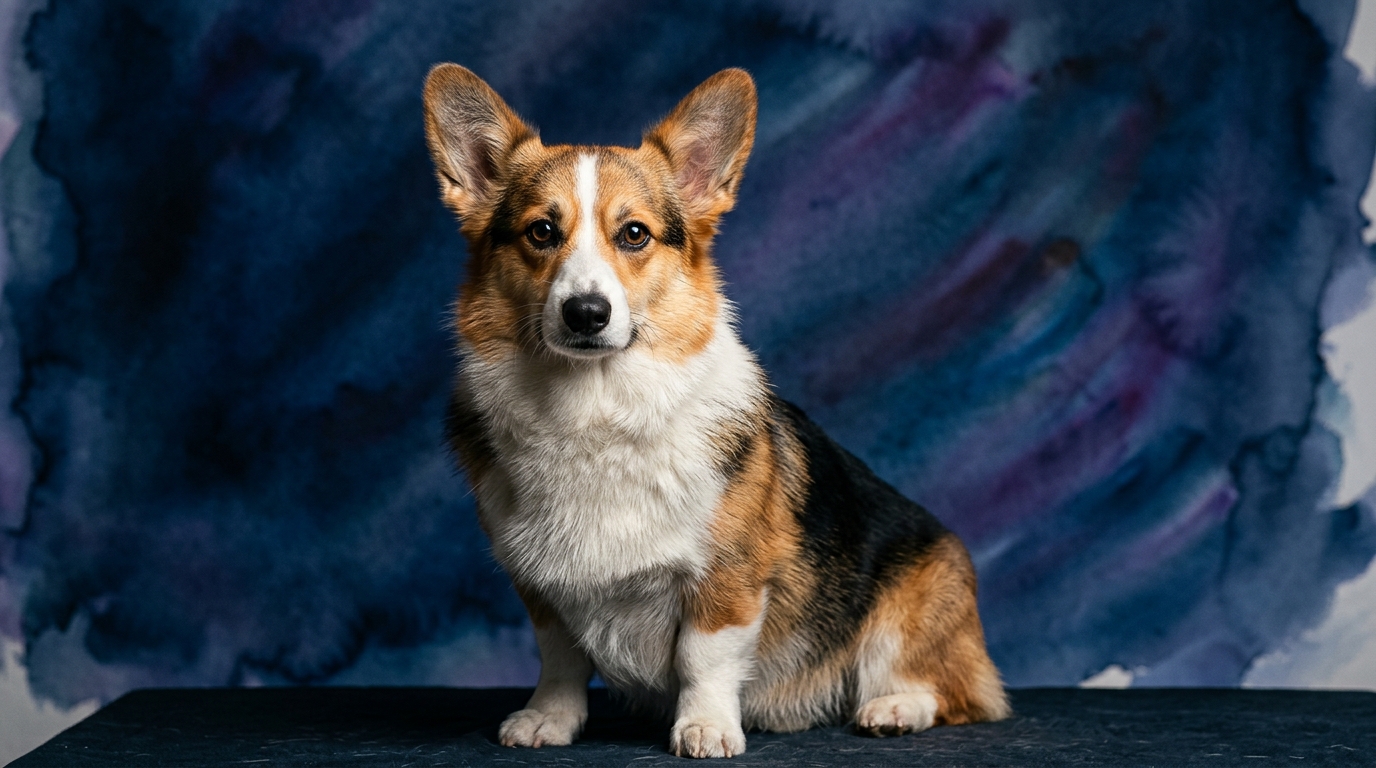
The Pembroke Welsh Corgi, a breed with a notable Coren ranking of #11, exhibits a robust cognitive profile reflecting its heritage as an active herder. Its problem-solving ability scores a strong 4/5, indicating a capacity to independently navigate challenges and adapt to new situations. This breed truly shines in training speed, earning a perfect 5/5, suggesting a rapid grasp of commands and routines, a crucial trait for a working dog.
Further enhancing its cognitive prowess, the Corgi boasts a social intelligence of 4/5, enabling it to keenly interpret human cues and emotional states, fostering deep companionship. Its instinctive drive is exceptionally high at 5/5, reflecting a powerful innate desire for purposeful activity and vigilance. Complementing these strengths, the Corgi's memory scores 4/5, allowing for effective retention of learned behaviors and complex experiences.
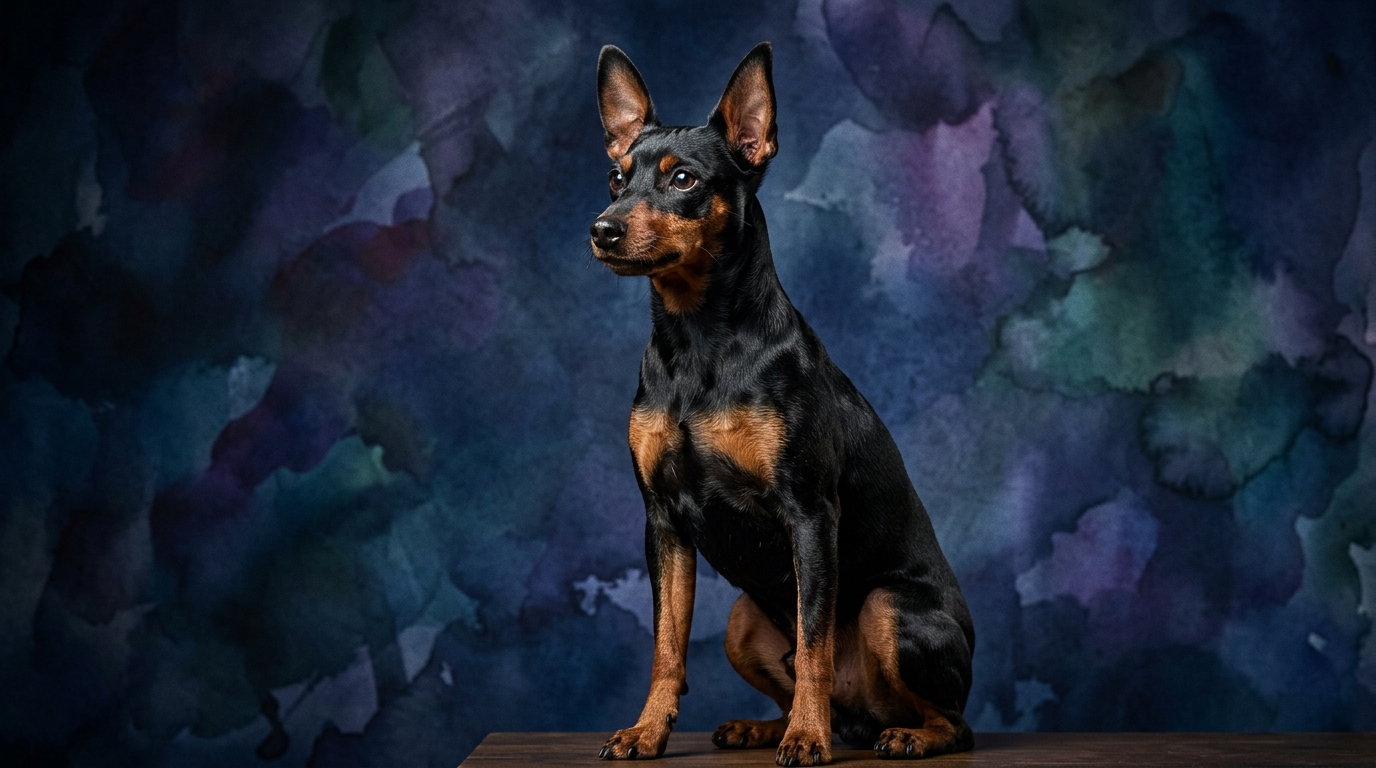
In contrast, the Miniature Pinscher, while not featured in Coren's ranking, presents a profile aligned with its spirited, independent 'King of Toys' persona. Across all five dimensions—problem-solving, training speed, social intelligence, instinctive drive, and memory—the Miniature Pinscher consistently scores 3/5. This indicates a moderate, capable level of cognitive function without the pronounced peaks seen in the Corgi.
A 3/5 in problem-solving suggests the Min Pin can tackle new situations, though perhaps requiring more guidance or repetition than a Corgi. Its training speed of 3/5 means it is certainly trainable, but may take a more deliberate approach to master commands. Similarly, a social intelligence of 3/5 points to a reasonable understanding of human interaction, while its instinctive drive of 3/5 reflects a moderate internal motivation, often expressed in bursts of energetic play rather than sustained, directed work. Finally, a memory score of 3/5 indicates a solid, albeit not exceptional, retention of experiences.
Where Pembroke Welsh Corgi Wins Cognitively
The Pembroke Welsh Corgi demonstrates clear cognitive advantages across most dimensions, largely due to its historical role as a cattle herder. Its superior problem-solving score (4/5 versus 3/5) means a Corgi is more likely to independently strategize its way through a puzzle toy or figure out how to access a forbidden treat, showcasing a proactive approach to environmental challenges. This breed's quick wit and adaptability are palpable in their daily interactions.
The Corgi's exceptional training speed (5/5 compared to the Min Pin's 3/5) is perhaps its most pronounced cognitive strength. This translates directly into a dog that picks up new commands and complex sequences with remarkable alacrity, making them a joy for owners interested in advanced obedience or dog sports. Furthermore, their higher social intelligence (4/5 versus 3/5) allows them to more finely tune into human emotions and intentions, leading to more responsive and empathetic interactions. This nuanced understanding strengthens the bond and eases communication. Finally, their potent instinctive drive (5/5) means they possess an inherent desire for activity and purpose, channelling their energy into tasks with enthusiasm, a significant cognitive 'win' for engagement.
Where Miniature Pinscher Wins Cognitively
While the Miniature Pinscher doesn't outscore the Corgi in raw cognitive dimensions, its unique profile offers a different kind of advantage, particularly for certain lifestyles. Its moderate instinctive drive (3/5), while lower than the Corgi's, means it is less compelled by deep-seated, persistent working urges. This can result in a companion that, while still energetic, might be less prone to creating its 'own job' if not given one, potentially simplifying management for owners not seeking a dedicated working partner.
The Min Pin's moderate social intelligence (3/5) and problem-solving (3/5) contribute to a self-assured, independent streak. This manifests as a dog that might not constantly seek human direction for every action, fostering a certain self-reliance that some owners deeply appreciate. This independence, rather than a lack of cognitive capacity, can be seen as a preference for autonomous action, making them less 'needy' for constant guidance in certain situations and appealing to those who value a dog with a strong, self-directed personality.
Which is Easier to Train and Why
Based on their cognitive profiles, the Pembroke Welsh Corgi is unequivocally easier to train. Its perfect 5/5 training speed, coupled with strong problem-solving and social intelligence, means a Corgi rapidly grasps new concepts and is eager to please its human companion. Their herding background has ingrained a deep responsiveness to commands and a desire for partnership, making them highly amenable to structured learning environments and capable of excelling in complex obedience routines or agility courses.
The Miniature Pinscher, with its consistent 3/5 across training dimensions, is certainly trainable but demands more patience and consistency. Their independent nature, a hallmark of their 'King of Toys' personality, means they might require more repetition to solidify commands and may occasionally choose to follow their own agenda if not consistently engaged. While capable of learning, their motivation often comes from a place of self-interest or play, rather than the Corgi's inherent drive to work in tandem. Owners should be prepared for a more gradual training journey, focusing on positive reinforcement and making training sessions fun and rewarding to overcome their occasional stubbornness.
Which Suits Active Owners vs Relaxed Owners
For truly active owners seeking a canine partner for consistent engagement, the Pembroke Welsh Corgi is an excellent match. Its 5/5 instinctive drive and 4/5 problem-solving mean it thrives on a rich schedule of mental and physical activities, from dog sports like herding or agility to advanced obedience. A Corgi needs consistent outlets for its energy and intelligence to prevent boredom and channel its purposeful nature, making it ideal for those who enjoy integrating their dog into an active lifestyle.
The Miniature Pinscher, while spirited, can surprisingly adapt to a broader range of owner activity levels, though they are certainly not couch potatoes. Their moderate instinctive drive (3/5) means their energy is often expressed in bursts of vigorous play and enthusiastic short walks, rather than sustained, intense 'work' demands. Active owners will find a willing participant for daily adventures, but their independence also allows them to be content with consistent, shorter bursts of activity followed by periods of relaxation. This makes them potentially suitable for relaxed owners who are committed to providing regular, engaging play sessions and mental stimulation without the constant 'job' requirement of a Corgi.
The Verdict
The Pembroke Welsh Corgi is the ideal choice for owners who desire a highly trainable, deeply engaged partner eager to participate in advanced training, dog sports, or any activity that channels its powerful working intelligence and social responsiveness.
Conversely, the Miniature Pinscher appeals to those who appreciate an independent, spirited dog that offers bursts of energetic play and a self-assured personality. While requiring patience in training, the Min Pin's moderate drives and self-reliance can make it a wonderfully adaptable companion for owners who value a dog with a strong character that doesn't demand constant, directed 'work'.
🧠 Find Your Pet's IQ Score
Our Pet IQ Lab assessment covers 25+ tests across 5 cognitive dimensions — personalized to your breed.
Take the Full IQ Test →Frequently Asked Questions
Is a Corgi good for first-time owners?
A Corgi's high trainability and social intelligence can make it a rewarding choice for first-time owners who are committed to providing consistent training, mental stimulation, and sufficient exercise to manage its strong herding instincts. Their eagerness to learn can simplify the training process.
Are Miniature Pinschers difficult to live with?
Miniature Pinschers are not inherently difficult, but their independent nature and moderate drives mean they thrive with consistent boundaries and early socialization. They are energetic and can be vocal, requiring owners who appreciate a dog with a spirited personality and are prepared for dedicated training to manage their self-reliant tendencies.
Which breed is better with children, Corgi or Min Pin?
The Corgi's higher social intelligence and inherent desire to work in partnership can make it generally more tolerant and interactive with respectful children, especially if raised together. Miniature Pinschers, with their independent streak and sometimes fearless nature, may require more supervision around very young children, thriving best with older, more considerate kids.