Side-by-Side Cognitive Profile
At the Cosmic Pet Pet IQ Lab, we analyze five key dimensions of canine cognition to provide a comprehensive understanding of each breed's unique mental architecture. For the Pembroke Welsh Corgi and Norwegian Elkhound, these profiles illuminate distinct strengths and approaches to the world.
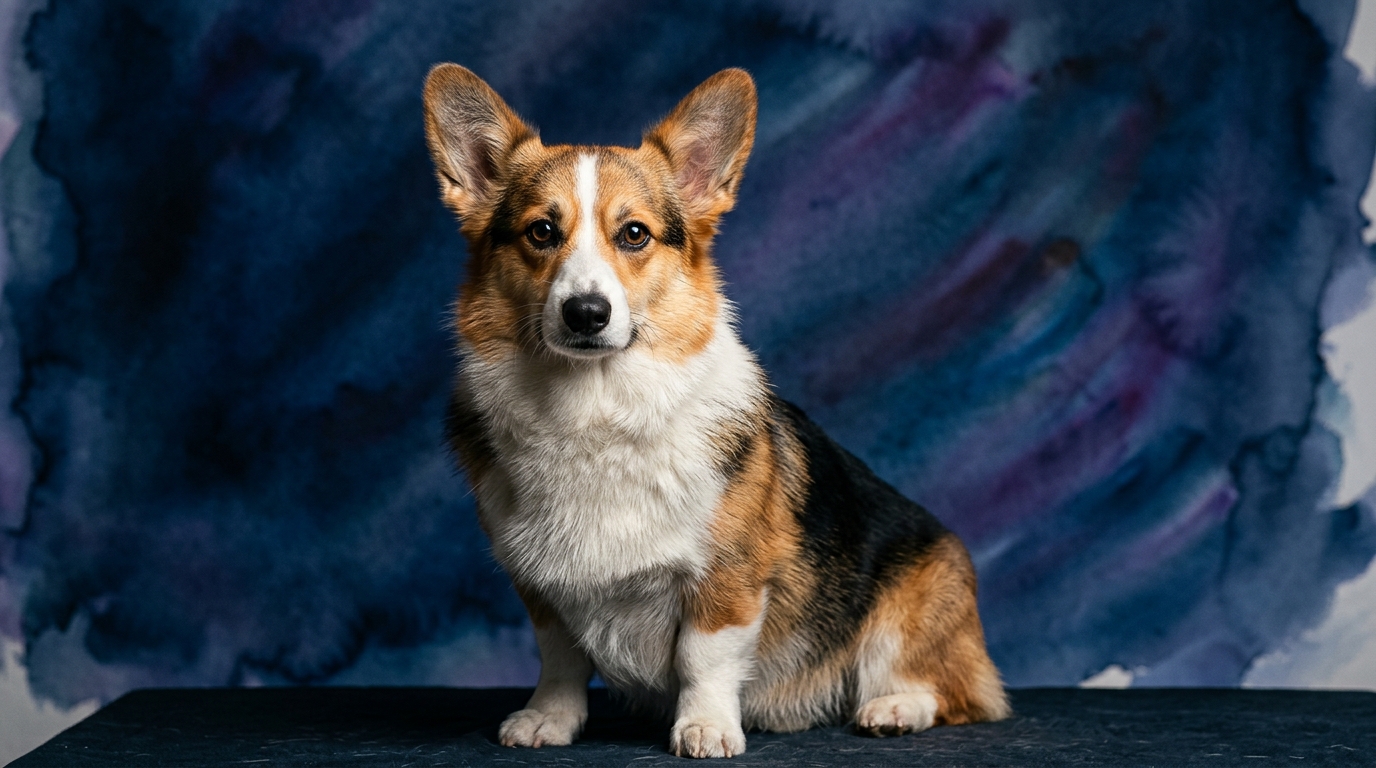
The **Pembroke Welsh Corgi**, a Herding breed ranking #11 on the Coren intelligence scale, exhibits a robust cognitive profile. Their Problem Solving is rated 4/5, as these compact herders exhibit a remarkable capacity for figuring things out, whether it's navigating complex furniture arrangements to reach a favored toy or devising strategies to "herd" family members. Their herding background honed their ability to make quick, independent decisions in dynamic environments, translating into a cleverness that can sometimes border on mischievous. Their Training Speed is an exceptional 5/5, meaning they grasp new commands and routines with astonishing rapidity, frequently requiring only a few repetitions before a behavior is solidified. This eagerness to learn and strong desire to collaborate with their human partners makes them highly responsive to positive reinforcement and a joy to train in various disciplines. Social Intelligence stands at 4/5; Corgis are generally astute readers of human emotions and social cues, allowing them to adapt their behavior to different situations and people. They thrive on interaction and often integrate seamlessly into family dynamics, though their ancestral herding impulse can sometimes manifest as a playful, yet firm, "nipping" at heels to direct movement. An Instinctive Drive of 5/5 is a defining characteristic, driving them to chase, gather, and organize, even if it's just the family cat or children. This intense drive, while needing appropriate outlets, also fuels their enthusiasm for structured activities and games that mimic their ancestral purpose, making them highly engaged partners. Finally, their Memory is 4/5, retaining learned commands, routines, and experiences over long periods, quickly recalling past training sessions and understanding established household rules.
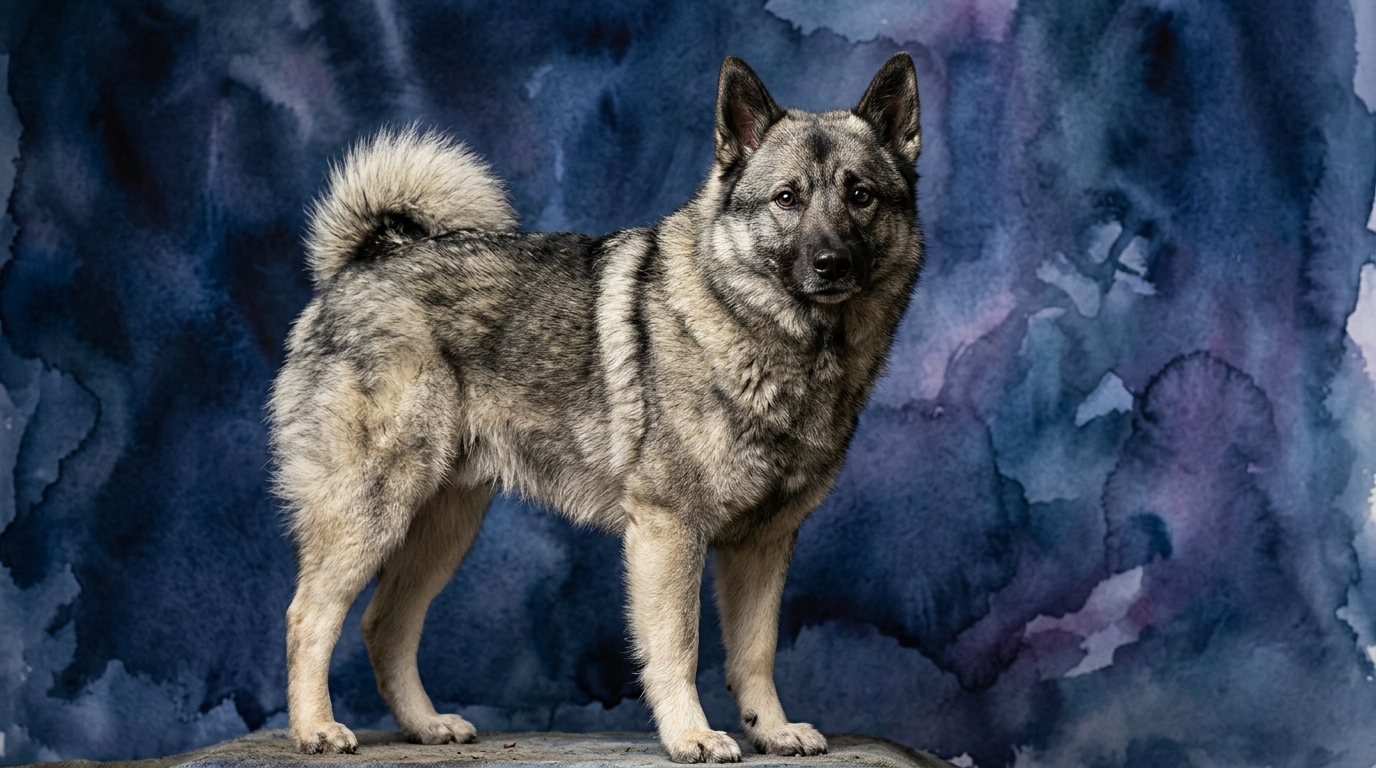
The **Norwegian Elkhound**, a Hound breed with a Coren ranking of #36, presents a cognitive profile shaped by centuries of independent hunting. Their Problem Solving is also 4/5, but the Elkhound demonstrates a strong capacity for independent problem-solving, a trait vital for a breed historically tasked with tracking game through varied and challenging terrains without constant human direction. They are adept at navigating obstacles, finding creative solutions to reach objectives, and possess good spatial reasoning, often relying on their own judgment in novel situations. Training Speed is 4/5; while capable learners, Elkhounds approach training with a more independent mindset than the highly cooperative Corgi. They learn commands efficiently but may require more engaging, consistent, and reward-based methods to maintain their focus, especially when competing with the allure of interesting scents or external stimuli. Their willingness to comply is often tied to perceived value or enjoyment. Social Intelligence is 3/5; Elkhounds tend to be more reserved and discerning in their social interactions, particularly with strangers. While deeply loyal and affectionate with their immediate family, they are less inclined to offer universal warmth or people-pleasing behaviors. Their social intelligence is more about assessing situations and individuals cautiously rather than seeking broad approval. Their Instinctive Drive is 3/5, primarily rooted in their hunting heritage: a powerful prey drive for scent tracking, baying at game, and endurance over long distances. This drive is more about independent pursuit rather than human-directed partnership, meaning their internal motivation often outweighs external commands when a compelling scent presents itself. Their Memory, at 4/5, is excellent, particularly for scent trails, familiar routes, and the location of resources. They retain learned commands and routines effectively, especially those that align with their natural hunting behaviors or provide clear, consistent reinforcement.
Where the Pembroke Welsh Corgi Excels Cognitively
The Pembroke Welsh Corgi truly shines in scenarios demanding rapid acquisition of skills and a strong handler-dog partnership. Their impressive 5/5 Training Speed means they absorb new commands and complex sequences with remarkable alacrity, often mastering tasks in a fraction of the time it takes other breeds. This makes them exceptional candidates for competitive obedience, agility, or even service work where intricate routines are essential. Furthermore, their 4/5 Social Intelligence allows them to be incredibly attuned to human cues and emotional states, fostering a profound connection that facilitates intuitive communication and a willingness to cooperate. This blend of quick learning and social awareness positions the Corgi as a highly adaptable and eager student, channeling their robust 5/5 Instinctive Drive into productive, human-directed activities like herding games or trick training, rather with a strong drive for partnership over purely independent pursuits.
Where the Norwegian Elkhound Excels Cognitively
The Norwegian Elkhound’s cognitive strengths are best observed in situations requiring sustained independence and a deep engagement with their environment, particularly through scent. While sharing a 4/5 Problem Solving rating with the Corgi, the Elkhound’s application of this skill is often more self-directed, involving navigating challenging terrains or meticulously tracking a scent trail over long distances, relying on their own judgment rather than constant human input. Their 4/5 Memory is especially potent when it comes to recalling complex routes, scent profiles, and the locations of previously encountered items, making them formidable partners in activities like tracking, nose work, or wilderness exploration. This intrinsic drive for independent pursuit and their capacity for deep, sustained focus on a singular, instinct-driven task allows the Elkhound to excel in roles where self-reliance and environmental awareness are paramount.
Trainability: A Tale of Two Temperaments
When considering ease of training for general obedience and complex commands, the Pembroke Welsh Corgi generally holds an advantage due to its higher Training Speed (5/5) and strong Social Intelligence (4/5). Corgis possess a deep-seated desire to please their human companions, a trait that makes them highly receptive to positive reinforcement and quick to form associations between commands and actions. Their herding background also instills a natural inclination to work in partnership, making them attentive students who thrive on engagement and structured learning. This means they are often easier to motivate with praise and play, consistently seeking interaction and direction from their handler.
The Norwegian Elkhound, while capable (Training Speed 4/5), presents a different training dynamic. Their hound heritage fosters independence and a focus on their own sensory world, particularly scent. This can manifest as a "what's in it for me?" attitude, requiring more creative and persistent motivation from their trainers. While they learn, their independent streak means they might choose to follow an interesting scent or explore an environment rather than immediately complying with a command, necessitating a trainer who understands how to harness their natural drives effectively. Consistency and engaging, high-value reward-based methods are crucial to keep an Elkhound focused and willing to perform, as their intrinsic motivation often outweighs external commands when a compelling scent presents itself.
Matching Owners: Active vs. Relaxed Lifestyles
For truly active owners, both breeds offer engaging companionship, but in distinctly different ways. The Norwegian Elkhound is an ideal partner for individuals who relish strenuous outdoor activities like hiking, long-distance walking, trail running, or even skijoring, thriving on physical exertion and exploring new environments. Their endurance and focus on scent make them natural companions for adventurous souls who spend significant time in nature. The Pembroke Welsh Corgi, while not a long-distance runner, suits active owners who enjoy mental challenges, agility, obedience trials, or engaging in interactive games that simulate their herding instincts. They thrive on structured activity and human partnership, making them excellent for owners who enjoy dedicating time to training and interactive play sessions.
For owners seeking a more relaxed lifestyle, the Corgi might be slightly more adaptable, provided their substantial mental stimulation needs are met through indoor games, puzzles, and consistent training, as their physical demands are less intense than an Elkhound's. However, their vocal nature and herding nipping tendencies still require consistent management and engagement to prevent boredom. The Elkhound's strong prey drive and need for extensive outdoor exercise make them less suited for genuinely relaxed, sedentary homes, as boredom and unmet physical needs can easily lead to destructive behaviors, excessive barking, or attempts to escape and explore independently. Neither breed is a true couch potato, but the Corgi's needs can often be met with more indoor-focused mental work, while the Elkhound truly requires dedicated outdoor adventure.
The Verdict
Choose the Pembroke Welsh Corgi if you seek a highly trainable, socially adept companion eager for partnership in structured activities like obedience or agility, and are prepared to channel their strong herding drive into productive mental engagement.
Choose the Norwegian Elkhound if you are an adventurous owner who appreciates an independent, resilient companion for demanding outdoor pursuits like hiking and scent work, and are prepared to engage with a breed that values self-reliance and has a strong, instinctual focus.
🧠 Find Your Pet's IQ Score
Our Pet IQ Lab assessment covers 25+ tests across 5 cognitive dimensions — personalized to your breed.
Take the Full IQ Test →Frequently Asked Questions
Are Corgis good family dogs?
With their 4/5 social intelligence, Corgis typically bond strongly with their families and enjoy being involved in household activities. However, their herding instincts can sometimes lead to playful nipping at heels, especially with small children, requiring early training and supervision to manage this natural behavior.
Do Norwegian Elkhounds bark a lot?
Elkhounds are known for their distinct "baying" bark, historically used to alert hunters to game. This vocal tendency can be quite pronounced, particularly if they are bored, lonely, or detect interesting scents, making consistent training, mental stimulation, and appropriate outlets for their instincts crucial to manage their vocalizations.
Which breed is better for first-time dog owners?
The Pembroke Welsh Corgi's high training speed and social intelligence generally make them a more forgiving option for first-time owners willing to commit to consistent mental stimulation and managing their herding instincts. Norwegian Elkhounds, with their independent nature and strong prey drive, typically require an owner with more experience in positive reinforcement and managing a breed with strong hound tendencies, as they can be more challenging without a clear understanding of their motivations.