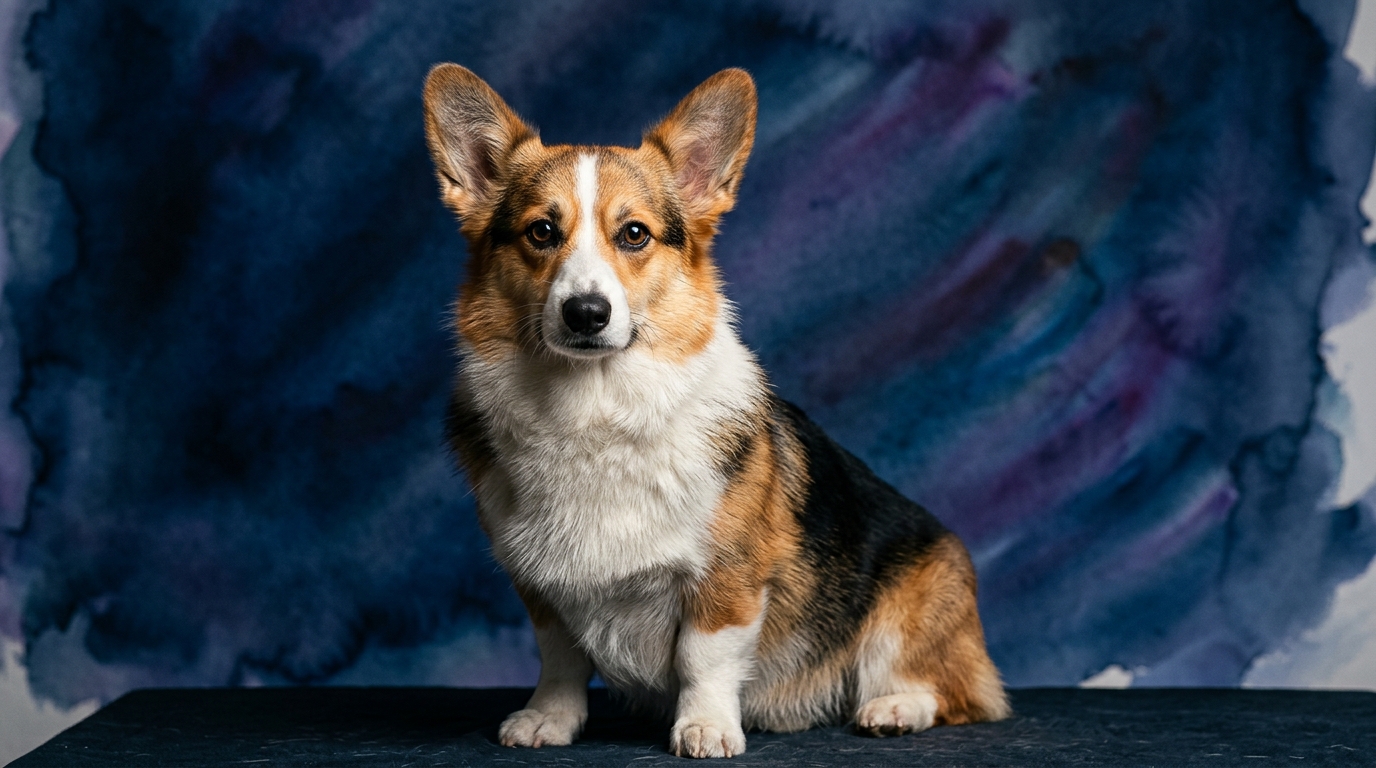
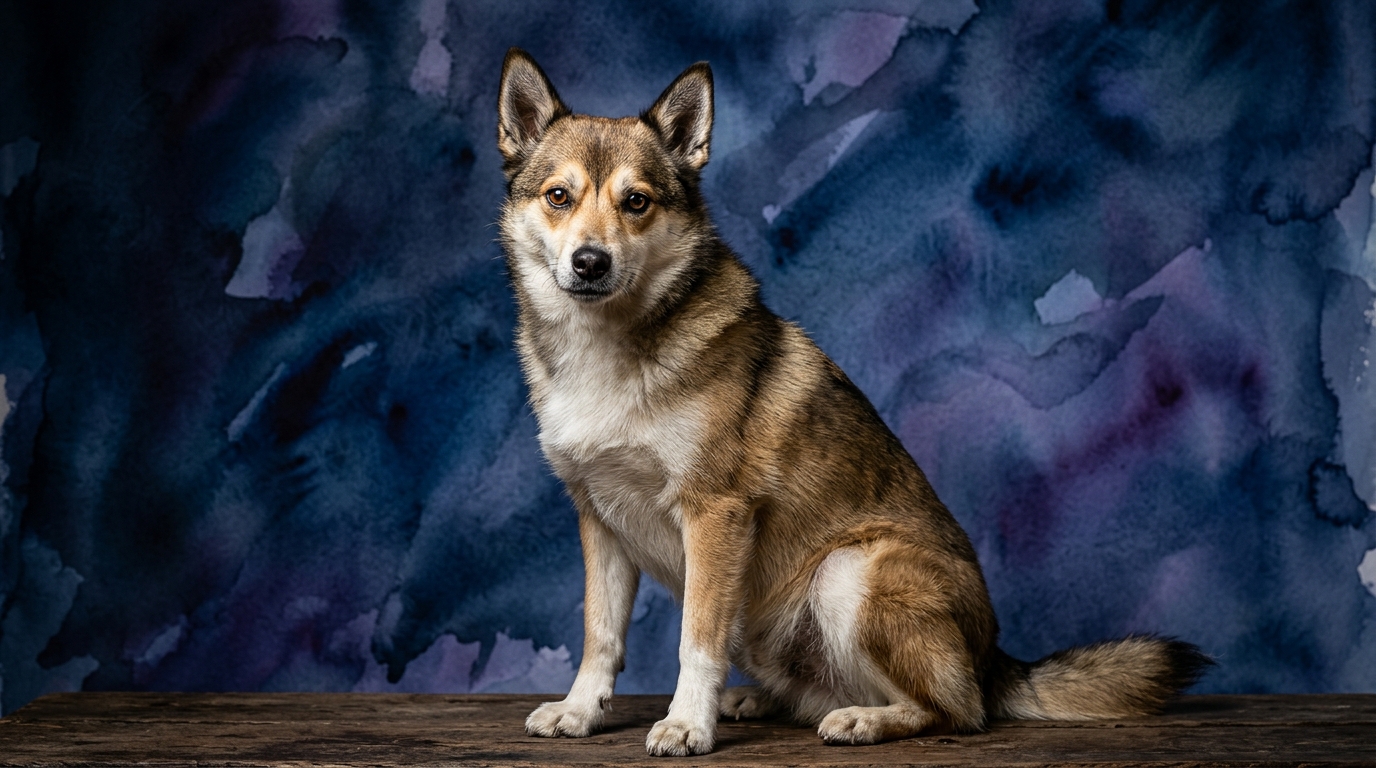
Side-by-Side IQ Profile: Corgi vs. Lundehund
The Pembroke Welsh Corgi, a compact dynamo from the Herding Group and a respectable #11 in Coren's ranking, exhibits a robust cognitive toolkit. Their Problem Solving is rated 4/5, indicating an aptitude for figuring out novel situations and devising strategies, whether for herding livestock or outsmarting a treat dispenser. Training Speed is a stellar 5/5, reflecting their eagerness and quick comprehension of new commands and routines. Social Intelligence, at 4/5, means they are adept at reading human cues and integrating into family dynamics. Their Instinctive Drive, also 5/5, is a powerful urge to herd, manage, and control, a core part of their being. Finally, Memory, at 4/5, ensures they retain learned behaviors and experiences over extended periods, making them consistent companions.
In contrast, the Norwegian Lundehund, a distinctive member of the Non-Sporting Group and unranked by Coren, presents a different cognitive blueprint. Their Problem Solving scores 3/5, suggesting competence in practical, environmental challenges, particularly those related to their historical role, though perhaps less inclined towards abstract human-centric puzzles. Training Speed is 3/5, indicating they learn at a moderate pace, often requiring more patience and consistent motivation due to their independent nature. Social Intelligence, also 3/5, suggests they understand basic social cues but might display a more reserved or less overtly expressive demeanor compared to the Corgi. Their Instinctive Drive, a 3/5, is geared towards independent exploration and hunting, rather than close cooperation. Memory, rated 3/5, means they retain vital information and routines, but perhaps without the same breadth or recall speed for complex sequences.
Where the Pembroke Welsh Corgi Excels Cognitively
The Pembroke Welsh Corgi's cognitive strengths are deeply rooted in their herding heritage, manifesting in superior problem-solving and rapid learning. Their 4/5 Problem Solving isn't just about navigating obstacles; it's about strategic thinking, such as anticipating a flock's movement or figuring out how to bypass a gate. This translates into a dog that can quickly assess a situation and adapt, often devising clever solutions to everyday challenges, like opening cabinets or finding hidden toys.
Their exceptional 5/5 Training Speed is a direct consequence of their innate desire to work closely with humans and their keen ability to grasp new concepts quickly. Corgis thrive on instruction and positive reinforcement, making them highly responsive to complex command sequences and intricate tricks. This quick uptake is coupled with a 4/5 Social Intelligence, enabling them to finely tune into human emotions and intentions, further enhancing their trainability and cooperative spirit. They learn not just *what* to do, but *why* it pleases their human, cementing behaviors more effectively. Their 5/5 Instinctive Drive fuels a relentless determination and focus, which, when channeled correctly, makes them exceptionally goal-oriented and persistent in tasks, whether it's agility or obedience.
Unique Cognitive Strengths of the Norwegian Lundehund
While the Norwegian Lundehund's scores might appear lower in a generalized comparison, their cognitive profile represents a remarkable adaptation to a highly specialized niche. Their 3/5 Problem Solving is not a deficit, but a testament to a unique form of environmental intelligence. These dogs were bred to hunt puffins on treacherous, craggy cliffs, requiring an unparalleled ability to navigate complex, three-dimensional terrain, squeeze into tight crevices, and independently extract prey. This specific skill set demands exceptional spatial reasoning, agility, and perseverance in a solitary context, a distinct form of problem-solving far removed from human-directed tasks.
Their 3/5 Instinctive Drive, rather than being less potent, is simply directed differently—towards independent exploration and a deep-seated curiosity about their environment. This drive empowers them to work autonomously, making decisions without constant human oversight, a crucial trait for a solo hunter. Their moderate Social Intelligence (3/5) means they form bonds but retain a degree of independence, allowing them to operate effectively without constant human interaction. This combination of traits fosters a resilient, self-reliant canine mind, capable of focused, individualistic pursuits, a distinct cognitive advantage in specific, challenging environments where self-sufficiency is paramount.
Trainability: Corgi's Eagerness vs. Lundehund's Independence
When it comes to ease of training, the Pembroke Welsh Corgi (Training Speed 5/5, Social Intelligence 4/5) generally presents a more straightforward experience. Their profound desire to engage with their human partners and their quick cognitive processing mean they pick up commands rapidly. Corgis are typically motivated by praise, treats, and the sheer joy of working alongside their owner, making training sessions highly productive. Their strong herding instinct, while needing guidance, also provides a powerful drive to follow direction and manage tasks, translating into a dog that enjoys having a job and responding to cues.
The Norwegian Lundehund (Training Speed 3/5, Social Intelligence 3/5), by contrast, requires a more nuanced approach. Their historical role as independent puffin hunters means they were bred to make autonomous decisions, not to constantly seek human direction. This manifests as a charming independence and sometimes a stubborn streak, requiring more patience, creativity, and consistency in training. While they can and do learn, their motivation often needs to be higher-value, and repetition might be necessary to solidify behaviors. Their social intelligence, while present, is less geared towards eager compliance and more towards observing and processing on their own terms, making them less inclined to be 'people-pleasers' in the traditional sense.
Lifestyle Suitability: Energy Levels and Mental Engagement
For active owners seeking a highly engaged and cooperative canine partner, the Pembroke Welsh Corgi is often an ideal match. Their 5/5 Instinctive Drive means they thrive on purpose and activity, needing regular mental and physical stimulation to prevent boredom. Activities like obedience, agility, herding trials, or even long, brisk walks satisfy their innate drive and keen intellect. Owners who enjoy teaching new tricks, participating in dog sports, or simply having a dog that is always 'on' and ready for the next adventure will find the Corgi's cognitive profile aligns perfectly with their lifestyle, providing constant opportunities for mutual engagement and learning.
The Norwegian Lundehund, with its 3/5 Instinctive Drive for independent exploration, suits owners who appreciate a dog with a unique blend of activity and self-sufficiency. While they are active and require daily exercise, their activity often takes the form of exploring, sniffing, and investigating their environment rather than intense, human-directed tasks. They are not necessarily 'relaxed' dogs in terms of needing no exercise, but their mental engagement is often satisfied by opportunities to use their nose and navigate varied terrains independently. Owners who enjoy hiking, exploring, and providing opportunities for their dog to 'be a dog'—making their own discoveries and following their own curiosities—will find the Lundehund's independent spirit and adaptable cognitive style a rewarding fit, even if it means less structured, command-based activity.
The Verdict
Choose the Pembroke Welsh Corgi if you desire a highly trainable, cooperative, and socially attuned companion eager to engage in structured activities and rapid learning.
Opt for the Norwegian Lundehund if you appreciate a uniquely independent, environmentally intelligent dog that thrives on exploration and autonomous problem-solving, requiring patient, consistent guidance.
🧠 Find Your Pet's IQ Score
Our Pet IQ Lab assessment covers 25+ tests across 5 cognitive dimensions — personalized to your breed.
Take the Full IQ Test →Frequently Asked Questions
Do Pembroke Welsh Corgis bark a lot due to their intelligence?
Corgis often use barking as a communication tool, stemming from their herding instinct to manage livestock and alert their human companions. This vocal tendency is tied to their strong social intelligence and drive to communicate, rather than simply being 'noisy'.
Is the Norwegian Lundehund difficult to live with because of its independence?
The Lundehund's independence means they might not always seek constant human interaction or readily comply with commands, requiring owners who understand and respect their self-reliant nature. Proper socialization and consistent, positive training from a young age are key to fostering a harmonious relationship with this unique breed.
How does the Corgi's herding drive impact its daily behavior?
The Corgi's powerful herding drive (5/5 instinctive drive) often translates into a desire to 'herd' family members, especially children or other pets, by nipping at heels or nudging. This behavior is a natural expression of their cognitive programming and can be managed with appropriate training and redirection towards suitable outlets.