Side-by-Side Cognitive Profiles: Corgi vs. Tibbie
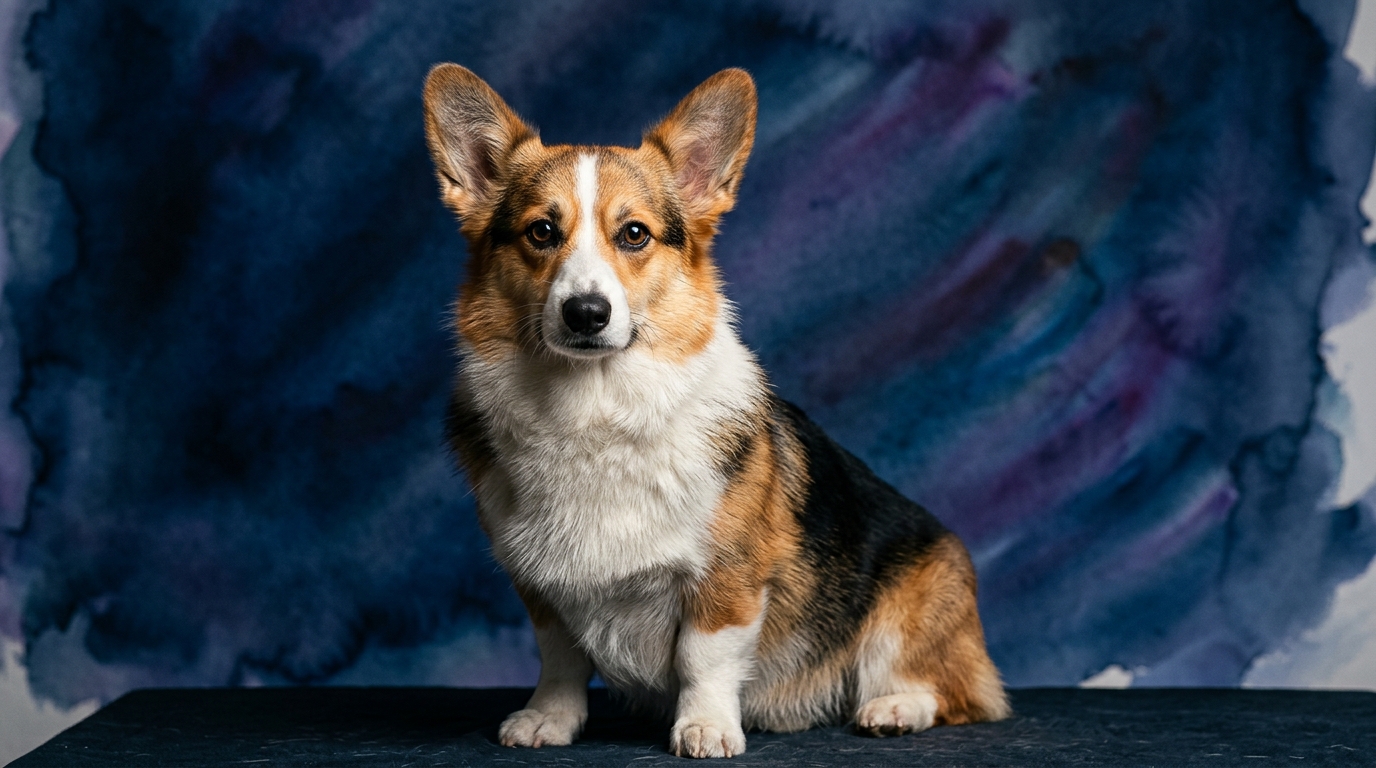
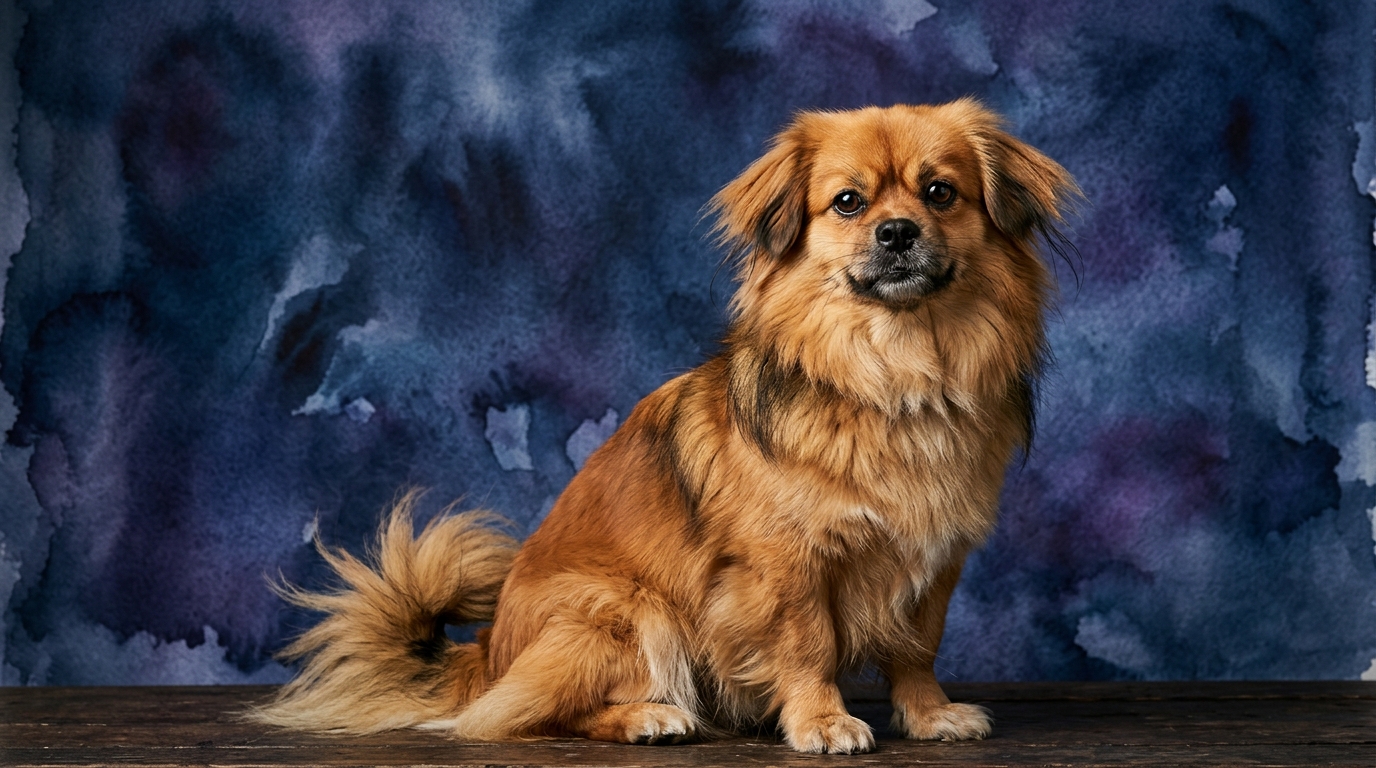
At The Cosmic Pet Pet IQ Lab, we delve beyond general perceptions to provide a granular look at canine intelligence dimensions. The Pembroke Welsh Corgi, a dog from the Herding group, boasts a Coren rank of #11, indicating a strong capacity for working and obedience intelligence. In contrast, the Tibetan Spaniel, a Non-Sporting dog, is not Coren-ranked, suggesting a different, perhaps more independent, cognitive makeup. Let's explore their specific IQ scores across five crucial dimensions.
For the Pembroke Welsh Corgi, problem Solving registers at a robust 4/5. These dogs often exhibit a knack for figuring out how things work, whether it's navigating a complex environment or devising a strategy to access a desired item. Their training Speed is an exceptional 5/5, reflecting a remarkable eagerness and ability to grasp new commands and routines with minimal repetition. Social Intelligence stands at 4/5, indicating a high degree of attunement to human emotions and social dynamics within their family unit. Their Instinctive Drive is a pronounced 5/5, a clear manifestation of their herding heritage, expressed through a natural inclination to gather and manage. Finally, their Memory is strong at 4/5, allowing them to retain learned behaviors, routes, and associations over significant periods.
The Tibetan Spaniel presents a distinct cognitive profile. Their problem Solving score is 3/5; they are capable of navigating routine challenges but may not display the same innovative or persistent approach to novel, complex puzzles as the Corgi. Training Speed for the Tibetan Spaniel is 3/5, meaning they learn at a moderate pace, often requiring more patience and consistent positive reinforcement. Their social Intelligence is also 3/5; they form deep bonds with their chosen humans and are observant, but might not possess the same nuanced understanding or overt responsiveness to subtle human cues as the more outwardly expressive Corgi. The Instinctive Drive of a Tibetan Spaniel is 3/5, manifesting less as active herding and more as an inherent vigilance and a preference for elevated perches to observe their surroundings. Their Memory scores 3/5, indicating a solid recall for routines and familiar faces, though perhaps not for intricate training sequences without consistent reinforcement.
Where the Pembroke Welsh Corgi's Mind Excels
The Pembroke Welsh Corgi's cognitive strengths are deeply rooted in its herding lineage, manifesting as operational intelligence designed for purpose and collaboration. Their superior problem-solving ability (4/5) means they are more likely to independently figure out solutions to environmental challenges, such as opening a cabinet or locating a hidden treat. This isn't just about trial and error; it's about applying past learning and innate curiosity to new situations.
Their exceptional training speed (5/5) is a significant advantage, making them incredibly receptive to learning a wide array of commands, tricks, and even complex sequences. This rapid acquisition of skills stems from their inherent biddability and a strong desire to engage with and respond to human instruction. Owners find Corgis thrive on the mental stimulation of learning new tasks, often showing a joyful enthusiasm for training sessions.
Furthermore, the Corgi's high instinctive drive (5/5) isn't merely a physical attribute; it's a cognitive predisposition that channels their energy into focused activity. This drive translates into a purposeful engagement with tasks, especially those involving movement and control, which can be effectively harnessed in dog sports like agility, obedience, or even mock herding. Their robust memory (4/5) supports this rapid learning and retention, ensuring that once a skill or solution is acquired, it's generally stored for the long term, making their training durable and their problem-solving efficient over time.
Where the Tibetan Spaniel's Cognition Shines Uniquely
While the Tibetan Spaniel may not score as high in traditional 'working' intelligence metrics, their cognitive strengths lie in a different, equally valuable domain, reflecting their historical role as companions and observant guardians. Their social intelligence (3/5), though numerically lower than the Corgi's, is characterized by a discerning and selective nature. Rather than universal eagerness to please, Tibetan Spaniels form deep, often quiet, bonds with their core family members, offering a nuanced and observant companionship. This allows them to assess situations and people with a reserved calmness, making them less prone to over-exuberance with strangers and more attuned to the subtleties of their immediate social circle.
The Tibetan Spaniel's instinctive drive (3/5) is focused on vigilance and environmental awareness rather than active control. This 'little lion' mentality, often seen with them perched on a sofa back or windowsill, demonstrates a keen cognitive preference for surveying their domain and alerting their family to anything unusual. They excel at being self-sufficient in their watchfulness, providing a comforting sense of security without requiring constant direction or engagement.
Their moderate problem-solving (3/5) and training speed (3/5) are balanced by a strong sense of independence and self-possession. Tibetan Spaniels are not as driven by external validation, which can be a cognitive advantage for owners seeking a less demanding, more self-contained companion. They possess an innate ability to entertain themselves and find contentment in their own space, demonstrating a cognitive 'win' in their balanced, less intense approach to the world, valuing thoughtful engagement over incessant activity.
Trainability: A Tale of Two Cognitive Approaches
When it comes to ease of training, the Pembroke Welsh Corgi generally presents a more straightforward experience. Their exceptional training speed (5/5) and solid problem-solving skills (4/5), coupled with their Coren rank, mean they are inherently predisposed to working with humans and grasping new commands quickly. Corgis are typically biddable, intelligent, and highly motivated by positive reinforcement, whether it's praise, toys, or food. Their strong instinctive drive can be readily channeled into various dog sports like agility, obedience, or even herding trials, where they often excel due to their focus and eagerness to perform. However, this high intelligence and drive also necessitate consistent mental stimulation; without it, a Corgi's active mind can quickly turn to self-invented, potentially undesirable, activities out of boredom.
The Tibetan Spaniel, with its 3/5 scores across training speed and problem-solving, can be more challenging to train. Their independent nature and historical role as companion-guardians, rather than working dogs, mean they were not bred for strict obedience. While capable of learning, they often require more patience, consistency, and a highly positive reinforcement approach. Tibetan Spaniels can be quite stubborn if they don't perceive the value or fun in a command, and their training often benefits from making it feel like their idea or an engaging game, rather than a rigid directive. Their moderate social intelligence means they might not be as universally eager to please, making the training process more about building a strong, trusting relationship where they feel respected and understood rather than simply commanded.
Matching Cognitive Profiles to Lifestyles: Active vs. Relaxed Owners
The distinct cognitive profiles of the Pembroke Welsh Corgi and the Tibetan Spaniel mean they are suited to different owner lifestyles. For active owners seeking a highly engaged and purposeful canine companion, the Pembroke Welsh Corgi is an excellent match. Their high instinctive drive (5/5), strong problem-solving skills (4/5), and exceptional training speed (5/5) mean they thrive on significant mental and physical engagement. Corgis excel in environments where they can participate in extended walks, hiking, dog sports like agility or obedience, or advanced training. An active owner can fulfill their cognitive need for purpose and activity, preventing boredom and ensuring a well-adjusted companion.
Conversely, for more relaxed owners, the Tibetan Spaniel's cognitive makeup aligns beautifully with a calmer lifestyle. Their moderate scores across the board (3/5 for problem-solving, training speed, social intelligence, instinctive drive, and memory) indicate a dog that enjoys activity but doesn't demand constant, intense engagement. Tibetan Spaniels are content with regular walks and playtime, but are equally happy to cuddle on the sofa, observe their surroundings from a comfortable perch, or entertain themselves quietly. They don't require the same level of intense mental stimulation or physical exertion as a Corgi, making them suitable for individuals or families seeking a serene, observant, and less demanding canine companion who values thoughtful interaction over constant high-energy pursuits.
The Verdict
Opt for a Pembroke Welsh Corgi if you seek a highly engaged companion eager to learn, excel in training, and participate in active pursuits that challenge their sharp mind and strong drive.
Select a Tibetan Spaniel if you prefer a self-possessed, observant companion who offers quiet affection and thrives in a more relaxed home environment, valuing thoughtful interaction over constant activity.
🧠 Find Your Pet's IQ Score
Our Pet IQ Lab assessment covers 25+ tests across 5 cognitive dimensions — personalized to your breed.
Take the Full IQ Test →Frequently Asked Questions
Are Pembroke Welsh Corgis prone to behavioral issues if not mentally stimulated?
Yes, their high problem-solving and instinctive drive mean they require consistent mental engagement. Without adequate stimulation, Corgis may develop behaviors like excessive barking, nipping, or destructive chewing as they seek to entertain their active minds.
Do Tibetan Spaniels get along well with other pets or children?
Tibetan Spaniels can coexist peacefully with other pets and well-behaved children, especially if socialized early. Their discerning social intelligence means they prefer a calm environment and may be reserved with boisterous children or unfamiliar animals until they feel secure.
How does the Coren rank apply to the Corgi's intelligence?
The Coren rank of #11 for Pembroke Welsh Corgis places them among breeds with the highest 'working and obedience intelligence,' indicating their exceptional ability to understand and obey human commands quickly and consistently. This reflects their strong training speed and problem-solving skills in a structured context.