Side-by-Side Cognitive Profiles
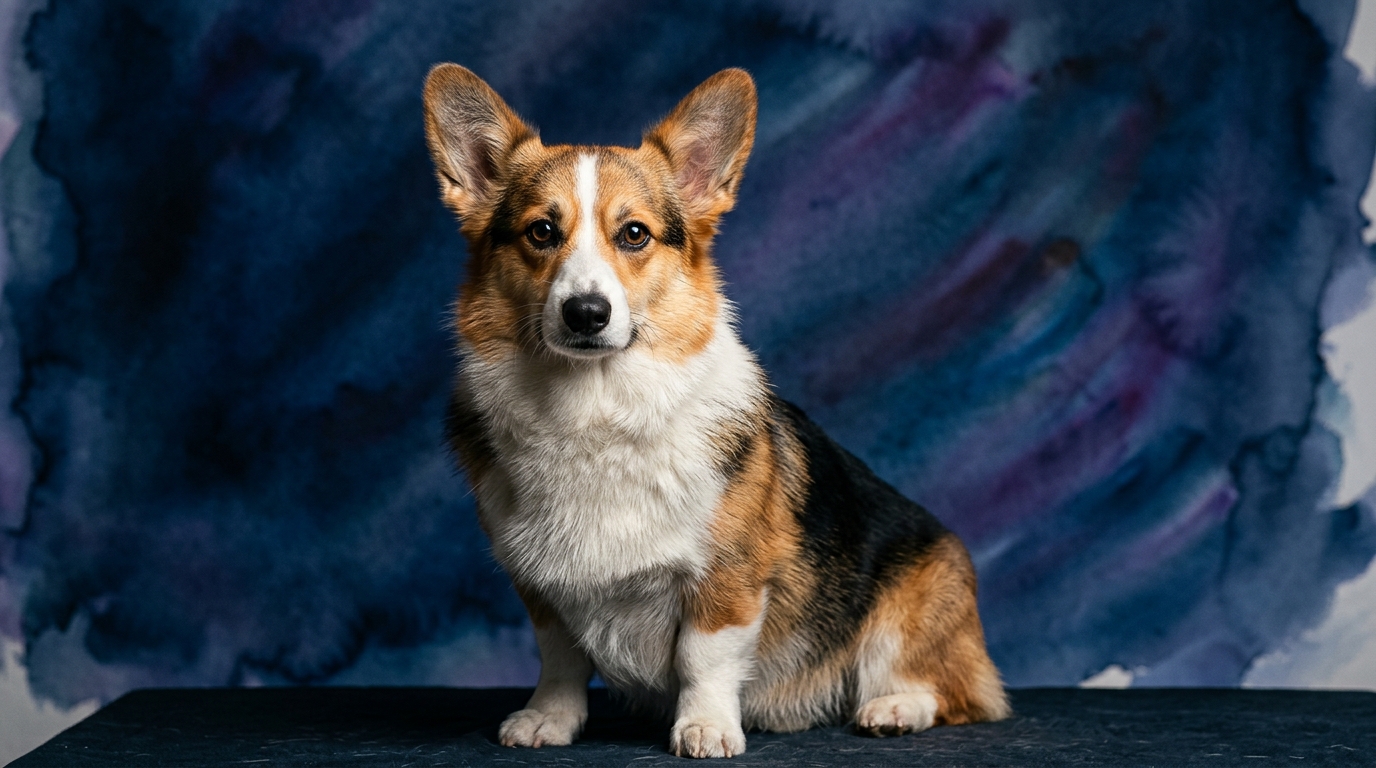
The Pembroke Welsh Corgi, ranking at a respectable #11 on the Coren scale, exhibits a cognitive profile tailored for dynamic work. Their Problem Solving is rated 4/5, indicating an excellent capacity to analyze novel situations and devise effective solutions, a trait honed by their historical role in managing livestock. Training Speed is a standout 5/5, reflecting an exceptional eagerness and ability to grasp new commands and routines with minimal repetition. Social Intelligence, at 4/5, demonstrates their keen understanding of human cues and complex social structures, making them highly responsive companions. An Instinctive Drive of 5/5 underscores their inherent impulse for purposeful activity, often expressed through herding behaviors or vigilance. Finally, Memory, at 4/5, allows them to retain a vast repertoire of learned behaviors and associations over extended periods.
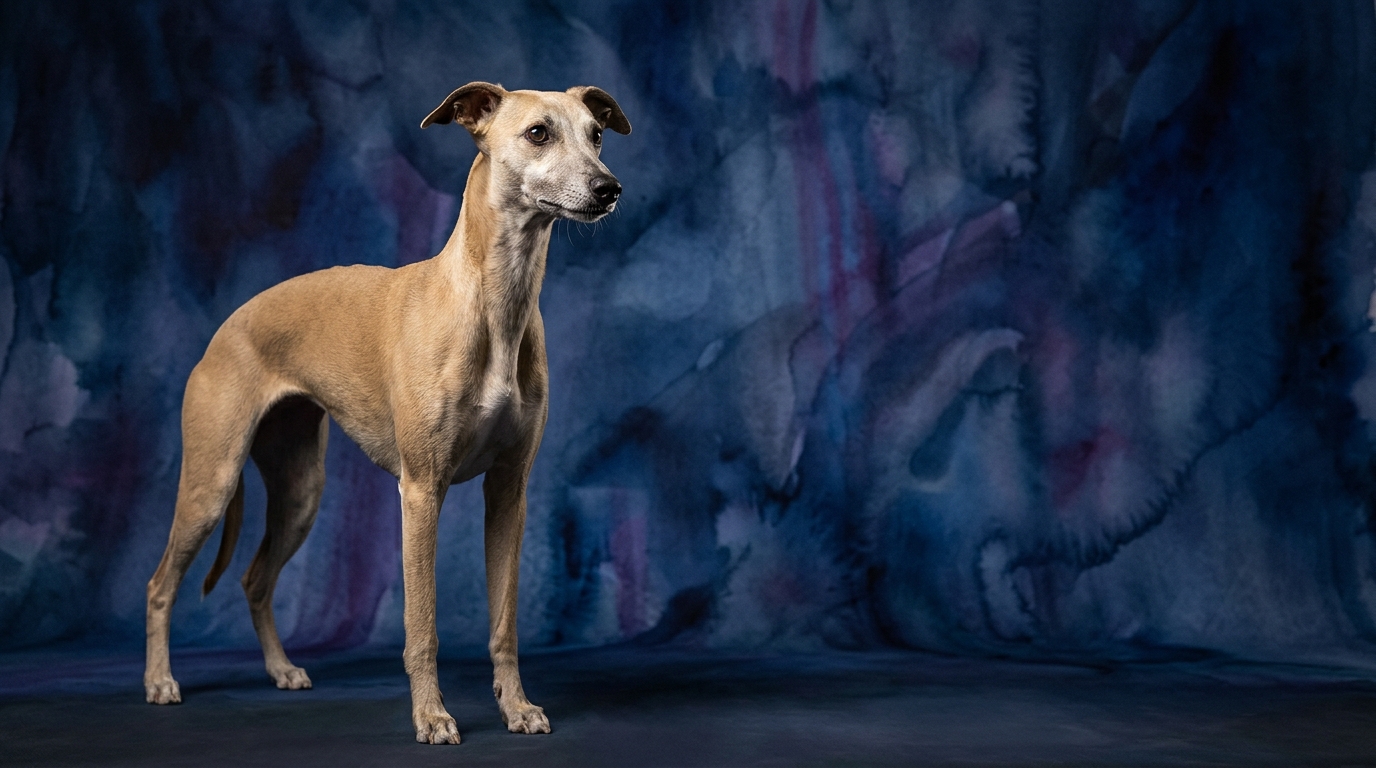
In contrast, the Whippet, positioned at #51 on the Coren scale, showcases a different set of cognitive strengths, primarily focused on their sighthound heritage. Their Problem Solving stands at 3/5, indicating competence in practical, immediate challenges, particularly those related to their prey drive, but less inclination towards abstract or complex puzzles. Training Speed is 2/5; while capable of learning, Whippets often require more patience and consistent reinforcement, as their motivation can be more internally driven than a strong desire to please. Social Intelligence matches the Corgi at 4/5, highlighting their deep sensitivity to human emotions and preferences for close, quiet companionship. Their Instinctive Drive is a powerful 5/5, almost entirely centered on their formidable prey drive and the urge to chase. Memory, at 3/5, is sufficient for daily routines and familiar environments but might not hold complex sequences with the same tenacity as a working breed.
Where the Pembroke Welsh Corgi Excels Cognitively
The Pembroke Welsh Corgi's cognitive strengths shine particularly in areas demanding adaptability and active engagement. Their 4/5 Problem Solving isn't merely theoretical; it's evident in their capacity to strategize, such as figuring out how to maneuver objects or even other animals to achieve a desired outcome, a direct legacy of their herding duties. This translates into an aptitude for navigating complex household environments, solving puzzle toys, or quickly adapting to new routines and challenges. The Corgi's 5/5 Training Speed is a significant advantage, enabling them to absorb and execute new commands with remarkable efficiency. This rapid acquisition of skills means they can master a wide array of obedience commands, participate in advanced dog sports like agility, or learn intricate tricks far quicker than many other breeds. Their social intelligence, combined with this trainability, allows them to quickly understand and comply with human expectations, making them highly responsive and versatile learners in various contexts.
Where the Whippet Excels Cognitively
The Whippet's cognitive prowess, though different from the Corgi's, is equally specialized and effective within their niche. Their 5/5 Instinctive Drive for chasing is not just a physical trait but a deeply ingrained cognitive process. Whippets excel in real-time problem-solving directly related to their sighthound heritage, demonstrating an exceptional ability to process visual information at high speeds, predict the trajectory of moving objects, and execute precise chase sequences. This keen environmental awareness for specific goals allows them to "solve" the problem of catching prey with remarkable efficiency and elegance. While their Problem Solving is rated 3/5 for general tasks, within the context of their prey drive, it's a highly refined and effective form of intelligence. Furthermore, their 4/5 Social Intelligence often manifests as a profound, quiet empathy. Whippets are incredibly attuned to the subtle emotional shifts and moods of their human companions, offering comfort and companionship without needing explicit instruction, demonstrating a nuanced understanding of social dynamics in a less overt, yet deeply meaningful, way.
Trainability: A Tale of Two Motivations
When it comes to ease of training, the Pembroke Welsh Corgi generally holds a distinct advantage. Their exceptional Training Speed (5/5) means they pick up new commands and behaviors with remarkable alacrity, often requiring fewer repetitions than the Whippet. This is coupled with their 4/5 Problem Solving ability, allowing them to grasp the 'why' behind a command or the sequence of a task more readily. Corgis possess a strong desire for engagement and purpose, often viewing training as a fulfilling activity. Their 4/5 Social Intelligence means they are keen observers of human cues and are often highly motivated by praise and interaction, making them eager participants in training sessions. In practical terms, a Corgi is more likely to offer behaviors, try to figure out what you want, and respond reliably to known commands in varied environments.
The Whippet, while capable of learning, presents more of a training challenge due to their 2/5 Training Speed. They can be independent thinkers, often motivated more by their own comfort or the allure of a chase (their 5/5 Instinctive Drive) than by a strong desire to please. This doesn't imply a lack of intelligence, but rather a different motivational framework. Training a Whippet often requires more patience, consistency, and finding high-value rewards that appeal to their specific drives, as they may take longer to generalize commands to new situations or perform them reliably amidst distractions, especially if their prey drive is engaged.
Matching Canine Cognition to Lifestyle
The choice between a Pembroke Welsh Corgi and a Whippet also hinges significantly on an owner's lifestyle regarding activity levels. For truly active owners seeking a canine partner in diverse endeavors, the Pembroke Welsh Corgi is often the more suitable match. Their robust 5/5 Instinctive Drive and 4/5 Problem Solving require consistent mental and physical engagement. Corgis thrive on having a "job," whether it's participating in agility, obedience, herding trials, or simply engaging in complex puzzle games and extended walks. Owners who enjoy teaching new tricks, going on varied adventures, and providing regular, stimulating outlets for their dog's boundless energy will find a Corgi a rewarding and engaged companion.
Conversely, for owners who appreciate a more relaxed indoor presence, yet can provide specific bursts of activity, the Whippet presents a compelling option. While their 5/5 Instinctive Drive for chasing demands a secure space for regular, vigorous sprints to satisfy their sighthound nature, Whippets are famously calm and quiet indoors. They are often content to lounge on the sofa for hours, making them excellent companions for more relaxed owners who can commit to daily, high-intensity, yet relatively short, exercise sessions. A truly relaxed owner might struggle with the Corgi's consistent need for mental stimulation, potentially leading to boredom-driven behaviors, whereas the Whippet offers a balance of intense outdoor play and serene indoor tranquility.
The Verdict
Choose a Pembroke Welsh Corgi if you seek a highly trainable, mentally agile companion eager to engage in diverse activities and problem-solving challenges, thriving on purposeful work and constant interaction.
Choose a Whippet if you desire a sensitive, calm indoor companion who enjoys intense bursts of outdoor activity and appreciates a quiet, undemanding bond, capable of deep empathy without constant overt engagement.
🧠 Find Your Pet's IQ Score
Our Pet IQ Lab assessment covers 25+ tests across 5 cognitive dimensions — personalized to your breed.
Take the Full IQ Test →Frequently Asked Questions
Are Corgis prone to stubbornness during training?
Corgis possess a strong sense of purpose and a high instinctive drive, which can sometimes be mistaken for stubbornness if their intelligence isn't channeled effectively. They respond best to positive reinforcement and engaging training methods that make them feel like they are working towards a goal, rather than simply obeying.
Do Whippets require extensive daily exercise despite their calm indoor demeanor?
Whippets need dedicated daily opportunities for vigorous sprints in a secure, enclosed area to satisfy their strong prey drive and physical needs. While calm indoors, these bursts of intense activity are crucial for their well-being, rather than long, continuous endurance exercise.
How does the social intelligence of Corgis and Whippets differ in practice?
Both breeds rate 4/5, but Corgis often express their social intelligence through active participation and responsiveness to human direction in tasks, while Whippets demonstrate it through a quiet, perceptive empathy, often sensing and reacting to subtle emotional cues from their chosen people without needing explicit interaction.