Side-by-Side Cognitive Profile: Unpacking the '3/5'
At The Cosmic Pet Pet IQ Lab, both the Petit Basset Griffon Vendéen (PBGV) and the Miniature Pinscher (Min Pin) register a consistent 3 out of 5 across all five cognitive dimensions: Problem Solving, Training Speed, Social Intelligence, Instinctive Drive, and Memory. While these identical scores might suggest similar cognitive experiences, the reality is that their breed histories and inherent temperaments lead to vastly different manifestations of these abilities. Understanding this nuance is crucial for any prospective owner.
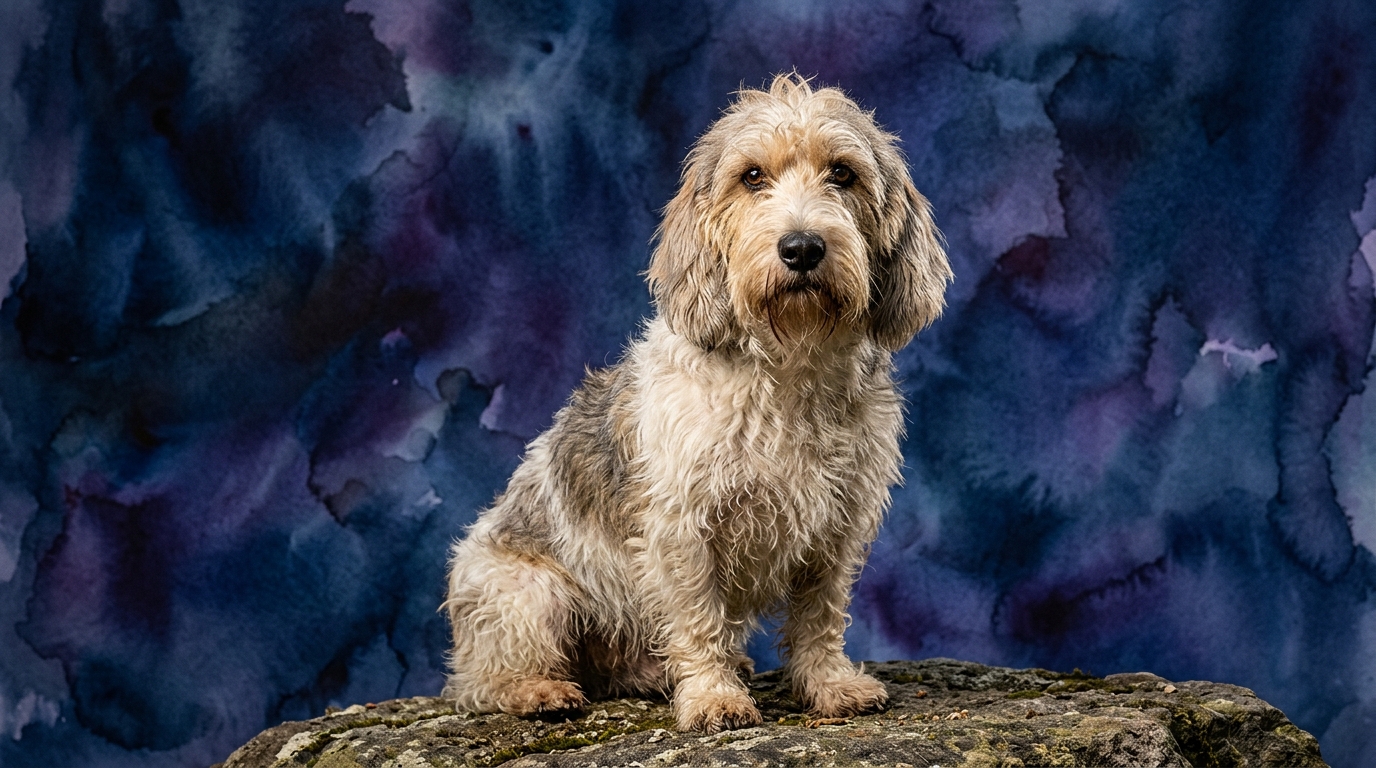
For the Petit Basset Griffon Vendéen, a hound through and through, their Problem Solving at 3/5 often translates into a tenacious ability to unravel complex scent trails, navigating challenging terrain to locate quarry. This isn't about solving human-devised puzzles as much as it is about persistent, independent deduction in a natural environment. Their 3/5 Training Speed reflects a moderate willingness to learn, often tempered by their independent, scent-driven focus; a captivating smell can easily override a command. Social Intelligence at 3/5 typically means they are capable of forming strong bonds within their 'pack'—both human and canine—and reading social cues effectively, but their hound independence means they are not always seeking constant human direction. Instinctive Drive, predictably, is heavily weighted towards scenting and pursuing, making them highly motivated by olfactory challenges. Their Memory at 3/5 is particularly adept at recalling specific scents and the routes associated with them, crucial for tracking.
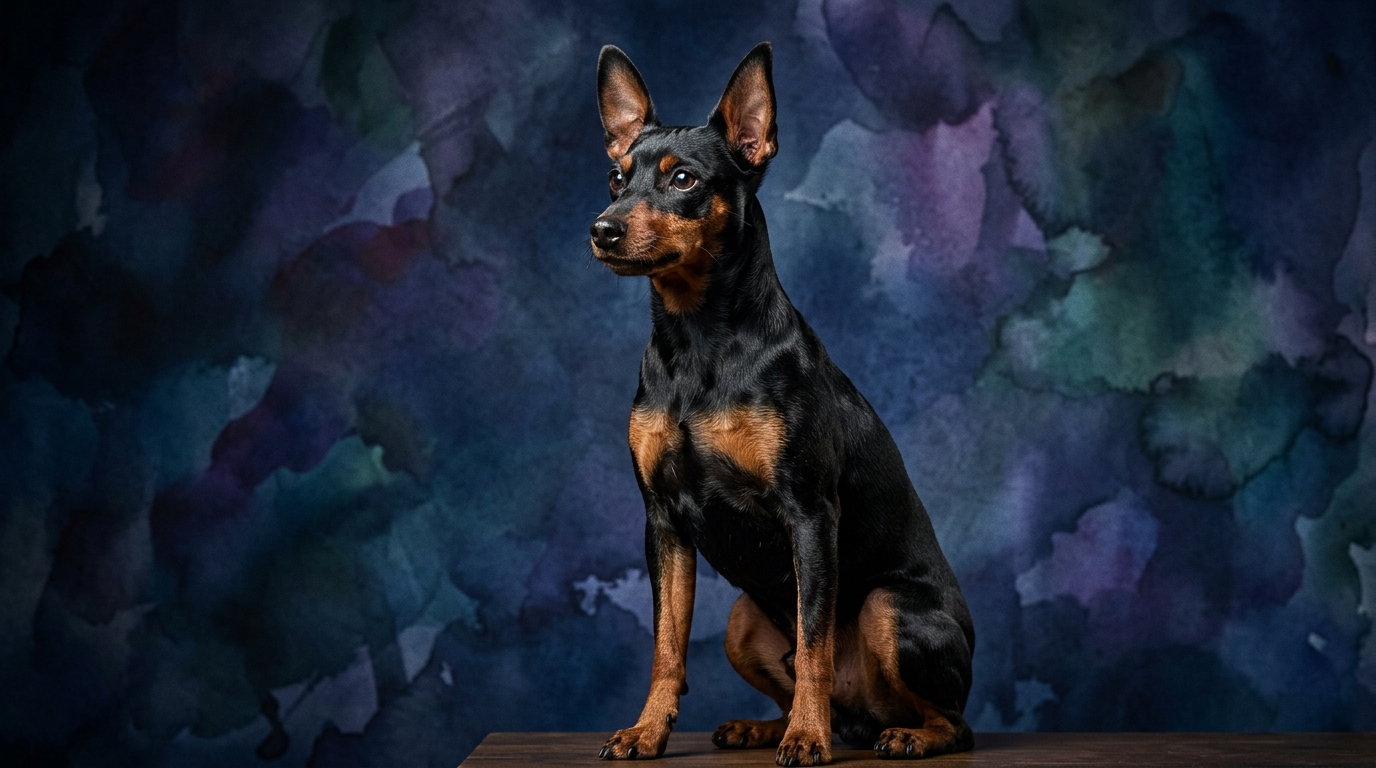
The Miniature Pinscher, often called the 'King of Toys,' expresses its 3/5 scores in a distinctly different manner. Their Problem Solving at 3/5 is often directed towards achieving their own goals, whether it's figuring out how to access a forbidden treat, or manipulating their environment to gain attention. This reflects a clever, sometimes mischievous, ingenuity. Training Speed at 3/5 indicates they are capable learners, but their assertive, self-assured nature means they require consistent, clear guidance and can test boundaries frequently. Their Social Intelligence at 3/5 allows them to be highly observant of human behavior and household dynamics, often using this information to their advantage, though they might be less inclined to defer to other dogs. Instinctive Drive at 3/5 is strongly linked to their ratting heritage and guarding instincts, manifesting as sharp alertness, territoriality, and a keen eye for small, moving objects. Their Memory at 3/5 is typically strong for routines, past interactions, and the locations of favored items, making them quick to remember what works (or doesn't) in their pursuit of comfort or attention.
Where the Petit Basset Griffon Vendéen Excels Cognitively
The Petit Basset Griffon Vendéen truly shines in cognitive tasks that leverage their innate hound capabilities. Their problem-solving prowess is most evident when presented with complex scent puzzles, such as advanced tracking games or scent discrimination exercises. A PBGV can meticulously work a cold trail for extended periods, demonstrating an enduring focus and an ability to interpret subtle olfactory information that would overwhelm many other breeds. This isn't just about following a line; it's about making deductions based on fading or fragmented scent particles, showcasing a specialized form of analytical thought. Furthermore, their instinctive drive for the chase, combined with their robust memory for terrain and successful hunting strategies, gives them an edge in activities requiring sustained, independent exploration and recall of environmental cues over vast areas. They excel when given a 'job' that allows them to use their nose and navigate freely, making complex decisions in real-time, far from direct human instruction.
Where the Miniature Pinscher Holds the Cognitive Edge
Conversely, the Miniature Pinscher demonstrates a distinct cognitive advantage in scenarios that demand quick situational awareness, bold decision-making, and a keen understanding of social hierarchies within a domestic setting. Their problem-solving skills, while rated the same numerically as the PBGV, manifest as a sharper, more immediate assessment of their immediate environment for opportunities or perceived threats. A Min Pin might quickly figure out how to open a cupboard door or manipulate a barrier to reach a desired object, exhibiting a cleverness geared towards immediate gratification or territorial assertion. Their social intelligence often allows them to 'read' their human companions with remarkable precision, anticipating moods or intentions, and then adapting their behavior to elicit a desired response, be it attention or a treat. This quick processing of social cues, combined with their strong memory for routines and consequences, makes them particularly adept at navigating the intricate social landscape of a home, often finding ways to be at the center of attention or to enforce their own perceived rules.
Ease of Training: Hound Independence vs. Toy Assertiveness
When it comes to training, the '3/5' Training Speed score for both breeds belies significant differences in their approach and the challenges owners will face. The Petit Basset Griffon Vendéen, due to its hound heritage, often presents training challenges rooted in distraction and independence. A PBGV might understand a command perfectly but choose to ignore it if a more compelling scent or sound captures their attention. Their training requires immense patience, consistency, and a deep understanding of their prey drive. Owners must work to make training more rewarding than any environmental stimulus, often incorporating scent work into their learning. They learn best when training is framed as a collaborative hunt, rather than strict obedience.
The Miniature Pinscher, on the other hand, often presents training hurdles stemming from their assertive personality and a strong sense of self-importance. While they are capable of learning quickly, their 'King of Toys' mentality means they can be opinionated and may attempt to dictate terms. They are not easily intimidated and will test boundaries repeatedly. Training a Min Pin demands a confident, consistent leader who can establish clear rules and provide firm, fair guidance. Their excellent memory means they quickly recall what they can get away with, so any lapse in consistency can set training back significantly. Both breeds require early and extensive socialization to temper their natural instincts—the PBGV's potential for vocalization and independent roaming, and the Min Pin's tendency towards territoriality and nipping.
Suitability for Active vs. Relaxed Owners
The Petit Basset Griffon Vendéen thrives with active owners who enjoy outdoor adventures and are prepared for a dog with significant stamina and a strong desire to explore. These dogs require substantial daily exercise that engages both their bodies and their noses. Long, leashed walks or secure off-leash romps in fenced areas are essential, and they excel in dog sports like tracking, agility, or scent work that allow them to utilize their natural instincts. A PBGV is not content with short strolls around the block; they need purposeful activity that stimulates their keen senses and satisfies their inherent drive to 'hunt' or explore. Owners who lead a more relaxed, sedentary lifestyle might find the PBGV's energy levels and persistent need for mental engagement overwhelming, potentially leading to destructive behaviors born of boredom.
The Miniature Pinscher, while energetic and requiring regular exercise, can adapt more readily to a variety of owner lifestyles, provided their mental stimulation needs are met. They enjoy brisk walks, active playtime, and thrive on interactive games indoors. Their smaller size makes them suitable for apartment living, but their bold personality means they still need outlets for their energy and guarding instincts. Owners who are active but also enjoy quiet time at home can find a good match in a Min Pin, as long as they commit to consistent training and mental enrichment activities like puzzle toys or short, engaging training sessions. A truly relaxed or passive owner might struggle with the Min Pin's assertive nature and potential for incessant barking or demand barking if their needs for leadership and activity are not adequately addressed.
The Verdict
Choose the Petit Basset Griffon Vendéen if you're an adventurous owner eager to harness a persistent, scent-driven companion for outdoor exploration and specialized tracking activities. This breed is for those who appreciate independent thought in their canine partner and can provide ample opportunities for their hound instincts to flourish.
Opt for the Miniature Pinscher if you desire a bold, alert, and clever companion who will keep you on your toes with their assertive personality and quick wit. This breed suits owners who are consistent, enjoy interactive play, and can confidently guide a dog with a strong sense of self.
🧠 Find Your Pet's IQ Score
Our Pet IQ Lab assessment covers 25+ tests across 5 cognitive dimensions — personalized to your breed.
Take the Full IQ Test →Frequently Asked Questions
Are Petit Basset Griffon Vendéens good with children?
PBGVs are generally good-natured and tolerant with children, especially if raised with them. Their robust build and playful nature make them suitable companions, but supervision is always recommended with any dog-child interaction.
Do Miniature Pinschers bark a lot?
Miniature Pinschers are known for their alert nature and can be prone to barking, particularly as a warning or to assert their presence. Consistent training and socialization from an early age can help manage this tendency, but expect some vocalization.
Which breed is better for first-time dog owners?
Neither breed is typically recommended for completely inexperienced first-time owners due to their strong personalities and specific needs. Both require consistent training, early socialization, and an owner who understands their breed-specific drives to thrive effectively.