Side-by-Side IQ Profile: Nuances of a Balanced 3/5
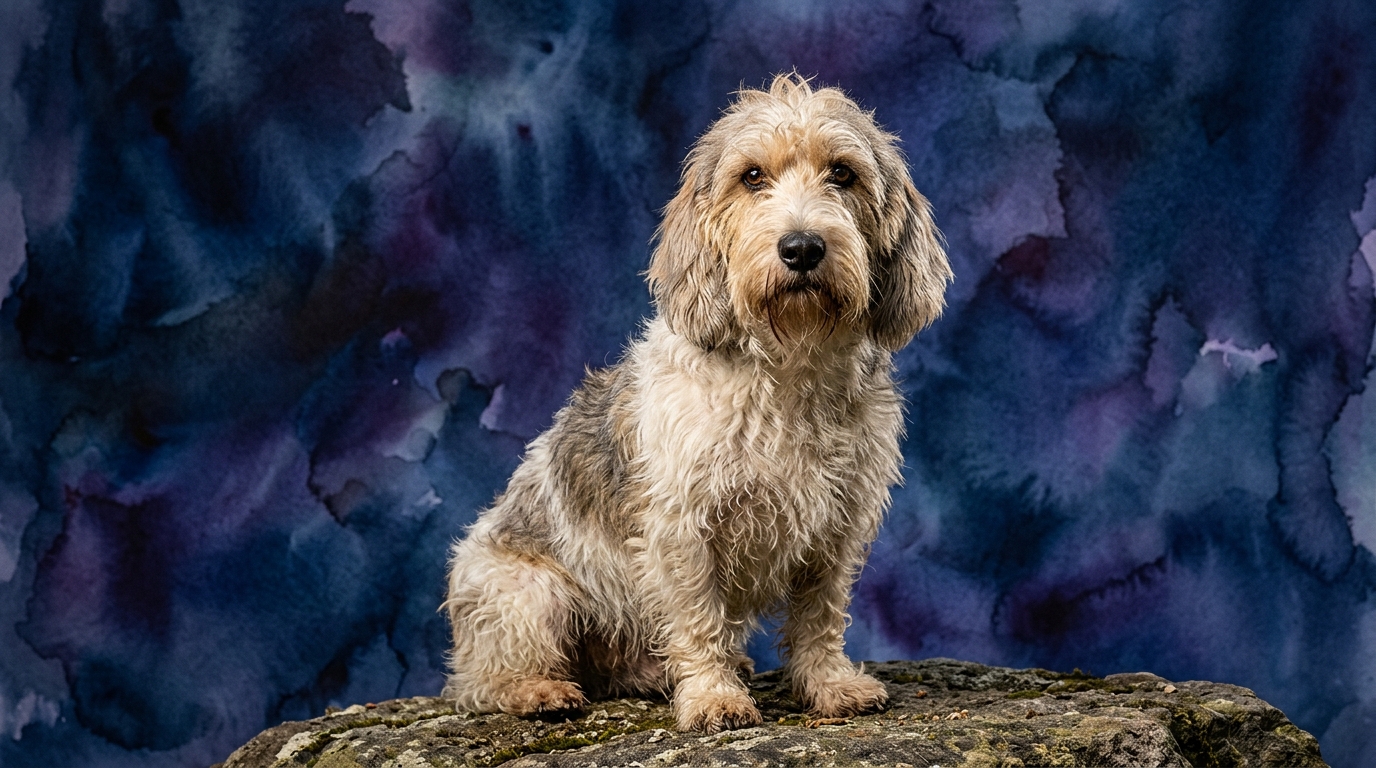
The Cosmic Pet Pet IQ Lab assigns both the Petit Basset Griffon Vendéen (PBGV) and the Norwegian Lundehund a 3/5 in Problem Solving, Training Speed, Social Intelligence, Instinctive Drive, and Memory. While numerically identical, the practical manifestation of these scores differs significantly due to their breed histories. For the PBGV, a French scent hound, Problem Solving at 3/5 often translates to methodical, persistent tracking challenges, where they use their nose to unravel complex scent puzzles. Their 3/5 Training Speed reflects a moderate willingness to learn, often tempered by an independent hound spirit that prioritizes following a scent over human commands. Social Intelligence at 3/5 means they are generally friendly and adaptable within their established 'pack,' but may display typical hound boisterousness. Their Instinctive Drive, also 3/5, is powerfully geared towards scent work and chasing, a core part of their being. Memory at 3/5 allows them to recall complex scent trails and routines, crucial for their hunting heritage.
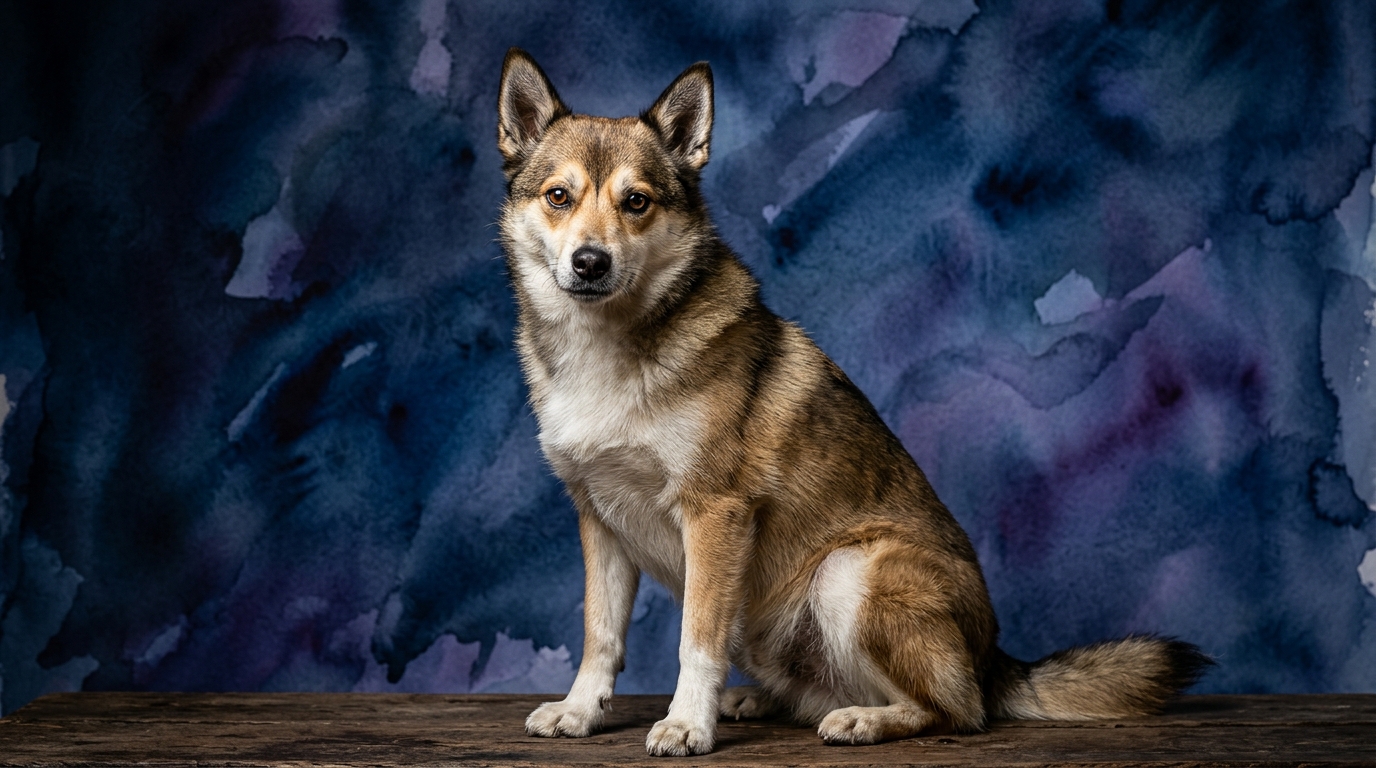
The Norwegian Lundehund, a unique breed developed to hunt puffins on treacherous coastal cliffs, also scores 3/5 across the board, but these scores manifest through a different lens. Their Problem Solving at 3/5 is highly physical and spatially oriented, involving navigating tight crevices, climbing, and strategic maneuvering in challenging environments. Training Speed at 3/5 for a Lundehund indicates a capacity for learning, but often requires patience and creative methods to engage a breed accustomed to independent work, sometimes appearing aloof. Their Social Intelligence, also 3/5, typically involves strong bonds with their immediate family, often being reserved or wary of strangers, reflecting their isolated origins. The 3/5 Instinctive Drive in Lundehunds is a specialized prey drive for birds and a strong urge to climb and explore, utilizing their unique skeletal flexibility. Memory at 3/5 enables them to recall complex terrain, the location of burrows, and specific hunting strategies, vital for survival in their harsh native landscape.
Where the Petit Basset Griffon Vendéen Excels Cognitively
The PBGV's cognitive strengths lie in its collaborative yet independent problem-solving related to scent. While a 3/5 score suggests moderate aptitude, their persistent focus on a scent trail is a remarkable feat of sustained attention and deductive reasoning within their sensory world. They excel at 'unraveling' a scent, mentally mapping out where prey has been, a complex cognitive task that requires not just detection but interpretation. This breed demonstrates a robust ability to work in concert with other hounds or handlers, responding to pack dynamics and human cues while maintaining their individual pursuit. Their vocalizations, often described as a 'joyful noise,' are not just expressions but a form of communication within their working context, signaling progress or discovery. This blend of sensory processing, persistence, and communicative social intelligence within a task is a hallmark of their cognitive profile.
Furthermore, the PBGV's inherent 'joie de vivre' contributes to a certain cognitive resilience. They are generally adaptable to new situations and people once their initial energy is managed, processing new information with an open, if sometimes boisterous, curiosity. This allows them to integrate into diverse family environments more readily than some breeds with specialized, rigid problem-solving approaches. Their cognitive strength is in their ability to apply their keen olfactory intelligence to a wide range of situations, from tracking game to finding dropped items, demonstrating flexible application of their primary cognitive tool.
Where the Norwegian Lundehund Shows Unique Cognitive Flair
The Norwegian Lundehund's cognitive advantages are deeply intertwined with its extraordinary physical adaptations. Their 3/5 Problem Solving manifests as exceptional spatial reasoning and motor planning, allowing them to navigate incredibly challenging environments. This includes their ability to bend their heads backward to touch their spine, turn their ears inside out to protect them, and possess six toes on each foot—all physical traits that require precise neurological control and spatial awareness for effective use. Their brain is wired for intricate physical problem-solving: how to climb a sheer rock face, how to squeeze into a tiny crevice, or how to dislodge a puffin from a tight burrow. This isn't just physical prowess; it’s the cognitive mapping and strategic execution of complex movements in three-dimensional space.
Their 3/5 Instinctive Drive for climbing and exploring is a powerful cognitive motivator, driving them to constantly assess and interact with their surroundings. This constant environmental engagement hones their observational skills and memory for terrain, allowing them to recall complex routes and potential hiding spots. Unlike the PBGV's scent-focused persistence, the Lundehund's persistence is often physically dynamic, involving trial and error in movement and positioning. Their intelligence shines in scenarios demanding agility, balance, and a strategic approach to overcoming physical obstacles, making them unique in their cognitive application of physical attributes.
Training Dynamics: Independence Meets Adaptability
When considering ease of training, both breeds present a moderate challenge, scoring 3/5 in Training Speed, but for different reasons. The Petit Basset Griffon Vendéen's challenge often stems from its strong independent hound nature and primary focus on scent. A PBGV might learn a command quickly in a distraction-free environment, but if a compelling scent crosses its path, its instinctive drive will often override learned behavior. Training requires consistent, positive reinforcement, patience, and an understanding that their nose is their master. Owners must be prepared to make training engaging and more rewarding than a captivating smell, often utilizing games that incorporate scent work to channel their natural inclinations.
The Norwegian Lundehund, while also independent, presents a different training dynamic. Their history of working alone on cliffs has fostered a self-reliant mindset. A Lundehund might understand a command but choose not to execute it if it doesn't align with their perceived self-interest or if they are engaged in an activity they find more stimulating, such as climbing or exploring. Their training requires creativity, understanding their unique motivations, and often a more 'negotiated' approach rather than strict command-and-control. They are less likely to be swayed by a strong scent than a PBGV, but equally likely to be 'distracted' by an interesting rock or a potential climbing opportunity. Neither breed is inherently 'difficult,' but both demand an owner who appreciates and works with their inherent cognitive biases rather than against them.
Matching Breeds to Lifestyles: Active Explorers vs. Scent Enthusiasts
For active owners, both breeds offer engaging companionship, but their activity needs diverge in nature. The Petit Basset Griffon Vendéen thrives with owners who can provide regular, structured exercise that taps into their hound instincts. This means long walks or runs where they can explore scents, secure areas for off-leash romps, and perhaps participation in scent work, tracking, or agility to provide mental stimulation. Their energy is robust and needs an outlet, but it's often channeled through their nose and a desire to cover ground. A PBGV is well-suited for owners who enjoy hiking, long walks, or simply having a boisterous, active companion for outdoor adventures.
The Norwegian Lundehund, on the other hand, suits owners who are not just active but appreciate and can facilitate unique physical and exploratory needs. This breed requires opportunities to climb, investigate nooks and crannies, and engage in activities that challenge their agility and spatial reasoning. Owners who enjoy rock scrambling, agility courses, or who can provide a safe, enriched environment with climbing structures and varied terrain will find the Lundehund's needs align well. For more relaxed owners, neither breed is an ideal fit without significant commitment to managing their inherent drives. Both breeds possess an intrinsic drive that, if not appropriately channeled, can lead to destructive behaviors or an inability to settle. However, a PBGV might adapt slightly better to a less intensely 'physical' active owner if scent work can be a primary outlet, whereas the Lundehund truly needs physical outlets for its unique climbing and exploring instincts.
The Verdict
Choose the Petit Basset Griffon Vendéen if you appreciate a charmingly persistent companion whose cognitive world revolves around scent, and you enjoy channeling their energy into tracking games and long, exploratory walks. They are ideal for owners who can embrace their independent hound spirit and provide consistent, positive guidance.
Opt for the Norwegian Lundehund if you are fascinated by a physically agile and uniquely adapted breed, and you are prepared to facilitate their distinct cognitive drives for climbing, exploring, and spatial problem-solving. This breed thrives with owners who understand and cater to their self-reliant nature and need for varied physical and mental challenges.
🧠 Find Your Pet's IQ Score
Our Pet IQ Lab assessment covers 25+ tests across 5 cognitive dimensions — personalized to your breed.
Take the Full IQ Test →Frequently Asked Questions
Are Petit Basset Griffon Vendéens good family dogs?
Yes, PBGVs are generally affectionate and social within their family 'pack,' demonstrating a 3/5 social intelligence. They enjoy being part of family activities and can be quite playful, though their boisterous nature and strong scent drive require supervision around very young children or other small pets.
Do Norwegian Lundehunds get along with other pets?
Norwegian Lundehunds can coexist with other pets, especially if introduced early, but their 3/5 social intelligence often means they form strongest bonds with their human family. Their specialized prey drive for birds means careful supervision is essential around avian companions, and their unique physical needs might not always align with other dog breeds' play styles.
Which breed is better for apartment living?
Neither breed is ideally suited for small apartment living without significant commitment to daily exercise and mental stimulation outside the home. Both breeds have a 3/5 instinctive drive that requires an outlet; a PBGV needs space to track and run, while a Lundehund needs opportunities to climb and explore to prevent boredom and destructive behaviors.