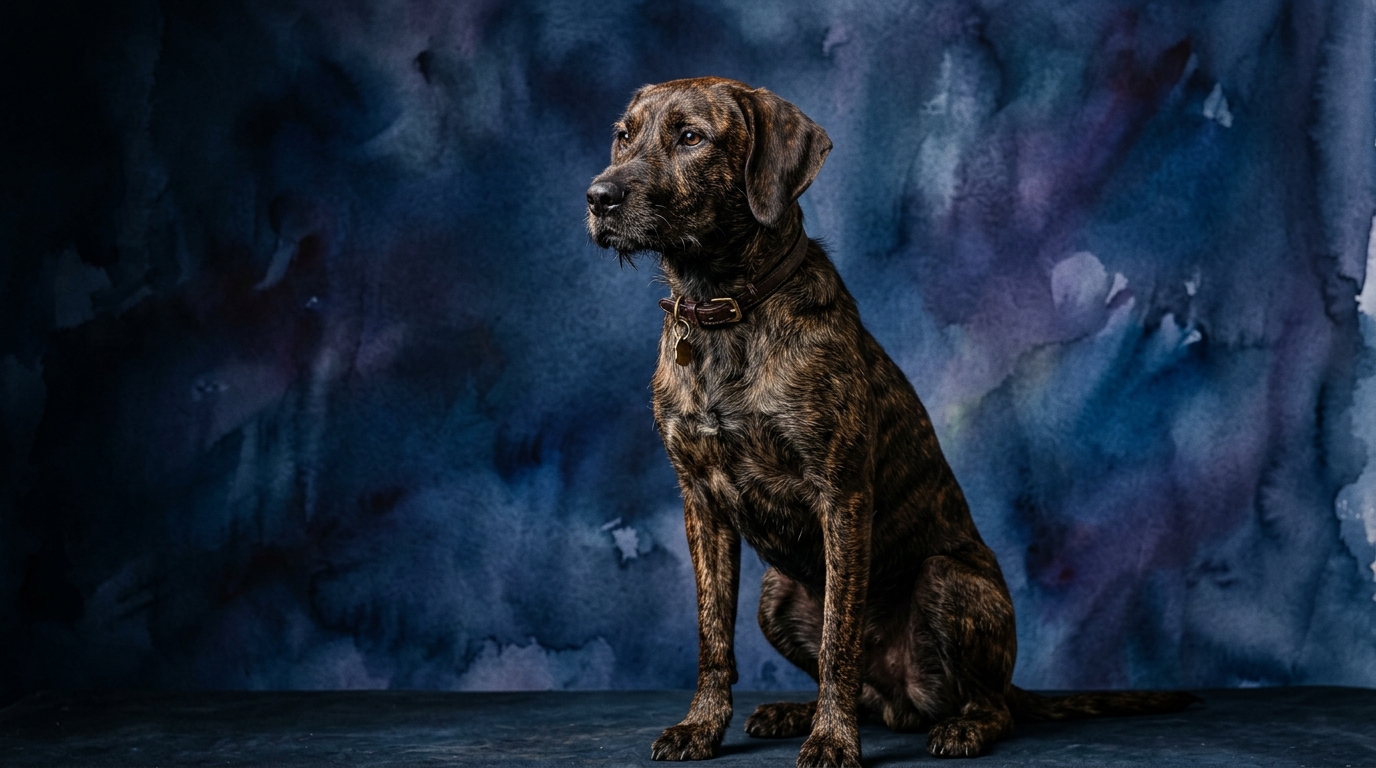
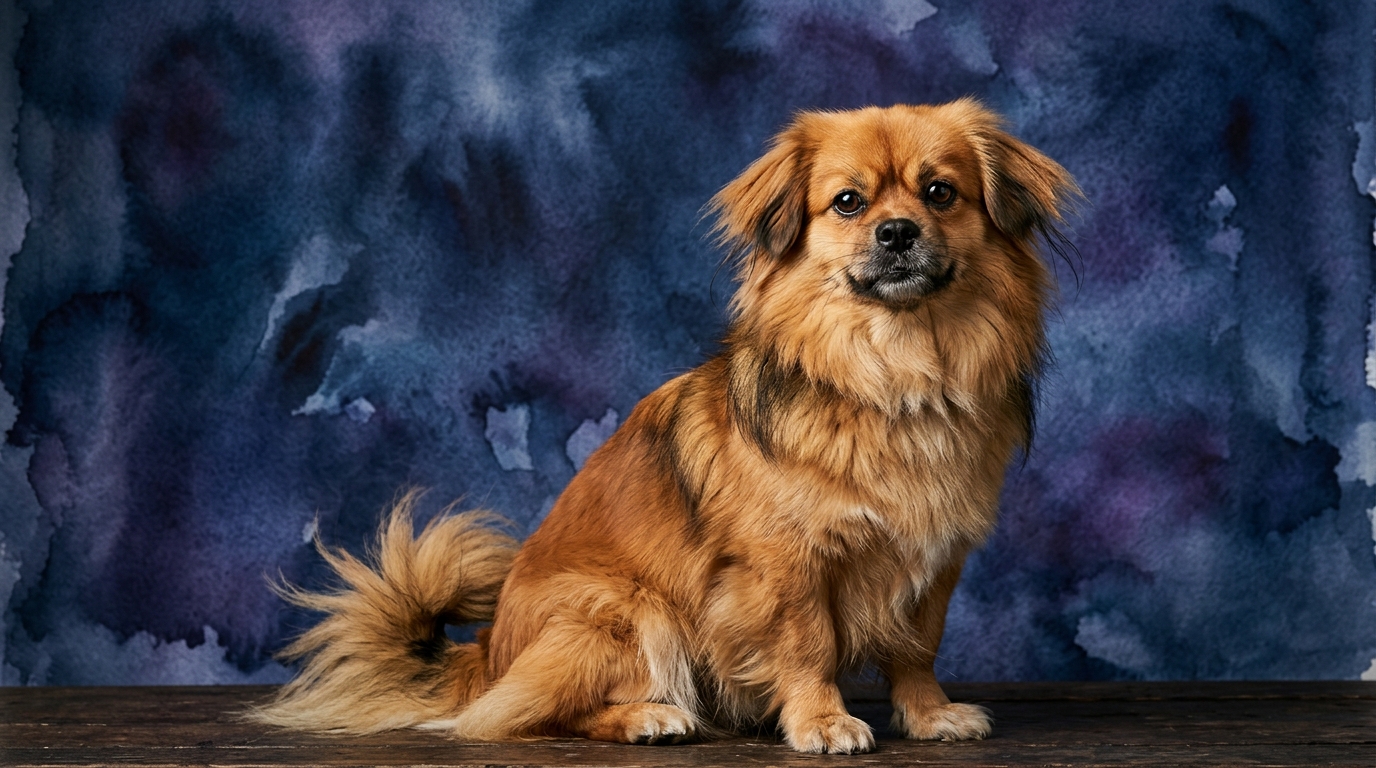
Side-by-Side IQ Profile: Unpacking Identical Scores
The Cosmic Pet Pet IQ Lab assigns both the Plott Hound and the Tibetan Spaniel a consistent 3/5 rating across five crucial cognitive dimensions: Problem Solving, Training Speed, Social Intelligence, Instinctive Drive, and Memory. A score of 3/5 indicates a solid, capable level of cognitive function – neither exceptionally challenging nor remarkably quick, but reliably competent.
For the Plott Hound, a 3/5 in Problem Solving often manifests in their ability to work through complex scent trails, navigating varied terrain and obstacles to achieve a goal, such as locating game. Their cognitive focus is typically external and task-oriented, requiring persistence and strategic application of their senses.
The Tibetan Spaniel's 3/5 in Problem Solving, by contrast, frequently appears in domestic settings. They might adeptly figure out how to gain access to a favorite sunbeam, communicate a desire for attention, or subtly manipulate household routines to their benefit. Their problem-solving is often internally motivated and socially oriented.
When it comes to Training Speed, the Plott Hound's 3/5 means they are capable learners, but their independent nature and powerful scent drive can sometimes make sustained focus on handler commands a challenge. Consistency and high-value rewards are key to harnessing their learning capacity.
Similarly, the Tibetan Spaniel's 3/5 in Training Speed reflects their ability to grasp commands, but often with a caveat: they learn best when they perceive a clear benefit or when the training strengthens their bond. Their independent streak can mean they weigh the value of compliance against their own desires.
Social Intelligence at 3/5 for the Plott Hound translates to an understanding of pack dynamics and working relationships, often demonstrating a keen awareness of their handler's cues in a hunting context. They can be affectionate with their family, but their social focus might be less about subtle human emotional nuance and more about practical interaction.
The Tibetan Spaniel's 3/5 in Social Intelligence is finely tuned to their human companions. They are adept at reading family moods, understanding household social structures, and using subtle cues to communicate their needs or desires. They often form deep, perceptive bonds within their immediate family unit.
Instinctive Drive, rated 3/5 for the Plott Hound, is profoundly expressed through their powerful prey drive, relentless tracking ability, and unwavering persistence in following a scent. This drive is central to their identity and requires appropriate outlets.
For the Tibetan Spaniel, a 3/5 in Instinctive Drive manifests as a strong watchdog tendency, an alert nature, and a desire for close companionship. Their drive is less about physical pursuit and more about protecting their family and maintaining their social structure.
Finally, Memory at 3/5 for the Plott Hound is evident in their ability to recall complex scent patterns, navigate familiar hunting grounds, and remember specific working strategies. Their memory serves their primary purpose as a tracking hound.
The Tibetan Spaniel's 3/5 in Memory shines in their recall of routines, favorite hiding spots for treats, and the intricate social dynamics of their household. They remember past interactions and learn quickly from experiences within their home environment.
Where the Plott Hound Excels Cognitively
Despite sharing the same raw cognitive scores, the Plott Hound's mental strengths are distinctly geared towards their historical role. Their 3/5 in problem-solving truly shines when presented with intricate environmental puzzles, such as disentangling interwoven scent trails in dense woodland or finding the most efficient path through challenging terrain to reach a target. This isn't abstract logic, but a highly practical, sensory-driven form of intelligence.
Their 3/5 instinctive drive is not just a general energy level; it's a relentless, singular focus on a task once engaged. This cognitive tenacity means they can maintain concentration on a scent or a goal for extended periods, filtering out distractions that would overwhelm many other breeds. This sustained focus is a significant cognitive asset in their specialized field.
Furthermore, the Plott Hound's 3/5 memory is particularly robust for spatial awareness and long-term recall of scent profiles. They effectively store and retrieve information about landscapes, previous routes, and specific quarry scents, allowing them to learn and adapt hunting strategies over time. Their memory is a critical tool for navigating and succeeding in complex outdoor environments.
Where the Tibetan Spaniel Excels Cognitively
The Tibetan Spaniel's cognitive strengths, while also rated 3/5, are applied with a different emphasis, reflecting their role as a companion and sentinel. Their problem-solving at 3/5 is notably adept at social engineering within the home. They can quickly learn which family member is most susceptible to their charms, or which specific behavior will elicit a desired response like a treat or lap time. This requires a nuanced understanding of cause and effect in human interaction.
Their 3/5 social intelligence is arguably their most pronounced cognitive advantage. Tibetan Spaniels possess a remarkable capacity for reading subtle human cues, understanding emotional states, and adapting their behavior accordingly. They are keenly aware of household dynamics, often acting as sensitive barometers for the family's mood, and using this information to navigate their daily lives.
The Tibetan Spaniel's 3/5 memory is excellent for routines and social patterns. They quickly internalize daily schedules, remember who is a friend or a stranger, and recall specific interactions that led to positive or negative outcomes. This strong associative memory contributes to their ability to integrate seamlessly into family life and become highly attuned to their environment and its inhabitants.
Training Dynamics: Plott Hound vs. Tibetan Spaniel
When considering ease of training, the identical 3/5 Training Speed scores for Plott Hounds and Tibetan Spaniels belie distinct challenges. The Plott Hound, with its powerful 3/5 instinctive drive, requires an owner who understands how to channel this energy. Their independence means they might learn commands, but their adherence can be conditional on their environment; a compelling scent can easily override a 'stay' command. Training needs to be consistent, highly rewarding, and often conducted in distraction-free environments before generalizing to more stimulating settings. Their focus on the task at hand, while a cognitive strength in the field, can be a training hurdle in a domestic context.
The Tibetan Spaniel's 3/5 Training Speed is influenced by their 3/5 social intelligence and a characteristic independent streak. They are responsive to positive reinforcement and thrive on pleasing their primary people, making them capable of learning a wide array of commands. However, if a Tibetan Spaniel doesn't perceive a clear benefit or if they are simply not in the mood, their compliance can waver. They might exhibit a 'what's in it for me?' attitude, requiring patient, engaging training methods that make learning fun and rewarding from their perspective. House training can sometimes require extra consistency due to their strong sense of comfort and preference for cleanliness in their immediate sleeping area.
In essence, neither breed presents an 'easy' training experience in the sense of instant obedience. The Plott Hound demands an owner who can manage and redirect a powerful, external, instinct-driven focus. The Tibetan Spaniel requires an owner who can motivate a discerning, internally-driven companion who weighs the value of compliance against their own comfort or desires. The 'easier' breed depends entirely on the trainer's experience with these specific cognitive profiles and their willingness to adapt methods accordingly.
Matching Breeds to Lifestyles: Active vs. Relaxed Owners
The Plott Hound's 3/5 instinctive drive and robust physical build make them an ideal match for active owners. They thrive when given a job, whether it's participating in scent work, tracking sports, or simply accompanying their human on long, vigorous hikes or runs. Their cognitive satisfaction comes from engaging their senses and body in purposeful activity. A relaxed, sedentary owner would find it challenging to meet the Plott Hound's inherent need for physical and mental engagement, potentially leading to boredom and undesirable behaviors.
Conversely, the Tibetan Spaniel, while playful and requiring regular walks, is far better suited to relaxed owners who appreciate a companion content with moderate activity and ample cuddle time. Their cognitive fulfillment comes from close social interaction and being an integral part of family life. They are alert and enjoy observing their surroundings, but their energy demands are significantly lower than a hound's. They are adaptable to apartment living, provided they receive consistent daily walks and mental stimulation through play and interaction.
The Verdict: When to Choose Each
The Verdict
Choose the Plott Hound if you are an active, outdoors-oriented individual or family, prepared to channel a powerful, scent-driven instinct into purposeful activities, appreciating a loyal companion with profound tracking abilities.
Opt for the Tibetan Spaniel if you seek an alert, socially perceptive, and adaptable companion who thrives on close family interaction, enjoys moderate activity, and brings a watchful yet affectionate presence to a more relaxed home environment.
🧠 Find Your Pet's IQ Score
Our Pet IQ Lab assessment covers 25+ tests across 5 cognitive dimensions — personalized to your breed.
Take the Full IQ Test →Frequently Asked Questions
Are Plott Hounds good with children and other pets?
With proper socialization from a young age, Plott Hounds can be affectionate family members. However, their strong prey drive (3/5 instinctive drive) means careful introductions and supervision are crucial, especially with smaller pets or very young children, to ensure harmonious living.
Do Tibetan Spaniels make good watchdogs?
Yes, Tibetan Spaniels are known for their alert nature and make excellent watchdogs, utilizing their 3/5 social intelligence and instinctive drive to detect and announce strangers or unusual occurrences with their characteristic bark. They are vigilant observers of their territory and family.
How much grooming does each breed require?
Plott Hounds have a short, dense coat that requires minimal grooming, typically weekly brushing to remove loose hair. Tibetan Spaniels have a double coat with feathering, needing regular brushing a few times a week to prevent mats and tangles, particularly around their ears and tail.