Side-by-Side IQ Profile: Samoyed vs. Alaskan Malamute
The Cosmic Pet Pet IQ Lab employs a unique five-dimensional framework to assess canine intelligence, moving beyond simple obedience to encompass a holistic view of a dog's mental landscape. Let's apply this framework to dissect the cognitive profiles of the Samoyed and the Alaskan Malamute, revealing their distinct intellectual leanings.
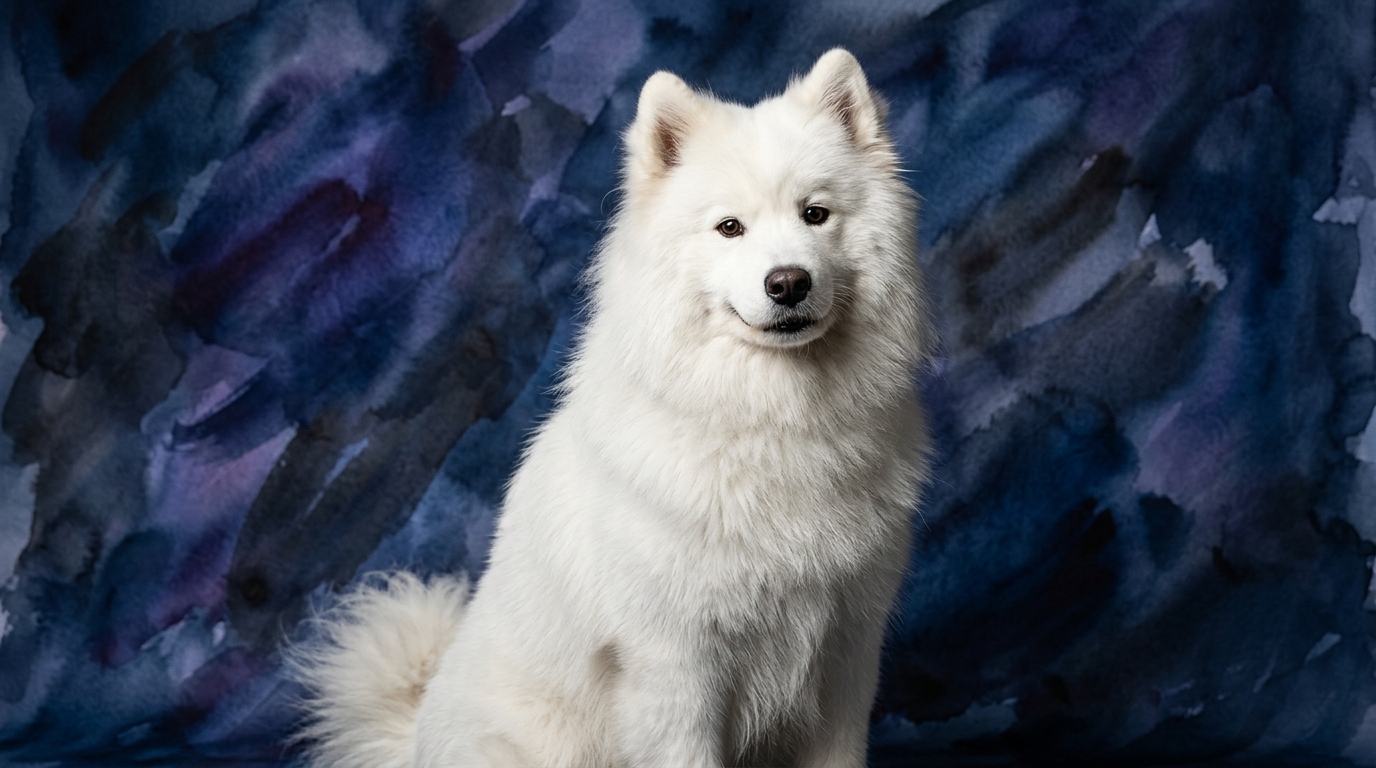
The Samoyed, with a Coren ranking of #33, demonstrates a balanced cognitive profile geared towards companionship and cooperative work. Their Problem Solving is rated 3/5, indicating a moderate ability to navigate novel situations independently; they are proficient at established routines but might seek human input for complex new challenges. Training Speed stands at 3/5, meaning they grasp new commands at an average pace, responding well to positive, engaging sessions. Their Social Intelligence is exceptional at 5/5, reflecting a deep empathy and attunement to human emotions, making them highly responsive companions. Instinctive Drive is 4/5, showing a strong, but manageable, inclination towards their herding and pulling heritage. Finally, their Memory is 3/5, solid for learned behaviors but benefiting from consistent reinforcement.
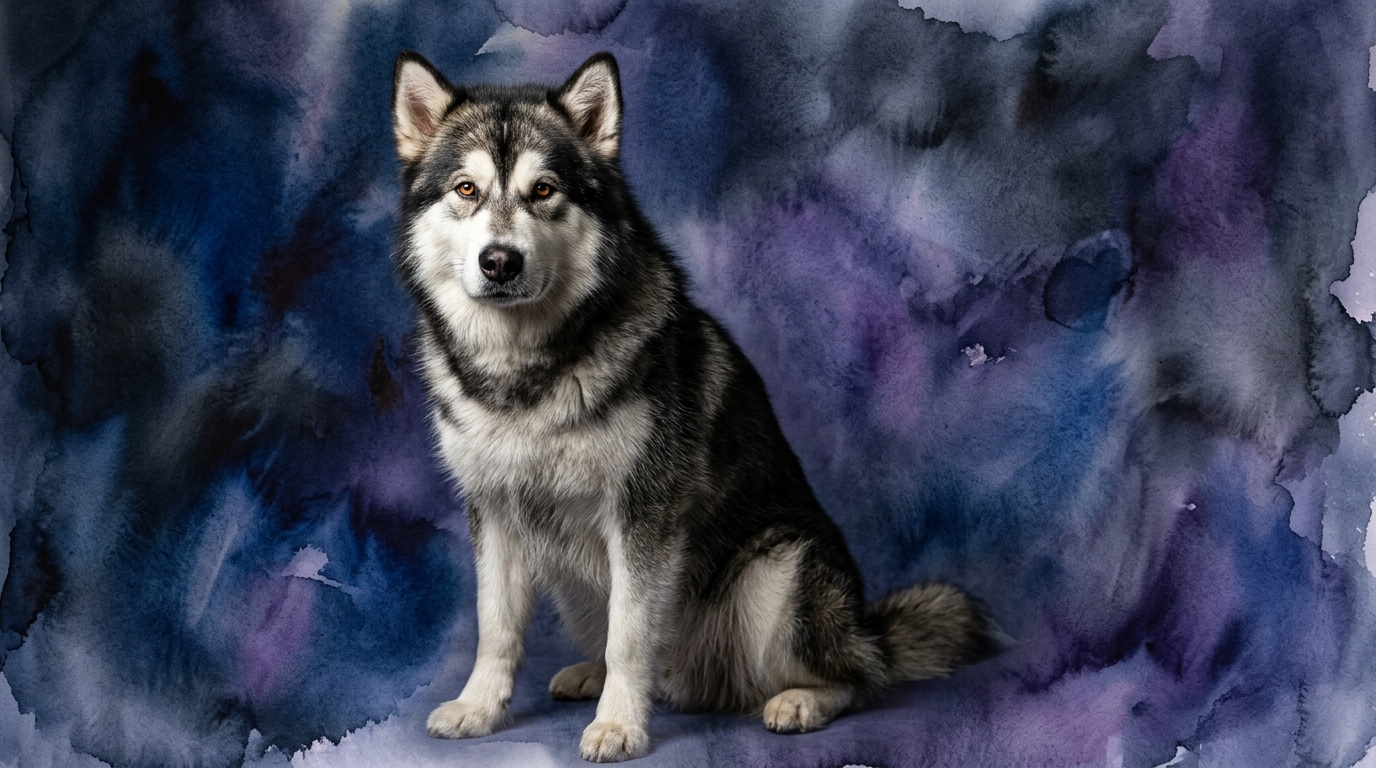
The Alaskan Malamute, ranked #50 by Coren, presents a profile emphasizing independence and tenacity, forged by centuries of demanding freight hauling. Their Problem Solving is a robust 4/5, showcasing a remarkable capacity for figuring out challenges independently, often leading to ingenious, if sometimes mischievous, solutions. Training Speed is 2/5, indicating they learn new commands more slowly, requiring significant patience and motivation due to their independent nature. Social Intelligence is 3/5; while affectionate, they are more self-contained and less overtly focused on subtle human emotional cues than the Samoyed. Instinctive Drive is a powerful 5/5, encompassing an intense desire to pull, hunt, and explore, deeply ingrained in their being. Their Memory is 4/5, particularly strong for spatial information and strategies that serve their own goals.
Where the Samoyed Wins Cognitively
The Samoyed truly excels in social intelligence, earning a perfect 5/5 rating. This breed possesses an extraordinary capacity for empathy and an innate ability to read human emotions, often anticipating needs or moods without explicit cues. This translates into a dog deeply connected to its family, seeking to engage, comfort, or participate in activities based on subtle shifts in human behavior. Their desire for close social bonding drives much of their cognitive processing, making them highly collaborative partners and excellent family members. This contrasts with many working breeds that prioritize tasks over social nuance. Furthermore, their comparatively faster training speed (3/5 versus Malamute's 2/5) means they are generally more receptive to learning new commands and routines, often motivated by the positive social interaction inherent in training sessions. This makes the training journey smoother for owners who appreciate a dog that genuinely enjoys working with them.
Where the Alaskan Malamute Wins Cognitively
The Alaskan Malamute's cognitive strengths lie firmly in independent problem-solving, scoring an impressive 4/5. These dogs are master strategists, capable of assessing situations and devising ingenious methods to achieve their objectives, whether it's outsmarting a gate latch or locating a hidden treat. Their resourcefulness is legendary, born from a history of surviving and thriving in challenging environments where self-reliance was paramount. This strong problem-solving ability means they are less likely to wait for human direction and more inclined to figure things out for themselves. Additionally, their instinctive drive (5/5) is unparalleled, reflecting a profound intrinsic motivation for tasks like pulling and exploring. This powerful drive, combined with a stronger memory (4/5 versus Samoyed's 3/5), allows them to retain complex spatial information and successful strategies over long periods, making them incredibly effective and persistent in their pursuits.
Which Is Easier to Train and Why
When considering ease of training, the Samoyed generally presents a more cooperative experience for the average owner. Their superior social intelligence (5/5) means they are highly motivated by human interaction and praise, making them eager to please and more responsive to positive reinforcement. While their training speed is moderate (3/5), their desire for collaboration and their attentiveness to their owner's cues make them more amenable to learning and less likely to actively resist instruction. They thrive on shared activity and view training as an extension of their bond with their family, often seeking to understand and comply with expectations.
Conversely, the Alaskan Malamute is undeniably more challenging to train, largely due to their lower training speed (2/5) and exceptionally high instinctive drive (5/5). Malamutes are independent thinkers who were bred to make decisions in challenging conditions, often far from human guidance. This translates into a dog that frequently questions the necessity of a command if it doesn't align with their own perceived goals or instincts. They are not easily motivated by simple praise and often require high-value rewards and compelling reasons to comply. Their strong-willed nature means training demands immense patience, creativity, and a deep understanding of canine psychology, making them less suitable for novice trainers or those seeking a dog that will blindly obey.
Which Suits Active Owners vs. Relaxed Owners
Neither the Samoyed nor the Alaskan Malamute are suited for truly relaxed or sedentary owners; both breeds originate from working lineages that demand significant physical and mental engagement. However, the type of activity they thrive on differs. The Samoyed suits active owners who desire a highly interactive companion for shared adventures. They excel in activities like hiking, jogging, dog sports, or long walks, particularly when these involve their human family. Their strong social intelligence means they genuinely enjoy participating alongside their people, making them wonderful partners for owners who want to integrate their dog fully into an active lifestyle. They require consistent engagement, not just exercise, to prevent boredom and destructive behaviors.
The Alaskan Malamute, with its immense instinctive drive and physical endurance, demands an owner who is not only active but also experienced in channeling powerful working dog traits. They thrive on activities that utilize their incredible pulling power, such as sledding, skijoring, or long-distance backpacking. Their independence means they can handle more challenging physical tasks, but they still require a significant investment of time and energy to prevent boredom-induced mischief. Owners must be prepared to provide consistent, vigorous exercise and mental challenges that respect their breed's deep-seated need for purpose.
The Verdict
Select a Samoyed if you desire an exceptionally social, empathetic, and communicative companion who thrives on collaborative activities and is eager to integrate into family life, appreciating a more cooperative training dynamic.
Opt for an Alaskan Malamute if you are an experienced, highly active individual prepared to channel immense independent drives, appreciate a dog that thinks for itself, and are committed to consistent, patient training for a strong-willed, resourceful, and enduring companion.
🧠 Find Your Pet's IQ Score
Our Pet IQ Lab assessment covers 25+ tests across 5 cognitive dimensions — personalized to your breed.
Take the Full IQ Test →Frequently Asked Questions
Are Samoyeds or Malamutes better with children?
Samoyeds, with their higher social intelligence and more cooperative nature, often adapt more readily to family dynamics and are generally more tolerant and gentle with children when properly socialized and supervised. Malamutes can be good family dogs but require stricter boundaries and supervision due to their strong independent drives and powerful physique.
Which breed is more prone to destructive behavior?
Both breeds can exhibit destructive behaviors if not adequately exercised and mentally stimulated. However, the Alaskan Malamute's higher problem-solving ability and stronger independent drive might lead to more resourceful and persistent destructive actions, such as opening cabinets or escaping enclosures, if bored and under-stimulated.
Do Samoyeds and Malamutes bark a lot?
Samoyeds are known for being vocal, using barks, howls, and the "Sammy smile" to communicate, though excessive barking can be managed with training and sufficient mental engagement. Alaskan Malamutes tend to be less prone to incessant barking but are renowned for their distinctive "woo-woo" sounds and howls, often communicating rather than merely alerting.