Side-by-Side Cognitive Profile: Samoyed vs. Great Pyrenees
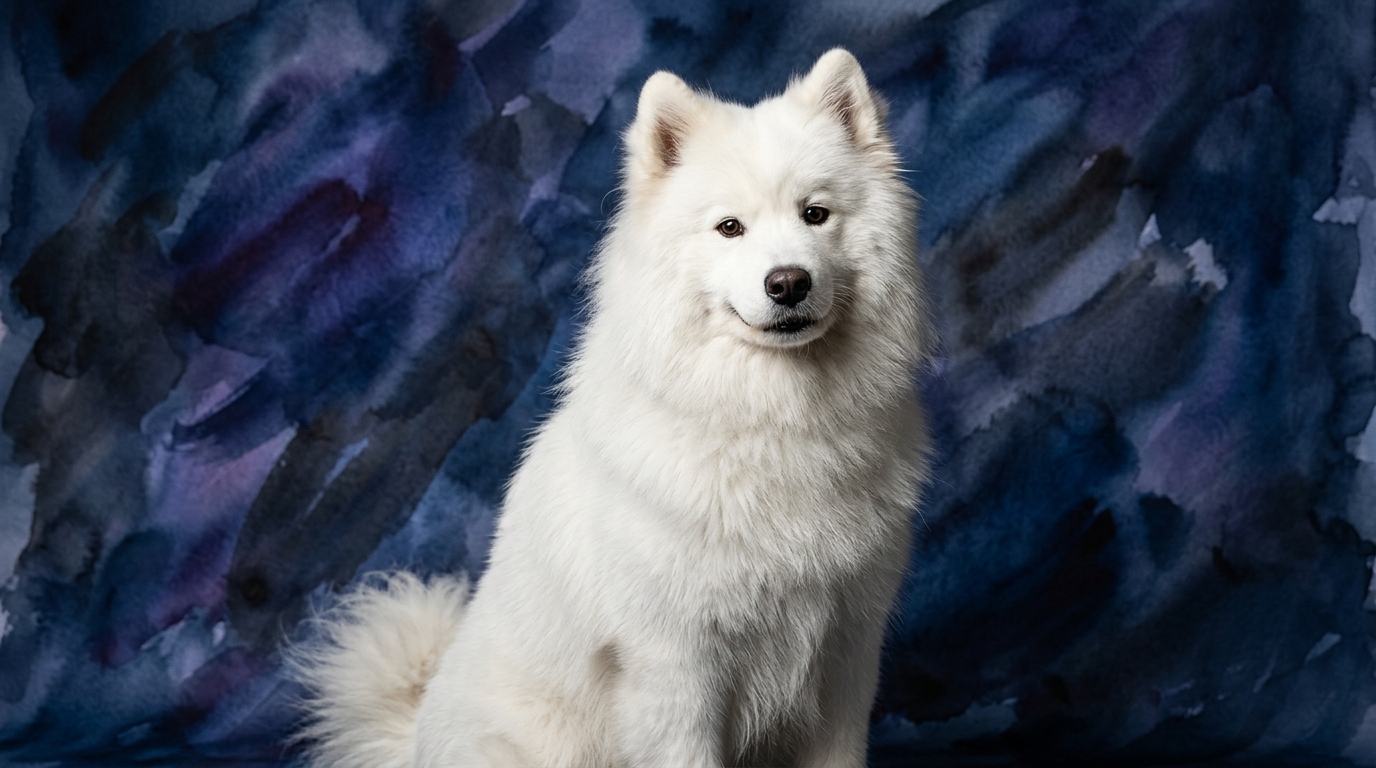
The Samoyed, with a Coren rank of 33, presents a balanced cognitive profile geared towards cooperative work. Its Problem Solving is rated 3/5, indicating an ability to navigate moderately complex tasks, often in collaboration. Training Speed also stands at 3/5, suggesting a reasonable pace for acquiring new commands, though not exceptionally rapid. A standout feature is its Social Intelligence at 5/5, reflecting a strong desire to interact and work alongside humans, making it highly responsive to social cues. Instinctive Drive is robust at 4/5, tied to its heritage of herding reindeer and pulling sleds, requiring consistent engagement. Memory at 3/5 suggests a reliable capacity to recall learned behaviors and routines over time.
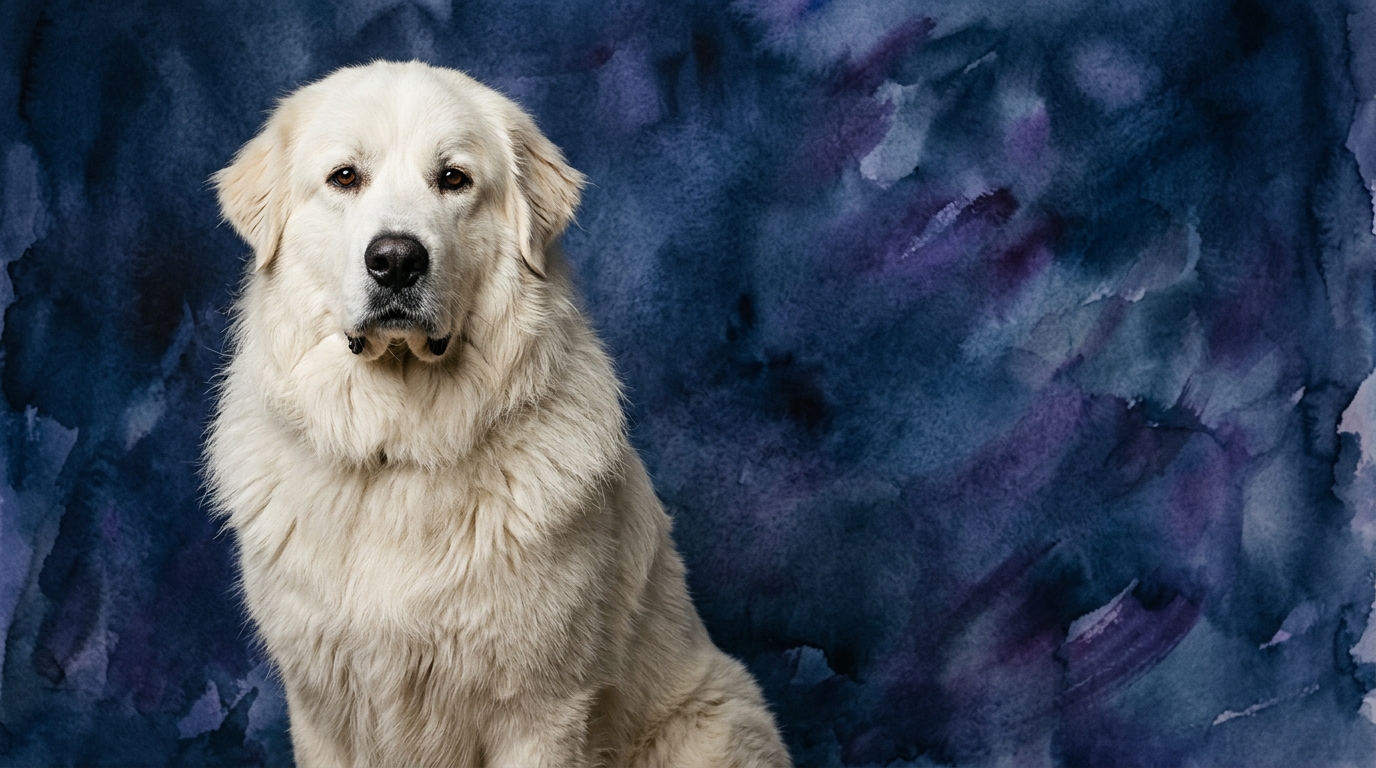
The Great Pyrenees, with a Coren rank of 64, demonstrates a cognitive makeup specialized for independent livestock guardianship. Its Problem Solving is 3/5, allowing it to assess and react to threats within its territory, but often with an autonomous approach. Training Speed is also 3/5, meaning it can learn, but its independent nature often prioritizes its own judgment over immediate human direction. Social Intelligence is 3/5, indicating a capacity for connection, yet with a distinct preference for self-reliance rather than constant human interaction or guidance. Instinctive Drive, at 3/5, is focused primarily on protective behaviors rather than cooperative tasks, making it less driven by human-initiated activities. Memory at 3/5 supports its ability to recognize its charges and boundaries, retaining information relevant to its guarding duties.
Where the Samoyed Wins Cognitively
The Samoyed's cognitive strengths distinctly outshine the Great Pyrenees in areas demanding active partnership and social attunement. Its superior Social Intelligence, scoring a perfect 5/5 compared to the Great Pyrenees' 3/5, means the Samoyed is inherently more motivated by human interaction and approval. This manifests as a greater willingness to engage in joint activities, pick up on subtle human cues, and seek to please its owner, making it a more naturally collaborative partner in learning and daily life. Furthermore, its higher Instinctive Drive (4/5 versus 3/5) translates into a more palpable enthusiasm for performing tasks, whether it's participating in dog sports, going on challenging hikes, or engaging in complex play. This drive is rooted in its historical role as a versatile working dog, requiring sustained effort and focus alongside its human companions, making it cognitively predisposed to active, shared endeavors.
Where the Great Pyrenees Wins Cognitively
While the Great Pyrenees may not boast higher numerical scores in most cognitive dimensions compared to the Samoyed, its unique cognitive architecture represents a distinct win in the realm of independent decision-making and steadfast guardianship. Its Problem Solving, rated 3/5, is specifically honed for assessing environmental threats and devising solutions autonomously, without constant human oversight. For instance, a Great Pyrenees might independently determine the best position to observe its territory or how to deter a perceived intruder, relying on its own judgment rather than waiting for a command. This self-sufficiency, coupled with its 3/5 Social Intelligence that doesn't demand constant human engagement, allows it to perform its protective duties with unwavering focus and minimal distraction. Its Instinctive Drive, also 3/5, is profoundly channeled into vigilant observation and protection, making it singularly dedicated to its primary purpose even when alone for extended periods. This cognitive profile means it excels in situations requiring quiet, consistent vigilance and the ability to act on its own initiative to protect its charges, a cognitive strength that the more socially dependent Samoyed is not designed to replicate.
Which is Easier to Train and Why
When considering ease of training, the Samoyed generally presents a more straightforward experience due to its higher Social Intelligence. Both breeds share a 3/5 Training Speed, meaning they can acquire new commands at a similar pace. However, the Samoyed's 5/5 Social Intelligence signifies a deep-seated desire to cooperate and interact with humans, making it far more receptive to training cues and more likely to view training as a positive, bonding activity. A Samoyed often seeks to please its owner, readily engaging in repetitive tasks for praise or reward, which streamlines the learning process. In contrast, the Great Pyrenees, with its 3/5 Social Intelligence, is more inclined to exercise independent judgment. While capable of learning, it often evaluates commands based on its own perceived utility or necessity within its guarding framework. This can lead to a 'what's in it for me?' attitude or a preference to ignore commands that don't align with its self-appointed duties, making consistent compliance more challenging without significant patience and understanding of its independent nature. For example, a Samoyed might happily perform a 'stay' for a treat, whereas a Great Pyrenees might break a 'stay' if it perceives a squirrel as a threat to its territory, prioritizing its ingrained protective instinct over a learned command.
Suitability for Active vs. Relaxed Owners
The Samoyed, with its robust 4/5 Instinctive Drive and 5/5 Social Intelligence, is ideally suited for active owners who relish consistent engagement and shared activities. Its cognitive makeup thrives on participation in varied dog sports, extensive hikes, or even tasks like sled pulling, demanding owners who can fulfill its need for both physical exertion and mental stimulation. These dogs are at their happiest when they are part of the family's adventures, needing owners who are prepared to integrate them into daily routines involving plenty of interaction and purpose. Conversely, the Great Pyrenees, characterized by its independent 3/5 Social Intelligence and 3/5 Instinctive Drive focused on guardianship, aligns better with more relaxed owners who appreciate a dog's self-sufficiency. While they still require regular exercise and mental stimulation, their cognitive preference is often for patrolling a secure yard or observing their surroundings rather than constant human-directed activity. Owners who understand and respect this inherent independence, providing a stable environment where the dog can fulfill its natural protective instincts without excessive pressure for constant interaction or complex training, will find the Great Pyrenees a rewarding companion. They are not necessarily 'lazy,' but their cognitive drive is channeled differently, valuing quiet vigilance over boisterous partnership.
The Verdict
Choose the Samoyed if you desire a highly interactive, cooperative companion eager to participate in family activities and structured training, thriving on shared purpose and social engagement.
Opt for the Great Pyrenees if you value an independent, self-reliant guardian, appreciating a dog that makes its own decisions and is less dependent on constant human direction for its sense of purpose.
🧠 Find Your Pet's IQ Score
Our Pet IQ Lab assessment covers 25+ tests across 5 cognitive dimensions — personalized to your breed.
Take the Full IQ Test →Frequently Asked Questions
Do Samoyeds or Great Pyrenees bark more frequently?
Samoyeds are known for their vocalizations, including 'Sammy smiles' and talking, often using barks to communicate or express excitement. Great Pyrenees typically bark to alert to perceived threats or changes in their environment, a fundamental aspect of their guarding instinct, meaning their barking is usually purposeful rather than purely communicative.
Are Samoyeds and Great Pyrenees good with children?
Samoyeds, with their high Social Intelligence, are generally gentle and tolerant with children, enjoying being part of family activities. Great Pyrenees are often protective and patient with children in their 'flock,' but their independent nature means they may not seek out constant interaction and require supervision due to their large size.
Which breed requires more mental stimulation?
While both benefit from mental engagement, the Samoyed's higher Instinctive Drive and Social Intelligence mean it typically requires more structured mental stimulation through training, puzzle toys, and interactive play to prevent boredom. The Great Pyrenees' mental stimulation often comes from observing and guarding its territory, though enrichment activities are still beneficial.