Side-by-Side Cognitive Profiles
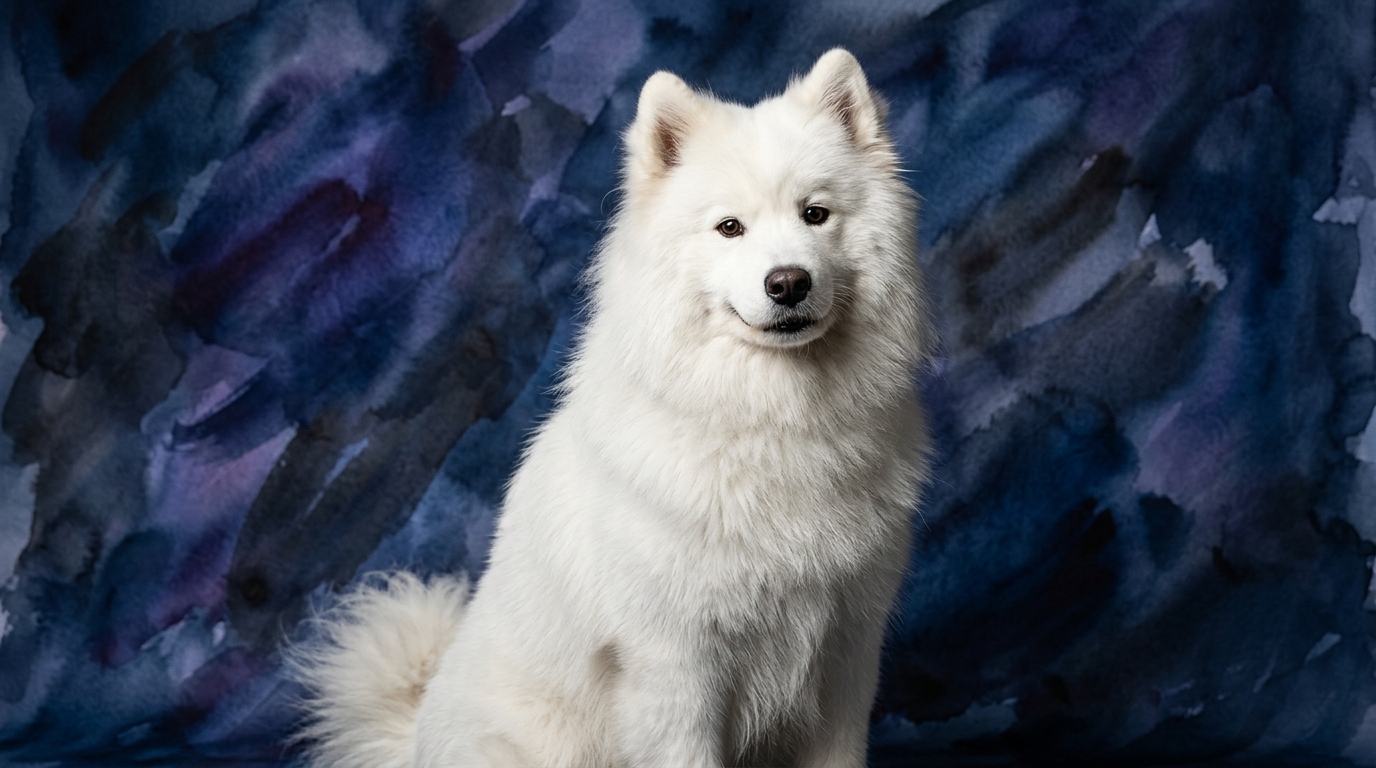
The Samoyed, a venerable member of the Working Group, is recognized for its historical role in herding reindeer and pulling sleds across the Arctic. Our Cosmic Pet Pet IQ Lab data places the Samoyed at Coren rank #33, signaling a commendable capacity for understanding new commands. Cognitively, the Samoyed scores a 3/5 in Problem Solving, indicating an average ability to navigate new challenges and figure out solutions. Their Training Speed also sits at a 3/5, suggesting a steady, rather than rapid, learning curve for new behaviors. However, where the Samoyed truly shines is in Social Intelligence, scoring an impressive 5/5, reflecting their deep inclination towards cooperative interaction and understanding human cues. Their Instinctive Drive is strong at 4/5, aligning with their working heritage, while their Memory registers at a solid 3/5.
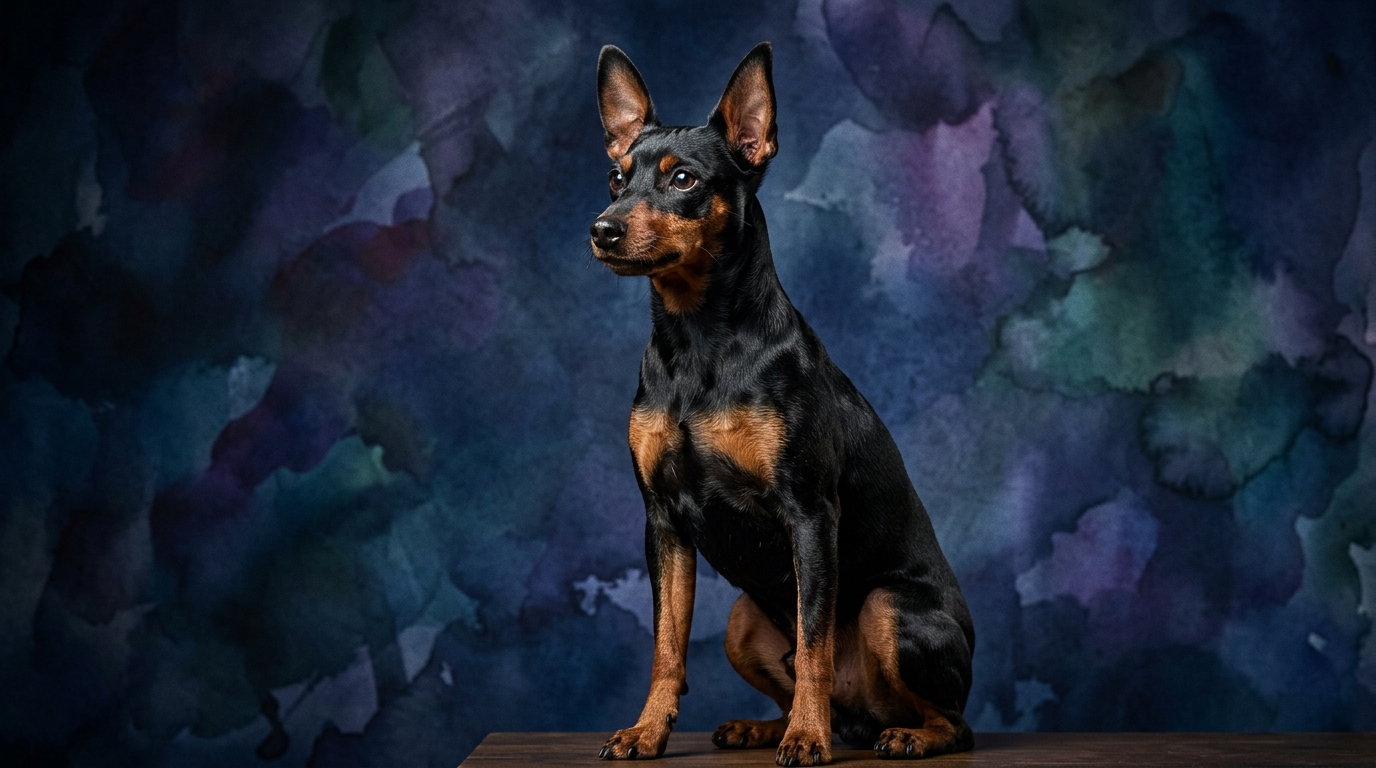
In contrast, the Miniature Pinscher, a spirited member of the Toy Group, does not feature on Coren's ranking, often indicative of a more independent learning style or different training motivations. Our IQ Lab assessment shows the Miniature Pinscher matching the Samoyed in several key areas: Problem Solving at 3/5, Training Speed at 3/5, and Memory at 3/5. This suggests they possess a comparable baseline capacity for learning and retention. However, their Social Intelligence is rated at 3/5, suggesting a more self-reliant disposition compared to the highly cooperative Samoyed. Their Instinctive Drive also stands at 3/5, which, while present, may not be as geared towards human-directed cooperative tasks as observed in the working Samoyed.
Where the Samoyed Wins Cognitively
The Samoyed's most significant cognitive advantage lies in its exceptional Social Intelligence, scoring a perfect 5/5. This isn't merely about being friendly; it reflects a profound capacity for understanding and responding to human emotions, intentions, and communication nuances. Samoyeds possess an inherent drive to form strong, cooperative partnerships, making them highly attuned to their human companions. This cognitive trait means they are adept at reading subtle cues, engaging in reciprocal interactions, and often seeking out shared activities, fostering a deep, empathetic bond.
Furthermore, the Samoyed's robust Instinctive Drive of 4/5, rooted in their working lineage, provides another distinct cognitive edge. This drive isn't just physical energy; it encompasses a mental framework for purposeful activity and task completion. Whether it's the sequential understanding required for sled pulling or the focus needed for herding, this strong drive provides a cognitive engine for sustained engagement in structured tasks. When channeled appropriately, this translates into a dog eager to learn complex routines and participate in activities that offer a sense of purpose, often showing remarkable stamina in mental as well as physical endeavors. Their Coren rank of #33 further underscores their reliable ability to grasp and consistently respond to new commands, a direct benefit of their cooperative cognitive makeup.
Where the Miniature Pinscher Wins Cognitively
While the Miniature Pinscher's raw scores for Problem Solving (3/5), Training Speed (3/5), and Memory (3/5) mirror the Samoyed's, the context of their lower Social Intelligence (3/5) highlights a unique cognitive strength: independent problem-solving and self-reliance. Min Pins often apply their problem-solving skills to navigating their environment and achieving their own goals without constant human direction. This can manifest as clever strategies for accessing desired items, figuring out how to entertain themselves during alone time, or independently assessing new situations. Their cognitive process might be less about 'what does my human want?' and more about 'how can I achieve this myself?', making them quite resourceful.
The Miniature Pinscher's cognitive edge also extends to their self-assured adaptability in novel situations, often stemming from their independent nature. Unlike breeds that might rely heavily on human reassurance in unfamiliar environments, the Min Pin's lower social intelligence score suggests a greater capacity for self-composure. This isn't to say they don't value companionship, but rather that their cognitive framework allows them to process and adjust to new stimuli with a degree of internal confidence. This makes them less prone to over-dependence and capable of handling changes with a spirited, 'can-do' attitude, even if it means approaching challenges on their own terms rather than seeking immediate human guidance.
Training Aptitude: Samoyed vs. Miniature Pinscher
When it comes to training, the Samoyed, despite an average Training Speed of 3/5, often presents as an easier student due to their outstanding Social Intelligence (5/5). Their inherent desire to cooperate and strong bond with their people means they are highly motivated by positive reinforcement, praise, and the sheer joy of working alongside their human companion. They are keen observers of human cues and body language, which facilitates communication during training sessions. Their 4/5 Instinctive Drive can be skillfully channeled into various disciplines, from obedience to agility, where they thrive on having a 'job' and the mutual interaction it provides. Consistency and clear, positive methods are key, but the Samoyed's cooperative spirit makes the learning journey generally smoother and more rewarding for both parties.
The Miniature Pinscher, also rated 3/5 for Training Speed, can be a more challenging prospect for trainers due to their lower Social Intelligence (3/5) and average Instinctive Drive (3/5). Their independent nature means they are not always inherently driven to please their human in the same way a Samoyed might be; they often have their own agenda. Training a Min Pin requires exceptional patience, creativity, and the discovery of high-value motivators to capture and maintain their attention. They are intelligent and capable of learning, but their problem-solving skills might be employed to figure out how to get what *they* want, rather than what is being asked of them. Successful training hinges on making the process incredibly engaging, fun, and consistently rewarding to overcome their self-directed tendencies and leverage their inherent curiosity effectively.
Which Breed Suits Active vs. Relaxed Owners?
For owners with an active lifestyle, the Samoyed is an excellent match. Their strong Instinctive Drive (4/5) and need for both physical and mental engagement mean they thrive when given ample opportunities for exercise, training, and participation in family activities. They are not content to be mere spectators; their high Social Intelligence (5/5) means they genuinely enjoy being an integral part of their human's adventures, whether it's long hikes, dog sports, or simply extended play sessions in the yard. An owner who can dedicate time to daily vigorous activity and ongoing mental stimulation will find the Samoyed to be a joyful, cooperative partner, preventing potential boredom-related behaviors.
The Miniature Pinscher, while smaller, also requires an active owner, though their activity needs might be met differently. Their average Instinctive Drive (3/5) combined with their energetic and curious nature means they need regular, vigorous exercise to prevent boredom and destructive tendencies. This can include brisk walks, intense play sessions with toys, and opportunities for exploration. However, their lower Social Intelligence (3/5) means they might be more tolerant of periods where they entertain themselves, making them potentially suitable for owners who are active in bursts rather than needing a constant companion for endurance activities. They are not inherently 'relaxed' dogs and will require consistent engagement and mental challenges, but their self-reliant spirit means they might appreciate some independent downtime more than a highly social Samoyed.
The Verdict
Choose the Samoyed if you seek a deeply cooperative, socially attuned companion eager to participate actively in shared experiences and form an exceptionally strong bond, especially if your lifestyle supports their need for consistent engagement and purposeful activity.
Opt for the Miniature Pinscher if you appreciate an independent, spirited companion with a self-assured personality and a resourceful approach to life, understanding that consistent, engaging training and mental stimulation are crucial for channeling their unique cognitive strengths.
🧠 Find Your Pet's IQ Score
Our Pet IQ Lab assessment covers 25+ tests across 5 cognitive dimensions — personalized to your breed.
Take the Full IQ Test →Frequently Asked Questions
Are Samoyeds good family dogs?
Yes, their exceptional social intelligence (5/5) makes Samoyeds naturally inclined to bond closely with all family members, including children. They thrive on companionship and active participation in family life, often seeking out interaction and enjoying shared experiences.
Do Miniature Pinschers bark a lot?
Miniature Pinschers often possess a vigilant nature, a trait stemming from their historical role as ratters and watchdogs, which can lead to alert barking. While their instinctive drive is 3/5, this can manifest as vocalizations when they perceive strangers or unusual sounds, requiring consistent training to manage.
How much exercise does a Samoyed need daily?
Given their working heritage and strong instinctive drive (4/5), Samoyeds typically require a significant amount of daily exercise, often an hour or more of vigorous activity. This could include long walks, runs, hikes, or engaging in dog sports to satisfy both their physical and mental needs effectively.