Side-by-Side Cognitive Profiles
At The Cosmic Pet Pet IQ Lab, we evaluate canine intelligence across five key dimensions, and comparing the Samoyed and Norwegian Elkhound highlights their unique mental architectures.
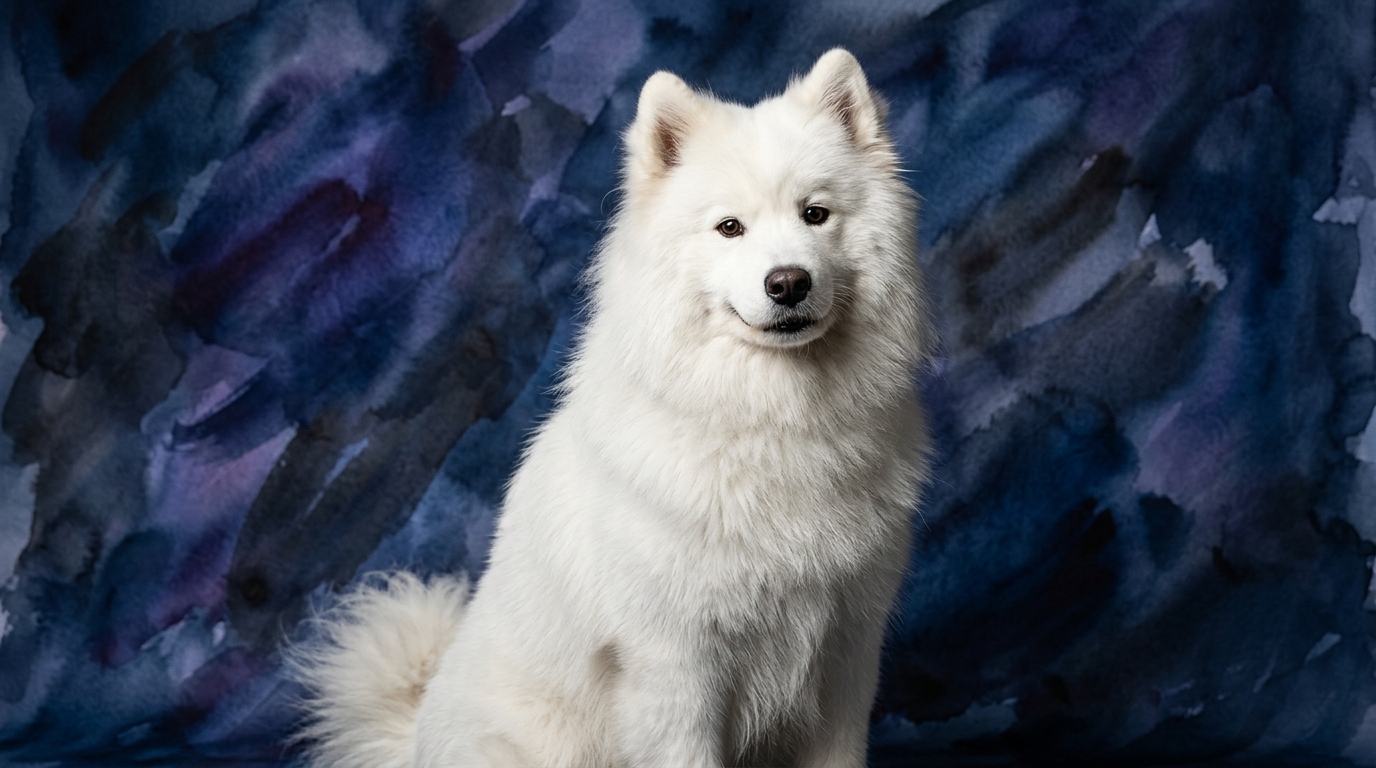
The Samoyed (Coren rank #33), a Working breed, exhibits a Problem Solving score of 3/5, indicating a moderate capacity for independent thought in novel situations. They are receptive to learning, but their Training Speed is rated 3/5, suggesting a measured pace that benefits from patience and positive reinforcement. Where Samoyeds truly excel is in Social Intelligence, scoring a perfect 5/5, showcasing an exceptional ability to understand and respond to human cues. Their Instinctive Drive is strong at 4/5, reflecting their heritage in purposeful tasks, while their Memory stands at 3/5 for functional recall of routines.
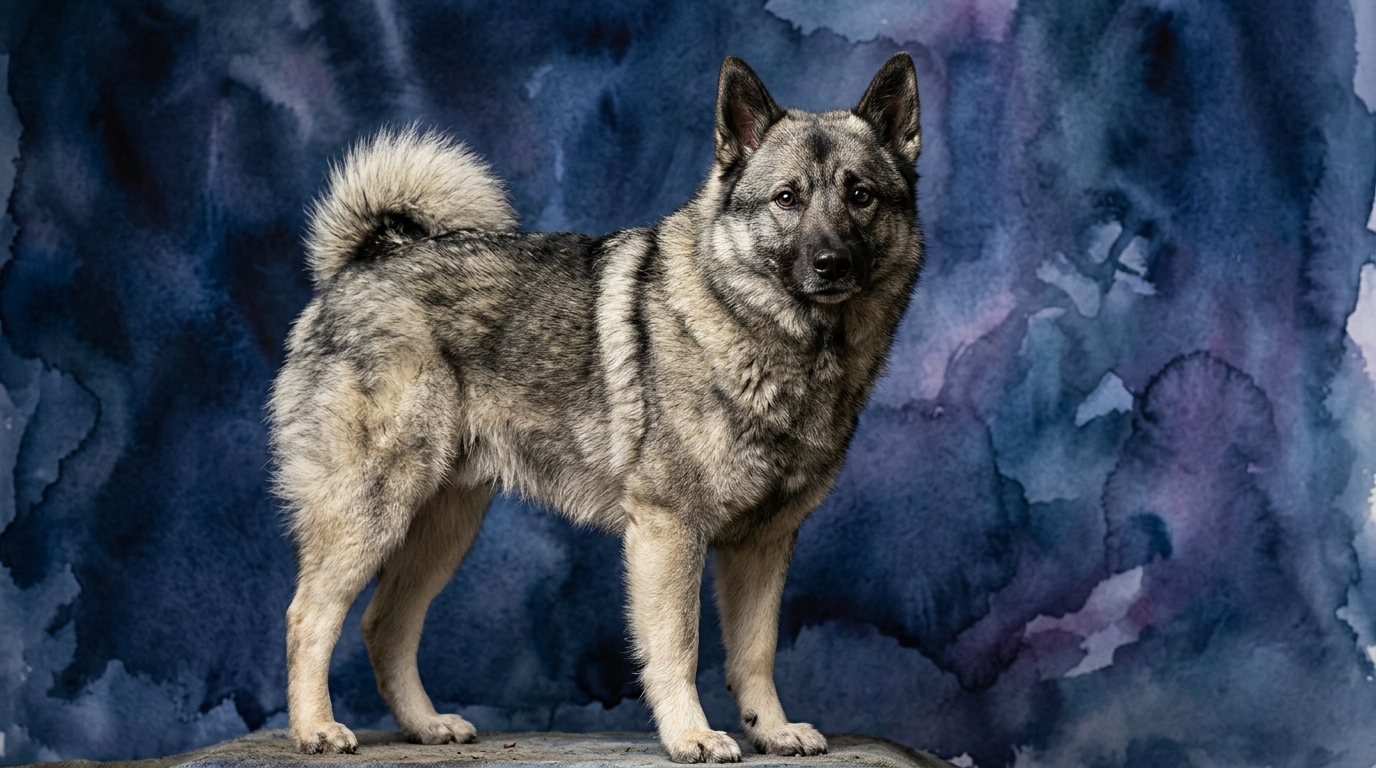
The Norwegian Elkhound (Coren rank #36), classified as a Hound, presents a distinct profile. They possess a higher Problem Solving aptitude at 4/5, often devising their own solutions to challenges. Their Training Speed also rates higher at 4/5, indicating a quicker grasp of new concepts and commands. In contrast to the Samoyed, their Social Intelligence is 3/5, meaning they are companionable but more reserved in broader social contexts. Their Instinctive Drive is 3/5, rooted in tracking and exploration, and they boast a robust Memory score of 4/5, retaining information over extended periods with precision.
Where the Samoyed Wins Cognitively
The Samoyed's cognitive strengths are undeniably centered around its profound social acumen. With a perfect 5/5 in Social Intelligence, this breed demonstrates an unparalleled ability to interpret human emotions, body language, and vocal tones, fostering an incredibly empathetic and responsive bond with their families. This allows them to thrive in collaborative environments, making them highly attuned to their owners' moods and intentions. They are adept at integrating into family dynamics, often anticipating needs and reacting to subtle social cues, which makes them exceptional companions for those seeking a dog deeply connected to human interaction.
Furthermore, their Instinctive Drive of 4/5, stemming from their working heritage in herding and pulling, is often expressed in a desire for purposeful activity within a group context. This drive, combined with their social intelligence, means they excel in activities like canicross, dog sledding, or even complex group obedience where social cohesion and working alongside their human partner are key, rather than just individual task completion. They are motivated by companionship and shared experiences.
Where the Norwegian Elkhound Wins Cognitively
The Norwegian Elkhound's cognitive edge lies in its independent problem-solving and impressive retention abilities. Scoring 4/5 in Problem Solving, Elkhounds display a remarkable capacity for analyzing novel situations and devising their own solutions. This often translates to resourcefulness in navigating complex environments, figuring out how to access desired items, or creatively overcoming obstacles without constant human direction. Their ingenuity and self-reliance in tackling challenges are distinct cognitive assets.
Complementing this, their Training Speed of 4/5 signifies a quick grasp of new commands and concepts, allowing for efficient learning. They absorb lessons and patterns rapidly, making training sessions productive. Moreover, the Elkhound's Memory rating of 4/5 indicates a superior capacity for long-term retention of learned behaviors and spatial information. This means an Elkhound is likely to remember intricate routes, complex sequences of commands, or the location of hidden objects with greater precision over extended periods, making them reliable in scenarios requiring recall and independent navigation, such as tracking or scent work.
Which is Easier to Train and Why
When evaluating trainability, the Norwegian Elkhound generally presents a slightly more straightforward path, largely due to its higher scores in Training Speed (4/5) and Problem Solving (4/5) compared to the Samoyed's 3/5 in both. Elkhounds tend to pick up new commands and routines with greater efficiency, demonstrating a focused readiness to learn. Their independent problem-solving skills mean they can often generalize learned behaviors to new situations with less direct guidance, making the training process feel more fluid and efficient.
However, the Elkhound's Instinctive Drive (3/5), while lower than the Samoyed's, still manifests as a strong prey drive and an inclination to follow fascinating scents, which can present significant distractions if not consistently managed. The Samoyed, despite its slightly slower Training Speed, compensates with its exceptional Social Intelligence (5/5). While they might take a bit longer to master a command, their deep desire to please and connect with their human partners means they are highly motivated by social praise and interaction. Training a Samoyed often requires more patience, creative engagement, and a collaborative approach, but their responsiveness to human connection can make the process deeply rewarding for owners who appreciate a strong partnership. The Elkhound might learn the 'what' faster, but the Samoyed often understands the 'why' from a social perspective more profoundly.
Suitability for Active vs. Relaxed Owners
Both breeds demand consistent activity, but their specific needs align with different owner lifestyles. The Samoyed, with its 4/5 Instinctive Drive rooted in its working dog heritage, thrives with purposeful activity that inherently involves companionship. They require substantial daily exercise, such as long runs, engaging play, or opportunities for sledding or carting, but they also crave mental stimulation intertwined with social interaction and teamwork. Owners who enjoy outdoor adventures and are prepared to involve their dog as an active participant in family activities will find a Samoyed a joyful, albeit energetic, companion. Their high Social Intelligence (5/5) means they are less suited for prolonged periods of solitude and prefer being an integrated, cherished part of the household's daily rhythm.
The Norwegian Elkhound, while possessing a 3/5 Instinctive Drive, still requires substantial physical activity to remain content. Their hound background means they are often driven by scent and exploration, making them excellent companions for hiking, jogging, or tracking sports where they can engage their noses and cover ground with purpose. They tend to be more independent in their play and exploration, which can suit active owners who appreciate a dog that can sometimes entertain itself or lead the way on a trail. While they form strong bonds with their families, their Social Intelligence (3/5) suggests they might tolerate solitude a bit better than a Samoyed, though regular exercise and mental engagement are still crucial to prevent boredom and destructive behaviors. For a truly relaxed owner, the consistent physical and mental outlets required by either breed would likely prove challenging.
The Verdict
Choose a Samoyed if you prioritize a deeply empathetic, highly social companion who thrives on collaborative activities and being an integral part of family life, even if training requires more patience and creative engagement.
Opt for a Norwegian Elkhound if you value a resourceful, quick-learning dog with a robust memory, suited for independent problem-solving and vigorous outdoor activities like hiking and tracking where they can lead with their instincts.
🧠 Find Your Pet's IQ Score
Our Pet IQ Lab assessment covers 25+ tests across 5 cognitive dimensions — personalized to your breed.
Take the Full IQ Test →Frequently Asked Questions
Do Samoyeds and Norwegian Elkhounds bark a lot?
Samoyeds are known for being vocal, often expressing themselves with barks, 'talks,' and the characteristic 'Samoyed smile,' requiring consistent training for moderation. Norwegian Elkhounds, as alert hunting dogs, also tend to be quite vocal, using barks to announce or express excitement, which similarly benefits from early and consistent management.
Are either of these breeds good with children?
Samoyeds, with their high Social Intelligence, are generally excellent with children, often displaying patience and a playful nature, making them wonderful family pets when properly socialized. Norwegian Elkhounds can be good with children, especially if raised with them, but their more independent nature means early socialization and supervision are important for harmonious interactions.
Which breed is more adaptable to apartment living?
Neither breed is ideally suited for apartment living without significant commitment to daily exercise and mental stimulation due to their high energy levels and working backgrounds. However, a Samoyed might adapt slightly better due to its strong desire for social connection, provided its substantial physical and mental needs are met, whereas an Elkhound's independent and exploratory drives might make apartment confinement more challenging without ample outdoor freedom.