Side-by-Side Cognitive Profiles
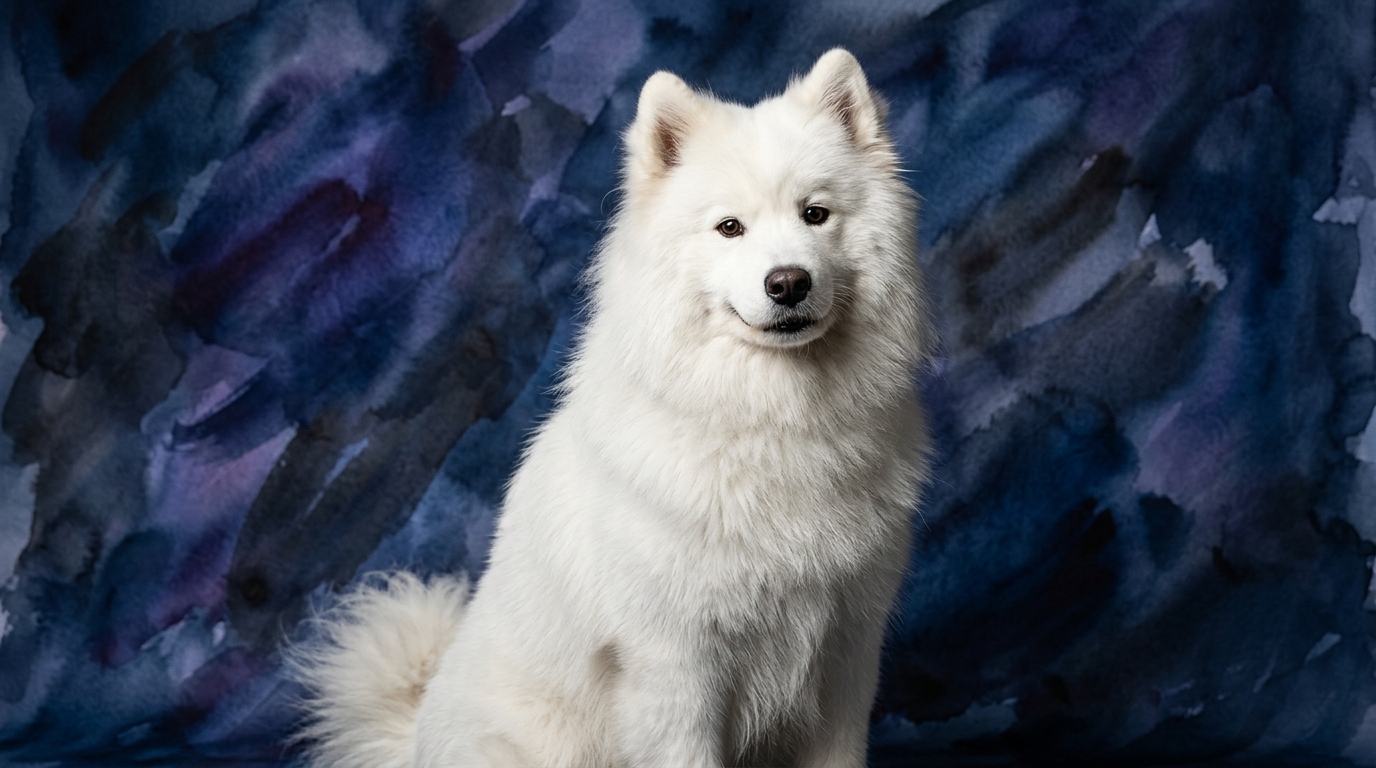
The Cosmic Pet Pet IQ Lab employs a five-dimensional framework to assess canine cognition, offering a granular view beyond generic labels. For the Samoyed, a breed Coren-ranked at #33, their profile highlights a balanced intellectual toolkit. They score 3/5 in Problem Solving, indicating a moderate capacity for independent thought and adapting to novel challenges, reflecting their history of making decisions in the field. Training Speed also sits at 3/5, suggesting they learn new commands at a steady pace, requiring consistent, engaging methods. Their Social Intelligence is exceptional at 5/5, demonstrating a profound understanding of human cues and a strong desire for companionship. Instinctive Drive is robust at 4/5, manifesting as an inherent motivation for activities like herding or pulling. Finally, their Memory is rated 3/5, meaning they retain learned behaviors effectively with practice.
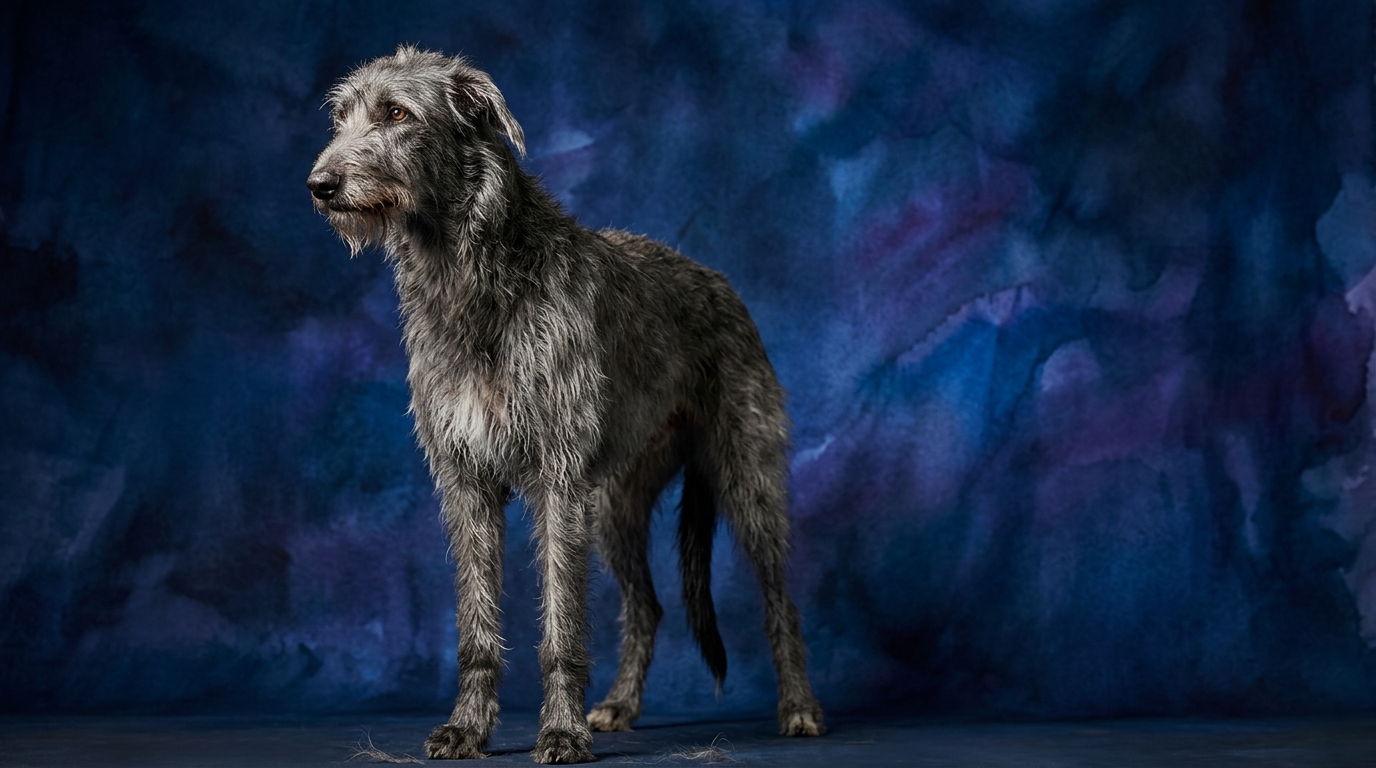
The Scottish Deerhound, not Coren-ranked but with its own distinct cognitive makeup, shares some numerical scores with the Samoyed but applies them in uniquely sighthound ways. Like the Samoyed, they score 3/5 in Problem Solving, often orienting their cognitive efforts towards navigating their environment and pursuing visual targets. Training Speed is also 3/5, indicating they acquire commands at a moderate pace, though their independent nature means engagement is key. Their Social Intelligence is 3/5, suggesting they are gentle and affectionate within their family but potentially more reserved with strangers. Instinctive Drive is 3/5, predominantly focused on the chase and visual pursuit, rather than sustained work. Their Memory also stands at 3/5, allowing them to recall routines and familiar landscapes, particularly those associated with their sighthound activities.
Where the Samoyed's Cognition Shines
The Samoyed demonstrably excels in the realm of social intelligence, scoring a perfect 5/5 compared to the Deerhound's 3/5. This translates into a profound ability to read and respond to human emotions and social cues, making them exceptionally attuned companions. They often initiate interaction, seek to understand their human counterparts' moods, and integrate seamlessly into family dynamics, offering a deep level of emotional reciprocality. Their cognitive strength lies in their capacity for cooperative engagement and their desire to be an active, contributing member of their human 'pack.' This heightened social awareness means they are often more responsive to subtle human signals and thrive on partnership, a trait that differentiates them significantly in day-to-day interactions and collaborative tasks.
Where the Scottish Deerhound's Cognition Excels
The Scottish Deerhound's cognitive profile, while sharing similar scores in some areas, presents a distinct advantage in specific types of environmental awareness and focused pursuit. Their instinctive drive (3/5), though numerically lower than the Samoyed's (4/5), is exquisitely refined for visually tracking distant objects and executing a precise, high-speed chase. This specialized cognitive function allows them to process visual stimuli and make rapid, independent decisions about trajectory and speed over varied terrain, a specific problem-solving skill tailored for their sighthound heritage. While the Samoyed excels in social cooperation, the Deerhound's cognitive strength lies in this independent, visually-driven form of 'problem-solving' and instinctive action, where their moderate memory aids in recalling successful chase patterns and familiar landscapes. This makes them uniquely adept at tasks requiring keen visual perception and swift, autonomous action.
Ease of Training: Behavioral Differences
Despite both breeds scoring 3/5 in training speed, the Samoyed generally presents as an easier dog to train due to their significantly higher social intelligence (5/5 vs. 3/5 for the Deerhound). Samoyeds possess an intrinsic desire to cooperate and please their human companions, making them highly receptive to instruction and eager to engage in joint activities. Their strong social drive means they often seek out interaction and are deeply motivated by positive human attention and approval. In practice, this manifests as a dog who is more likely to offer behaviors, maintain focus during sessions, and actively participate in learning, even if the initial acquisition speed is moderate.
Conversely, the Scottish Deerhound's moderate social intelligence, combined with their sighthound independence, can make training a more nuanced endeavor. While they learn commands at a similar pace, their motivation is less rooted in human appeasement and more in self-interest or the satisfaction of their own drives. A Deerhound might learn a command but choose not to execute it if a more compelling visual stimulus, like a squirrel in the distance, captures their attention. Their reserved social nature means they might not offer the same enthusiastic engagement in training sessions, requiring owners to be exceptionally patient, creative, and consistent, always competing with the Deerhound's natural inclination towards independent action or comfortable repose. The Samoyed's cooperative spirit often smooths the training path, whereas the Deerhound demands a more understanding approach to their distinct motivations.
Matching Canine Cognition to Lifestyle
For owners with an active lifestyle and a desire for a highly engaged canine partner, the Samoyed often proves to be an ideal match. Their robust instinctive drive (4/5) for working, combined with their exceptional social intelligence (5/5), means they thrive on activities that involve their human family. They require consistent physical exercise, such as long walks, runs, or dog sports, and mental stimulation to channel their drive to herd or pull. Owners who enjoy training, outdoor adventures, and having a dog deeply integrated into their social fabric will find the Samoyed's cooperative spirit and boundless energy rewarding. They are not content to be mere bystanders; they want to be participants.
The Scottish Deerhound, while capable of bursts of incredible speed, is surprisingly well-suited for owners who appreciate periods of relaxed companionship punctuated by intense, albeit brief, exercise. Their instinctive drive (3/5) is less about sustained 'work' and more about the thrill of the chase, followed by profound relaxation. They need opportunities for vigorous, off-leash running in a safe, enclosed space to satisfy their sighthound instincts, but these bursts are often followed by hours of calm lounging. Owners who enjoy quiet evenings, a dignified presence, and are prepared to offer dedicated time for their dog to stretch their legs in a secure area will find the Deerhound's balance of athleticism and serenity appealing. They are not typically demanding of constant interaction but appreciate a comfortable presence.
The Verdict
Choose the Samoyed when seeking a highly cooperative, socially attuned companion eager for joint activities and capable of moderate problem-solving in a family context.
Choose the Scottish Deerhound when valuing a dignified, independent companion with a specialized drive for visual pursuit, appreciating quiet companionship balanced with intense, short bursts of exercise.
🧠 Find Your Pet's IQ Score
Our Pet IQ Lab assessment covers 25+ tests across 5 cognitive dimensions — personalized to your breed.
Take the Full IQ Test →Frequently Asked Questions
Are Samoyeds difficult to live with due to their strong instinctive drive?
Samoyeds do possess a significant instinctive drive (4/5) for activities like herding and pulling, which requires consistent outlets. Without appropriate physical and mental stimulation, this drive can manifest in unwanted behaviors, but with proper engagement, it translates into an eager and capable companion.
How does a Scottish Deerhound's moderate social intelligence affect their family life?
A Scottish Deerhound's moderate social intelligence (3/5) means they form deep bonds with their immediate family but might be more reserved or aloof with strangers. They are affectionate companions but generally less overtly demonstrative or demanding of constant social interaction than some other breeds.
Do Samoyeds and Scottish Deerhounds both have good memories for training?
Both breeds score 3/5 in memory, indicating a moderate capacity for retaining learned behaviors and routines. Consistent training and positive reinforcement are crucial for both to solidify commands, but the Samoyed's higher social intelligence may make them more consistently responsive to recall.