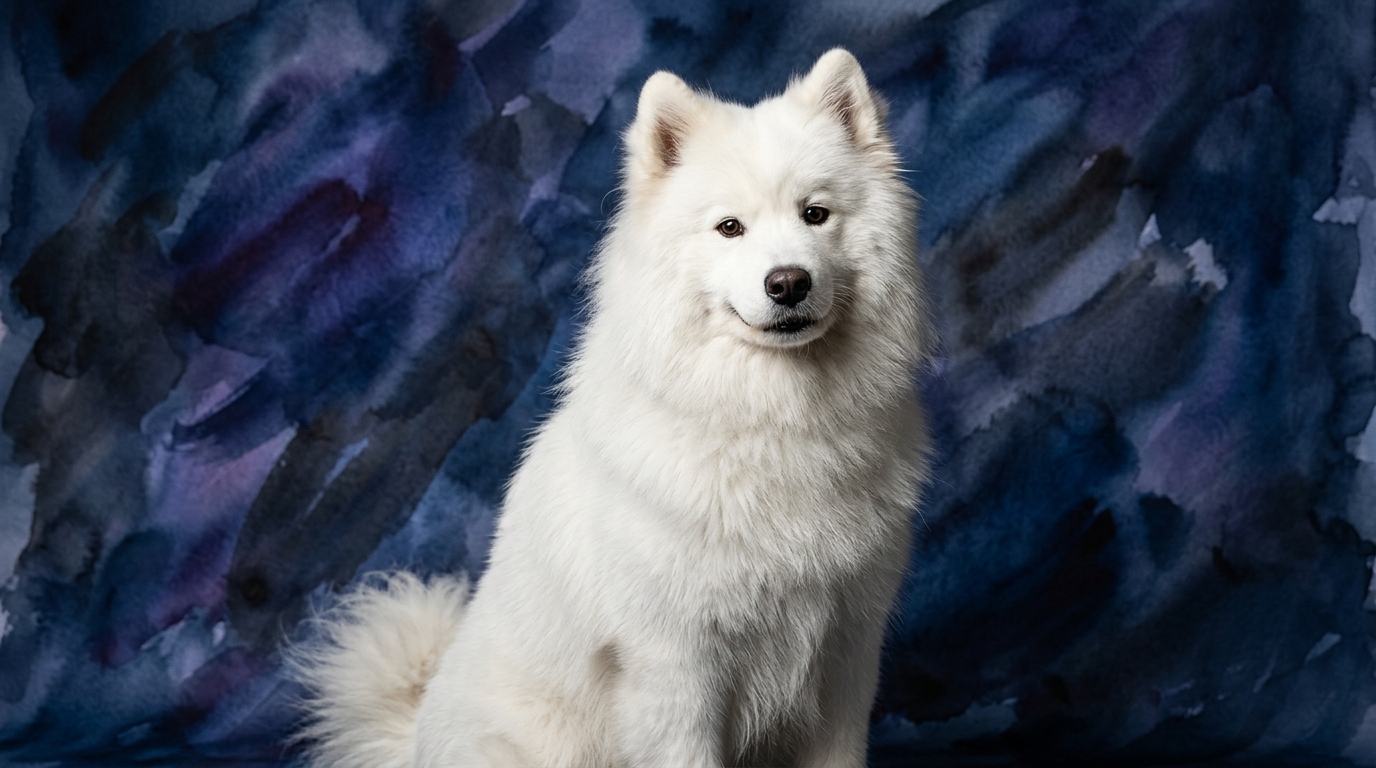
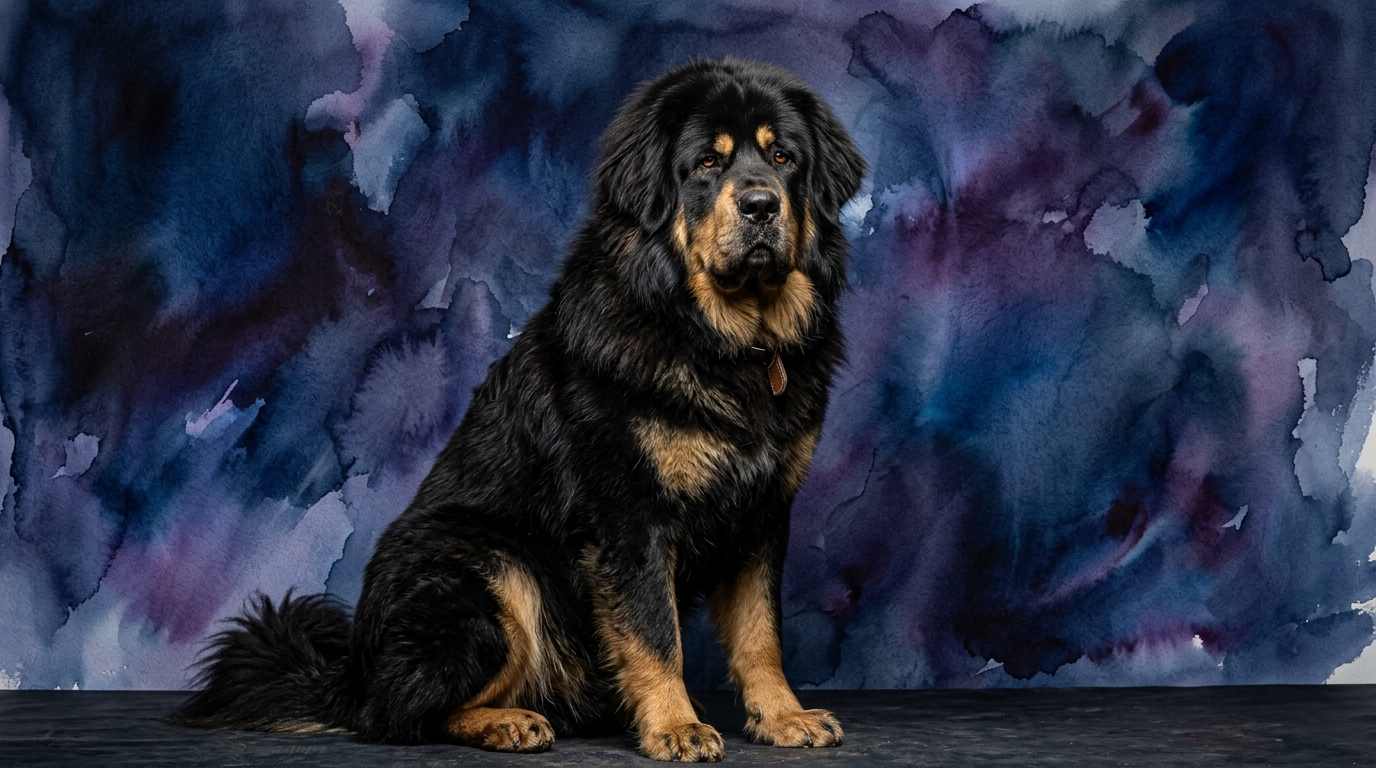
Side-by-side IQ profile
**Samoyed IQ Profile:**
**Problem Solving (3/5):** Samoyeds show moderate capacity for novel challenges, often using persistence to overcome obstacles. Their approach is steady, driven by their work ethic.
**Training Speed (3/5):** They learn at a respectable pace, their willingness to engage and inherent biddability ensuring steady progress.
**Social Intelligence (5/5):** Excelling in human social cues, they are highly attuned to family moods and intentions. This fosters strong bonds and cooperative behaviors.
**Instinctive Drive (4/5):** A robust innate drive, historically for herding and sledding, makes them responsive to tasks aligning with their working heritage.
**Memory (3/5):** Solid memory for commands, routines, and experiences, sufficient for consistent behavioral foundations.
**Tibetan Mastiff IQ Profile:**
**Problem Solving (3/5):** Moderate ability, often deliberate and independent, especially for guarding duties. They may not seek human input for every puzzle.
**Training Speed (3/5):** Learners at a moderate pace, but their independence demands patient, consistent training and perceived value in commands.
**Social Intelligence (3/5):** Moderate, forming deep family bonds but reserved with strangers. Understanding focuses on their protective role within the pack.
**Instinctive Drive (3/5):** Powerful drive for guarding livestock and homes, leading to strong territorial and protective instincts. Focused on vigilance and defense.
**Memory (3/5):** Reliable memory for routines, boundaries, and individuals, crucial for discerning their guarding responsibilities.
Where Samoyed wins cognitively
The Samoyed truly excels in social intelligence (5/5), making them incredibly intuitive companions. This remarkable capacity for understanding human cues translates into a dog that actively seeks to engage and collaborate, fostering a true partnership in shared activities. Their 4/5 instinctive drive, coupled with this social acumen, means their natural working impulses are readily directed towards human-led tasks like agility or therapy work. They possess an inherent desire to be part of family activities, demonstrating proactive engagement.
Where Tibetan Mastiff wins cognitively
The Tibetan Mastiff's cognitive strengths are uniquely suited to its ancestral guardian role, particularly in independent problem-solving and focused instinctive drive. Their 3/5 problem-solving, while not generally exceptional, is expertly applied to assessing threats and maintaining territorial vigilance, a complex task requiring situational awareness and independent decision-making. Their 3/5 instinctive drive is overwhelmingly geared towards protection and discernment, allowing them to make independent judgments about perceived dangers without constant human direction. This focused, self-sufficient cognition is their primary strength.
Which is easier to train and why
The Samoyed generally presents as the easier breed to train. Despite both scoring 3/5 in Training Speed, the Samoyed's exceptional 5/5 Social Intelligence makes a profound difference. This high social awareness means Samoyeds are inherently more motivated to please their human companions and more receptive to communication during training. Their 4/5 Instinctive Drive further channels their natural desire to work into structured exercises. The Tibetan Mastiff's 3/5 Social Intelligence and 3/5 Instinctive Drive, focused on independent guardianship, mean they approach training with a more discerning, often self-serving attitude. Their compliance is conditional on perceived value or alignment with their independent nature, demanding immense patience and consistency.
Which suits active owners vs relaxed owners
For owners thriving on active engagement and collaborative pursuits, the Samoyed is the more fitting choice. Their combined 5/5 Social Intelligence and 4/5 Instinctive Drive make them eager participants in hikes, runs, or dog sports. They require consistent mental and physical stimulation involving their human companions. A “relaxed” owner seeking low-engagement might find a Samoyed's needs overwhelming. The Tibetan Mastiff suits owners less interested in structured activities but deeply committed to providing firm leadership and managing a powerful, independent guardian. While needing exercise, their primary “activity” is often patrolling territory. They are not typically for spontaneous adventures, suiting owners who appreciate their watchful, self-sufficient presence.
The Verdict
You desire a highly social, cooperative, and engaged companion eager to participate in family activities and structured training, thriving on shared experiences and a strong bond.
You are an experienced owner seeking a supremely independent, watchful guardian with a strong sense of territory, valuing a discerning and protective presence over constant interaction or facile obedience.
🧠 Find Your Pet's IQ Score
Our Pet IQ Lab assessment covers 25+ tests across 5 cognitive dimensions — personalized to your breed.
Take the Full IQ Test →Frequently Asked Questions
Are Samoyeds difficult to train?
Samoyeds are moderately easy to train, scoring 3/5 for training speed, but their high social intelligence (5/5) and desire to please make them quite biddable. They respond well to positive reinforcement and consistent methods, making them rewarding partners for engaged owners.
Do Tibetan Mastiffs make good family pets?
Tibetan Mastiffs can be devoted family pets, forming strong bonds with their immediate human family, but their moderate social intelligence (3/5) means they are often reserved with strangers. Their strong protective instincts require careful socialization and experienced handling, especially around children and new visitors.
Which breed requires more exercise?
Samoyeds generally require more structured, interactive exercise due to their higher instinctive drive (4/5) and social nature, thriving on activities like long walks, runs, or dog sports. Tibetan Mastiffs need regular exercise but are often content patrolling their territory, with their activity more focused on vigilance rather than intense, prolonged physical exertion.