Side-by-Side Cognitive Profiles: Samoyed vs. Whippet
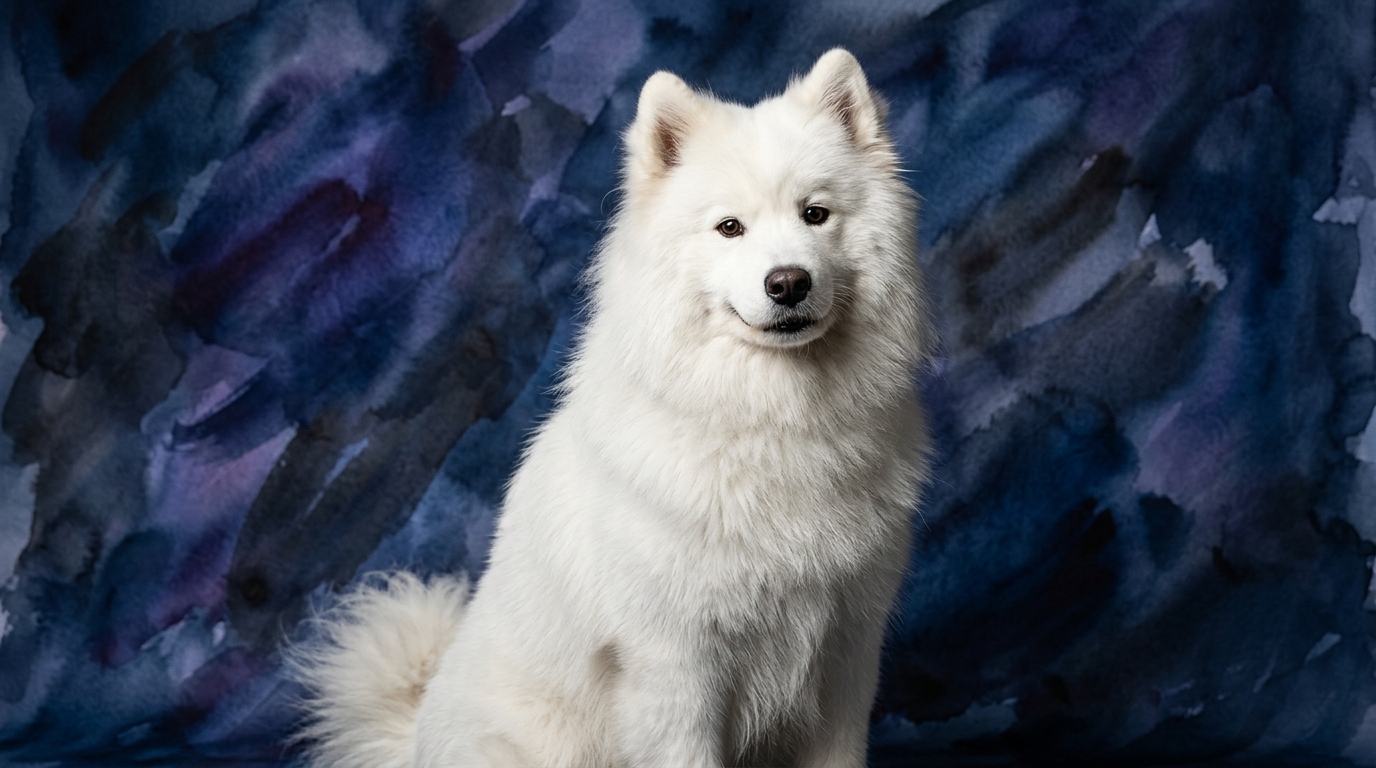
At The Cosmic Pet Pet IQ Lab, we analyze canine intelligence across five key dimensions. For the Samoyed, a Working group dog with a Coren rank of #33, we observe a Problem Solving score of 3/5, indicating a dog capable of navigating complexities with some ingenuity, often involving human interaction. Their Training Speed is 3/5, meaning they learn commands at a reasonable pace, motivated by engagement. Social Intelligence is a standout 5/5, reflecting exceptional empathy and attunement to human dynamics. Instinctive Drive sits at 4/5, rooted in their historical roles of herding and pulling, and their Memory is 3/5, reliably retaining routines and learned behaviors. This profile paints a picture of a cooperative, relationally-focused thinker.
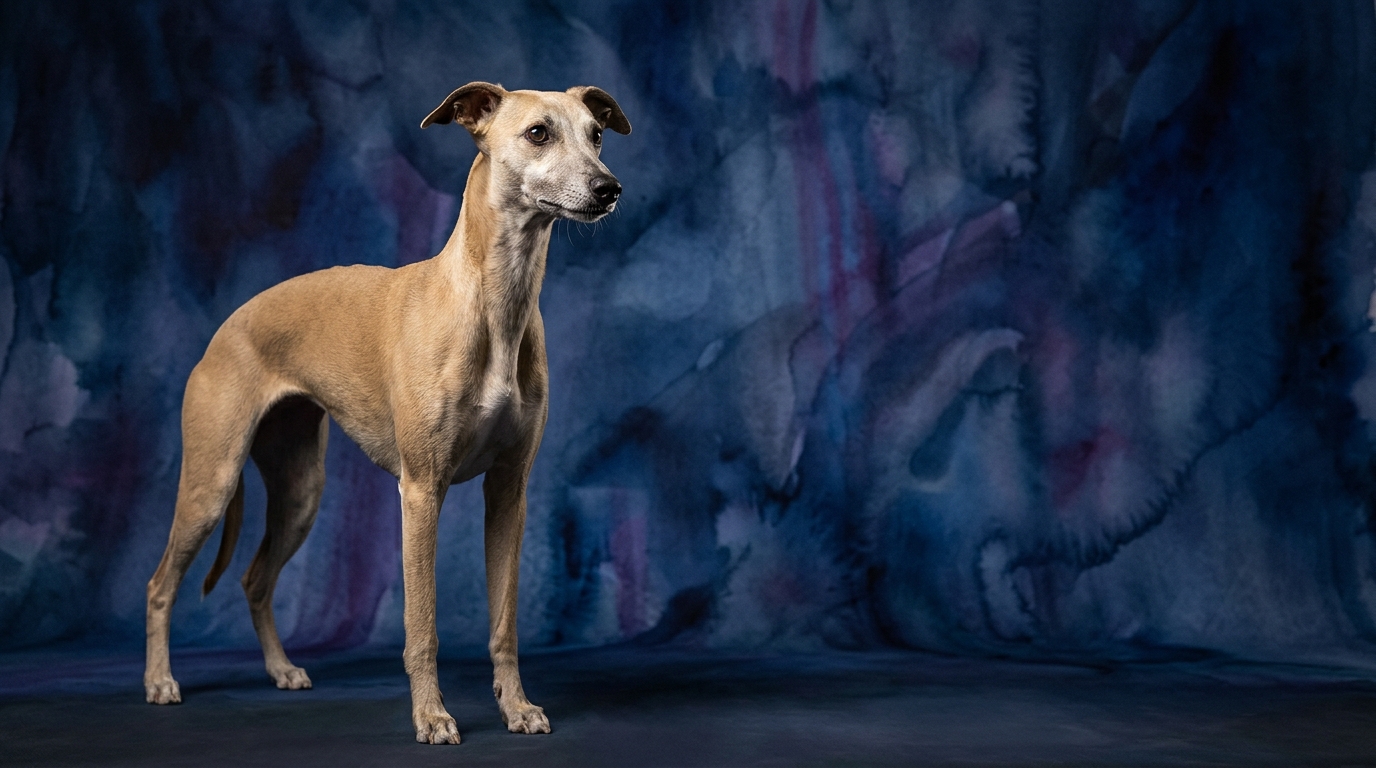
The Whippet, a Hound group dog ranking #51 on the Coren scale, presents a different cognitive landscape. Their Problem Solving is also 3/5, but often manifests as quick, physical assessments of their environment, like navigating obstacles at speed. Training Speed is 2/5, suggesting a more independent learner who requires patience and consistency. Social Intelligence is 4/5, indicating a perceptive companion who forms deep bonds, though often with a more reserved demeanor. Their Instinctive Drive is a dominant 5/5, reflecting a powerful, inherent need to chase. Memory is 3/5, similar to the Samoyed, allowing them to recall routines and past experiences, particularly those related to their natural drives.
Where the Samoyed Shines Cognitively
The Samoyed's cognitive strengths are most pronounced in their exceptional social intelligence. With a perfect 5/5 score, they demonstrate an unparalleled capacity to read and respond to human emotions, intentions, and subtle cues, making them incredibly intuitive and empathetic companions. This deep understanding of human dynamics translates into a natural aptitude for collaborative tasks and a desire to be an integral part of family life, often anticipating needs before they are vocalized. While their problem-solving score is shared, the Samoyed often leverages their social acumen to navigate human-centric challenges, seeking guidance or offering comfort in ways a more independent breed might not. Their slightly higher training speed (3/5 vs 2/5) further underscores their cognitive advantage in learning and adapting to human-imposed structures, as they are often more motivated by engagement and partnership.
Where the Whippet Excels Cognitively
The Whippet's cognitive prowess is most strikingly evident in their profound instinctive drive (5/5) and the specialized problem-solving it cultivates. While their problem-solving score is a 3/5, this often manifests as rapid, efficient physical assessment and execution. They excel at quickly evaluating terrain, distances, and the trajectory of moving objects, making split-second decisions during a chase that are a testament to their specialized intelligence. This isn't about human-centric cooperation, but about independent, instinct-driven action. Their capacity for intense focus on a moving target, coupled with their ability to navigate complex physical spaces at speed, highlights a cognitive processing optimized for their sighthound heritage, where quick, decisive, and independent action is key to survival and success, and less about seeking human direction.
Training Dynamics: Which Breed is More Amenable?
Generally, the Samoyed proves to be the more straightforward breed to train, largely due to their superior social intelligence and cooperative temperament. Their natural inclination to engage with and please their human companions means they are often more receptive to learning new commands and behaviors. Samoyeds thrive on positive reinforcement and consistent guidance, finding motivation in shared activity and praise. Their tendency to seek human interaction and guidance during problem-solving further aids in training, as they are less likely to simply 'tune out' instruction, making them generally more eager to participate in learning sessions.
Conversely, the Whippet's training experience can be more challenging. Their lower training speed (2/5) combined with their intense instinctive drive (5/5) means they require significant patience and creativity. A Whippet's focus can easily be diverted by environmental stimuli, particularly anything that triggers their prey drive. They often need to be convinced that following a command is more rewarding than pursuing an independent interest, demanding consistent, short, and engaging sessions that work with, rather than against, their sighthound nature. Their independent streak means they learn best when the training feels like a game, rather than a chore.
Matching Breeds to Lifestyles: Active vs. Relaxed Owners
The choice between a Samoyed and a Whippet significantly depends on an owner's lifestyle and preferred type of activity. Samoyeds are better suited for active owners who seek a highly interactive and engaged companion for outdoor adventures. They thrive on activities that involve teamwork, such as long hikes, pulling sports like skijoring, or advanced obedience and agility, all of which satisfy their strong instinctive drive and need for mental stimulation. Their high social intelligence means they need an owner who is present and willing to engage them mentally as well as physically, making them less ideal for owners seeking a purely independent companion.
For truly relaxed owners, a Whippet might be a surprisingly fitting choice, provided their specific exercise needs are met. Whippets are often described as '45 mph couch potatoes'; they require intense bursts of physical activity, like sprinting in a securely fenced yard or lure coursing, but once their powerful prey drive is satisfied, they are typically calm, quiet, and content to lounge indoors. They don't demand constant mental engagement in the same way a Samoyed does, making them ideal for owners who enjoy short, high-intensity workouts followed by long, peaceful periods of companionship, valuing their quiet presence.
The Verdict
Choose a Samoyed if you desire a deeply empathetic, highly cooperative companion for interactive adventures and a constant, joyful presence in your daily life, thriving on shared activities and communication.
Opt for a Whippet if you appreciate an elegant, independent spirit that thrives on exhilarating sprints, offering quiet companionship and serene relaxation once their need for speed is met.
🧠 Find Your Pet's IQ Score
Our Pet IQ Lab assessment covers 25+ tests across 5 cognitive dimensions — personalized to your breed.
Take the Full IQ Test →Frequently Asked Questions
Do Samoyeds and Whippets get along with other pets?
Samoyeds, with their high social intelligence, generally adapt well to other pets, often forming strong bonds. Whippets can also coexist peacefully, but their strong prey drive means careful introductions and supervision are crucial, especially with smaller, fast-moving animals, to ensure everyone's safety.
Are Samoyeds or Whippets better for first-time dog owners?
The Samoyed's cooperative nature and desire to please can make them a good fit for dedicated first-time owners willing to invest in consistent training and social engagement. Whippets, while generally gentle, might pose a greater challenge for novice trainers due to their independent streak and intense prey drive requiring specific management and understanding of sighthound behaviors.
What kind of mental stimulation do these breeds need?
Samoyeds require varied mental challenges, including puzzle toys, learning new tricks, and interactive games that leverage their social intelligence and desire to work alongside their humans. Whippets benefit from activities that engage their sighthound instincts, such as flirt poles, lure coursing, and scent work, which channel their natural drive in a constructive way and satisfy their need for quick, focused bursts of activity.