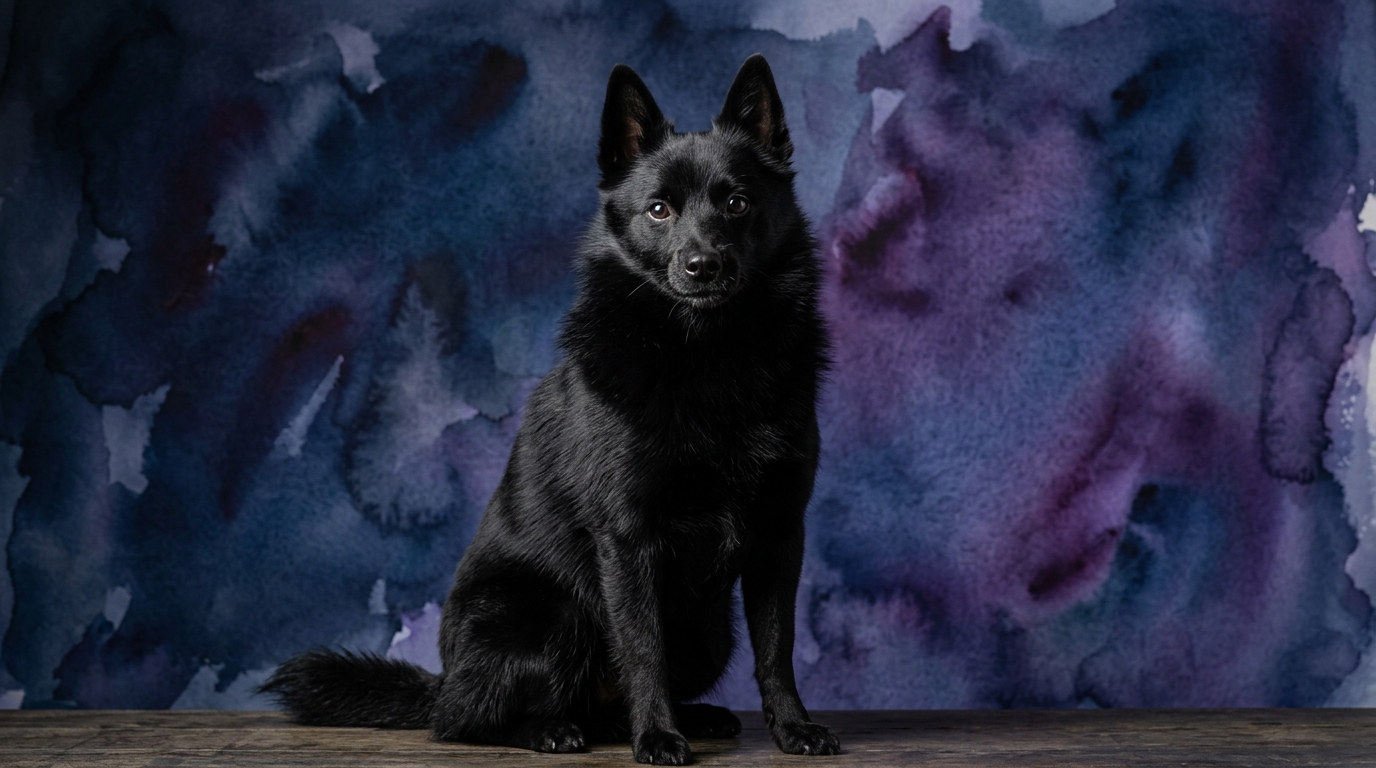
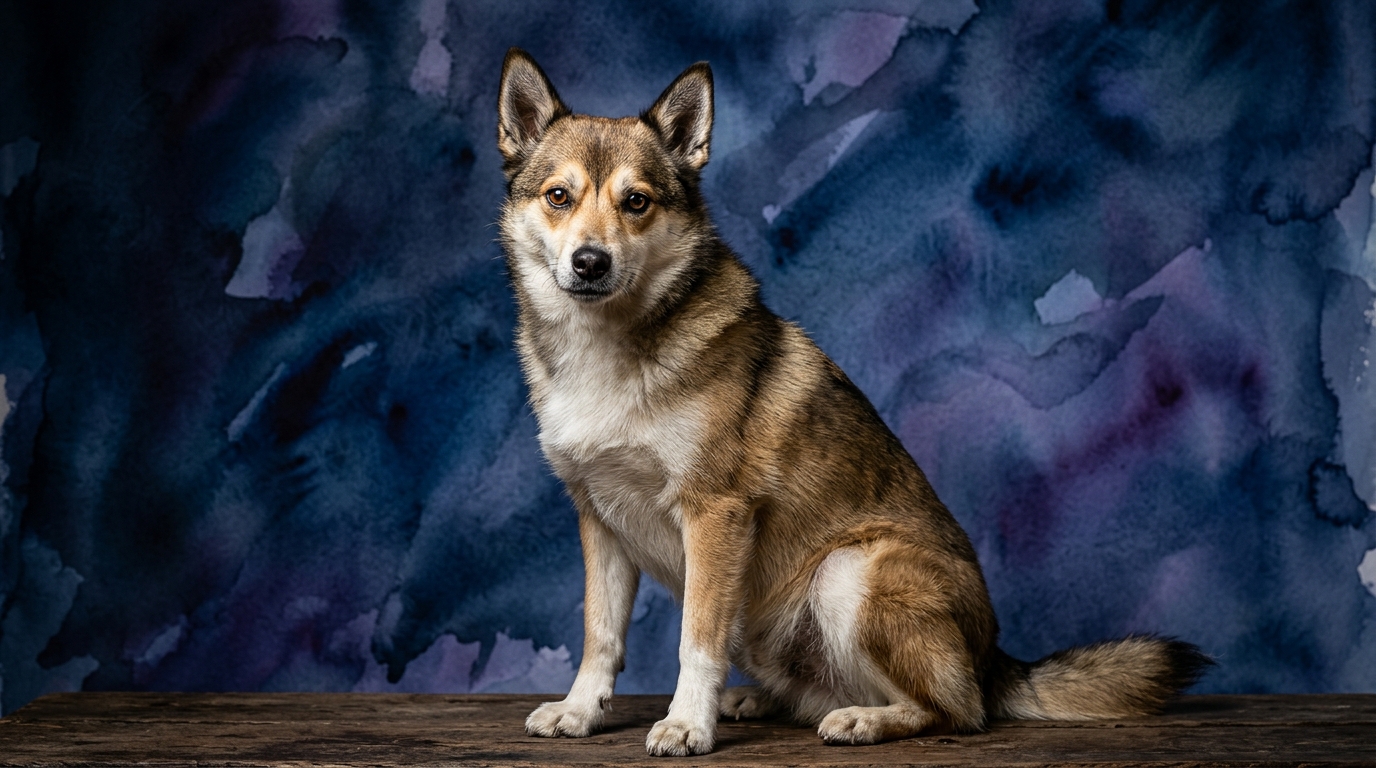
Side-by-Side IQ Profile: Schipperke vs. Norwegian Lundehund
The Cosmic Pet Pet IQ Lab employs five dimensions to map a breed's cognitive strengths. For the Schipperke, a breed ranked #15 by Coren for working and obedience intelligence, these dimensions paint a picture of sharp mental acuity. Their Problem Solving is rated a perfect 5/5, indicating an exceptional capacity to analyze and resolve complex situations, whether it's figuring out how to manipulate a latch or strategizing to obtain a coveted toy from a difficult spot. This isn't just about brute force, but a sophisticated assessment of environmental cues leading to inventive solutions. Training Speed also earns a 5/5, reflecting their remarkable ability to master new commands and tricks within a few repetitions, as their enthusiasm for engagement translates into rapid assimilation of new information. Social Intelligence stands at 3/5, meaning they typically form deep, loyal bonds with their immediate family, often being reserved or cautious with strangers. Instinctive Drive is also 3/5, reflecting their historical role as watchful companions and rodent control, manifesting as keen alertness and a moderate prey drive. Finally, their Memory is an outstanding 5/5, ensuring that lessons learned are retained with enduring clarity, readily recalling complex sequences and past experiences.
The Norwegian Lundehund, while not Coren-ranked, presents a different cognitive blueprint, shaped by its highly specialized history. Their Problem Solving is rated 3/5, indicating moderate abilities, capable of tackling straightforward challenges but potentially requiring more guidance for abstract or multi-step puzzles, often relying on persistence and physical exploration. Training Speed also sits at 3/5; Lundehunds are independent thinkers, meaning they process information and decide to comply on their own terms, making training a more collaborative and less immediate endeavor. Social Intelligence, like the Schipperke, is 3/5; they are often friendly but initially reserved with unfamiliar individuals, developing strong, devoted attachments to their primary caregivers and valuing selective, meaningful relationships. Their Instinctive Drive, also 3/5, is distinctly shaped by their puffin-hunting heritage, translating into a strong inclination for exploration, climbing, and investigating tight spaces, often with a persistent focus on scent and visual cues. Their Memory is rated 3/5, capable of retaining routine commands and experiences, but occasional refreshers might be beneficial for less frequently practiced skills, with consistency being key to reinforcing their learning.
Where the Schipperke Wins Cognitively
The Schipperke truly excels in domains demanding rapid cognitive processing and retention. Their perfect 5/5 scores in Problem Solving, Training Speed, and Memory establish them as a breed that not only quickly grasps complex concepts but also remembers them with exceptional fidelity. This isn't merely about obedience; it's about an innate capacity for strategic thought. A Schipperke might, for instance, systematically test various methods to open a cabinet door or understand the sequence of actions required to activate a puzzle toy, demonstrating a level of foresight and planning beyond many other breeds. Their rapid training speed means they pick up new cues and behaviors with astonishing efficiency, making them a delight for owners keen on advanced obedience, agility, or trick training. The durability of their memory ensures that once a skill is learned, it remains firmly embedded, allowing them to build an extensive repertoire of behaviors and understand intricate routines. For owners who value a companion that actively engages in mental challenges and learns with impressive swiftness, the Schipperke's cognitive profile offers a compelling advantage, indicating a dog that is consistently 'on the ball' and eager to mentally participate.
Where the Norwegian Lundehund Wins Cognitively
While the Norwegian Lundehund's overall IQ scores may appear moderate compared to the Schipperke, their cognitive strengths lie in a highly specialized and unique realm, fundamentally shaped by their historical purpose. Their instinctive drive, rated 3/5, is a testament to a sophisticated form of physical and spatial intelligence honed over centuries of navigating treacherous cliff faces and tight rock crevices to hunt puffins. This drive translates into an exceptional ability to assess and conquer challenging physical environments, demonstrating agility, balance, and a persistent exploratory nature. Their moderate Problem Solving and Memory scores are complemented by an extraordinary physical adaptability, including hyper-flexible joints and the ability to turn their heads nearly 180 degrees. This unique physical toolkit allows them to approach obstacles with an unconventional cognitive strategy, finding solutions through sheer adaptability and physical prowess rather than abstract reasoning. A Lundehund's 'win' is in its specialized ecological intelligence, its capacity to thrive in a niche that demands unique physical and mental flexibility. Their discerning Social Intelligence means they form deep, albeit selective, bonds, demonstrating a nuanced understanding of their immediate social circle, prioritizing profound connections over broad social engagement.
Which Is Easier to Train and Why
When evaluating ease of training, the Schipperke decidedly holds the advantage. Their exceptional 5/5 Training Speed and 5/5 Memory mean they absorb new commands rapidly and retain them with remarkable consistency. Schipperkes are often described as eager learners, thriving on mental stimulation and positive reinforcement. They possess a strong desire to engage with their human companions, making them highly responsive to clear, consistent instruction. Behavioral differences include their innate alertness and quick reaction times, which translate into prompt responses during training sessions, readily internalizing cues and sequences. In contrast, the Norwegian Lundehund, with its 3/5 Training Speed and Memory, presents a more independent and sometimes stubborn learner. Their historical role required them to make independent decisions in complex environments, fostering a self-reliant mindset. This often means they require more patience, repetition, and creative motivation during training. Lundehunds are not unintelligent, but their learning style is less about eager compliance and more about thoughtful consideration, often needing to understand the 'why' or finding personal motivation before fully committing to a task. This independence can manifest as selective hearing or a tendency to follow their nose rather than a command, requiring an owner who embraces consistency and understands their unique, sometimes 'cat-like' autonomy.
Suited for Active vs. Relaxed Owners
Choosing between these two breeds based on lifestyle involves understanding their innate energy and cognitive engagement needs. The Schipperke, despite its small size, is a robust and energetic companion. Their high scores in Problem Solving and Training Speed mean they thrive with owners who provide consistent mental stimulation through training, puzzle toys, and varied activities like agility or obedience sports. An active owner who enjoys engaging their dog in learning new tricks or participating in dog sports will find the Schipperke a rewarding partner. They require regular exercise to channel their energy and prevent boredom, which can lead to inventive, sometimes mischievous, problem-solving in unwanted areas. A relaxed owner might find their quick wit and persistent demands for engagement overwhelming without sufficient outlets. The Norwegian Lundehund, while also active and possessing a moderate instinctive drive for exploration, suits a slightly different type of owner. They are not necessarily demanding in the same structured, obedience-focused way as the Schipperke. Instead, they thrive with owners who appreciate their independent spirit and unique physical abilities. They enjoy exploring and climbing, making them good companions for owners who enjoy hiking or providing safe, stimulating outdoor environments where they can investigate. A relaxed owner who is also patient and understanding of a breed that thinks for itself, and isn't overly concerned with perfect obedience, might find a Lundehund a charming, albeit quirky, companion. They need physical activity but also mental freedom, making them less suited to highly structured, rigid routines and more to adaptable, exploratory adventures.
The Verdict
Choose a Schipperke if you value a highly trainable, quick-witted companion that excels in structured learning and enjoys consistent mental challenges, eager to engage in complex tasks.
Opt for a Norwegian Lundehund if you appreciate a unique, independent dog with specialized physical intelligence and a strong exploratory drive, and are prepared for a more patient, less conventional training journey.
🧠 Find Your Pet's IQ Score
Our Pet IQ Lab assessment covers 25+ tests across 5 cognitive dimensions — personalized to your breed.
Take the Full IQ Test →Frequently Asked Questions
Are Schipperkes good for first-time dog owners?
Schipperkes can be suitable for first-time owners who are committed to consistent training and providing ample mental and physical stimulation. Their quick learning ability is a plus, but their independent streak and need for engagement mean they aren't a 'set it and forget it' pet, requiring active participation from their owner.
Do Norwegian Lundehunds have any unique physical traits related to their intelligence?
Yes, Lundehunds possess several unique physical traits, including extra toes, hyper-flexible joints, and the ability to turn their heads nearly 180 degrees and fold their ears shut. These adaptations directly relate to their specialized historical role of hunting puffins in tight crevices, demonstrating a unique form of physical-spatial intelligence and problem-solving through bodily dexterity.
Which breed is better with children?
Both breeds have moderate social intelligence and can be good with respectful children, especially if raised with them and properly socialized. Schipperkes might be more playful and engaging with familiar kids, while Lundehunds, with their independent nature, may prefer calmer interactions and require children to understand their boundaries and need for personal space.