Side-by-Side IQ Profile: Deconstructing Identical Scores
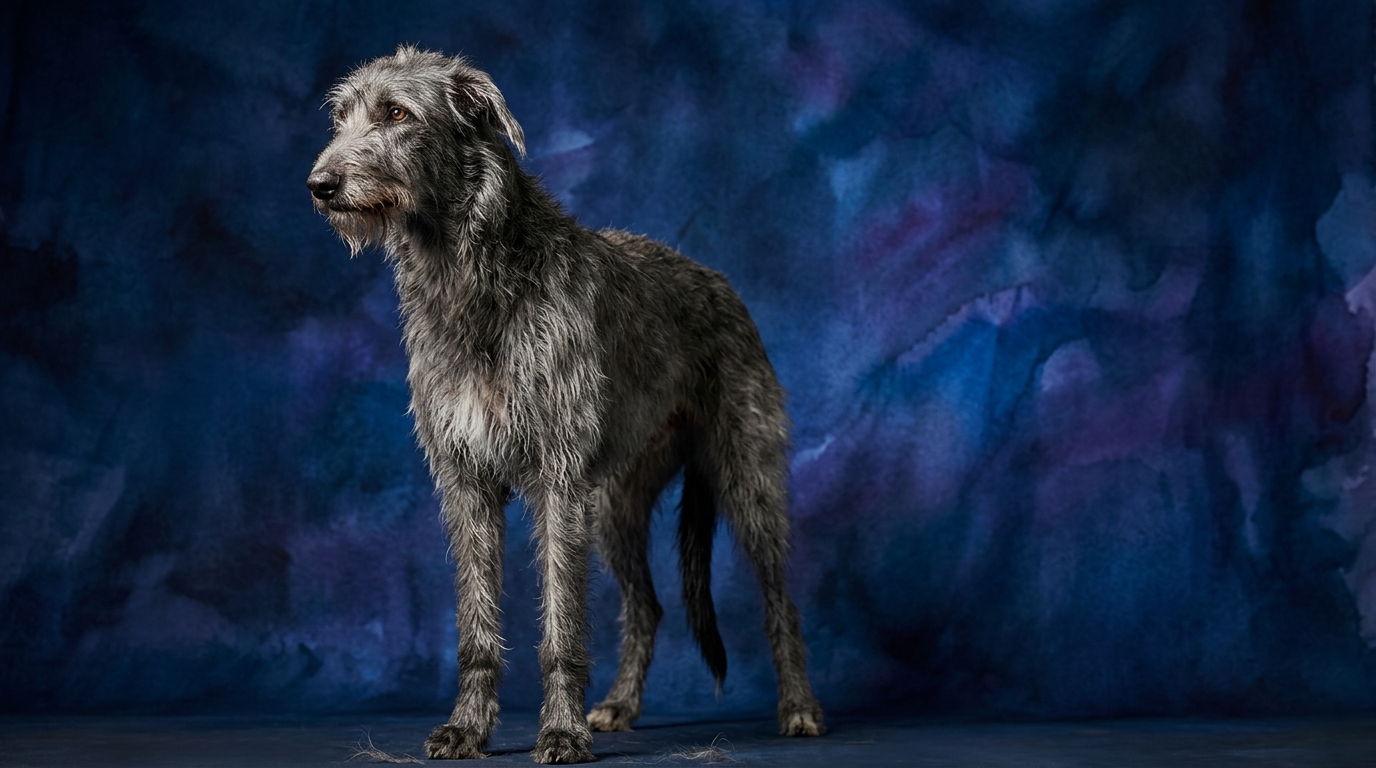
Both the Scottish Deerhound and the Plott Hound register a consistent 3/5 across The Cosmic Pet Pet IQ Lab's five cognitive dimensions. While numerically identical, the practical manifestation of these scores is deeply rooted in their ancestral purposes. For the Scottish Deerhound, a sighthound bred to pursue deer over vast, open landscapes, problem-solving (3/5) often involves strategizing the most efficient chase routes and anticipating prey movements from a distance, relying heavily on visual cues. Their training speed (3/5) indicates a reasonable capacity to learn commands, but their independent nature means motivation often needs to align with their prey drive, favoring reinforcement through chase or exploration.
The Deerhound's social intelligence (3/5) typically translates to a dignified, sometimes reserved demeanor, forming strong bonds with their immediate family while remaining politely aloof with strangers. Their instinctive drive (3/5) is undeniably powerful, centered on the pursuit of moving objects, making a strong recall command crucial. Memory (3/5) for the Deerhound is often excellent for terrain, established routines, and the location of favored resting spots or play areas, contributing to their navigational prowess and comfort within their environment.
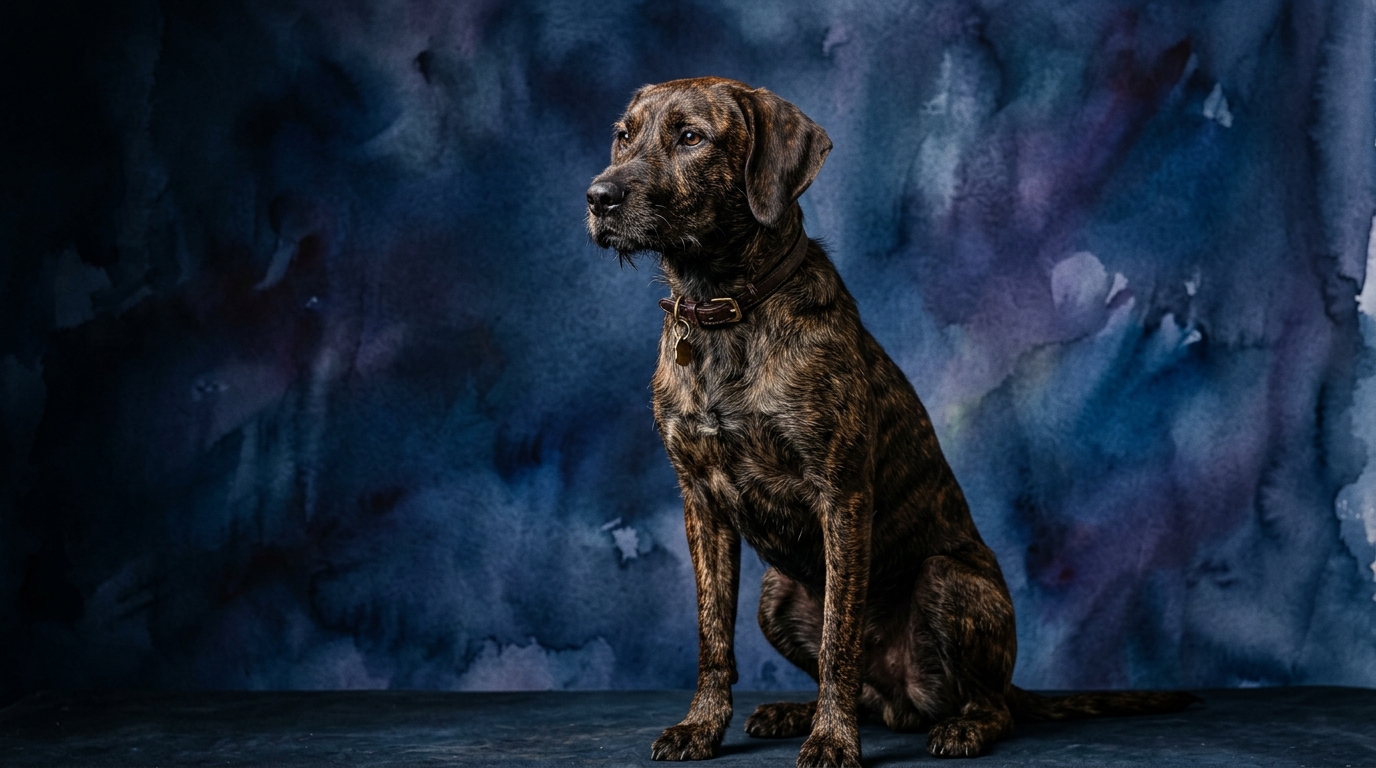
Conversely, the Plott Hound, a scenthound developed for tracking large, often dangerous game through dense forests, exhibits problem-solving (3/5) through an unwavering dedication to following complex scent trails, navigating obstacles, and outsmarting quarry by persistence rather than speed. Their training speed (3/5) means they can pick up commands, but their profound focus on scent can make them easily distracted in distracting environments, requiring patient, consistent, and reward-based methods to keep their attention on the handler.
The Plott Hound's social intelligence (3/5) typically manifests as a loyal, pack-oriented disposition, often good with other dogs and generally affectionate with their human family, though their strong voices can sometimes be misinterpreted. Their instinctive drive (3/5) is overwhelmingly scent-driven, compelling them to follow a trail with remarkable tenacity. Memory (3/5) for the Plott Hound is exceptional for remembering specific scent patterns, the locations of successful hunts, and the intricate paths they've taken, which is vital for their work in tracking and baying.
Where the Scottish Deerhound Wins Cognitively
Despite identical scores, the Scottish Deerhound's cognitive strengths shine in situations demanding independent decision-making based on visual assessment and swift action over open ground. Their problem-solving, while rated 3/5, is particularly adept at spatial reasoning and anticipating movement patterns, crucial for their historical role in coursing deer. This manifests as an innate ability to 'read' the landscape and predict the trajectory of objects or animals, making them exceptional at lure coursing or quickly adapting to changes in a running path.
Their memory (3/5) is often superior for visual landmarks and established routes, allowing them to navigate familiar territories with a quiet confidence and find their way back even if momentarily disoriented. This visual memory, combined with their instinctive drive for pursuit, means they are quick to recognize and react to the subtle cues of potential 'prey,' whether it's a squirrel in the park or a plastic bag blowing in the wind, demonstrating a highly specialized form of cognitive engagement.
Where the Plott Hound Wins Cognitively
The Plott Hound's cognitive advantages are most evident in their unparalleled ability to process and follow complex olfactory information, a testament to their scenthound heritage. Their problem-solving (3/5) shines in disentangling multiple scent trails, discerning faint traces, and persisting through environmental challenges like water crossings or dense undergrowth to locate a quarry. This is a highly specialized form of intelligence, requiring immense focus and analytical processing of scent data that would be imperceptible to other breeds.
Their memory (3/5), while numerically equivalent, excels in retaining intricate scent patterns and the successful strategies used to overcome tracking challenges. A Plott Hound can remember a specific animal's scent for extended periods and recall the precise sequence of turns and obstacles encountered on a past trail. This profound connection to their olfactory world allows them to learn and adapt tracking methods with remarkable efficiency, making them masters of scent-based navigation and detection.
Training Dynamics: Deerhound's Independence vs. Plott's Drive
When it comes to training, both breeds score 3/5 for training speed, indicating they are neither exceptionally quick nor particularly slow learners. However, their underlying behavioral drivers dictate very different approaches. The Scottish Deerhound's sighthound independence means they respond best to positive reinforcement that respects their inherent dignity and prey drive. They are not typically eager to please in the way some working breeds are; instead, they excel when training feels like a collaboration or a game that taps into their love for chasing or exploring. Consistency is key, along with short, engaging sessions, as repetition without purpose can quickly lead to disinterest. Their occasional 'selective hearing' stems from their instinct to make their own decisions in a chase, rather than a lack of understanding.
The Plott Hound, while also scoring 3/5, presents a different training challenge due to their intense focus on scent. Their powerful instinctive drive means that once they've 'nosed down' onto a trail, recalling them can be exceptionally difficult, overriding even well-learned commands. Training a Plott requires establishing a strong bond and making yourself more rewarding than the most enticing scent. Scent-specific training, where a 'leave it' or 'come' command is practiced amidst strong smells, is crucial. They are generally eager to work with their handler but need a handler who understands how to manage and redirect their potent olfactory focus, often benefiting from structured activities like tracking or nose work that satisfy their natural inclinations.
Lifestyle Match: Active Engagement vs. Relaxed Companionship
Considering their cognitive profiles and physical needs, both breeds suit active owners but in different ways. The Scottish Deerhound, despite their large size, is often described as a 'velcro couch potato' indoors, enjoying long periods of rest. However, they require significant bursts of strenuous exercise outdoors, ideally in a secure, expansive area where they can gallop freely and fully express their sighthound instincts. Owners who enjoy long, brisk walks, secure off-leash running opportunities, or participate in activities like lure coursing will find a Deerhound a rewarding companion. Their relaxed indoor demeanor makes them suitable for owners who appreciate quiet evenings but can commit to daily high-intensity outdoor activity.
The Plott Hound is generally more consistently active and requires regular, vigorous exercise that engages both their body and their incredible nose. Owners who enjoy hiking, trail running, or engaging in scent work, tracking, or hunting will find the Plott Hound thrives. Their energy is often more sustained than the Deerhound's, and they need mental stimulation to prevent boredom, which can lead to destructive behaviors. A Plott Hound is best suited for owners who lead an active lifestyle and are prepared to dedicate time to channeling their hound's boundless curiosity and drive into constructive outlets, making them less ideal for purely relaxed, sedentary households.
The Verdict
Choose the Scottish Deerhound if you value a regal, independent companion who thrives on intense, short bursts of activity followed by quiet indoor relaxation, and you appreciate their specialized visual problem-solving.
Opt for the Plott Hound if you seek a tenacious, scent-driven partner for outdoor adventures, are prepared to engage their incredible olfactory intelligence, and can manage their persistent, vocal pursuit instincts.
🧠 Find Your Pet's IQ Score
Our Pet IQ Lab assessment covers 25+ tests across 5 cognitive dimensions — personalized to your breed.
Take the Full IQ Test →Frequently Asked Questions
Are Scottish Deerhounds good with children?
Scottish Deerhounds generally possess a gentle and patient temperament, making them suitable companions for older, respectful children. Their large size means supervision is always wise with very young children to prevent accidental bumps, but their dignified nature typically leads to calm interactions.
Do Plott Hounds bark a lot?
Plott Hounds are known for their distinctive 'baying' bark, which is a key part of their hunting heritage. While not constant, they can be quite vocal, especially when tracking a scent or when they perceive something unusual, so potential owners should be prepared for their characteristic voice.
Which breed is better for apartment living?
Neither breed is ideally suited for apartment living without significant commitment to exercise and mental stimulation. However, if forced to choose, a Scottish Deerhound might adapt slightly better due to their 'couch potato' tendencies indoors, provided they receive ample opportunities for vigorous outdoor sprints daily in a safe, enclosed space.