Side-by-Side Cognitive Profiles
The Cosmic Pet Pet IQ Lab assesses five crucial cognitive dimensions, and for both the Scottish Deerhound and the Polish Lowland Sheepdog, each dimension scores a 3/5. However, these numerical similarities belie profound differences in how these breeds express their cognitive aptitudes.
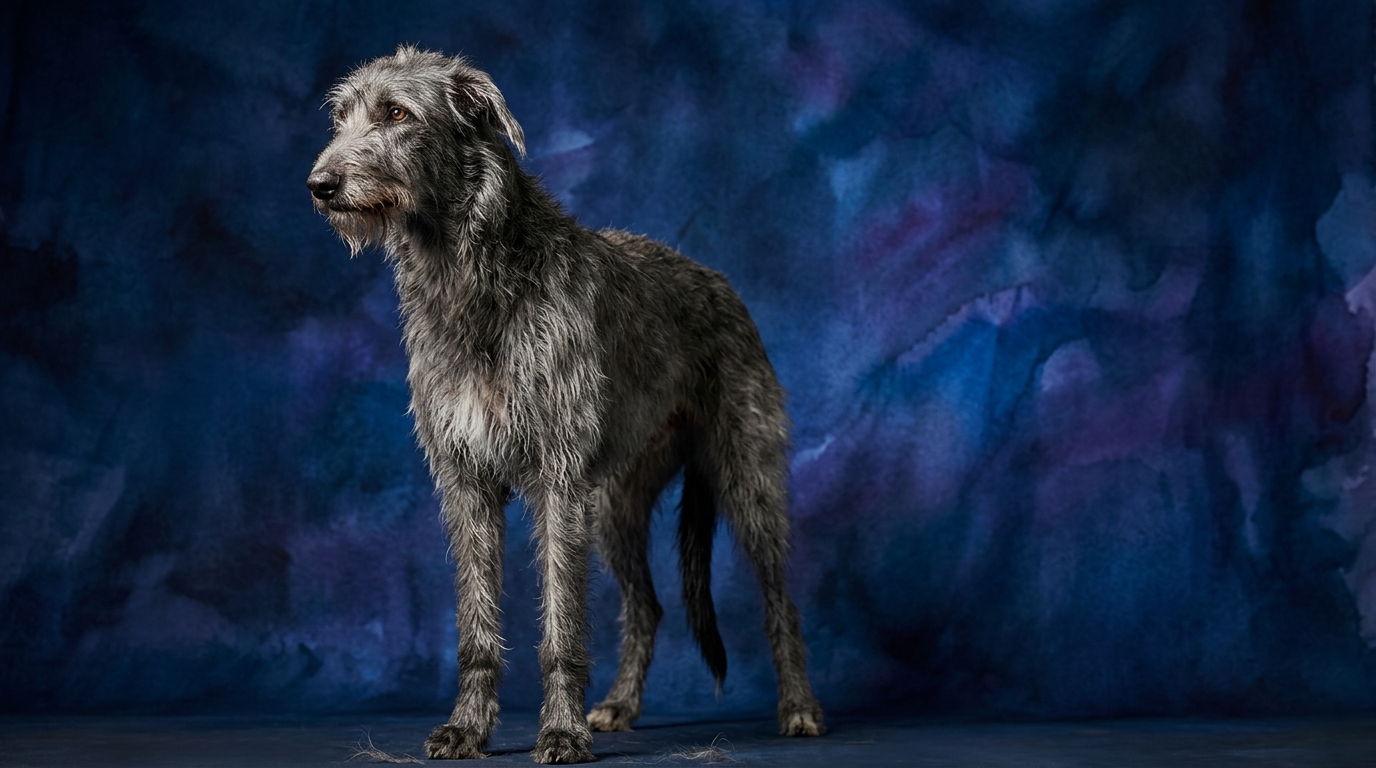
For the **Scottish Deerhound (Hound)**, Problem Solving (3/5) is less about intricate puzzles and more about an innate ability to independently track and pursue quarry over vast distances, making swift, on-the-spot decisions based on visual cues and terrain. Their Training Speed (3/5) is moderate; they grasp concepts but often weigh commands against their own independent will, requiring patient, engaging methods that respect their hound nature. Social Intelligence (3/5) manifests as a calm, dignified bond with their chosen family, observing interactions with a quiet understanding and forming deep, albeit reserved, attachments. Instinctive Drive (3/5) is overwhelmingly focused on the chase and prey detection, a profound, hardwired motivation that dictates much of their outdoor behavior. Memory (3/5) serves them well in recalling hunting grounds, familiar routes, and consistent routines, though it can appear selective when a compelling scent or sight overrides a learned command.
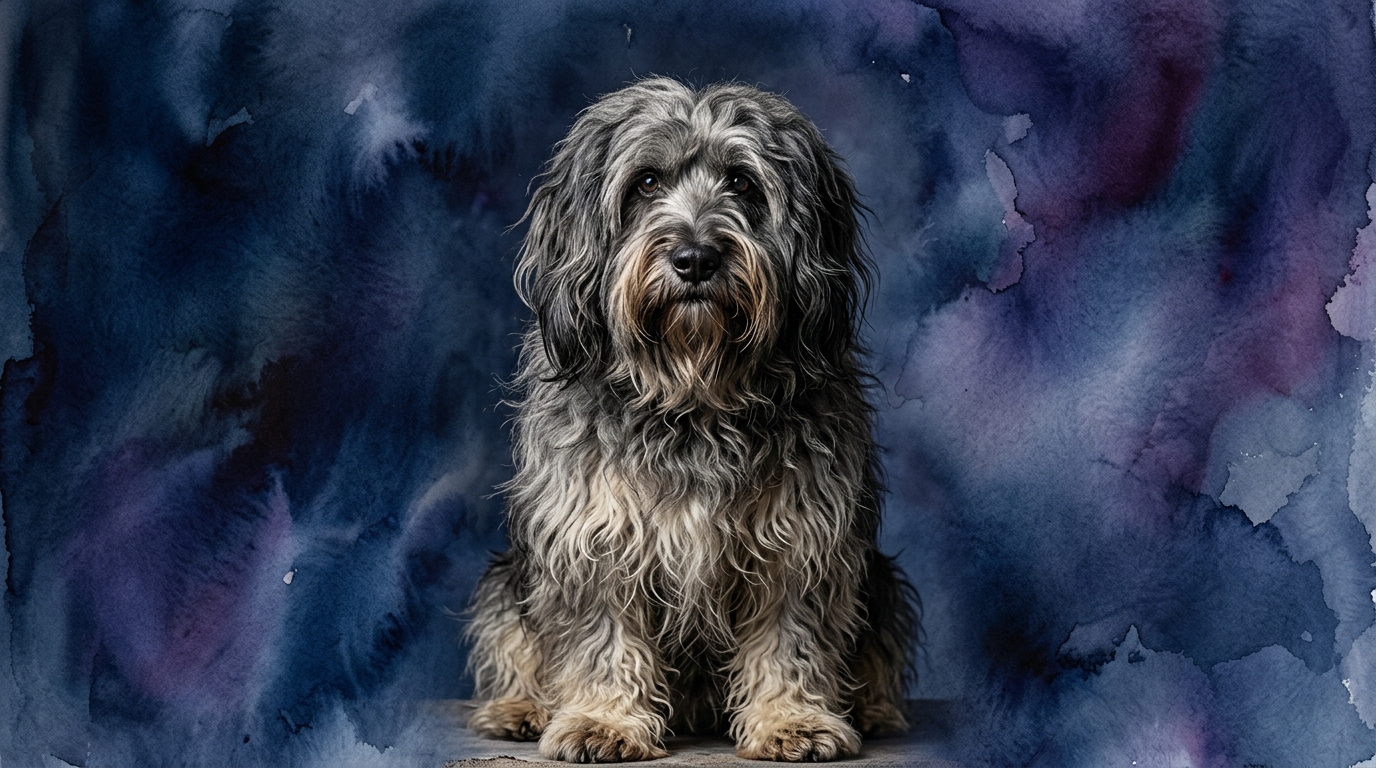
In contrast, the **Polish Lowland Sheepdog (Herding)** showcases its Problem Solving (3/5) through a capacity to manage and move livestock, adapting strategies to individual animal temperaments or environmental changes, often requiring creative solutions to practical, dynamic challenges. Their Training Speed (3/5) is also moderate, but it's often coupled with a strong desire to engage and work, making them generally receptive to consistent, positive reinforcement and eager to please. Social Intelligence (3/5) is a cornerstone of their being, forming deep bonds with their family, acting as watchful guardians, and reading human emotional states with notable sensitivity, often anticipating needs. Instinctive Drive (3/5) is primarily channeled into herding, protecting, and monitoring their flock (which includes their human family), a constant, low-level vigilance that informs their daily interactions. Memory (3/5) is robust, enabling them to recall numerous commands, family members, routines, and specific tasks, which is vital for their complex working heritage and adaptability.
Where the Scottish Deerhound Excels Cognitively
The Scottish Deerhound's cognitive strengths are rooted in their specialized role as a sight hound, emphasizing independence and rapid decision-making in vast, open environments. Their Problem Solving (3/5) truly shines when an owner understands it's geared towards autonomous pursuit; they excel at evaluating a dynamic chase situation and executing a swift, effective response without needing direct instruction from a handler. Their Memory (3/5) is particularly potent for recalling visual cues and spatial layouts, crucial for navigating complex landscapes at speed and remembering the quickest route to cover ground. Furthermore, their Instinctive Drive (3/5) for the chase is not just physical; it involves intense mental focus and sustained attention on a moving target, demonstrating a unique form of cognitive endurance and single-minded dedication over long distances.
Where the Polish Lowland Sheepdog Excels Cognitively
The Polish Lowland Sheepdog demonstrates its cognitive prowess through its remarkable adaptability, multi-tasking capabilities, and nuanced social awareness, all stemming from its herding and guarding background. Their Problem Solving (3/5) is highly practical and flexible, enabling them to devise strategies for controlling livestock, managing boundaries, or even outsmarting perceived threats, often requiring a blend of assertiveness and subtlety. Their Social Intelligence (3/5) is a significant advantage, allowing them to interpret subtle human cues and respond appropriately, making them excellent family companions and watchful guardians who instinctively understand their role within the "flock." The PON's Memory (3/5) is also well-suited for retaining a broad repertoire of commands, routines, and specific tasks, which is essential for their complex working heritage and ability to learn new roles quickly.
Training Ease and Behavioral Differences
When considering training, the core behavioral differences between these breeds become strikingly apparent. The Scottish Deerhound, with its deeply ingrained independent hound mentality, can present a moderate challenge (Training Speed 3/5) to consistent obedience. While fully capable of learning, their strong Instinctive Drive (3/5) for sight and scent often means they prioritize their own impulses over human commands, especially outdoors where distractions are abundant. They require patient, consistent training that makes learning feel rewarding and never coercive, and owners must understand that a Deerhound's "obedience" might always carry a hint of self-interest, requiring careful management in unfenced areas.
In contrast, the Polish Lowland Sheepdog, as a herding breed, generally exhibits a greater eagerness to please and a stronger desire to work alongside their human companions (Training Speed 3/5). Their Social Intelligence (3/5) makes them more attuned to human expectations and subtle corrections, and their innate desire for a "job" means they often thrive on structured training and mental engagement. This biddability, coupled with their robust Memory (3/5) for commands, often makes them a more straightforward breed to train for a dedicated owner who provides consistent direction and varied mental tasks.
Suits Active Owners vs. Relaxed Owners
The choice between these two breeds often boils down to an owner's lifestyle and their capacity to meet specific breed needs. The Scottish Deerhound, despite its impressive size, is often described as a "velcro couch potato" indoors, enjoying long periods of rest and quiet companionship. However, this calm indoor demeanor belies their crucial need for intense, short bursts of activity; they require ample space for galloping and need owners who can provide secure, regular opportunities for free running to satisfy their chase Instinctive Drive (3/5). They suit owners who appreciate a calm, dignified indoor companion but are committed to providing significant, specific outdoor exercise.
The Polish Lowland Sheepdog, on the other hand, is generally a more active and mentally demanding companion, requiring consistent engagement. They thrive with owners who can provide regular mental stimulation through training, engage them in dog sports like agility or herding trials, or give them a sense of purpose around the home. Their Herding background means they are often "on duty," requiring an owner who enjoys an interactive, involved dog and can provide regular, moderate exercise that includes mental challenges, not just physical exertion.
The Verdict
Choose the Scottish Deerhound if you value a dignified, independent companion who enjoys calm indoor living but can commit to providing large, secure areas for them to gallop and express their profound chase instinct.
Opt for the Polish Lowland Sheepdog if you seek an engaged, diligent partner who thrives on consistent interaction, mental challenges, and a sense of purpose, suitable for an owner who enjoys an active, working relationship with their dog.
🧠 Find Your Pet's IQ Score
Our Pet IQ Lab assessment covers 25+ tests across 5 cognitive dimensions — personalized to your breed.
Take the Full IQ Test →Frequently Asked Questions
How do their problem-solving abilities differ despite similar scores?
The Scottish Deerhound’s problem-solving focuses on independent pursuit and navigating complex terrain during a chase, making quick decisions based on visual cues. The Polish Lowland Sheepdog’s problem-solving is more adaptive and strategic, centered on managing livestock or adapting to changing environmental conditions in a working context.
Are Scottish Deerhounds difficult to train due to their independence?
Scottish Deerhounds can present a moderate training challenge because their strong chase drive often makes them prioritize their instincts over commands, especially outdoors. Consistent, patient, and positive reinforcement is key, understanding their independent nature is crucial for successful training.
Do Polish Lowland Sheepdogs require a lot of mental stimulation?
Yes, Polish Lowland Sheepdogs, with their herding background, thrive on mental stimulation and having a "job" to do. They benefit greatly from consistent training, puzzle toys, and activities that engage their problem-solving and social intelligence to prevent boredom and destructive behaviors.