A Side-by-Side Look at Cognitive Profiles
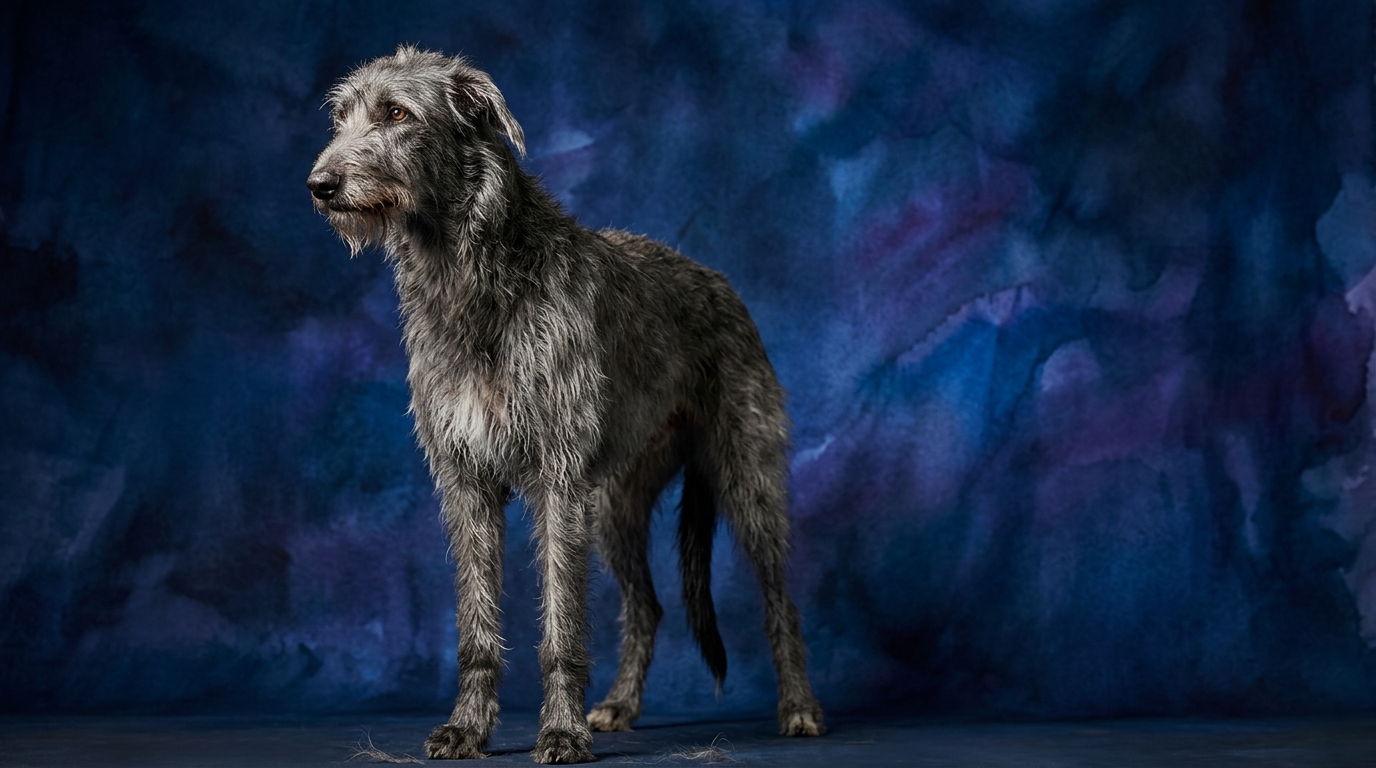
The Cosmic Pet Pet IQ Lab employs five key dimensions to map a breed's cognitive landscape: Problem Solving, Training Speed, Social Intelligence, Instinctive Drive, and Memory. For the Scottish Deerhound, a noble Hound breed, all five dimensions register a moderate 3 out of 5. This consistent scoring suggests a balanced, perhaps less overtly specialized, cognitive approach. Their mind functions reliably across various tasks without extreme highs or lows, indicating a steady, thoughtful demeanor.
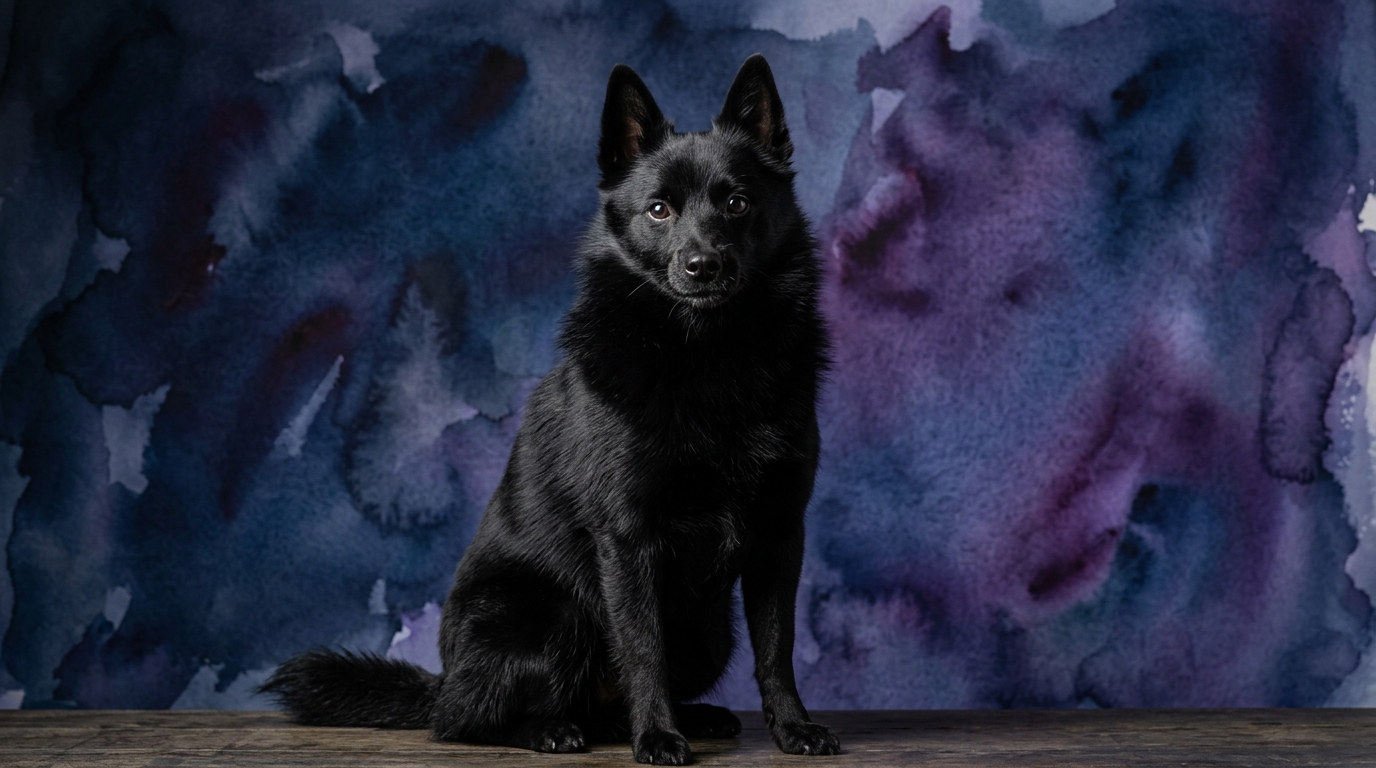
In stark contrast, the Schipperke, a spirited Non-Sporting breed, presents a profile marked by impressive peaks. This breed boasts a perfect 5 out of 5 in both Problem Solving and Training Speed, alongside an equally strong 5 out of 5 in Memory. Their Social Intelligence and Instinctive Drive, however, align with the Deerhound's moderate 3 out of 5. This uneven distribution points to a mind that is exceptionally adept at learning and retaining information, and at independently navigating challenges, while maintaining an average social awareness and instinctual pull.
Where the Scottish Deerhound Shines Cognitively
While the Deerhound's scores are consistently moderate, their cognitive strengths are nuanced and deeply rooted in their historical purpose. Their 3/5 in Problem Solving isn't about manipulating levers for treats, but rather about the sophisticated, independent decision-making required for a sighthound. This involves rapidly assessing vast outdoor environments, identifying distant movement, and executing complex chase strategies with minimal human direction. It's a form of operational intelligence, dynamically processing real-time sensory input rather than static puzzles.
The Deerhound's 3/5 in Social Intelligence often translates into a dignified, observant companionship. They are attuned enough to human moods and commands for a harmonious home life but are not overly demanding or clingy, preferring a calm presence. Their moderate Memory and Training Speed, while slower than some, are entirely sufficient for retaining crucial life skills, consistent routines, and forming profound, lasting bonds. This allows them to function effectively within a family structure, relying on established patterns and a quiet understanding rather than constant, novel intellectual engagement.
Where the Schipperke Excels Cognitively
The Schipperke's cognitive profile reveals a powerhouse of mental agility. Their 5/5 in Problem Solving means they are adept at figuring things out, whether it's opening a child-proof gate, unraveling complex puzzle toys, or devising clever ways to get what they want. This breed demonstrates a keen ability to strategize and adapt to novel situations, often surprising owners with their ingenuity.
Complementing this is their 5/5 in Training Speed, indicating they form associations between cues and actions with remarkable quickness. This makes them exceptionally responsive to positive reinforcement and capable of mastering a wide range of commands and tricks in a short span. Their perfect 5/5 Memory ensures that once a lesson is learned, it is retained for the long term, making them reliable performers. These combined high scores make the Schipperke a formidable learner, capable of complex tasks and a vast repertoire of skills, thriving on mental challenges that engage their quick wit.
Training: Pace and Purpose Define the Experience
When it comes to training, the differences between these two breeds are striking, largely dictated by their core cognitive scores. The Schipperke, with its 5/5 Training Speed and 5/5 Memory, is generally perceived as much easier to train. They grasp new concepts rapidly, often needing only a few repetitions to solidify a command. This swift understanding makes them highly rewarding for owners who enjoy teaching advanced obedience, intricate tricks, or engaging in dog sports where quick learning is paramount. Their eagerness to engage and sharp recall contribute to a highly responsive and adaptable trainee.
The Scottish Deerhound, by contrast, with a 3/5 in both Training Speed and Memory, requires a more patient and consistent approach. Their learning curve is typically slower, meaning more repetitions and a longer duration to master new behaviors. As sighthounds, their independent nature and keen senses can lead to distractions, requiring engaging, positive reinforcement methods to hold their attention. While they are certainly capable of learning all necessary commands and manners, their motivation may not always be driven by a strong desire to please, but rather by what is intrinsically rewarding or makes sense to their thoughtful minds. Training a Deerhound is a journey of consistent guidance, not a sprint.
Matching Canine Minds to Owner Lifestyles
The distinct cognitive profiles of the Scottish Deerhound and the Schipperke make them suitable for very different owner lifestyles. Active owners who relish a cognitively engaged partner, eager for new challenges and capable of quick learning, will find the Schipperke an excellent match. Their high problem-solving and training speed mean they thrive on consistent mental stimulation through dog sports like agility, competitive obedience, or rally. Owners who enjoy teaching complex sequences, engaging in puzzle games, or participating in competitive activities will find the Schipperke a willing and capable participant, needing outlets for their sharp minds.
Conversely, owners seeking a calmer, more relaxed companion might find the Scottish Deerhound a better fit, despite their need for physical exercise. While Deerhounds benefit from regular activity, their moderate cognitive scores suggest they don't crave constant, complex mental challenges in the same way a Schipperke does. They often find contentment in companionship, comfortable lounging, and periodic bursts of outdoor running. Owners who appreciate a dignified presence, value a steady routine, and are content with patient, consistent training for basic manners rather than advanced tricks, will likely enjoy the Deerhound's calm, observant nature and deep, quiet devotion.
The Verdict
Choose the Scottish Deerhound if you seek a calm, dignified companion who appreciates a steady routine, values quiet observation over constant mental engagement, and enjoys shared, moderate physical activity with a thoughtful presence.
Opt for the Schipperke if you relish a cognitively agile partner eager for new challenges, capable of quick learning, and thriving on consistent mental stimulation through training and interactive play.
🧠 Find Your Pet's IQ Score
Our Pet IQ Lab assessment covers 25+ tests across 5 cognitive dimensions — personalized to your breed.
Take the Full IQ Test →Frequently Asked Questions
Do Scottish Deerhounds require extensive mental stimulation?
While not needing the constant puzzle-solving of a Schipperke, Deerhounds benefit from regular engagement. Their moderate problem-solving and memory scores mean they appreciate consistent, patient training for life skills and enjoy activities that tap into their independent, observational nature, such as exploring new safe environments.
Can a Schipperke be a good choice for a first-time dog owner?
A Schipperke's high training speed and memory can be advantageous for a first-time owner willing to invest in consistent training. However, their sharp minds and moderate instinctive drive mean they require clear boundaries and engaging activities to prevent them from outsmarting their owners or developing undesirable independent habits.
How does a Deerhound's 'instinctive drive' manifest compared to a Schipperke's?
Both breeds score 3/5, but their drives differ in nature. A Deerhound's instinctive drive leans towards sight-hunting, manifesting as a keen eye for movement and a desire to chase in open spaces. A Schipperke's drive typically involves alert guarding, patrolling, and potentially vermin control, making them watchful and sometimes vocal protectors of their territory.