Side-by-Side Cognitive Profile: Deciphering the 3/5 Scores
While both breeds register a 3 out of 5 across our Pet IQ Lab dimensions, it's crucial to understand that this score represents a moderate capacity within each specific cognitive area, manifesting uniquely based on their breed-specific drives and historical functions. The raw number doesn't tell the whole story of how their minds operate.
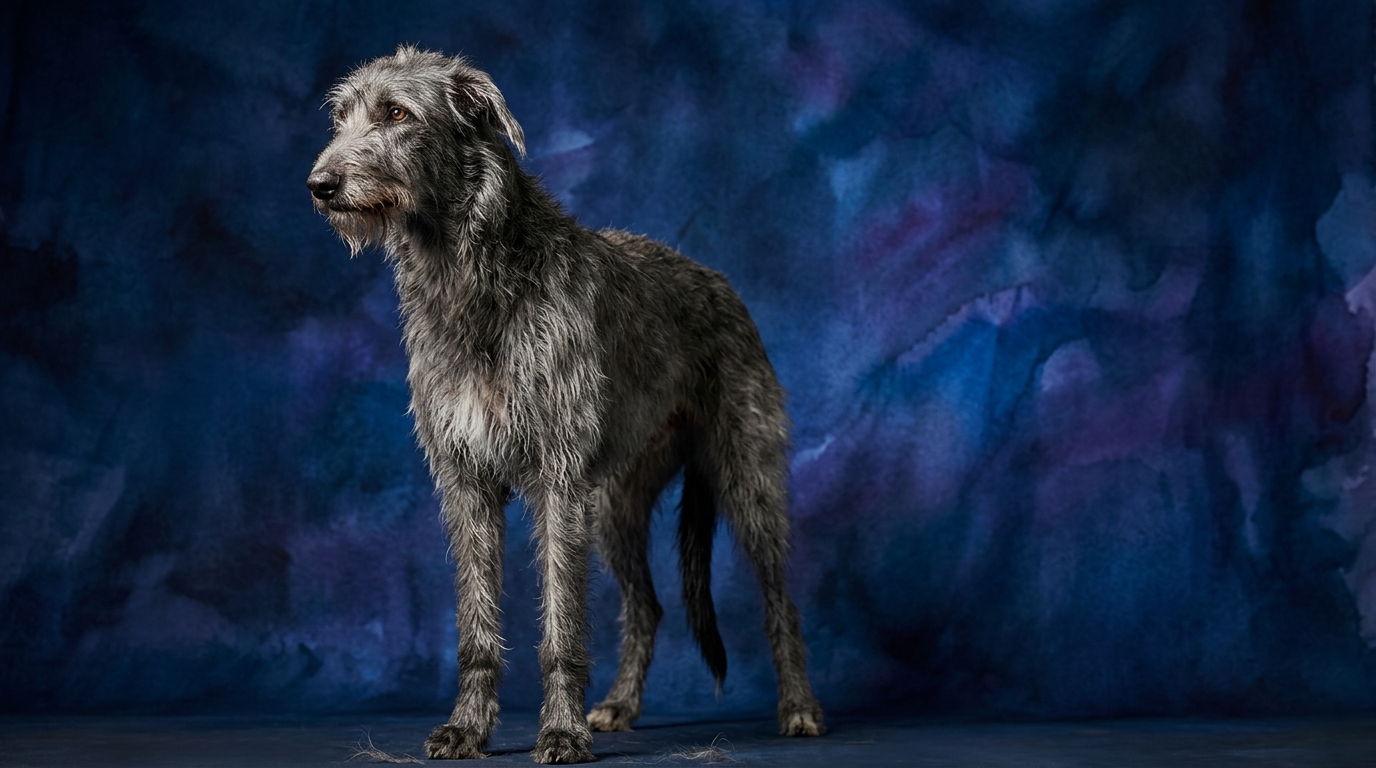
For the **Scottish Deerhound**, a majestic sighthound, their problem-solving (3/5) is less about intricate puzzles and more about swift, independent decision-making in pursuit. They excel at visually tracking fast-moving objects, navigating complex terrain at speed, and strategizing the most efficient path to intercept prey, relying heavily on their keen eyesight and physical prowess. Their training speed (3/5) reflects an ability to grasp commands efficiently, but their independent nature means compliance can be selective, especially if a compelling visual stimulus or personal inclination takes precedence. Social intelligence (3/5) in a Deerhound is deeply rooted in their bond with their immediate family, showing sensitivity to household routines and emotional cues, though they might be reserved or aloof with strangers, indicating a focused social sphere. Their instinctive drive (3/5) is overwhelmingly visual; the powerful urge to chase anything that moves is their defining mental characteristic, overriding other considerations once activated. Memory (3/5) for a Deerhound is strong for spatial layouts, routines, and past experiences, particularly those related to their hunting instincts or preferred comforts within their environment.
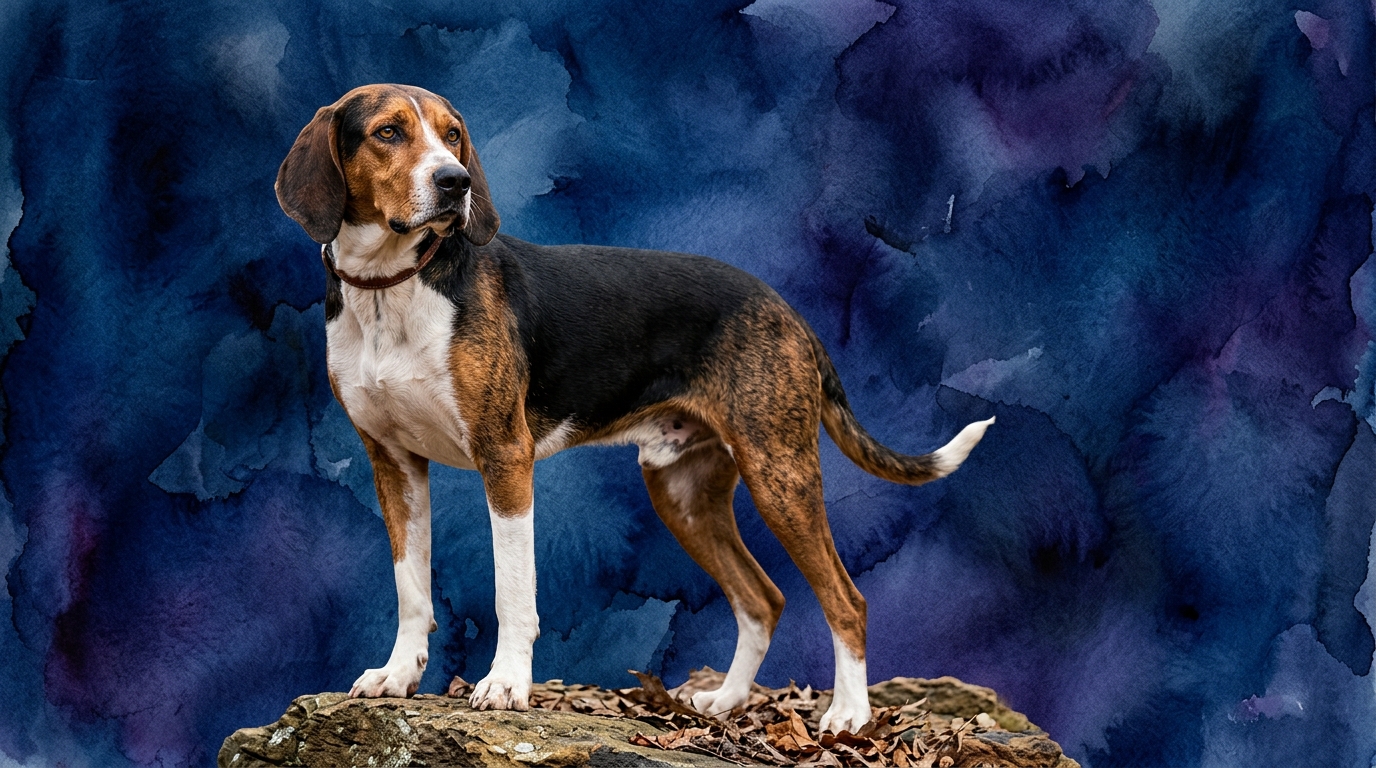
The **Treeing Walker Coonhound**, a vigorous scent hound, expresses its problem-solving (3/5) primarily through its phenomenal nose. They demonstrate remarkable tenacity in deciphering intricate, often cold, scent trails, navigating obstacles, and strategizing how to 'tree' their quarry. This involves complex cognitive mapping based on olfactory information, a persistent, methodical approach to an invisible challenge. Their training speed (3/5) is generally good, as they are often eager to please and food-motivated, learning basic obedience commands readily. However, their formidable scent drive can make recall in an open environment a significant challenge, as their nose often dictates their priorities. Social intelligence (3/5) for a Coonhound is typically outgoing and cooperative, thriving on companionship and often working effectively in packs. They communicate expressively through a range of vocalizations and body language, showcasing their collaborative nature. Their instinctive drive (3/5) is centered on following a scent and treeing prey, a persistent, vocal, and highly focused pursuit that can consume their entire attention. Memory (3/5) in a Coonhound is exceptional for scent trails, recalling specific paths and the presence of prey. They also remember routines and bond with their people, but their olfactory memory is paramount and often takes precedence outdoors.
Where the Scottish Deerhound Wins Cognitively
The Scottish Deerhound's cognitive strengths lie in their ability to make rapid, independent judgments based on visual information and spatial awareness. When faced with an open field and a moving object, a Deerhound's problem-solving (3/5) manifests as an immediate, fluid strategy for interception, calculating speed and trajectory without needing explicit direction. This contrasts with a Coonhound's methodical, ground-based approach. Their social intelligence, while not broadly gregarious, allows for a quiet, nuanced understanding of their immediate human family, often anticipating needs or reacting to subtle shifts in household atmosphere with a dignified calm. This independent yet sensitive nature means they can often self-entertain and settle quietly, demonstrating a cognitive self-sufficiency that some other breeds lack. Their memory (3/5) is particularly sharp for visual landmarks and the layout of familiar environments, allowing them to navigate large, open spaces with an elegant confidence.
Where the Treeing Walker Coonhound Wins Cognitively
The Treeing Walker Coonhound's cognitive edge is undeniably rooted in their extraordinary olfactory processing and sustained focus. Their problem-solving (3/5) excels in decoding complex scent puzzles, following a trail through diverse environments, and persistently working to locate a hidden source. This requires an intricate mental mapping of scent information and an unwavering dedication to a task that is invisible to human senses. Their social intelligence (3/5) shines in their cooperative nature, making them adept at working alongside a human handler or other dogs in a hunting scenario, communicating their findings vocally and clearly. This collaborative spirit, paired with their persistent memory for scent, allows them to pick up a trail hours later or navigate back to a starting point using only their nose. Their powerful instinctive drive (3/5) is not easily deterred, making them unmatched in tasks requiring long-duration, single-minded dedication to a sensory input.
Training: Navigating Independence vs. Instinct
When it comes to training speed (3/5), both breeds present distinct challenges and rewards. The Scottish Deerhound, with its sighthound independence, can be described as a 'thinking dog' that might weigh whether a command is worth executing if a more interesting visual stimulus or personal agenda arises. They comprehend commands quickly but their application can be selective. Training a Deerhound requires patience, consistency, and a deep understanding of their dignified yet often self-directed nature. Positive reinforcement works best, emphasizing calm, clear communication to build a bond of trust and respect, rather than expecting immediate, unthinking compliance. Their training is often a dance between gentle guidance and respecting their innate autonomy.
The Treeing Walker Coonhound, while also scoring a 3/5 in training speed, often appears more eager to please and is typically highly food-motivated, which can make initial obedience training progress seem faster. However, their powerful instinctive drive (3/5) to follow a scent is a formidable counter-force. Once a compelling scent is detected, their focus can become singularly devoted to the trail, making recall or attention to human commands incredibly difficult, even for a well-trained dog. Their vocal nature also requires specific training to manage their baying. Therefore, while they may learn basic commands quickly, achieving reliable off-leash obedience or silencing their vocalizations in stimulating environments often requires more intensive, consistent, and specialized training to manage their powerful natural instincts.
Lifestyle Match: Active Engagement vs. Dignified Calm
Understanding the cognitive profiles helps determine which breed aligns with different owner lifestyles. The Scottish Deerhound, despite its size and need for impressive bursts of speed, is generally a calm and relaxed companion indoors. They suit owners who appreciate a dignified presence at home and can provide access to large, secure, fenced areas for vigorous, short-duration sprints, or long, leisurely leashed walks. Their cognitive engagement is often satisfied by observing their surroundings, short periods of intense play, and quiet companionship. They are not dogs that demand constant high-intensity interaction but benefit from a predictable routine and a calm household where their independent nature is respected. Owners who understand and enjoy the subtle communication of a more reserved yet deeply bonded dog will find a Deerhound a wonderful fit.
The Treeing Walker Coonhound, in contrast, requires a more actively engaging lifestyle. Their powerful instinctive drive (3/5) and problem-solving (3/5) via scent demand consistent outlets. They thrive with owners who are committed to providing ample mental and physical exercise that engages their nose and body. This could include long hikes, scent work, or participation in dog sports that channel their natural abilities. They are generally more 'on' and require direct engagement to prevent boredom and destructive behaviors. Owners who enjoy an enthusiastic, vocal, and persistent companion, and are prepared for consistent training to manage their formidable drive, will find the Coonhound a rewarding partner. Their social intelligence (3/5) means they genuinely enjoy being part of family activities and can become deeply attached, often expressing their joy and needs vocally.
The Verdict: When to Choose Each Hound
The Verdict
Choose the Scottish Deerhound if you seek a regal, gentle companion who values quiet companionship, requires bursts of intense exercise in secure areas, and whose independent spirit you can admire and respect.
Opt for the Treeing Walker Coonhound if you lead an active lifestyle, thrive on engaging a dog with a powerful nose and voice, and are prepared for consistent training to channel their enthusiastic, persistent, and often vocal pursuit drive.
🧠 Find Your Pet's IQ Score
Our Pet IQ Lab assessment covers 25+ tests across 5 cognitive dimensions — personalized to your breed.
Take the Full IQ Test →Frequently Asked Questions
Are Scottish Deerhounds good apartment dogs?
Generally, no. While they are calm indoors, their substantial size and need for short, intense sprints mean they require ample space and regular access to large, secure outdoor areas to truly thrive.
Do Treeing Walker Coonhounds bark a lot?
Yes, they are known for their distinctive baying, particularly when on a scent trail or when excited. This vocal nature is a key characteristic and requires early training and consideration for neighbors.
Can either breed be trusted off-leash?
Both breeds possess strong hunting instincts that make off-leash reliability challenging, especially in unfenced areas. Deerhounds react powerfully to sight, Coonhounds to scent; both can be difficult to recall once their primary drive is engaged.