Side-by-Side Cognitive Profile: Terriers and Hounds
The Cosmic Pet Pet IQ Lab assesses canine intelligence across five key dimensions, offering a nuanced view beyond a single 'smartness' metric. For both the Scottish Terrier and the Irish Wolfhound, the data presents a consistent 3/5 rating across all categories, suggesting a balanced, capable intellect rather than extreme highs or lows in any single area. This uniformity, however, belies distinct expressions of these cognitive traits shaped by their breed type and historical roles.
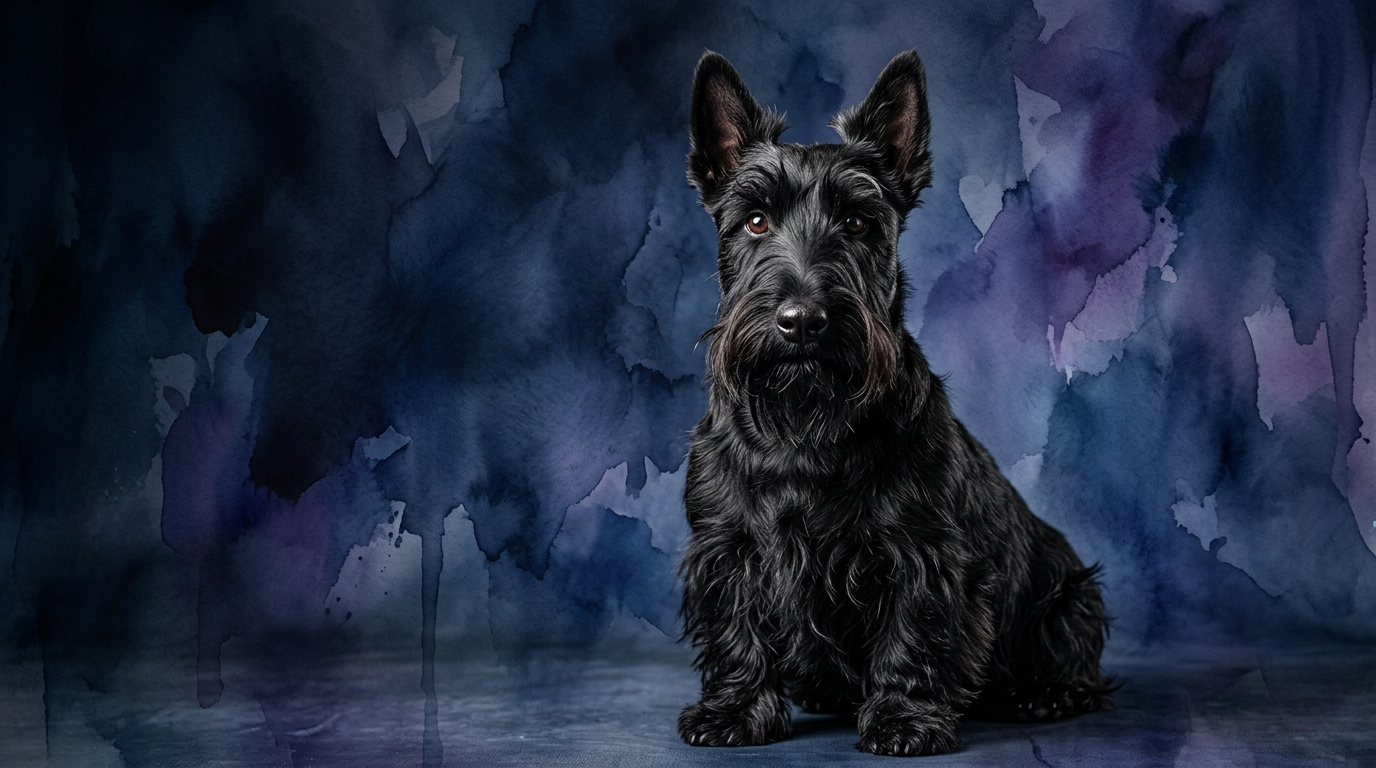
The Scottish Terrier, a member of the tenacious Terrier group, exhibits a Problem Solving score of 3/5, which manifests in their persistent, often independent approach to overcoming obstacles, particularly those related to their prey drive, like figuring out how to access a hidden toy. Their Training Speed, also 3/5, indicates they are receptive to learning but require consistent, engaging methods to capture their focused attention, as their independent streak can make them selective learners. Social Intelligence at 3/5 for the Scottie often means they are discerning in their affections, forming deep bonds with their immediate family while being more reserved with strangers. Their Instinctive Drive, rated 3/5, is powerfully geared towards hunting and digging, requiring outlets for these natural behaviors. Finally, their Memory at 3/5 allows them to retain commands and routines effectively, though they may selectively 'forget' if a more compelling instinct takes over.
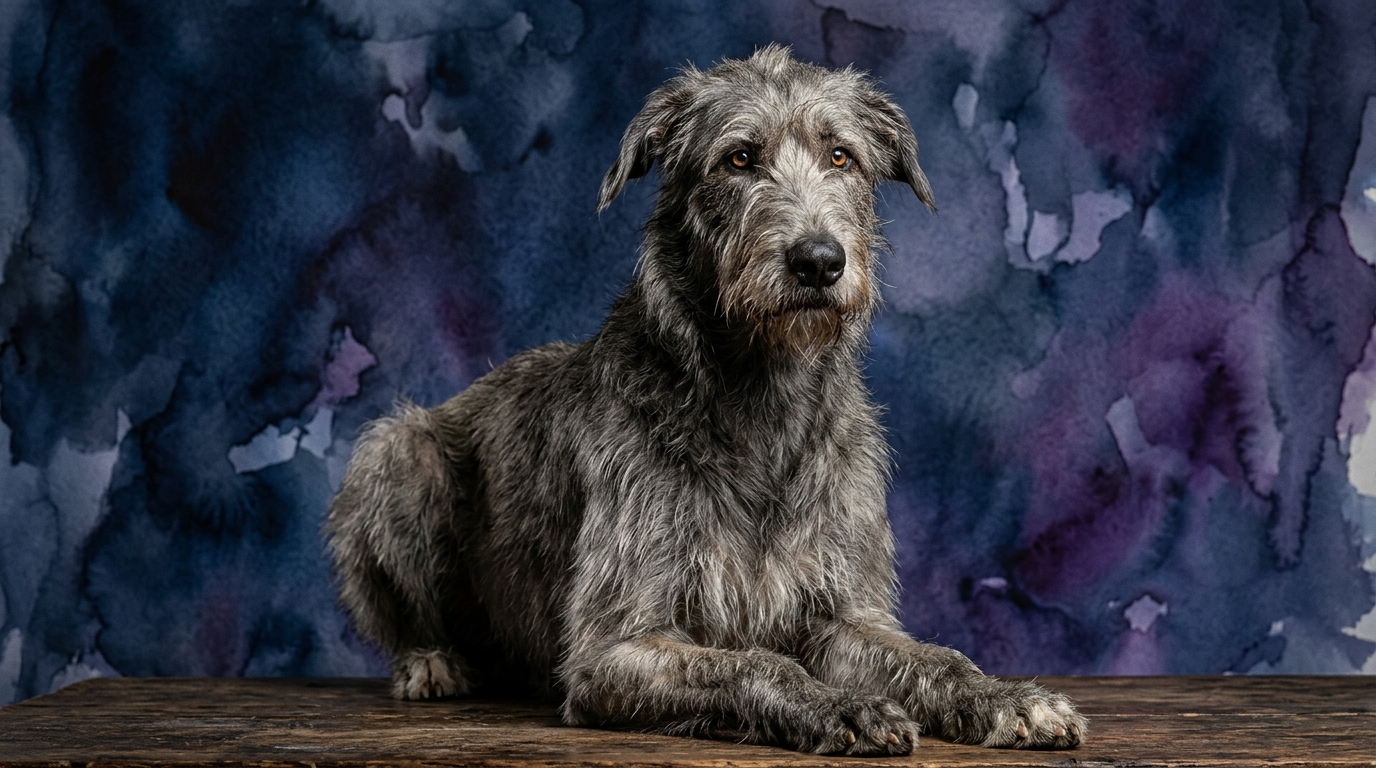
The Irish Wolfhound, a dignified Sighthound, also registers 3/5 for Problem Solving, but this often appears as a calm, considered approach, perhaps surveying an environment before deciding on a path or navigating complex spatial challenges with grace. Their Training Speed of 3/5 suggests they are capable of learning at a moderate pace, thriving with gentle, positive reinforcement that respects their sensitive nature, rather than forceful methods. Social Intelligence at 3/5 for the Wolfhound typically translates to a remarkably gentle and tolerant demeanor with their family, often displaying a quiet empathy, while being generally amiable but not overly effusive with new acquaintances. Their Instinctive Drive, also 3/5, is rooted in their sighthound heritage for pursuit, manifesting as a keen visual awareness and bursts of speed in open spaces, rather than persistent digging or vocalization. Their Memory, likewise 3/5, enables them to remember family members, routines, and past experiences, contributing to their generally placid and predictable household presence.
Where the Scottish Terrier Cognitively Excels
Despite identical numerical scores, the Scottish Terrier's 3/5 in Problem Solving often shines in scenarios demanding tenacity and independent thought within a confined or focused task. Their terrier heritage means they excel at persistent exploration and figuring out how to manipulate objects to achieve a goal, such as dismantling a puzzle toy or locating a hidden treat by digging. This specific application of their problem-solving intellect makes them adept at tasks requiring sustained focus on a single objective, often driven by their keen investigative nature. Their 3/5 Instinctive Drive, when channeled appropriately, translates into an unwavering determination that can be a cognitive asset, allowing them to follow through on a task even when faced with minor setbacks, a trait that can be leveraged in scent work or agility challenges where perseverance is key.
Where the Irish Wolfhound Cognitively Excels
The Irish Wolfhound’s cognitive strengths, while also rated 3/5, lean towards a calm, discerning intelligence, particularly in social contexts and spatial awareness. Their 3/5 Social Intelligence is often expressed through a profound gentleness and an almost intuitive understanding of human emotions, making them exceptionally empathetic family companions who respond well to subtle cues and quiet companionship. This nuanced social awareness allows them to navigate household dynamics with remarkable grace and patience, especially with children or other pets. Furthermore, their Problem Solving at 3/5 can manifest as excellent spatial reasoning and a methodical approach to navigating large environments, reflecting their history as independent hunters who needed to assess vast landscapes quickly and efficiently. Their memory (3/5) supports their calm temperament by allowing them to quickly learn and adhere to household rules and routines, contributing to their reputation as gentle giants indoors.
Training Dynamics: Scottie's Tenacity vs. Wolfhound's Sensitivity
While both breeds hold a 3/5 rating for Training Speed, the practical application of training differs significantly due to their inherent temperaments. The Scottish Terrier's independent spirit and strong instinctive drives mean that training, though achievable, often requires a handler who can be more creative, consistent, and patient in making training feel like a game rather than a chore. They are intelligent enough to understand commands but may choose to obey only if they perceive a worthwhile incentive or if the command aligns with their current interest, making clear, firm, and positive reinforcement crucial to overcome their occasional stubbornness. Their 3/5 training speed is less about an inability to learn and more about a strong will that needs to be effectively guided.
Conversely, the Irish Wolfhound, despite its imposing size, is a sensitive and gentle breed, meaning their 3/5 Training Speed is best met with a soft touch and abundant positive reinforcement. Harsh corrections can easily shut down a Wolfhound, making them withdrawn or resistant. They are eager to please their loved ones and respond well to calm, consistent methods that build trust and confidence. Their intelligence allows them to grasp concepts, but their relatively low instinctive drive for obedience compared to some working breeds means motivation must stem from a strong bond and gentle encouragement. Effective training for a Wolfhound emphasizes building a strong, respectful relationship, leveraging their inherent desire for companionship rather than relying on strict compliance.
Lifestyle Fit: Energetic Explorer vs. Gentle Companion
When considering an active versus relaxed owner, the distinctions between these two breeds become clearer, despite their similar IQ scores. The Scottish Terrier, though small, is an energetic and spirited dog that thrives with owners who enjoy regular, engaging outdoor activities and mental stimulation. Their 3/5 Instinctive Drive and Problem Solving capabilities mean they need consistent outlets for their curiosity and terrier-specific behaviors like digging and chasing. Owners who appreciate a dog with a robust personality that enjoys exploring and engaging in varied activities, from brisk walks to puzzle toys, will find a suitable companion in the Scottie. They are not content to be solely lapdogs and require their minds and bodies to be regularly challenged to prevent boredom and potential mischievousness.
The Irish Wolfhound, by contrast, suits a more relaxed lifestyle, despite their need for occasional bursts of intense exercise. While they require ample space to stretch their long legs and benefit from daily walks or secure off-leash running opportunities, they are famously calm and placid indoors, often content to lounge near their family. Their gentle 3/5 Social Intelligence and balanced overall temperament make them excellent companions for owners who appreciate a quiet, loving presence in the home. They are not typically high-energy dogs that demand constant activity, making them well-suited for families who enjoy a calm household environment but can commit to providing those necessary periods of robust exercise in a safe, expansive area. Their quiet demeanor and affectionate nature make them ideal for owners seeking a gentle giant rather than a perpetually busy companion.
The Verdict
Choose the Scottish Terrier if you appreciate a spirited, tenacious companion who offers focused problem-solving and an independent streak, thriving with an owner dedicated to engaging their curious mind and active body.
Opt for the Irish Wolfhound if you seek a gentle, empathetic giant known for its calm demeanor and nuanced social intelligence, ideal for owners who can provide space for their occasional sprints and enjoy a serene, affectionate presence at home.
🧠 Find Your Pet's IQ Score
Our Pet IQ Lab assessment covers 25+ tests across 5 cognitive dimensions — personalized to your breed.
Take the Full IQ Test →Frequently Asked Questions
Are Scottish Terriers easy to train?
Scottish Terriers are capable learners with a 3/5 training speed, but their independent nature means consistent, positive, and engaging methods are essential. They respond best when training feels like a rewarding game, rather than a strict imposition.
Do Irish Wolfhounds need a lot of exercise?
Irish Wolfhounds require daily walks and opportunities for secure, off-leash running to stretch their long legs, reflecting their 3/5 instinctive drive for pursuit. However, they are generally calm indoors and not hyperactive, making them suitable for owners who appreciate a relaxed home environment alongside dedicated exercise time.
Which breed is better with children?
Both breeds can be good with children, but the Irish Wolfhound's 3/5 social intelligence often translates into a remarkably patient and gentle demeanor, making them very tolerant. Scottish Terriers, with their more robust and independent personalities, may require closer supervision with very young children due to their spirited nature, though they form strong bonds with family.