The Shared 3/5: A Deeper Look at Cognitive Dimensions
For the Scottish Terrier, a 3/5 in problem-solving often manifests as persistent, methodical engagement with a challenge. They might meticulously work at figuring out how to access a restricted area, dismantle a puzzle toy through sheer determination, or follow a scent trail with unwavering focus, driven by their terrier instincts to overcome obstacles. In contrast, the Miniature Pinscher's 3/5 problem-solving frequently involves more strategic, often socially-oriented approaches; they might quickly learn to open cabinets, manipulate their owners for treats or attention, or devise clever ways to navigate complex indoor environments to achieve a desired outcome, showcasing a quick wit directed at immediate gratification.
A Scottish Terrier's 3/5 training speed indicates they are capable of learning commands and routines, but their independent nature means they often require consistent, patient reinforcement and compelling motivation. They absorb information steadily, yet their willingness to execute a command can depend on their perception of its value or their current mood, making their obedience more a matter of choice than immediate compliance. The Miniature Pinscher, also at 3/5, typically picks up new commands and tricks with surprising quickness, demonstrating a sharp initial grasp; however, their training can be hampered by a tendency towards distraction, a short attention span, or a streak of stubbornness if they become bored or unmotivated, requiring varied and engaging methods to maintain their focus.
The Scottish Terrier's 3/5 social intelligence means they are discerning and selective, forming deep, unwavering bonds with their chosen family members. They are adept at reading the subtle cues and emotional states of their inner circle, often anticipating needs or reacting to moods with quiet understanding, though they tend to be reserved and wary with strangers, not easily offering their trust. The Miniature Pinscher’s 3/5 social intelligence is characterized by an acute awareness of their surroundings and the dynamics within their household; they are quick to pick up on shifts in mood, new arrivals, or potential threats, often using their alertness to act as a vigilant "watchdog" or strategically engage with people to achieve their aims, demonstrating a more outwardly expressive social nature.
A Scottish Terrier's 3/5 instinctive drive is deeply rooted in their heritage as vermin hunters, manifesting as a strong prey drive, an insatiable urge to dig, and a tenacious pursuit of perceived quarry. These instincts are powerful motivators that guide much of their independent behavior, requiring owners to understand and manage these innate urges. For the Miniature Pinscher, a 3/5 instinctive drive often translates into a pronounced guarding instinct, a confident and sometimes territorial nature, and a tendency to patrol their domain. They possess a "big dog in a small body" mentality, driven by an inherent desire to protect their space and family, often expressed through alert barking and bold posturing.
Both breeds, with a 3/5 in memory, demonstrate a solid capacity to recall routines, commands, and familiar individuals over time. A Scottish Terrier's memory is robust for established patterns and important past experiences, contributing to their consistent character and adherence to preferred schedules. The Miniature Pinscher's memory is equally reliable for recalling learned behaviors and social interactions, allowing them to remember who offers treats, where favorite toys are stored, or which people are part of their accepted circle, contributing to their adaptability and ability to learn from past encounters.
Where the Scottish Terrier's Grit Shines Cognitively
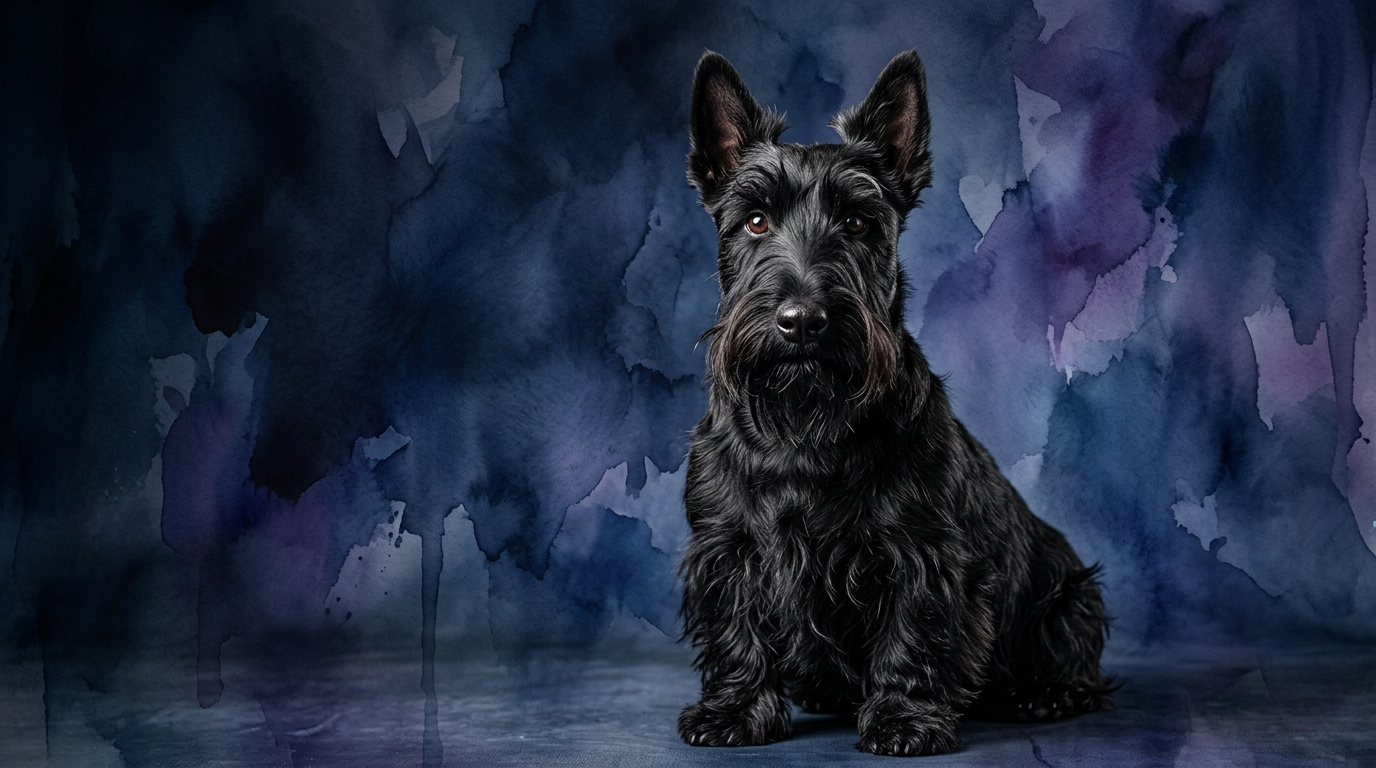
The Scottish Terrier, with its Coren rank of #65, possesses a cognitive profile that underscores its capacity for independent thought and unwavering resolve. This ranking, reflecting a general working and obedience intelligence, hints at a breed that, while not always instantly compliant, is certainly capable of complex learning and application when properly motivated. Their cognitive strength lies in their tenacity and ability to focus intently on a task, particularly those involving their strong instinctive drives. A Scottie excels at problem-solving that requires sustained effort and a certain stubbornness, whether it's methodically digging to unearth a hidden object or navigating a complex scent trail. Their discerning social intelligence means they are not easily swayed, but once they grant their loyalty, they become incredibly attuned to their chosen family's subtle cues and emotional states, demonstrating a profound, if selective, understanding of human companionship. This deep connection, combined with their resilient nature, makes them exceptionally capable of handling changes or challenges within their established routine with a steady, unflappable demeanor, relying on their memory for consistency and their own internal logic.
Where the Miniature Pinscher's Zest Takes the Lead
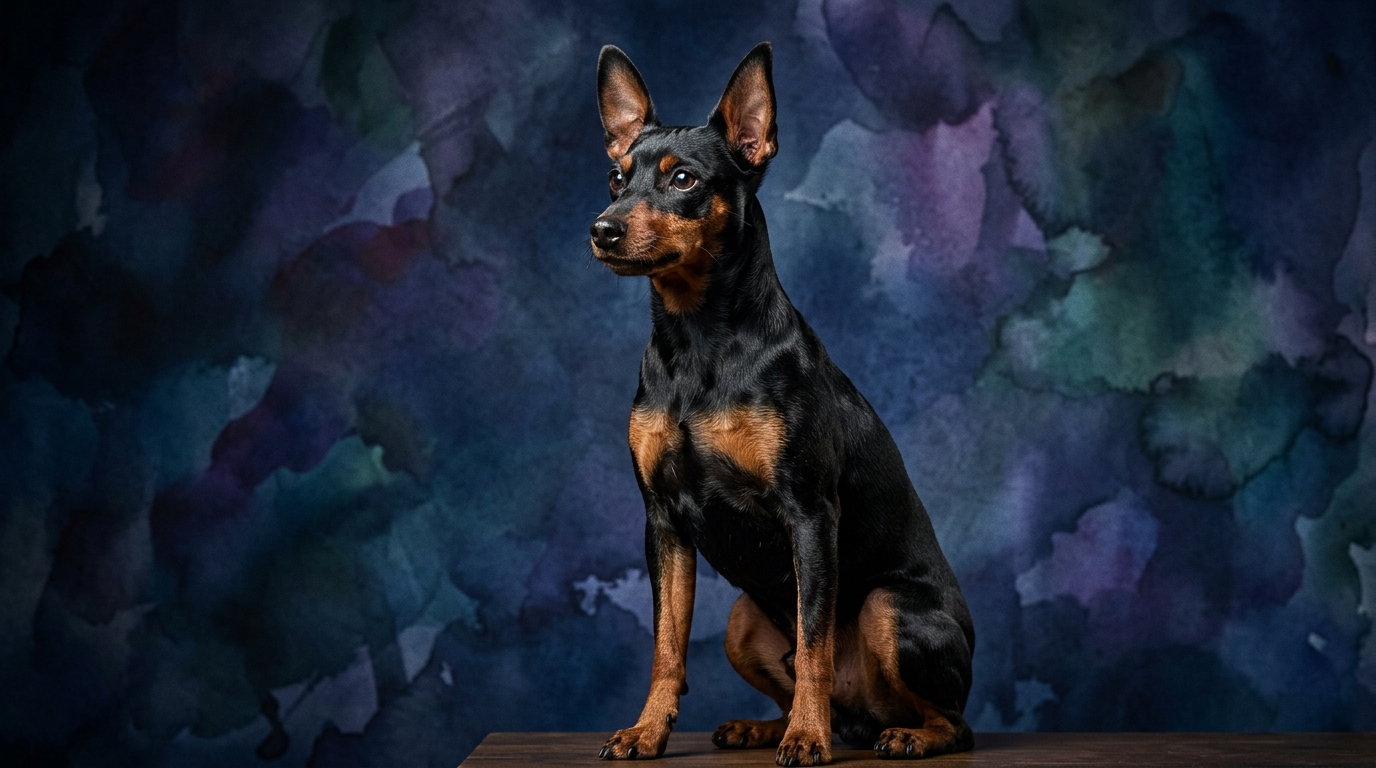
The Miniature Pinscher, while not featured on Coren's ranking, exhibits a distinct set of cognitive strengths that set them apart. Their quick wit and vibrant personality translate into a rapid ability to assess new situations and adapt with surprising agility. Their problem-solving, while also 3/5, is often characterized by cunning and speed, allowing them to quickly figure out how to get what they want, whether it’s manipulating a door handle or charming an owner into providing an extra treat. This breed’s social intelligence, though numerically similar to the Scottie's, manifests as a highly observant and often vocal awareness of their surroundings. They are masters at picking up on subtle shifts in household dynamics, visitors' intentions, or potential environmental changes, making them excellent, if sometimes boisterous, sentinels. Their confidence, often described as a "big dog in a small body," fuels a bold exploratory drive and a readiness to engage with the world, making them quick learners in dynamic environments and adept at navigating social intricacies to their advantage. Their memory serves them well in recalling which behaviors yield rewards and which people are most amenable to their charms, contributing to their resourceful nature.
Training Dynamics: Independence vs. Distraction
Training a Scottish Terrier, despite their 3/5 training speed, requires a profound understanding of their independent and self-assured nature. They are certainly capable of learning a wide array of commands and routines, but their execution is often a matter of their personal discretion rather than immediate, eager compliance. Owners must employ consistent, patient positive reinforcement, making training sessions engaging and rewarding to tap into their methodical approach to learning. The challenge isn't typically in their ability to understand, but in motivating them to perform consistently when their independent spirit suggests other priorities. In contrast, the Miniature Pinscher, also rated 3/5 for training speed, often grasps new concepts and commands with remarkable speed and enthusiasm. However, their training journey can be marked by challenges related to their short attention span, a tendency towards distraction by exciting stimuli, or outright stubbornness if they perceive the task as boring or unrewarding. Successful training for a Min Pin involves keeping sessions short, varied, and highly engaging, utilizing high-value rewards and making the process feel like a fun game to maintain their focus and enthusiasm, mitigating their potential for selective hearing.
Lifestyle Match: Tenacious Companion vs. Spirited Dynamo
When considering lifestyle, the cognitive and behavioral traits of these two breeds guide their suitability for different types of owners. The Scottish Terrier, with its deep-seated loyalty and independent streak, is often a better match for owners who appreciate a discerning companion and a predictable routine. While they require regular exercise and mental stimulation, they are not typically demanding of constant, high-intensity activity. Their problem-solving abilities thrive on consistent challenges and a secure environment where they can explore their instincts, such as supervised digging or scent work. They are often content to observe and participate on their own terms, making them suitable for more relaxed households that value a steadfast presence over a ceaselessly active one. Conversely, the Miniature Pinscher, a spirited dynamo with boundless energy and a quick wit, thrives with active owners who can provide ample mental and physical engagement. Their rapid learning and desire for interaction make them excellent candidates for dog sports like agility, trick training, or obedience. They need consistent mental stimulation to prevent boredom, which can lead to inventive, though sometimes mischievous, problem-solving. Owners who enjoy frequent adventures, engaging in interactive play, and providing consistent training will find the Min Pin's zest for life incredibly rewarding, as they thrive on being a constant, energetic participant in household activities.
The Verdict
Choose the Scottish Terrier if you appreciate a discerning, independent companion with deep loyalty and a tenacious approach to life's puzzles, valuing a dog that forms profound, albeit selective, bonds. Their steady demeanor suits those seeking a steadfast presence.
Opt for the Miniature Pinscher if you seek a vibrant, quick-witted dynamo who thrives on constant engagement, mental challenges, and offers an alert, confident presence in a compact package. Their zest for life aligns with active, interactive households.
🧠 Find Your Pet's IQ Score
Our Pet IQ Lab assessment covers 25+ tests across 5 cognitive dimensions — personalized to your breed.
Take the Full IQ Test →Frequently Asked Questions
Do Scottish Terriers or Miniature Pinschers learn new tricks faster?
While both score 3/5 in training speed, Miniature Pinschers often grasp new concepts and tricks more rapidly due to their quick wit and desire to please for rewards. Scottish Terriers learn steadily but may require more consistent motivation and patience due to their independent nature and selective compliance.
Which breed is better at problem-solving in a home environment?
Both score 3/5, but their problem-solving styles differ. Scottish Terriers excel at practical, persistent challenges like figuring out how to access a forbidden area or retrieve a hidden toy through methodical effort. Miniature Pinschers often apply their problem-solving to social dynamics, figuring out how to get attention or manipulate situations to their advantage with speed and cunning.
How do their social intelligence scores of 3/5 manifest differently?
A Scottish Terrier's social intelligence is often expressed through deep, discerning loyalty to their family, reading their chosen humans' cues with precision while being reserved with strangers. A Miniature Pinscher's 3/5 social intelligence manifests as acute environmental awareness, quickly picking up on household moods and social shifts, often using this alertness to guard or interact strategically and boldly.