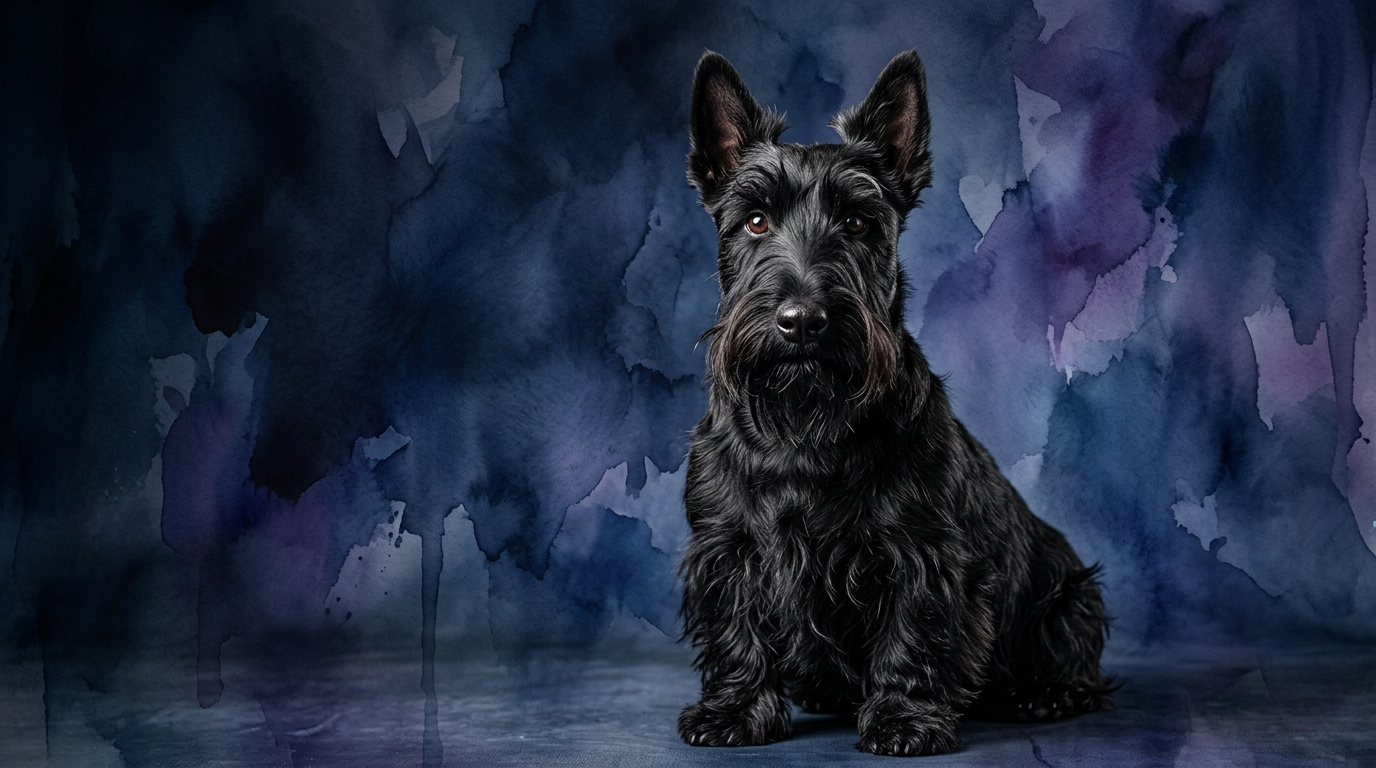
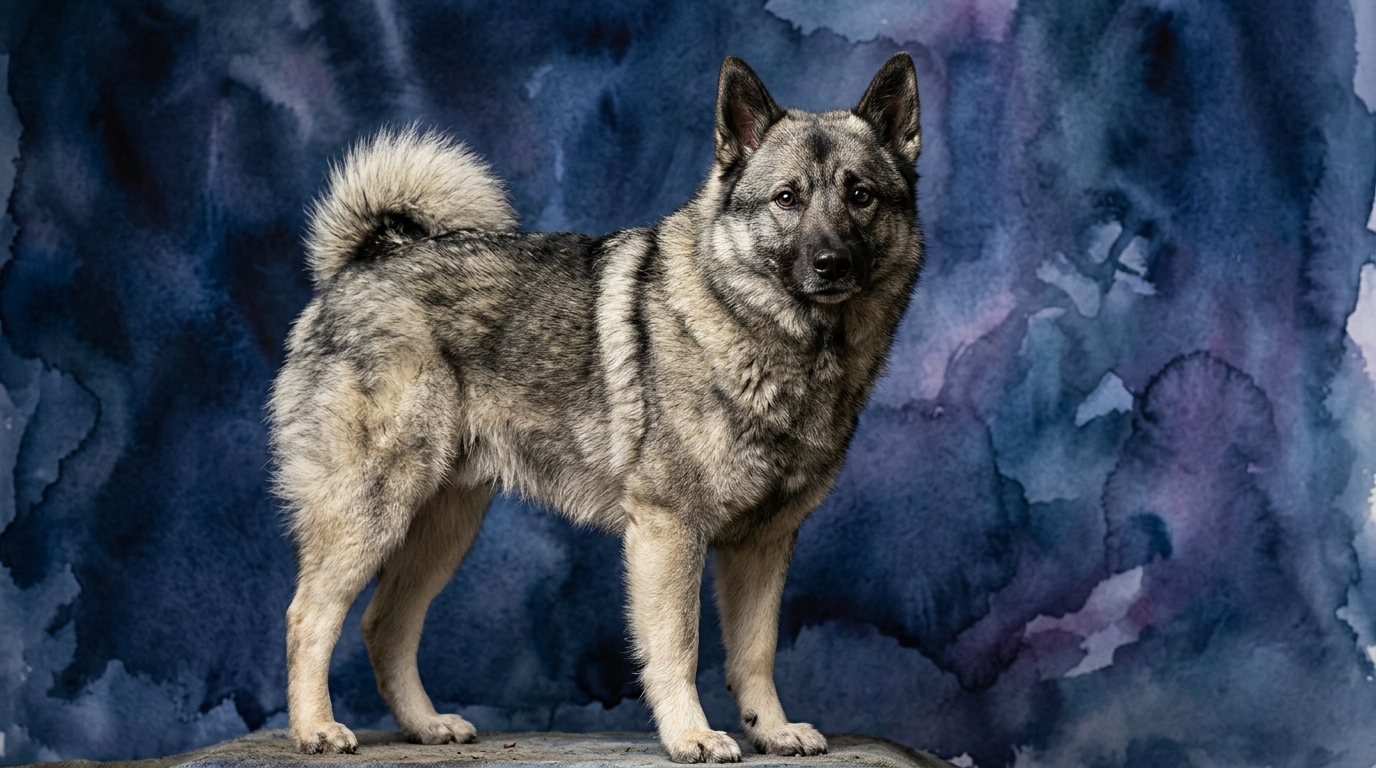
Side-by-Side IQ Profile: Scottie vs. Elkhound
The Cosmic Pet Pet IQ Lab employs a multi-dimensional approach to evaluating canine intelligence, moving beyond simple obedience scores to understand the nuanced cognitive capabilities of each breed. For the Scottish Terrier, Coren ranks them at #65, indicating a respectable but often independent working intelligence. Their Problem Solving is rated 3/5, suggesting they excel at specific, terrier-centric challenges but may not always apply those skills broadly or readily to novel, non-instinctive puzzles. Training Speed also stands at 3/5, reflecting their independent nature and a tendency to prioritize their own agenda over immediate compliance. Social Intelligence is 3/5, meaning they can form strong bonds and understand human cues but might not be as overtly people-pleasing as some other breeds. Their Instinctive Drive is 3/5, channeled strongly into hunting and tracking small prey, a core part of their historical role. Memory, at 3/5, supports their ability to learn routines and recall specific tasks relevant to their purpose, but perhaps without the rapid retention seen in breeds built for complex, multi-stage commands.
In contrast, the Norwegian Elkhound, with a Coren ranking of #36, demonstrates a more adaptable and generally responsive cognitive profile. Their Problem Solving is rated 4/5, indicating a strong capacity to analyze new situations and devise effective strategies, a crucial skill for tracking and baying big game in varied terrains. Training Speed also scores 4/5, signifying a quicker grasp of new commands and a greater willingness to engage in structured learning, often driven by their desire to work cooperatively. Social Intelligence is 3/5, mirroring the Scottie in its capacity for connection but perhaps with a more reserved initial approach. Instinctive Drive, also 3/5, is powerfully directed towards hunting and guarding, requiring outlets for these deep-seated urges. Memory, at 4/5, allows them to retain a vast repertoire of learned behaviors and spatial information, critical for navigating complex environments and remembering intricate scent trails over long distances.
Where the Scottish Terrier Cognitively Excels
While the Elkhound generally shows higher scores in several dimensions, the Scottish Terrier possesses a unique cognitive tenacity that makes them exceptional in their own right. Their 3/5 in Problem Solving, though not the highest, is highly specialized and incredibly effective for their original purpose. Scotties demonstrate a relentless, single-minded focus when pursuing a task they deem important, particularly anything involving digging, scent work, or 'ridding the world' of small vermin. This isn't about solving a complex logic puzzle for a treat; it's about persistent, methodical effort to achieve a deeply ingrained goal. Their problem-solving is less about abstract reasoning and more about an unwavering commitment to a tangible, instinct-driven objective, often involving impressive physical determination to overcome obstacles.
Furthermore, the Scottie's 3/5 for Training Speed, while suggesting a slower uptake, is often a reflection of their independent spirit rather than a lack of capacity. They are thinkers, not simply followers, and their 'stubbornness' can be reinterpreted as a strong sense of self and an ability to make their own decisions. This independence fosters a resilient cognitive framework, enabling them to work autonomously in challenging situations without constant human direction. Their 3/5 in Memory supports this, as they can recall specific, successful strategies for their independent pursuits, cementing their effectiveness as earthdogs. They remember what works for *them*, even if it doesn't align perfectly with human expectations, making them uniquely resourceful within their niche.
Where the Norwegian Elkhound Cognitively Dominates
The Norwegian Elkhound's cognitive strengths lie in their adaptability, impressive recall, and strategic problem-solving, all essential for a breed tasked with tracking and holding large game. Their 4/5 in Problem Solving is particularly noteworthy, reflecting an ability to navigate complex scent trails, assess environmental cues, and adapt their approach dynamically during a hunt. This isn't just brute force; it's an intelligent, analytical approach to a moving, evolving challenge. They can process multiple sensory inputs simultaneously and make quick, effective decisions, which translates to a dog that can figure out new routines or puzzle toys with greater ease and less frustration than many other breeds.
The Elkhound's superior 4/5 in Training Speed highlights their cooperative nature and eagerness to form a working partnership. While independent, they are generally more receptive to human instruction and positive reinforcement, quickly associating commands with actions and rewards. This faster learning curve makes them highly trainable for a variety of tasks beyond their traditional hunting role, from advanced obedience to agility. Coupled with their 4/5 in Memory, they can retain a larger vocabulary of commands and remember intricate routes, making them reliable partners in activities that require consistent performance and recall over time. This robust memory also aids in their impressive navigational skills, allowing them to remember territories and scent patterns with precision.
Training Dynamics: Elkhound’s Responsiveness vs. Scottie’s Resolve
When it comes to training, the practical differences between these two breeds become quite apparent, largely stemming from their Coren rankings and individual IQ scores. The Norwegian Elkhound, with its 4/5 Training Speed and 4/5 Memory, generally presents an easier and more rewarding training experience for the average owner. They tend to be more responsive to commands, quicker to understand new concepts, and more inclined to please their human companions. Their hunting heritage often means they are accustomed to working in tandem with a handler, making them more amenable to structured lessons and consistent reinforcement. While they possess an independent streak, it is often channeled into their work rather than outright defiance, allowing for a smoother, more efficient learning process, especially for complex sequences or advanced skills.
Conversely, the Scottish Terrier, with a 3/5 in both Training Speed and Memory, can be more challenging to train, requiring a patient, consistent, and creative approach. Their independent nature and strong instinctive drives mean they are not inherently motivated by pleasing their owner in the same way an Elkhound might be. A Scottie often needs to understand 'what's in it for them' or perceive the command as serving their own, perhaps terrier-centric, agenda. They are not 'slow' learners in the sense of cognitive capacity, but rather 'selective' learners. Their strong-willed personality means repetitive drilling can be counterproductive; instead, engaging their problem-solving skills with varied tasks and positive reinforcement that appeals to their prey drive or desire for mental engagement yields better results. This breed requires an owner who appreciates their resolute character and can turn training into a game they want to win, rather than a chore.
Matching Lifestyles: Active Explorers vs. Spirited Companions
Choosing between a Scottish Terrier and a Norwegian Elkhound also involves aligning their inherent energy levels and cognitive needs with an owner's lifestyle. The Norwegian Elkhound, with its history as a robust hunting dog, thrives with active owners who can provide ample physical exercise and mental stimulation. Their 4/5 Problem Solving and 4/5 Memory mean they genuinely enjoy engaging in activities that challenge their minds and bodies, such as long hikes, scent work, agility, or even canine sports. They are excellent companions for adventurers, campers, or individuals who enjoy daily, vigorous outdoor activities. A relaxed, sedentary owner might find an Elkhound's unmet needs manifest as boredom or destructive behaviors, as their strong instinctive drive requires a consistent outlet.
The Scottish Terrier, while energetic and spirited, generally suits owners with a different kind of activity profile. Their 3/5 Instinctive Drive is focused and intense, often satisfied by shorter bursts of high-intensity play, vigorous walks, or engaging in 'terrier work' such as digging in a designated area or puzzle toys that mimic hunting. They can adapt to a more relaxed home environment, provided their need for mental engagement and a good 'scent session' is met regularly. While they enjoy walks, they aren't typically candidates for marathon running partners. They suit owners who appreciate a dog with a strong personality and independent streak, who can offer consistent, engaging interaction rather than just endless physical exertion. They are excellent for those who enjoy training with a puzzle-solving mindset and appreciate a dog that can be a spirited, yet often content, indoor companion after their mental and physical needs are met.
The Verdict
Choose the Scottish Terrier if you appreciate a dog with resolute independence, a sharp wit, and a tenacious spirit, and are prepared for a consistent, engaging approach to training that respects their self-assured nature.
Opt for the Norwegian Elkhound if you seek a cooperative, responsive working partner for an active lifestyle, valuing a dog with superior problem-solving abilities and impressive memory for complex tasks and outdoor adventures.
🧠 Find Your Pet's IQ Score
Our Pet IQ Lab assessment covers 25+ tests across 5 cognitive dimensions — personalized to your breed.
Take the Full IQ Test →Frequently Asked Questions
Are Scottish Terriers truly stubborn, or is it a misunderstanding of their intelligence?
Scottish Terriers often display what appears as stubbornness, but it's more accurately described as a strong independent streak and a selective approach to tasks. Their 3/5 Training Speed reflects this; they are capable learners but prefer to engage when the activity aligns with their internal motivations or perceived benefits, rather than simply obeying for obedience's sake. Understanding their unique cognitive framework helps in tailoring effective training methods.
Do Norwegian Elkhounds require extensive mental stimulation, beyond physical exercise?
Yes, Norwegian Elkhounds, with their 4/5 Problem Solving and 4/5 Memory, thrive on mental stimulation as much as physical activity. Their history as intelligent hunting dogs means they enjoy tasks that engage their minds, such as puzzle toys, scent work, advanced obedience, or learning new tricks. Providing varied mental challenges prevents boredom and channels their cognitive strengths constructively.
Which breed is better for first-time dog owners?
For first-time dog owners seeking a generally easier training experience and a more overtly cooperative companion, the Norwegian Elkhound might be a more suitable choice. Their 4/5 Training Speed and cooperative nature can make the learning curve smoother. The Scottish Terrier's independent spirit and slower training speed (3/5) often require more experience, patience, and a nuanced understanding of canine behavior to manage effectively.