Unpacking Cognitive Traits: A Side-by-Side IQ Profile
At first glance, the Cosmic Pet Pet IQ Lab's assessment reveals a curious parity: both the Scottish Terrier and the Scottish Deerhound score a consistent 3 out of 5 across all five cognitive dimensions – problem solving, training speed, social intelligence, instinctive drive, and memory. This shared numerical rating, however, belies a profound divergence in how these capabilities manifest within each breed's unique behavioral framework. A '3' here signifies a solid, functional level of cognition, perfectly adapted to their original working purposes, rather than a middle-of-the-road mediocrity; the true insight comes from understanding the specific flavors of their mental prowess.
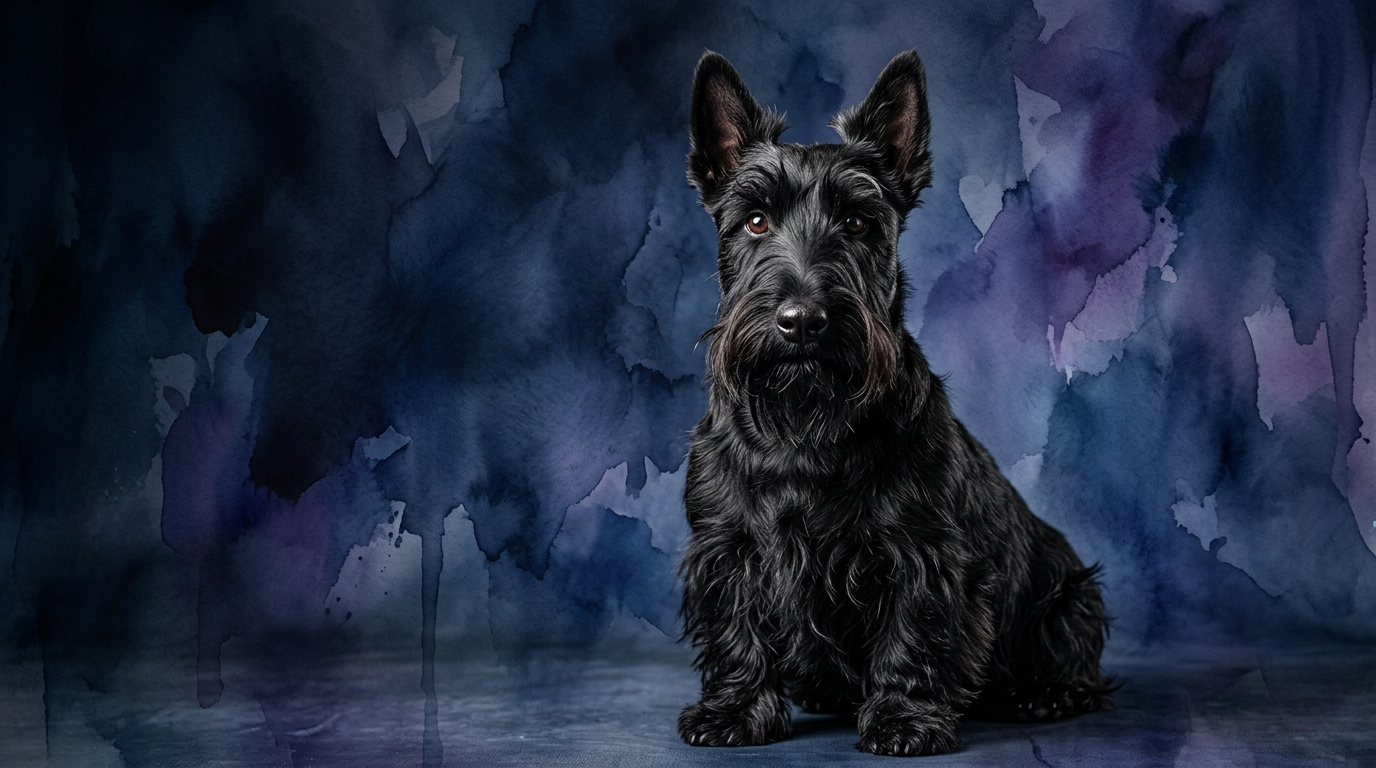
For the Scottish Terrier, a Coren rank #65 breed, these scores reflect a mind geared for independent, persistent action. Their Problem Solving at 3/5 is expressed through a tenacious focus on navigating confined spaces, outsmarting small prey, or finding ways to achieve a self-determined goal, often involving digging or maneuvering obstacles with singular determination. Training Speed, also 3/5, indicates they are capable learners, but their strong will means they process commands through a filter of 'what's in it for me?' or 'is this more interesting than my current pursuit?'. Their Social Intelligence, a 3/5, involves keenly observing human cues to inform their own decisions, often leading to selective affection rather than eager compliance. An Instinctive Drive of 3/5 is foundational, directing their focus intensely towards hunting, digging, and territorial defense, which in turn shapes their problem-solving strategies. Finally, their Memory at 3/5 is excellent for routines, locations of interest (like prime digging spots), and remembering specific experiences that were either rewarding or frustrating.
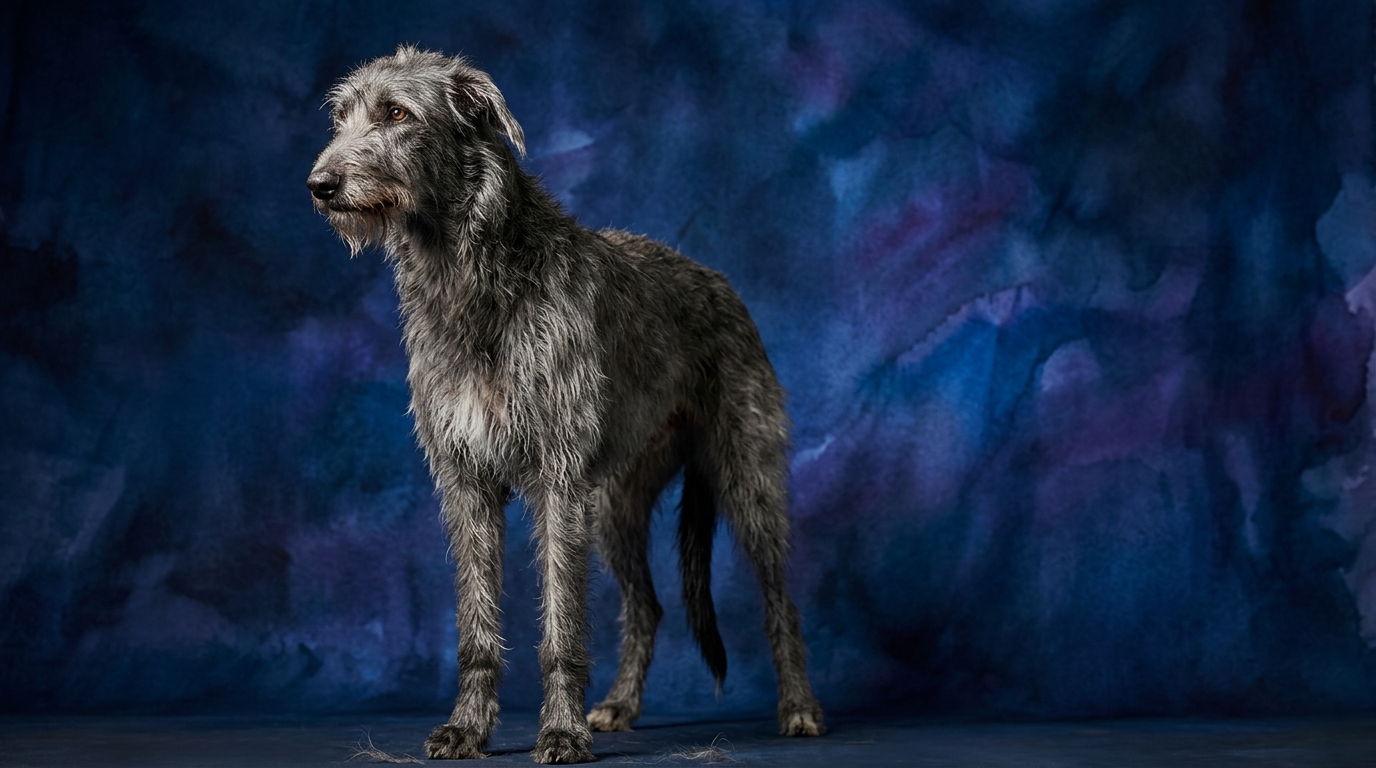
The Scottish Deerhound, while not Coren-ranked, also exhibits a 3/5 across the board, but with a different cognitive emphasis. Their Problem Solving at 3/5 is centered on dynamic spatial reasoning: assessing open terrain, calculating pursuit paths for fast-moving targets, and navigating complex environments at speed. This isn't about intricate manipulation but about rapid environmental analysis. Training Speed at 3/5 means they can absorb new information quickly, especially with positive reinforcement, but their sensitivity and strong visual drive can make them easily distracted by movement or overwhelmed by harsh methods. Their Social Intelligence, also 3/5, speaks to a gentle, perceptive nature; they are highly attuned to the emotional states of their human companions, forming deep, quiet bonds. An Instinctive Drive of 3/5 is dominated by their powerful sighthound chase instinct, a primary cognitive directive that requires careful management in open spaces. Their Memory, a 3/5, is strong for remembering people, places, and experiences, particularly those associated with comfort, kindness, or thrilling outdoor pursuits.
Where the Scottish Terrier's Mind Shines Brightest
The Scottish Terrier truly excels in scenarios demanding resilient, independent problem-solving within defined parameters. Their cognitive strength lies in their ability to fixate on a goal and methodically work through obstacles, whether it's figuring out how to access a tantalizing scent under a bush or persistently 'digging' for a solution to a puzzle toy. This isn't about speed of learning a broad array of commands, but about the depth and tenacity of their focus when their instincts are engaged. Their 3/5 problem-solving score translates into a formidable mental fortitude, making them adept at tasks requiring sustained effort and a certain clever stubbornness.
Furthermore, the Scottish Terrier's selective social intelligence and memory prove to be cognitive assets in their own right. They possess a discerning ability to remember who provides what, who can be trusted, and which situations are most advantageous to their personal agenda. This means they're not easily fooled or swayed, and their loyalty, once earned, is deeply ingrained and based on a clear understanding of their human's character and reliability. Their memory for routines and specific environmental details makes them highly effective at navigating their home territory and remembering the precise locations of past 'discoveries' or perceived threats.
The Cognitive Strengths of the Scottish Deerhound
The Scottish Deerhound's cognitive brilliance lies in its sophisticated spatial awareness and visual processing capabilities. Their 3/5 problem-solving score, unlike the Terrier's, is geared towards dynamic environmental assessment—rapidly analyzing vast open spaces, calculating trajectories, and making split-second decisions during a high-speed chase. This involves an impressive ability to process visual stimuli and adapt their physical strategy in real-time, demonstrating a profound understanding of motion and distance. Their calm demeanor indoors belies a mind that can snap into intense focus when their sighthound instincts are activated.
Their social intelligence, also a 3/5, is marked by a deep capacity for empathy and emotional attunement. Scottish Deerhounds are highly perceptive of subtle changes in human mood and household atmosphere, responding with a quiet, comforting presence. This sensitivity allows them to form exceptionally strong, almost intuitive bonds with their families, thriving in environments of calm affection and consistent, gentle interaction. Their memory for positive experiences and gentle handling ensures they are responsive to kind leadership and remember those who offer them security and peace.
Training Dynamics: A Tale of Two Scottish Breeds
When it comes to training, the Scottish Terrier's 3/5 training speed is heavily influenced by their independent thought process and strong self-will. They are capable of learning a wide range of commands, but their compliance is often conditional on whether they perceive value in the interaction or if it aligns with their current desires. Training a Scottie requires immense patience, consistency, and a creative approach that makes learning feel like an engaging game or a challenge they choose to overcome, rather than a direct command. Positive reinforcement is non-negotiable, as harsh methods will only result in resistance. Expect them to test boundaries and occasionally choose their own path, a manifestation of their problem-solving mind at work.
The Scottish Deerhound's 3/5 training speed is characterized by a different set of considerations. They are sensitive dogs who respond best to gentle, positive reinforcement and clear, consistent communication. They learn quickly when motivated by praise and treats, but their attention can be easily diverted by visual stimuli, such as a distant moving object, which instantly triggers their powerful instinctive drive. Harsh corrections can be detrimental, leading to a shutdown or reluctance to engage. Building a trusting relationship is paramount, as their memory for negative experiences can make them hesitant to participate in future training if they feel pressured or misunderstood. Their training success hinges on understanding their sighthound nature and nurturing their sensitive, responsive spirit.
Aligning Canine Cognition with Owner Lifestyles
For the Scottish Terrier, an owner who suits their cognitive profile is one who appreciates a resilient, thinking companion. While not requiring hours of strenuous physical activity, their minds demand engagement. Owners who enjoy puzzle toys, scent work, and varied, consistent training sessions that challenge their problem-solving abilities will find a rewarding partnership. They thrive with owners who understand their independent streak and can channel their instinctive drives into appropriate outlets, like earth dog trials or structured digging areas, rather than trying to suppress their inherent terrier nature. They are active in short bursts and need mental stimulation to prevent boredom-related behaviors.
The Scottish Deerhound, in contrast, thrives with owners who can provide ample space for their impressive physical bursts, balanced with a calm, peaceful home environment. While they are often described as 'couch potatoes' indoors, their cognitive makeup necessitates large, fenced areas where they can safely express their powerful sighthound chase drive. Mentally, they prefer a serene household and gentle, consistent interaction, rather than constant complex puzzles or high-pressure training. Owners who appreciate a quiet, observant companion capable of deep emotional bonds will find the Deerhound's perceptive and gentle nature a perfect fit. They require an owner who understands their need for both exhilarating sprints and extended periods of restful companionship.
The Verdict
Choose a Scottish Terrier if you appreciate a resilient, independent thinker who thrives on solving tangible problems and offers selective, loyal companionship with a distinct personality.
Opt for a Scottish Deerhound if you seek a gentle, perceptive companion who forms deep bonds and requires ample space for their impressive physical bursts, balanced with calm, observant indoor living.
🧠 Find Your Pet's IQ Score
Our Pet IQ Lab assessment covers 25+ tests across 5 cognitive dimensions — personalized to your breed.
Take the Full IQ Test →Frequently Asked Questions
Are Scottish Terriers easy to house train?
Scottish Terriers can be particular about their potty habits due to their independent nature and strong preferences. Consistent routines, frequent outdoor access, and positive reinforcement are crucial for successful house training, as they often decide where and when they prefer to eliminate.
Do Scottish Deerhounds need a lot of mental stimulation?
Scottish Deerhounds benefit from a calm, predictable environment and gentle interaction rather than constant complex mental challenges. Their mental stimulation often comes from observing their surroundings, forming deep social bonds, and the occasional exhilarating chase in a safe, open area.
Which breed is better with children?
The Scottish Deerhound's gentle, tolerant, and calm nature often makes them a suitable companion for respectful children, especially those who understand their need for quiet. Scottish Terriers can be more reserved and may prefer older, quieter children who understand their boundaries and independent personality.