Side-by-Side IQ Profile: Shetland Sheepdog vs. Akita
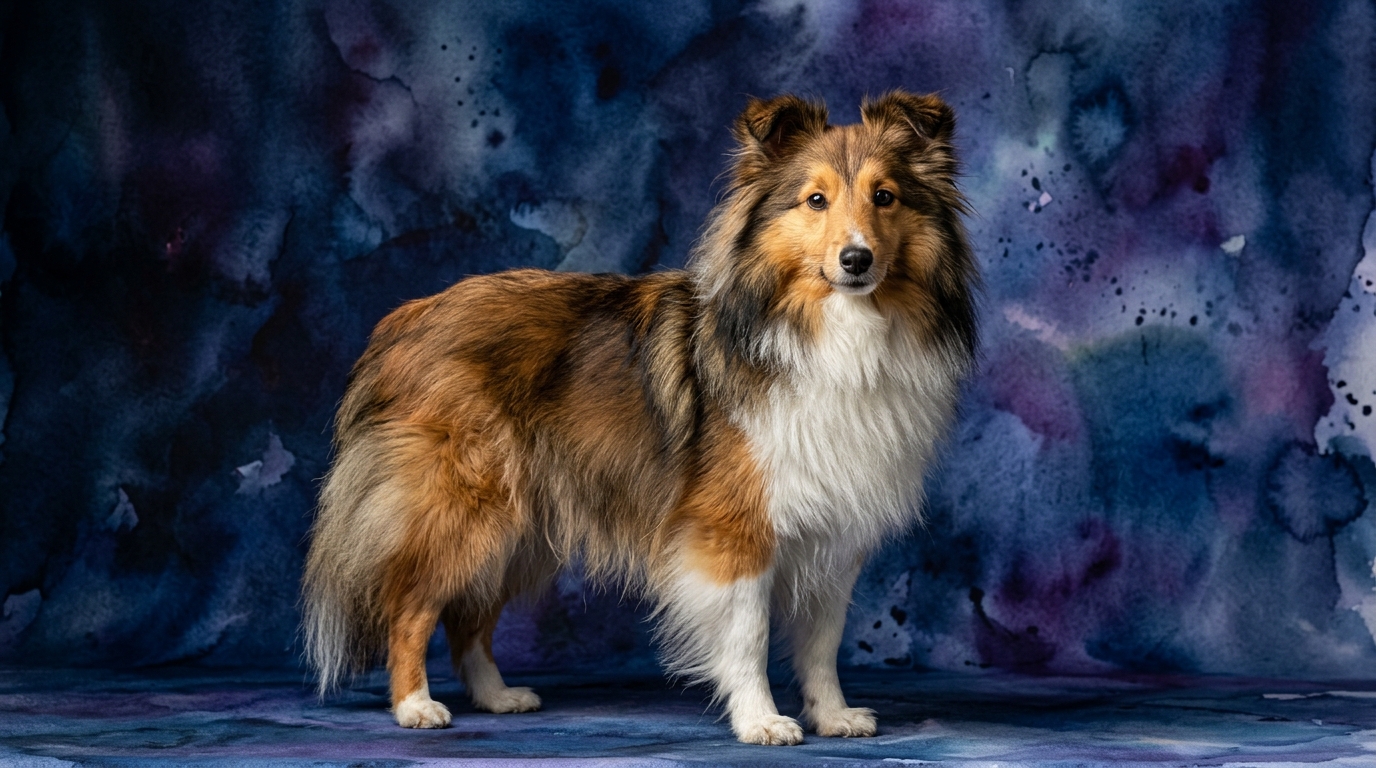
The Shetland Sheepdog, a canine intellect ranked #6 by Dr. Stanley Coren, showcases a remarkable aptitude across the board. Its problem-solving skills rate a solid 4/5, indicating a quick ability to navigate new challenges and adapt. Where the Sheltie truly shines is its training speed, earning a perfect 5/5; these dogs absorb new commands with impressive rapidity, eager to engage and learn. Social intelligence is also high at 4/5, meaning they are adept at interpreting human cues and intentions, fostering a deep partnership. An instinctive drive of 5/5 speaks to their strong herding lineage, channeling their energy into purposeful tasks, while their memory, also a 5/5, ensures long-term retention of learned behaviors and routines.
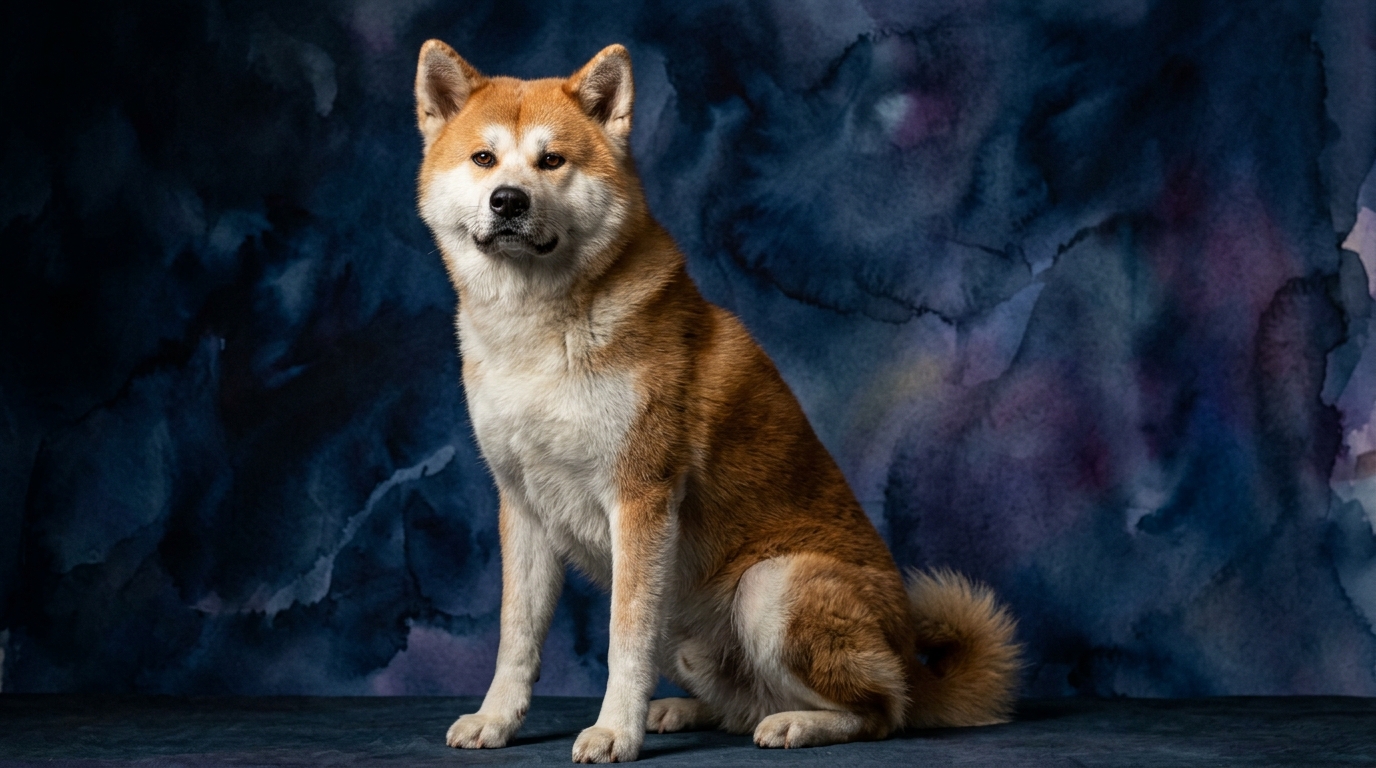
In contrast, the Akita, holding a Coren rank of #54, presents a cognitive profile geared towards independent action and steadfast loyalty. Its problem-solving ability is rated 3/5, suggesting a deliberate approach to new situations, often relying on careful assessment rather than impulsive action. The Akita’s training speed is 2/5, indicating that while capable of learning, they require more patience, repetition, and a clear understanding of their motivations. Social intelligence sits at 3/5; they are observant but often more reserved in their interactions, valuing respectful distance. Their instinctive drive, like the Sheltie's, is a commanding 5/5, manifesting as strong protective instincts and a historical aptitude for hunting. A memory rating of 4/5 means they retain information well, especially when it pertains to routines, boundaries, and those they consider their family.
Where the Shetland Sheepdog Wins Cognitively
When examining the raw cognitive scores, the Shetland Sheepdog clearly excels in several key areas. Its perfect 5/5 in training speed means a Sheltie will typically grasp new commands and complex sequences of actions much faster than an Akita. This rapid learning curve translates into an animal that is exceptionally receptive to instruction, making advanced obedience, agility, or trick training a more fluid and rewarding experience. Coupled with a superior 4/5 in problem-solving compared to the Akita’s 3/5, Shelties are often quicker to analyze novel situations and devise solutions, whether it’s figuring out a puzzle toy or navigating an unfamiliar environment. Their higher social intelligence (4/5 versus 3/5) also grants them a distinct advantage in understanding subtle human body language and vocal intonation, fostering a more intuitive partnership. Finally, a 5/5 memory score ensures that once a Sheltie learns something, it is deeply ingrained, leading to reliable, consistent performance over time, whereas an Akita’s 4/5 memory, while good, might require more reinforcement for less frequently practiced skills.
Where the Akita Wins Cognitively
While the Shetland Sheepdog's cognitive profile emphasizes responsiveness and adaptability, the Akita's strengths lie in a different sphere of intelligence, perfectly suited to its historical role. Both breeds share an impressive 5/5 instinctive drive, but for the Akita, this manifests as a profound sense of purpose and independent decision-making, particularly concerning protection and territoriality. This isn't a collaborative drive like herding, but rather a self-reliant one. While its problem-solving score is lower, the Akita's approach is often characterized by careful observation and a deliberate, rather than impulsive, method to assess threats or challenges. This thoughtful processing, combined with its strong memory (4/5), means an Akita is excellent at remembering established routines, boundaries, and who belongs where, making it a dependable guardian once its role is understood. Its social intelligence, though rated 3/5, allows it to form deep, discerning bonds, often exhibiting a quiet understanding of its family's emotional states without the overt expressiveness of a herding breed. The Akita's cognitive profile fosters a dog that makes considered judgments and operates with a strong internal compass, a valuable trait for roles requiring steadfastness rather than constant direction.
Which is Easier to Train and Why
Based on their respective training speed scores—a perfect 5/5 for the Shetland Sheepdog versus 2/5 for the Akita—the Sheltie is unequivocally the easier breed to train in a conventional sense. Shelties possess an inherent eagerness to please their handlers and a profound desire for engagement, making them highly motivated to learn new commands. Their high social intelligence means they quickly pick up on human cues, intentions, and even subtle shifts in tone or body language, allowing for seamless communication during training sessions. They thrive on positive reinforcement and readily offer behaviors they believe will earn praise or rewards. In contrast, the Akita's lower training speed reflects its independent and strong-willed nature. Akitas are not inherently driven to please in the same way; instead, they learn best when they perceive a clear purpose or benefit to the task. Training an Akita requires immense patience, unwavering consistency, and a deep understanding of their breed-specific motivations. They respond poorly to harsh methods and will often shut down or become resistant. While they can learn complex commands, the process is typically slower, requiring more repetition and a handler who can consistently demonstrate leadership without resorting to dominance.
Which Suits Active Owners vs. Relaxed Owners
The choice between a Shetland Sheepdog and an Akita also hinges significantly on an owner's lifestyle and activity level. The Sheltie, with its intense instinctive drive (5/5), high energy, and desire for mental engagement, is ideally suited for active owners. These dogs thrive on participation in dog sports like agility, obedience, flyball, or even herding trials. They require daily opportunities for vigorous exercise and mental stimulation to prevent boredom and channel their considerable intelligence constructively. An owner who enjoys outdoor activities, long walks, or dedicated training sessions will find a Sheltie to be an enthusiastic and tireless companion. Conversely, the Akita, while possessing a strong instinctive drive (5/5) for protection and hunting, often presents as a more relaxed presence indoors once their exercise needs are met. They require regular, purposeful exercise to maintain their physical and mental well-being, but they are not typically as demanding of constant interaction or high-octane activities as a Sheltie. An Akita owner needs to provide structured routines, secure outdoor spaces for exercise (given their prey drive), and appreciate a dog that is often more reserved and independent, valuing quiet companionship over constant boisterous play. They suit owners who value a majestic, loyal presence and can provide firm, consistent leadership without needing a dog to be constantly 'on the go'.
The Verdict
For those seeking a highly responsive, eager-to-please companion for active pursuits and rapid learning, the Shetland Sheepdog is the clear choice.
If you appreciate a dignified, independent guardian with a profound loyalty and are prepared for a more deliberate training approach, the Akita will be a steadfast partner.
🧠 Find Your Pet's IQ Score
Our Pet IQ Lab assessment covers 25+ tests across 5 cognitive dimensions — personalized to your breed.
Take the Full IQ Test →Frequently Asked Questions
Are Shetland Sheepdogs good family dogs?
Yes, Shetland Sheepdogs are generally excellent family dogs, known for their affectionate nature and patience with children. Their social intelligence helps them integrate well into family dynamics, though early socialization is always beneficial.
Do Akitas get along with other pets?
Akitas can be challenging with other pets due to their strong prey drive and potential for dog-on-dog aggression, especially with same-sex dogs. Careful, early socialization and strict supervision are crucial if integrating them into a multi-pet household.
How much exercise does a Shetland Sheepdog need daily?
Shetland Sheepdogs require a moderate to high amount of daily exercise, typically 60-90 minutes of active engagement, including walks, playtime, and mental challenges. Their herding background means they thrive on having a 'job' or purpose.