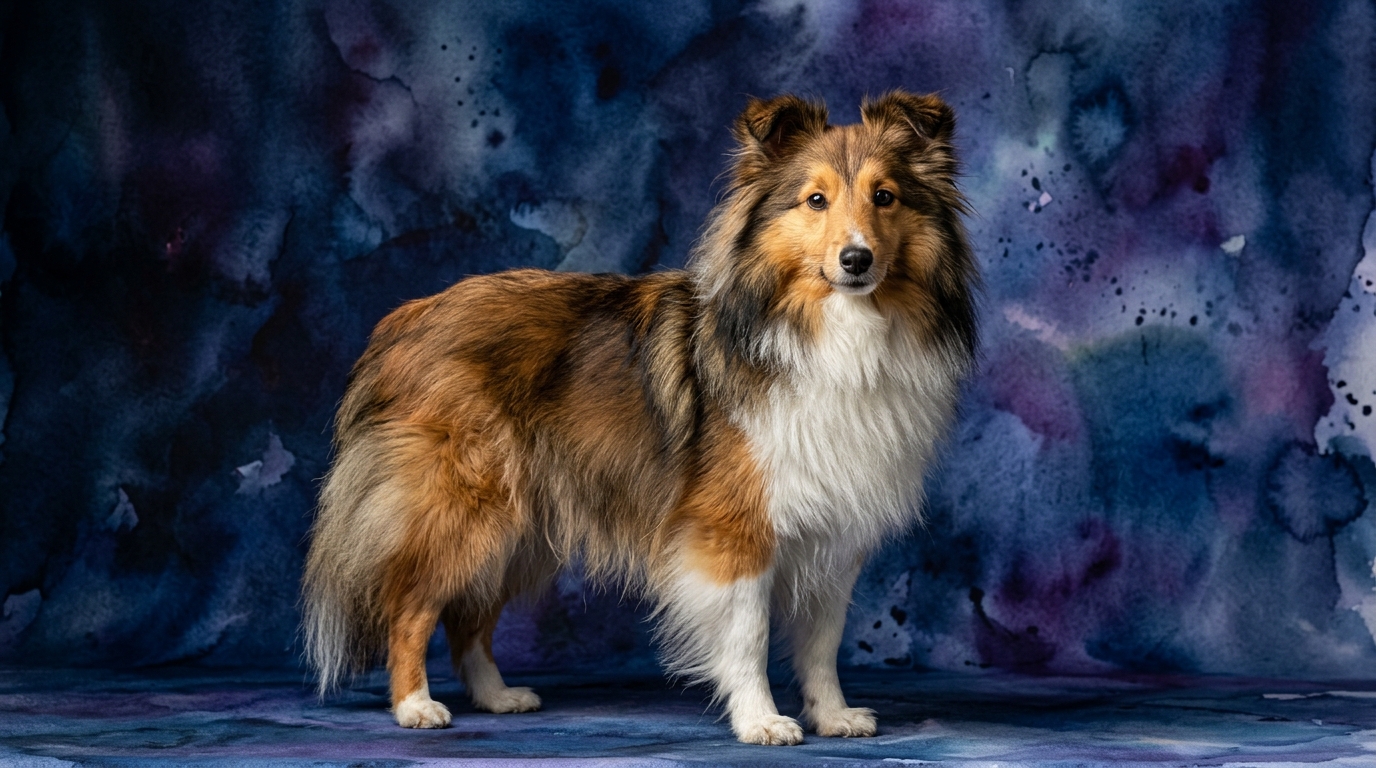
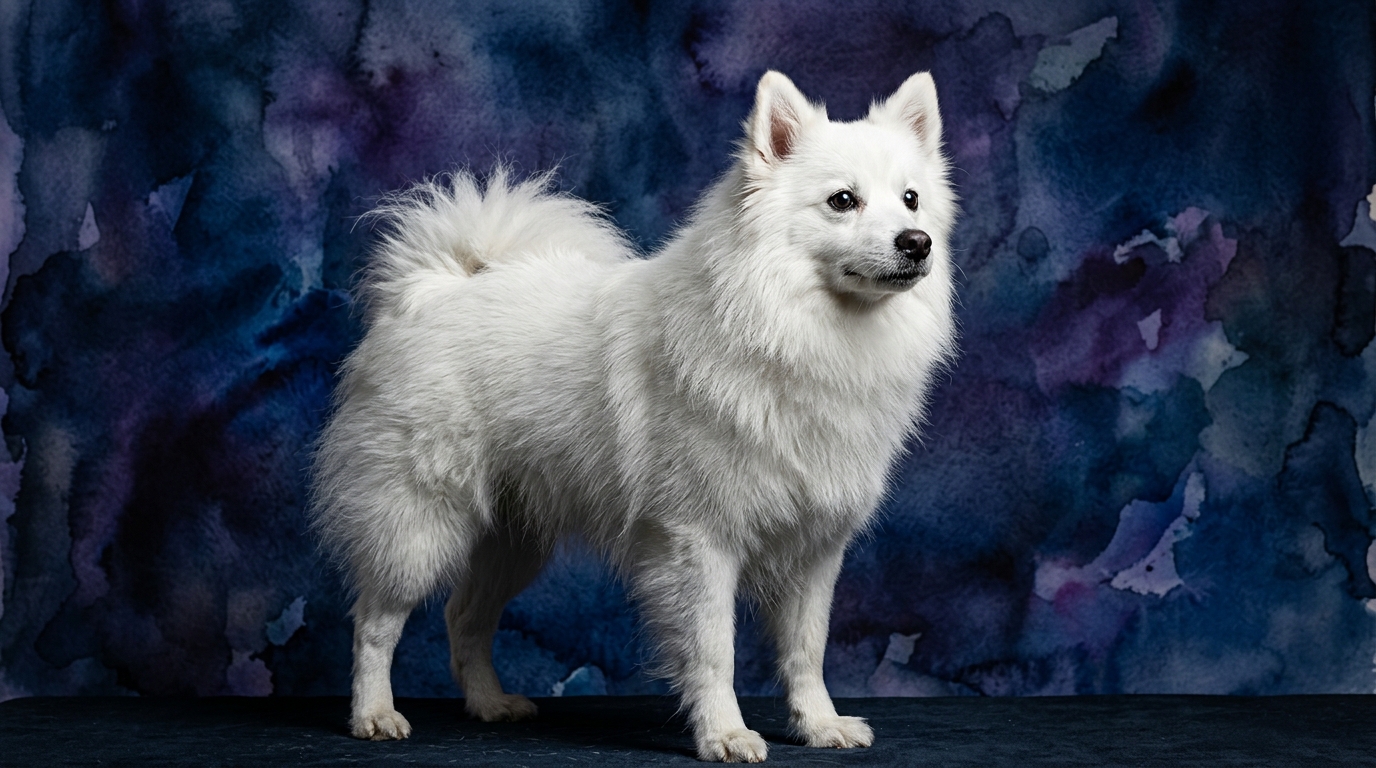
Side-by-Side IQ Profile: Shetland Sheepdog vs. American Eskimo Dog
**Shetland Sheepdog (Coren rank #6)**: This breed exhibits a cognitive profile optimized for complex, active work. Their **Problem Solving (4/5)** capacity means Shelties excel at independent thought and strategic action, often devising solutions to obstacles in their environment or in complex training scenarios, such as figuring out how to open a gate or retrieve a toy from an unusual spot. Their herding legacy means they can anticipate and react to changing situations, like redirecting livestock with subtle movements, making them adept at navigating intricate tasks and learning complex sequences. With a **Training Speed (5/5)**, Shelties process and retain new commands with exceptional rapidity, often requiring only a few repetitions to master a new behavior, whether it's a basic sit or a multi-step agility obstacle. Their eagerness to learn and strong desire to work cooperatively with their handlers contribute significantly to this swift acquisition of skills, making them a joy to teach. Their **Social Intelligence (4/5)** demonstrates a nuanced understanding of human cues and emotional states, allowing them to form deep, empathetic bonds and respond appropriately in various social interactions. They are attuned to their family's dynamics, often picking up on subtle shifts in mood, and can offer comfort or react with playful engagement as the situation warrants. Possessing a powerful, innate **Instinctive Drive (5/5)** to herd, Shelties channel this drive into various activities, from actual livestock management to dog sports like agility, rally, or even scent work, where their focus is intense. This strong internal motivation fuels their engagement and precision in structured activities, making them tireless workers when given a task. Finally, their **Memory (5/5)** for learned behaviors, commands, and even specific environmental layouts is outstanding. Shelties remember complex sequences and routines over long periods, such as an entire agility course or a series of tricks, making them reliable partners in advanced training and competitive events, even after a break from practice.
**American Eskimo Dog (Not Coren-ranked)**: The Eskie's cognitive makeup is characterized by a balanced and adaptable intelligence, well-suited for a companion role. Their **Problem Solving (3/5)** ability shows a moderate capacity to navigate novel situations and figure out solutions, often relying on learned associations or trial-and-error rather than complex independent strategizing. While they can overcome challenges like opening simple latches or finding hidden treats, they might require more guidance or repetition to master truly intricate puzzles compared to breeds with higher scores. Regarding **Training Speed (3/5)**, while capable of learning and often enthusiastic about it, American Eskimo Dogs typically require consistent repetition and patience to solidify new commands and behaviors. Their learning process is steady and reliable, but they may not grasp concepts as quickly as breeds specifically bred for rapid task acquisition, needing a few more sessions to achieve fluency. Their **Social Intelligence (3/5)** means Eskies are generally perceptive of human emotions and intentions, fostering good companion relationships within their family unit. They interact well in social settings, often showing a friendly curiosity, but may not exhibit the same depth of empathetic response or subtle cue interpretation as breeds with a higher social intelligence score, preferring straightforward interactions. Their **Instinctive Drive (3/5)** is characterized by an alert, watchful nature and a strong desire for companionship, rather than a strong specialized working instinct like herding or retrieving. This moderate drive allows them to be engaged in various family activities and enjoy playtime, but without the intense, singular focus on a specific purpose seen in some high-drive working breeds. Lastly, American Eskimo Dogs possess a functional **Memory (3/5)** for commands, routines, and familiar people or places, retaining information with regular reinforcement. While they remember what they've learned and can recall favorite toy locations, they may not retain intricate sequences or less frequently practiced behaviors with the same precision or longevity as breeds scoring higher in this dimension.
Where the Shetland Sheepdog Wins Cognitively
The Shetland Sheepdog's cognitive architecture is fundamentally geared towards intricate work and rapid response. Their superior problem-solving acumen, rated at 4/5, allows them to navigate complex environments, anticipate changes in livestock movement, and devise novel strategies in real-time. This isn't just about following commands; it's about independent, adaptive thinking. Coupled with a 5/5 in training speed and memory, Shelties absorb and retain information almost instantaneously, making them exceptional candidates for advanced obedience, agility, and even search and rescue. Their 5/5 instinctive drive translates into an intrinsic motivation for purpose-driven activity, meaning they proactively seek engagement and mental challenges, often outperforming in tasks requiring sustained focus and precision. This translates into a dog that not only learns quickly but actively enjoys the process of learning and working.
Where the American Eskimo Dog Wins Cognitively
While not possessing the specialized working intensity of the Sheltie, the American Eskimo Dog's cognitive profile, with consistent 3/5 scores across dimensions, presents a balanced and adaptable intelligence perfectly suited for companionship and general family life. Their moderate problem-solving allows them to adapt smoothly to household routines and learn appropriate behaviors without the constant need for complex mental tasks, making them less prone to overthinking or anxiety in less structured environments. The Eskie's 3/5 social intelligence fosters a strong, perceptive bond with their family, enabling them to be attentive and responsive companions without the potential for overwhelming emotional absorption seen in some high-drive breeds. Their instinctive drive, also 3/5, is channeled into watchfulness, engaging play, and a desire to be involved, making them alert guardians and joyful family members without requiring an outlet for a hyper-specific working purpose. This balanced cognitive makeup allows them to thrive in a broader range of domestic environments, proving resilient and content in varied living situations.
Which Is Easier to Train and Why
Without question, the Shetland Sheepdog presents a significantly easier training experience for most owners. Their 5/5 training speed means they grasp new concepts and commands with remarkable swiftness, often requiring only a handful of repetitions to solidify a behavior. This is further amplified by their 5/5 instinctive drive and a strong desire to please, making them highly receptive to instruction and eager to participate in learning sessions. Behavioral differences are stark: a Sheltie is often trying to anticipate the next command, showing an inherent drive for engagement, whereas an American Eskimo Dog, with its 3/5 training speed, requires more consistent and patient reinforcement. Eskies can learn anything a Sheltie can, but the process will demand greater persistence and a more varied approach from the trainer to maintain engagement and ensure retention. Their independence, a facet of their moderate instinctive drive, means they might occasionally decide a command isn't worth their immediate attention, whereas a Sheltie is intrinsically motivated by the 'work' itself.
Which Suits Active Owners vs. Relaxed Owners
The Shetland Sheepdog, with its 5/5 instinctive drive and high scores in problem-solving and memory, is an ideal match for active owners who can commit to providing consistent mental and physical stimulation. They thrive on structured activities like dog sports, herding trials, advanced obedience, or even lengthy, engaging walks with training elements. A Sheltie left without sufficient outlets for its cognitive and physical energy can become bored and potentially develop undesirable behaviors, as their minds are always seeking a challenge. In contrast, the American Eskimo Dog, with its balanced 3/5 scores, is better suited for owners who desire a playful and alert companion but might not have the capacity for intense, daily working-dog-level engagement. While Eskies are active and enjoy regular exercise and play, their needs are generally less specialized and demanding than a Sheltie's, making them a more adaptable choice for owners who appreciate a lively dog but also enjoy periods of relaxation and less structured activity.
The Verdict
Choose the Shetland Sheepdog if you are an active, dedicated owner seeking a highly responsive, eager-to-train canine partner for dog sports, advanced obedience, or a true working companion.
Opt for the American Eskimo Dog if you desire a perceptive, playful, and alert family companion who is trainable and adaptable to a less rigorous daily schedule, without the intense specialized drive.
🧠 Find Your Pet's IQ Score
Our Pet IQ Lab assessment covers 25+ tests across 5 cognitive dimensions — personalized to your breed.
Take the Full IQ Test →Frequently Asked Questions
Is the American Eskimo Dog difficult to train because it's not Coren-ranked?
Not at all. The American Eskimo Dog is very trainable, though they may require more repetition and patience than breeds with higher training speed scores. Their lack of a Coren ranking simply means they weren't included in that specific study, not that they lack cognitive abilities.
Do Shetland Sheepdogs require a job to be content?
While not necessarily a traditional 'job,' Shetland Sheepdogs absolutely thrive on purpose-driven activity and mental engagement. Their high instinctive drive and problem-solving skills mean they need consistent mental stimulation, whether through dog sports, advanced training, or complex puzzle toys, to remain content and well-adjusted.
Are American Eskimo Dogs good apartment dogs given their intelligence scores?
American Eskimo Dogs can adapt to apartment living if their exercise needs are met through daily walks and playtime. Their moderate instinctive drive means they are less prone to destructive boredom than some higher-drive breeds, but their alert nature requires consistent training to manage barking in close quarters.