Side-by-Side Cognitive Profiles: Sheltie vs. ACD
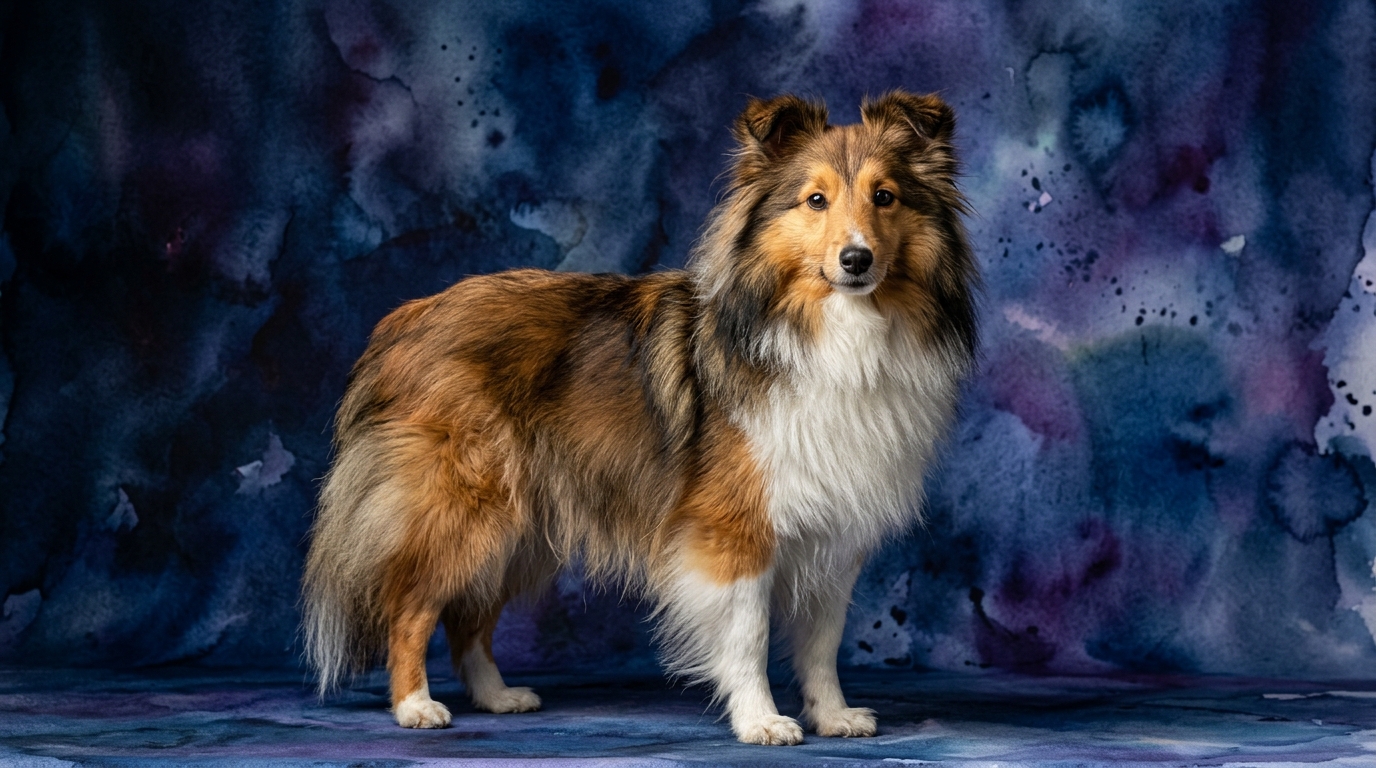
The Shetland Sheepdog, ranking #6 on the Coren scale, presents a balanced and adaptable cognitive blueprint. Their Problem Solving is rated 4/5, indicating a strong capacity to navigate complex situations and learn multi-step tasks, though perhaps with a preference for handler-directed solutions. Training Speed stands at a perfect 5/5, signifying their rapid grasp of new commands and routines, making them highly receptive learners.
In terms of Social Intelligence, Shelties score 4/5, reflecting an attuned awareness of human cues and emotional states, fostering strong bonds with their families. Their Instinctive Drive is 5/5, manifesting as a keen desire to herd, patrol, and remain vigilant, often expressed through watchful observation and a tendency to gather family members. Finally, Memory is also 5/5, meaning Shelties retain learned behaviors and past experiences with exceptional clarity, aiding in consistent performance over time.
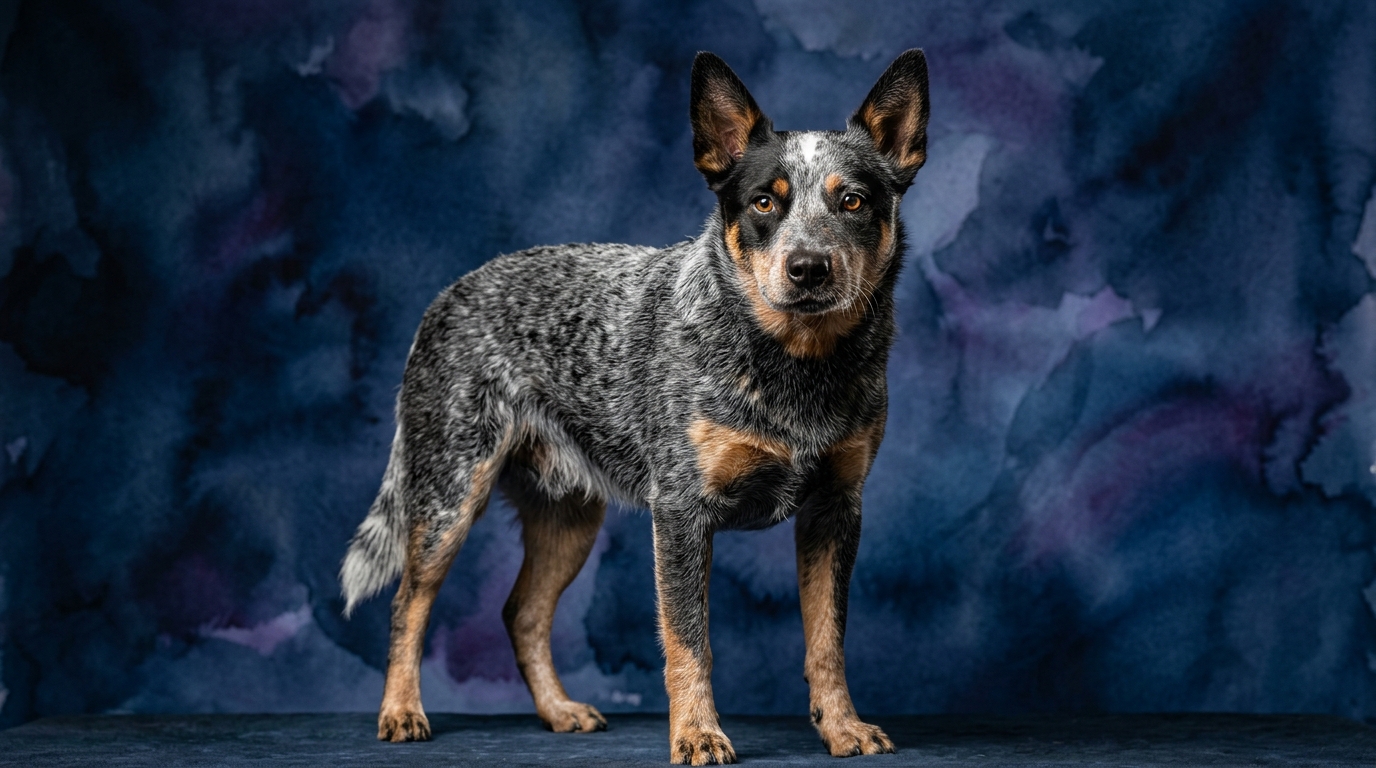
The Australian Cattle Dog, placed #10 on the Coren scale, showcases a rugged and independent cognitive makeup. Their Problem Solving is an impressive 5/5, demonstrating an outstanding ability to devise novel solutions, overcome obstacles, and think critically even in dynamic, unpredictable environments. Like the Sheltie, their Training Speed is 5/5, indicating an equally swift acquisition of skills, though the application of these skills can differ due to other cognitive factors.
ACDs register 3/5 for Social Intelligence, suggesting a more reserved and selective nature in their interactions, often forming deep bonds with a chosen few while remaining aloof with strangers. Their Instinctive Drive is a powerful 5/5, characterized by an intense desire to work, control movement, and a strong prey drive, often expressed through nipping at heels. A perfect 5/5 in Memory ensures ACDs store and retrieve information efficiently, allowing them to recall complex sequences and environmental details over long periods.
Where the Shetland Sheepdog Excels Cognitively
The Sheltie's primary cognitive advantage lies in its superior Social Intelligence, rated 4/5 compared to the ACD’s 3/5. This higher social aptitude means Shelties are generally more attuned to human emotional states and intentions, making them exceptionally responsive partners in cooperative tasks. They often anticipate a handler's next move or mood, leading to a more seamless and intuitive working relationship, whether in obedience rings or within a family setting.
While both breeds share a 5/5 Training Speed, the Sheltie's combination of this with higher Social Intelligence and a Problem Solving score of 4/5 often translates into a more agreeable and less independently minded application of their learning. They are eager to please and derive satisfaction from working with their handler, making them highly compliant. This makes them adept at precision activities like competitive obedience or freestyle, where precise execution of learned commands is paramount.
Where the Australian Cattle Dog Excels Cognitively
The Australian Cattle Dog's standout cognitive strength is its unparalleled Problem Solving ability, rated a perfect 5/5. This breed is wired to independently assess situations, strategize, and execute solutions, often without direct human guidance. This translates into a dog that can figure out complex puzzles, navigate difficult terrain, or even find ways around perceived barriers, a trait honed by their need to manage stubborn livestock in vast, open landscapes.
This exceptional problem-solving, coupled with a 5/5 Instinctive Drive, means ACDs are adept at tasks requiring foresight, perseverance, and a degree of self-direction. They are not merely following commands; they are often evaluating the situation and making decisions. This makes them formidable in roles like search and rescue, advanced agility courses with novel obstacles, or working livestock where quick, independent judgment is crucial for success and safety.
Training Dynamics: Which is Easier and Why?
Despite both breeds boasting a 5/5 Training Speed, the Shetland Sheepdog is generally perceived as easier to train for the average owner, primarily due to their higher Social Intelligence and more cooperative nature. Shelties typically display a strong desire to please their handler, readily accepting direction and thriving on positive reinforcement. They are less likely to challenge commands or attempt to 'outsmart' their trainer, preferring to work in harmony.
The Australian Cattle Dog, while learning commands with equal speed, presents a different training dynamic. Their 5/5 Problem Solving and lower 3/5 Social Intelligence mean they are more likely to apply their learning independently or challenge authority if they perceive a more efficient way to achieve a goal. Training an ACD requires immense consistency, a clear leadership role, and an understanding that they will test boundaries. Their herding instinct to nip at heels, a strong manifestation of their instinctive drive, also requires specific, early intervention and consistent redirection to appropriate outlets.
Matching Temperaments: Active vs. Relaxed Owners
For owners seeking an active companion who also enjoys periods of calm, the Shetland Sheepdog is often the more suitable choice. While they possess a robust 5/5 Instinctive Drive and require significant mental and physical stimulation through activities like agility, obedience, or long walks, Shelties are generally more adaptable to a home environment. Their 4/5 Social Intelligence makes them content to relax with their family after their needs are met, and they are typically less prone to destructive behaviors if their exercise is consistent but not extreme.
The Australian Cattle Dog, with its intense 5/5 Problem Solving and 5/5 Instinctive Drive, demands an exceptionally active and dedicated owner. These dogs thrive on having a 'job' to do and require relentless physical exertion and constant mental engagement to prevent boredom and potential behavioral issues. An ACD is not a dog for a relaxed owner; they will invent their own 'work' if not provided with sufficient outlets, which can manifest as destructive chewing, excessive herding of children or pets, or persistent vocalization. They need an owner who can match their tireless energy and independent spirit.
The Verdict
Choose the Shetland Sheepdog if you desire a highly trainable, socially attuned companion eager to work cooperatively and adaptable to varied family life after sufficient daily engagement.
Opt for the Australian Cattle Dog if you are an experienced, intensely active owner seeking an independent problem-solver with boundless energy for demanding tasks and a strong, singular bond.
🧠 Find Your Pet's IQ Score
Our Pet IQ Lab assessment covers 25+ tests across 5 cognitive dimensions — personalized to your breed.
Take the Full IQ Test →Frequently Asked Questions
Are Shelties or ACDs better for first-time dog owners?
Generally, Shetland Sheepdogs are more forgiving for first-time owners due to their higher social intelligence and eagerness to please, making training more straightforward. Australian Cattle Dogs, with their independent problem-solving and intense drive, require a more experienced hand and a deep understanding of working dog needs.
Which breed is more prone to separation anxiety?
Both breeds can develop separation anxiety if not properly socialized and trained, but Shelties, with their higher social intelligence and strong family bonds, might be slightly more predisposed to distress when left alone for extended periods. ACDs, while bonding deeply, often possess a more independent streak that can sometimes mitigate this.
How do their herding instincts differ in daily life?
Shelties typically display their 5/5 instinctive drive through watchful supervision, gathering family members, and sometimes nipping at heels in play, but generally with less intensity. ACDs, with their 5/5 drive and 5/5 problem-solving, often exhibit a more forceful herding style, including persistent nipping at moving objects or people, requiring consistent management and redirection.