Side-by-Side IQ Profile: Sheltie vs. Aussie
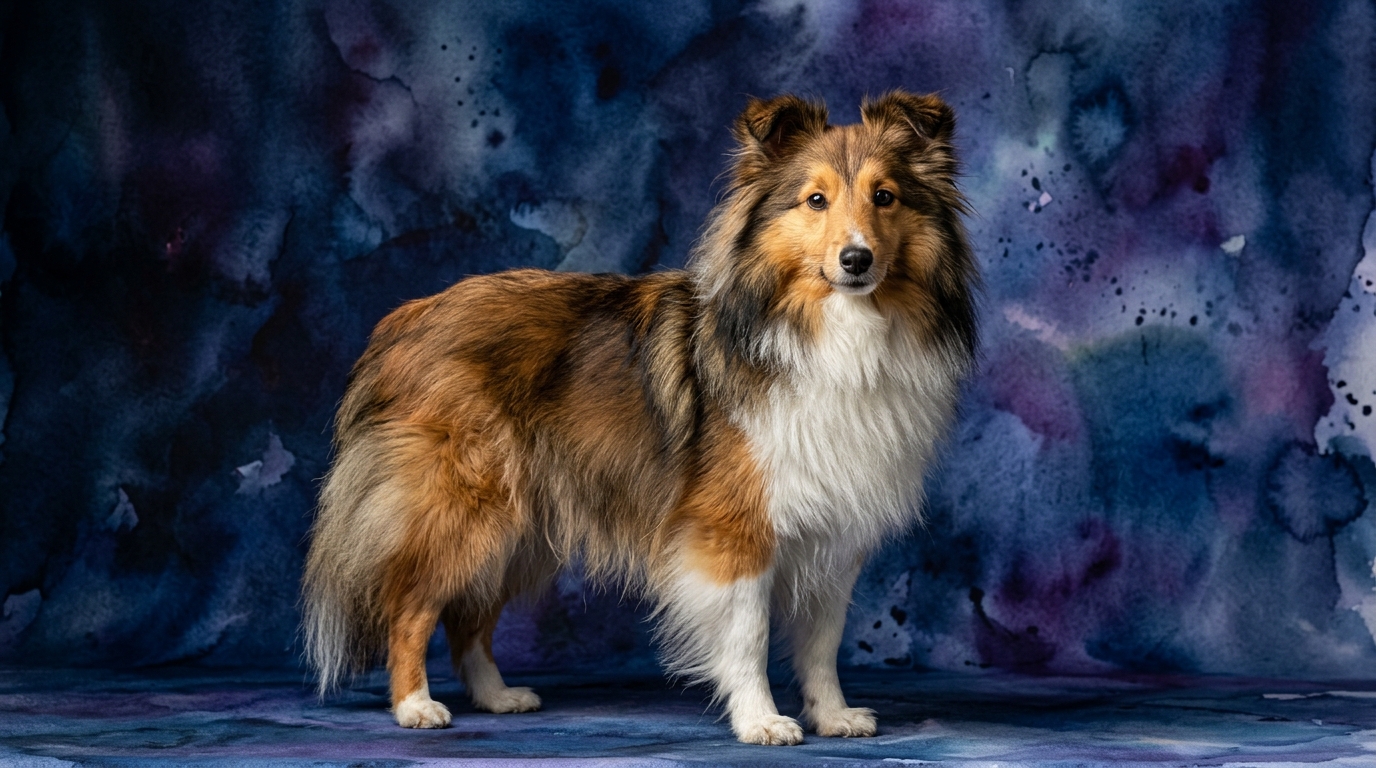
The Shetland Sheepdog presents a remarkably balanced and potent cognitive profile. Its problem-solving ability rates at a strong 4 out of 5, indicating a capacity for navigating complex situations, though perhaps with a preference for established patterns. Where the Sheltie truly shines is in its training speed, earning a perfect 5 out of 5, signifying a rapid grasp of new commands and routines. Social intelligence stands at 4 out of 5, suggesting adeptness at understanding human cues and intentions, while its instinctive drive is a commanding 5 out of 5, reflecting its potent herding heritage. Finally, a perfect 5 out of 5 in memory ensures it retains learned behaviors and experiences with exceptional fidelity.
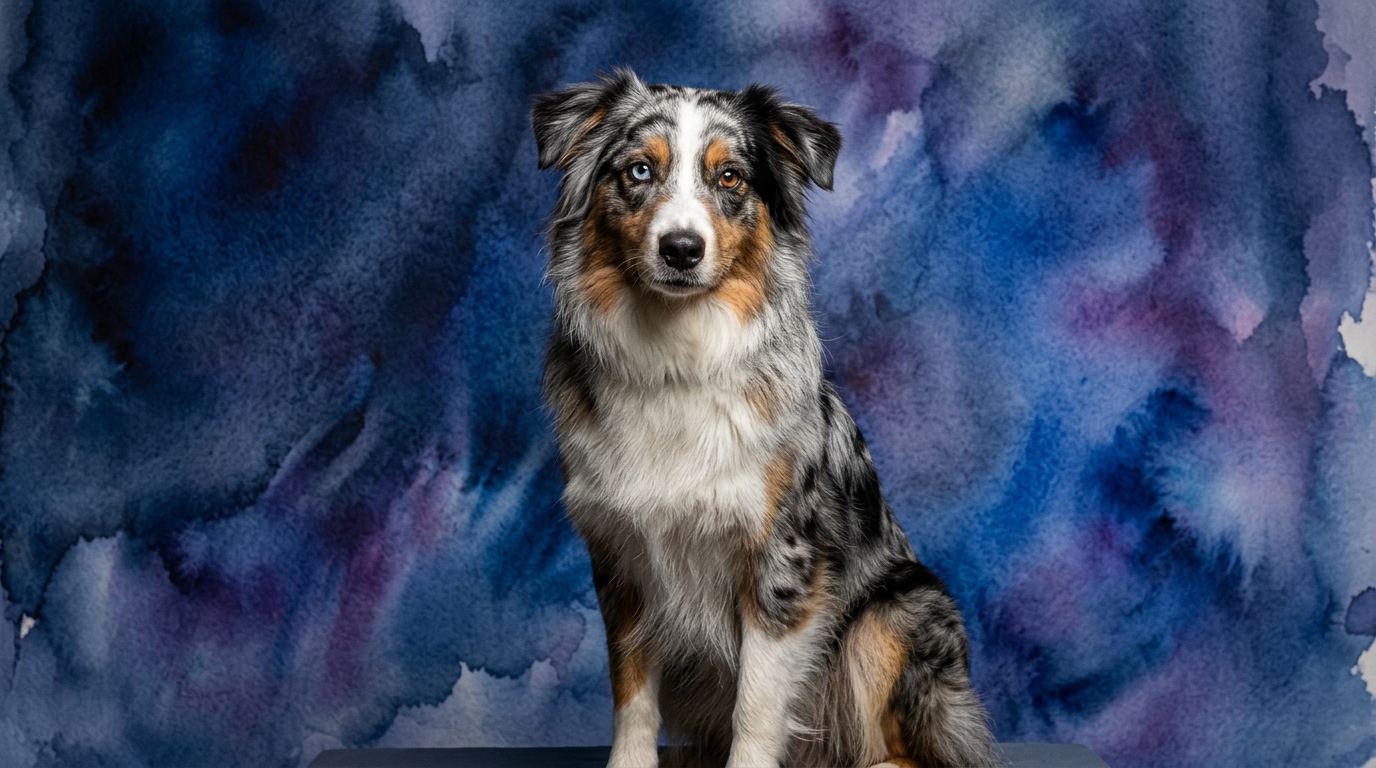
The Australian Shepherd showcases a formidable cognitive toolkit, particularly excelling in adaptive thought. Its problem-solving capability is rated at an exceptional 5 out of 5, pointing to a profound capacity for independent thought and innovative solutions to novel challenges. Like the Sheltie, the Aussie also achieves a perfect 5 out of 5 in training speed, absorbing new information with remarkable efficiency. Its social intelligence matches the Sheltie at 4 out of 5, indicating a similar proficiency in interpreting its human companions. The Aussie's instinctive drive is also a dominant 5 out of 5, a testament to its powerful herding instincts, complemented by a flawless 5 out of 5 in memory, ensuring enduring retention of its vast skillset.
Where the Shetland Sheepdog Wins Cognitively
While raw IQ scores might suggest the Australian Shepherd edges ahead in one specific area, the Shetland Sheepdog’s particular blend of cognitive strengths positions it as a champion in consistency and precision within structured environments. The Sheltie’s perfect 5/5 in training speed, combined with its 5/5 memory and a Coren rank of #6, indicates an exceptional aptitude for mastering and reliably executing complex sequences of commands. This capacity for unwavering adherence to learned routines, coupled with its strong social intelligence, makes it particularly adept at obedience sports, competitive rally, or tasks where flawless execution of pre-defined actions is paramount. Unlike a breed that might constantly seek novel solutions, the Sheltie's cognitive profile suggests a dog that excels by perfecting and repeating, offering a predictable and highly responsive partner for handlers who value meticulous performance. Its 4/5 problem-solving, while not the highest, is still robust enough to handle the intricacies of these structured challenges without overthinking or deviating from established protocols.
Where the Australian Shepherd Wins Cognitively
The Australian Shepherd distinguishes itself with a superior problem-solving score of 5 out of 5, surpassing the Sheltie’s 4 out of 5. This metric highlights the Aussie's pronounced capacity for independent thought and innovative adaptation when faced with unforeseen circumstances or complex, dynamic tasks. This cognitive edge allows the Australian Shepherd to not just follow commands, but to analyze situations, strategize, and often devise its own effective solutions, particularly useful in environments where variables are constantly shifting. Whether it's navigating an unfamiliar agility course, responding to unpredictable livestock movements, or figuring out how to open a child-proof gate, the Aussie's ingenuity shines. This ability to think on its feet, combined with its strong instinctive drive and perfect memory, makes it exceptionally versatile in roles demanding quick, intelligent decisions without constant human intervention, turning challenges into opportunities for creative solutions.
Which is Easier to Train and Why?
Both the Shetland Sheepdog and the Australian Shepherd boast an impressive 5 out of 5 in training speed, meaning neither breed struggles to grasp new commands quickly. However, the experience of training them can differ due to their underlying cognitive nuances and behavioral tendencies. The Sheltie, with its high Coren rank and potent memory, often exhibits a profound desire to please its handler, translating into exceptional biddability. They tend to be highly receptive to direction, absorbing lessons with enthusiasm and a clear focus on cooperative learning. This makes them often feel “easier” for novice or intermediate owners, as their intelligence is channeled towards readily accepting and performing commands. In contrast, the Australian Shepherd's superior 5/5 problem-solving can sometimes manifest as a double-edged sword in training. While incredibly quick to learn, an Aussie might occasionally “think for itself,” attempting to find a more efficient or alternative solution to a task than what was explicitly taught. This can require a more experienced handler who understands how to channel that ingenuity and independent thought into desired behaviors, rather than perceiving it as stubbornness. Therefore, while both learn rapidly, the Sheltie's inherent biddability often makes its training path feel smoother and more straightforward for a wider range of handlers.
Which Suits Active Owners vs. Relaxed Owners?
To be clear, neither the Shetland Sheepdog nor the Australian Shepherd are suitable for truly relaxed owners; both possess a powerful 5 out of 5 instinctive drive and require significant engagement. However, the nature of their activity needs can vary. The Shetland Sheepdog, despite its smaller stature, demands consistent mental stimulation and physical exercise. Its high memory and training speed mean it thrives on structured activities like obedience, rally, or even lower-impact agility, enjoying the routine and precision. An active owner who enjoys daily walks, training sessions, and engaging in canine sports that require focus and finesse will find a Sheltie a fulfilling companion. The Australian Shepherd, with its 5/5 problem-solving and intense instinctive drive, requires an even more dynamic and often higher-intensity outlet for its energy. They excel in advanced agility, flyball, competitive herding, or extensive hiking, where their intelligence is challenged by complex, ever-changing scenarios and their stamina is fully utilized. For an owner who thrives on pushing boundaries, engaging in high-level canine athletics, or has a need for a dog that can work independently on complex tasks, the Australian Shepherd is an ideal match. A relaxed owner, however, would quickly find themselves overwhelmed by either breed's unmet needs, leading to potential behavioral issues.
The Verdict
Choose the Shetland Sheepdog if you seek a highly biddable, responsive companion that excels in structured training and enjoys perfecting routines with unwavering loyalty and precision.
Opt for the Australian Shepherd if you desire a highly adaptable, independent thinker capable of innovative problem-solving, thriving on dynamic challenges and high-intensity, complex activities.
🧠 Find Your Pet's IQ Score
Our Pet IQ Lab assessment covers 25+ tests across 5 cognitive dimensions — personalized to your breed.
Take the Full IQ Test →Frequently Asked Questions
Is the Shetland Sheepdog truly less intelligent than the Australian Shepherd due to its problem-solving score?
Not at all. The Sheltie's 4/5 problem-solving is still excellent, and its Coren rank of #6 underscores its overall working intelligence and high obedience. The difference is nuanced, with the Aussie showing a slightly greater propensity for independent, novel problem-solving.
Do both breeds require extensive mental stimulation?
Absolutely. Both the Shetland Sheepdog and Australian Shepherd are herding breeds with powerful instinctive drives and high cognitive abilities, demanding consistent mental challenges. Without adequate engagement, they can become bored and develop undesirable behaviors.
Can an Australian Shepherd be a good family dog, given its high intelligence and drive?
Yes, an Australian Shepherd can be a wonderful family dog for an active family committed to providing ample physical exercise and mental stimulation. Their social intelligence allows them to bond well, but their energy and cognitive needs must be met to ensure a harmonious household.