Side-by-Side Cognitive Profile: Sheltie vs. Bedlington
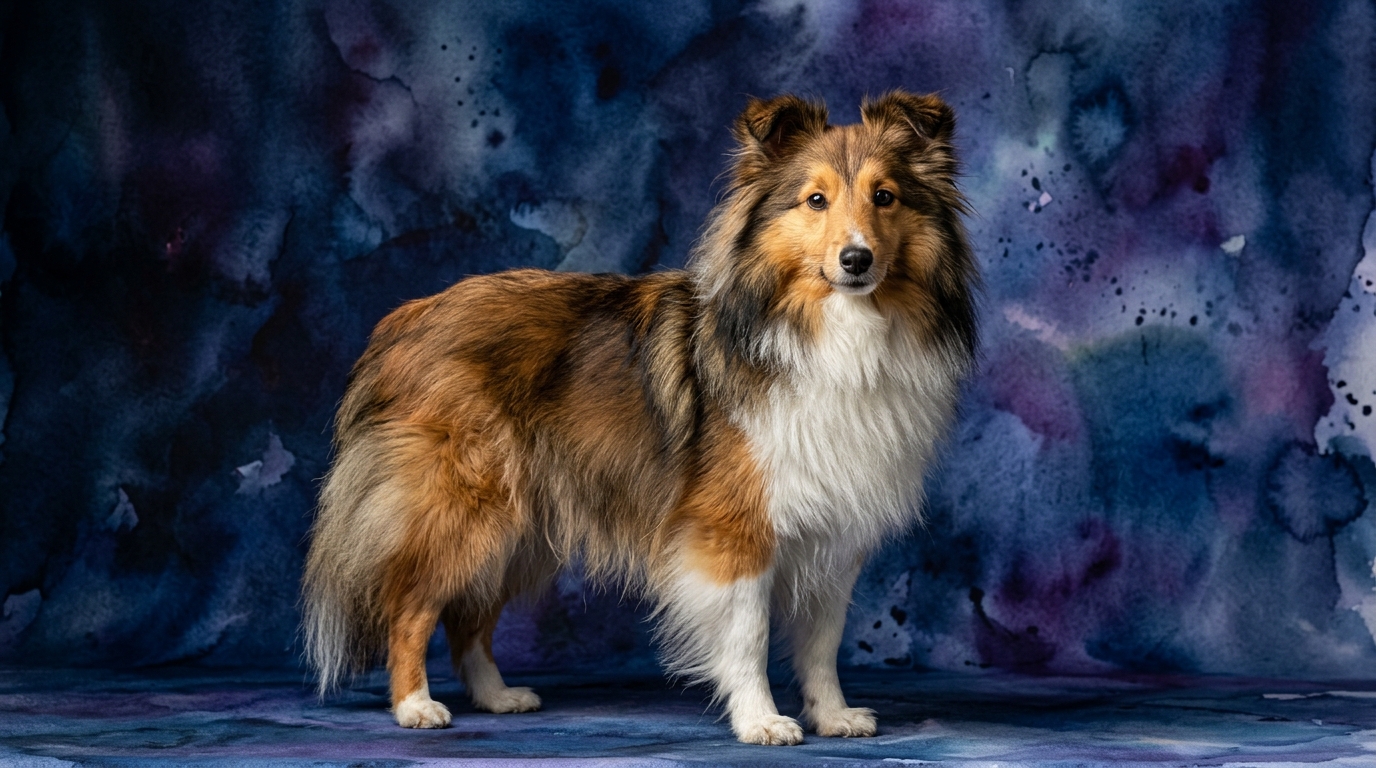
At The Cosmic Pet Pet IQ Lab, we evaluate canine intelligence across five key dimensions, offering a nuanced understanding beyond simple obedience. The Shetland Sheepdog, a canine intellect often associated with swift comprehension, consistently demonstrates superior scores, reflecting its heritage as a diligent herding partner. Their problem-solving capacity registers at 4/5, indicating an ability to navigate complex situations and adapt strategies effectively. Training speed, a crucial metric for responsiveness, is exceptional at 5/5, suggesting a rapid assimilation of new commands and routines. Social intelligence, vital for cohesive interaction, stands strong at 4/5, enabling them to interpret human cues with precision. Their instinctive drive, particularly for work and purpose, is a robust 5/5, fueling their motivation. Finally, memory is outstanding at 5/5, allowing them to retain vast repertoires of learned behaviors and experiences over time.
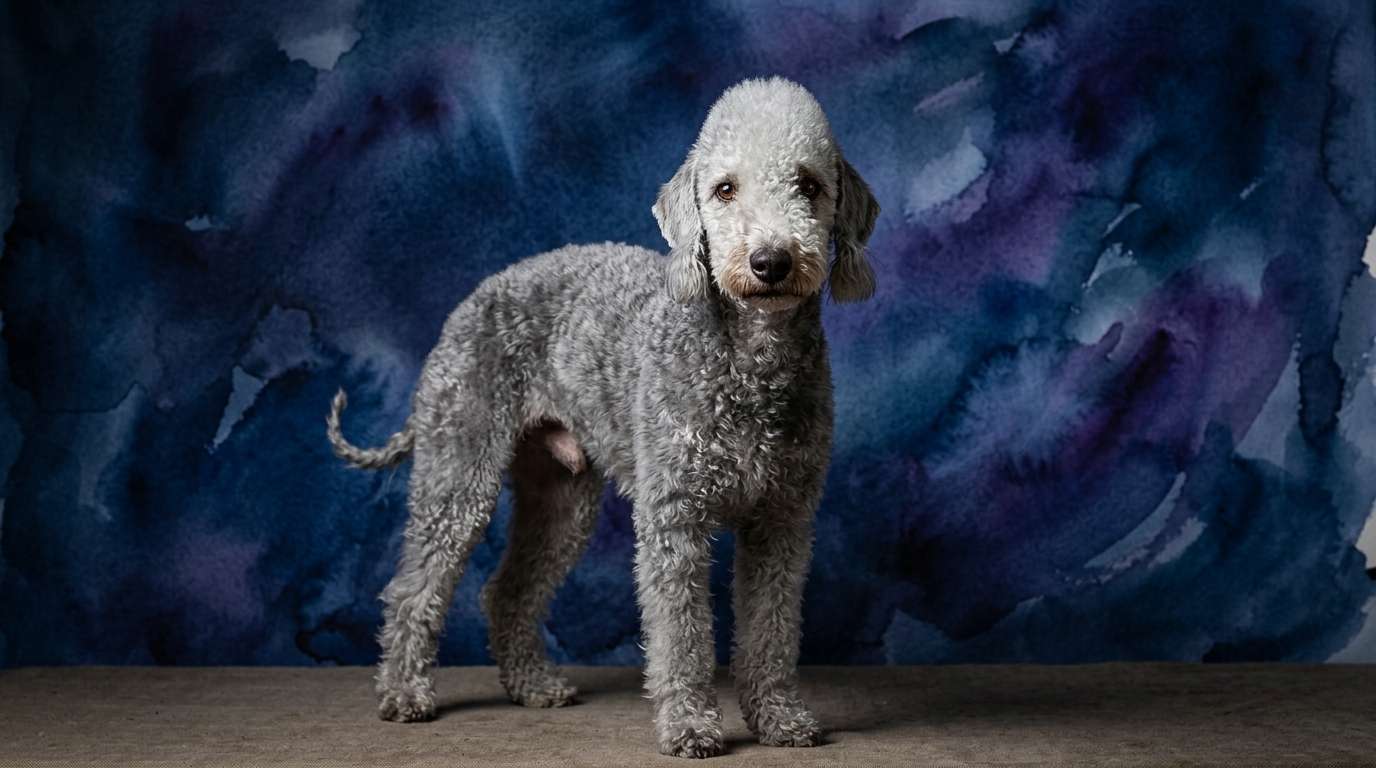
In contrast, the Bedlington Terrier presents a distinct cognitive profile, characteristic of its terrier lineage, which prioritizes tenacity and independent thought over immediate compliance. Their problem-solving ability is rated at 3/5, indicating competence in figuring out challenges, often through persistence, but perhaps not always with the Sheltie's strategic foresight. Training speed is moderate at 3/5; while capable of learning, they may require more repetition and consistent motivation due to their self-reliant nature. Social intelligence also sits at 3/5, suggesting they form strong bonds and understand familiar people well, but might be less inclined to generalize social cues from strangers or new situations. Instinctive drive, specifically for their original purpose of vermin control, is present at 3/5, guiding their independent pursuits. Memory, while functional, is assessed at 3/5, meaning they recall information, but perhaps not with the same breadth or detail as the Sheltie.
Where the Shetland Sheepdog Excels Cognitively
The Shetland Sheepdog's cognitive strengths are profoundly rooted in its herding background, demanding a keen mind for dynamic problem-solving and rapid information processing. Their 4/5 problem-solving score shines in tasks requiring sequential thought and environmental awareness, such as navigating agility courses or understanding multi-step commands. This isn't just about following orders; it's about anticipating next steps and adjusting their approach based on feedback. For instance, a Sheltie can quickly learn to differentiate between specific toys by name or perform a complex routine of retrieving, weaving, and returning, demonstrating both their memory and their capacity for applying learned concepts.
Furthermore, their 5/5 training speed is not merely about quick learning, but about an intrinsic desire to engage and cooperate. Shelties absorb new information with remarkable efficiency, often mastering a command in fewer repetitions than many other breeds. This quick uptake is supported by their 5/5 memory, allowing them to build an extensive vocabulary of commands and cues, and to recall them reliably even after long periods. Their 4/5 social intelligence enables them to read subtle shifts in human body language and vocal tone, making them exceptionally responsive partners in training and daily life. They consistently demonstrate an aptitude for understanding intent, not just action, which makes them particularly adept at tasks requiring nuanced communication.
Where the Bedlington Terrier Excels Cognitively
The Bedlington Terrier's cognitive advantages stem from its history as a tenacious hunter, requiring independence and a robust determination to achieve its goals. While their overall IQ scores are moderate compared to the Sheltie, their 3/5 problem-solving rating reflects a particular kind of ingenuity: one focused on persistence and finding unique solutions, often through trial and error, particularly when pursuing something they desire. For example, a Bedlington might spend considerable time figuring out how to open a cabinet or dig under a fence, driven by an internal motivation rather than a desire to please. This isn't about rapid obedience, but about relentless resourcefulness.
Their social intelligence, rated at 3/5, manifests differently; it's often characterized by a deep, discerning bond with their immediate family. While they may not be as universally outgoing as a Sheltie, they can be remarkably perceptive of their chosen humans' moods and routines, offering quiet companionship or playful antics as appropriate. Their instinctive drive, also 3/5, is channeled into specific pursuits, whether it's exploring scents in the yard or engaging in playful wrestling. This drive, while not as broadly applicable as a Sheltie's herding instinct, provides a strong internal compass that guides their actions and can be leveraged in training with the right motivational tools. They excel at tasks requiring focus and follow-through on a self-directed mission, demonstrating a sturdy mental fortitude.
Training Dynamics: Sheltie's Eagerness vs. Bedlington's Independence
When it comes to ease of training, the Shetland Sheepdog holds a clear advantage, primarily due to its exceptional 5/5 training speed and strong social intelligence. Shelties possess a profound eagerness to engage with their human counterparts and derive satisfaction from performing tasks correctly. This intrinsic motivation, coupled with their excellent memory, means they typically grasp new commands swiftly and retain them effectively. For instance, a Sheltie can learn complex obedience routines, advanced tricks, or even differentiate between specific family members by name with relatively few repetitions, often showing excitement for the next learning session. Their herding background has ingrained a cooperative spirit and a focus on handler cues, making them highly receptive to instruction and eager to please.
The Bedlington Terrier, with its 3/5 training speed, presents a different training experience. While certainly capable of learning, their terrier independence means they often require more patience, consistency, and highly motivating rewards. A Bedlington might understand a command but choose not to execute it if there's a more interesting scent or activity, reflecting their self-reliant nature. They are not necessarily stubborn, but rather think for themselves, which can translate to selective hearing. For example, recall training might be a lifelong endeavor, requiring consistent positive reinforcement and high-value treats to compete with their natural drive to explore. Successful training with a Bedlington hinges on making the desired behavior more rewarding than their independent pursuits, building a trusting relationship where they *choose* to cooperate rather than simply obey.
Matching Canine Minds to Owner Lifestyles
The cognitive profiles of these two breeds naturally align with different owner lifestyles. The Shetland Sheepdog, with its high problem-solving, training speed, and instinctive drive, thrives with active owners who are keen to provide consistent mental and physical stimulation. They are ideal companions for individuals or families interested in dog sports like agility, obedience, rally, or even recreational herding, where their quick thinking and cooperative spirit can truly shine. An owner who enjoys teaching new tricks, engaging in daily training sessions, and providing a structured, purposeful routine will find a Sheltie to be an incredibly rewarding and responsive partner. Their need for engagement means they are not content to be mere couch potatoes; a Sheltie wants a job, even if that job is fetching the newspaper or learning a new puzzle toy.
The Bedlington Terrier, while also an active breed, suits owners who appreciate a more independent and perhaps less overtly 'busy' companion. Their moderate scores in problem-solving and training speed suggest they can enjoy varied activities but might not demand the same level of structured, continuous mental work as a Sheltie. They are excellent for owners who enjoy long walks, casual hikes, or exploring new environments, allowing the Bedlington to engage its senses and follow its instincts. While they can participate in dog sports, their success often depends on an owner's ability to make training fun and engaging, leveraging their natural curiosity and tenacity. A relaxed owner who values a loyal, charming, and occasionally mischievous companion, without the constant need for 'work,' might find the Bedlington Terrier to be an ideal fit, appreciating their spirited personality and self-sufficient nature.
The Verdict
Choose a Shetland Sheepdog if you're an active owner seeking a highly cooperative, quick-to-learn companion for structured activities like dog sports or advanced obedience. Their desire to please and exceptional memory make them ideal for those who enjoy consistent mental engagement.
Opt for a Bedlington Terrier if you appreciate an independent, spirited, and tenacious companion who values exploring and can entertain themselves, though they still benefit from consistent, positive training. They suit owners who enjoy a dog with a unique personality and less demand for constant, structured mental tasks.
🧠 Find Your Pet's IQ Score
Our Pet IQ Lab assessment covers 25+ tests across 5 cognitive dimensions — personalized to your breed.
Take the Full IQ Test →Frequently Asked Questions
How does the Sheltie's herding instinct influence its intelligence?
The Sheltie's strong herding instinct, rated 5/5, has honed its problem-solving and social intelligence. This drive requires them to anticipate movements, understand complex patterns, and respond to subtle cues, making them highly perceptive and quick-thinking in dynamic environments.
Is the Bedlington Terrier difficult to train due to its independence?
The Bedlington Terrier isn't inherently difficult to train, but their independence (3/5 training speed) means they respond best to consistent, positive reinforcement and highly motivating rewards. They require an owner who understands their self-reliant nature and is patient in making training a rewarding choice for the dog.
Which breed is better for a first-time dog owner?
For a first-time dog owner, the Shetland Sheepdog's eagerness to please and higher training speed (5/5) generally makes the learning process smoother and more rewarding. The Bedlington Terrier's independence might be more challenging for someone new to dog ownership, requiring more experience in motivating a self-directed breed.