The Cosmic Pet Pet IQ Lab: Side-by-Side Profiles
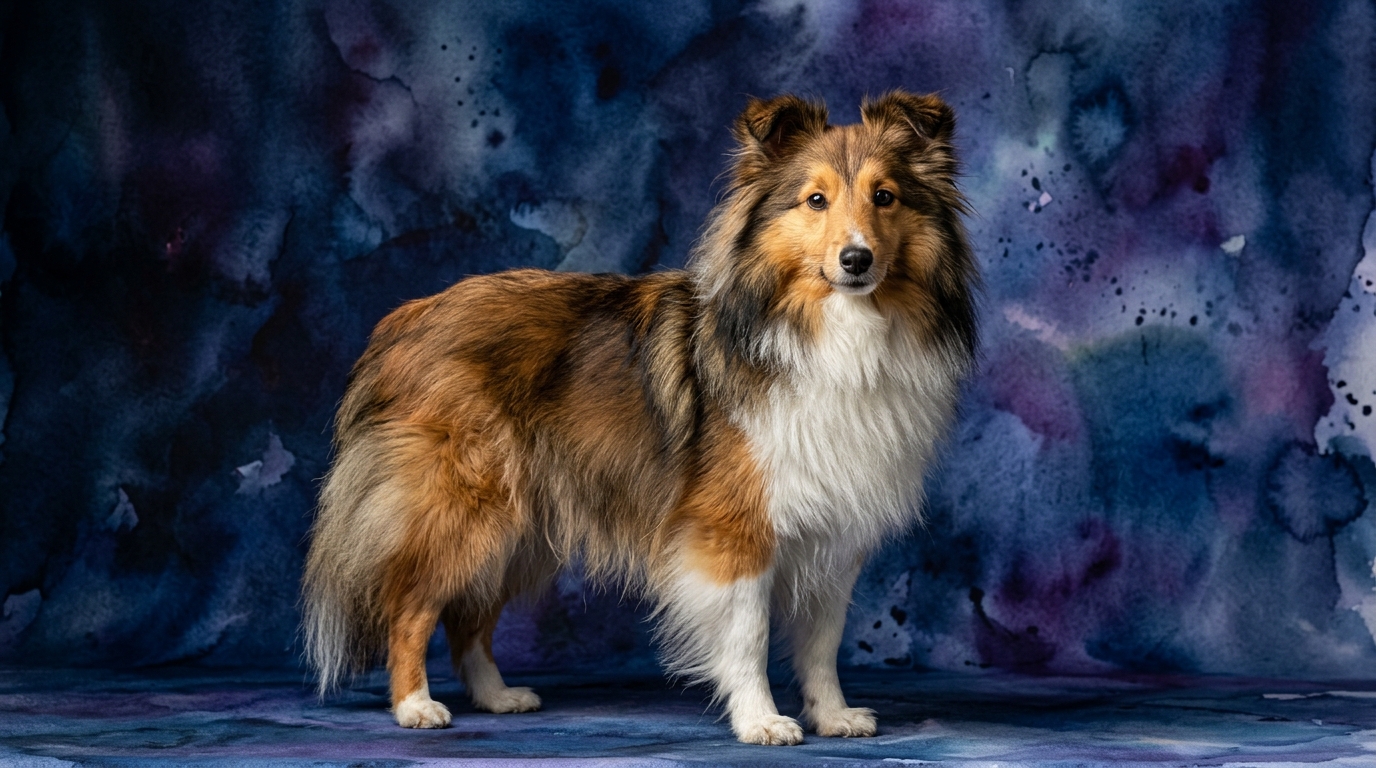
The Cosmic Pet Pet IQ Lab provides a structured lens to examine the cognitive landscapes of these two breeds, highlighting their inherent aptitudes across five key dimensions. The Shetland Sheepdog, a breed originating from the rugged Shetland Islands, ranks #6 in Coren's hierarchy, reflecting a robust cognitive toolkit tailored for complex tasks. Their profile includes a problem-solving score of 4/5, indicating a strong capacity for independent thought and navigating novel challenges. Training speed is an exceptional 5/5, suggesting they grasp new commands and routines with remarkable rapidity. Social intelligence stands at 4/5, allowing for nuanced interaction, while an instinctive drive of 5/5 speaks to their powerful herding impulses. Memory, crucial for sequential tasks and recall, is also rated at a perfect 5/5.
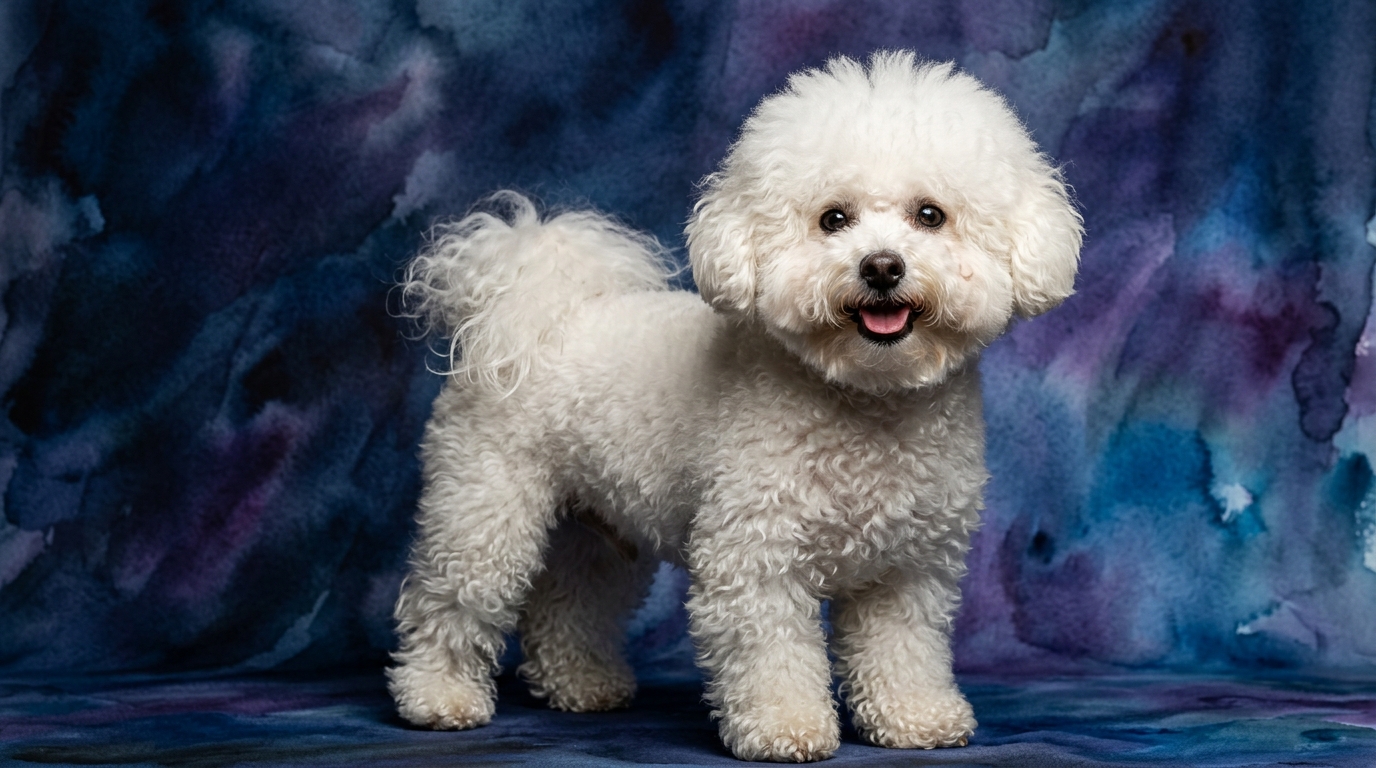
In contrast, the Bichon Frisé, a charming companion dog, holds a Coren rank of #45, placing them comfortably within the 'average working and obedience intelligence' category. Their cognitive strengths lean heavily into their role as affectionate associates. The Bichon's problem-solving ability is rated 3/5, indicating a moderate capacity for independent resolution. Training speed is also 3/5, meaning they learn at a steady, consistent pace. Where the Bichon truly shines is in social intelligence, scoring a perfect 5/5, reflecting their exceptional ability to connect and communicate with humans. Their instinctive drive is a lower 2/5, aligning with their purpose as a non-working companion, and their memory is rated 3/5, sufficient for daily routines and learned behaviors.
Where the Shetland Sheepdog Excels Cognitively
The Shetland Sheepdog's cognitive profile reveals a dog built for purpose and precision. Their 4/5 problem-solving score means they are not just followers of commands but active thinkers, capable of devising solutions to obstacles in their environment. This might manifest as figuring out how to open a gate, retrieve a dropped toy from an awkward spot, or even anticipate a handler's next move during an agility course. This inherent ingenuity, coupled with their perfect 5/5 training speed, makes them exceptionally receptive to structured learning and complex command sequences.
Furthermore, the Sheltie's 5/5 instinctive drive is a profound cognitive asset, channeling their natural herding tendencies into focused work ethic and engagement. This isn't just about chasing; it's about anticipating movement, understanding spatial relationships, and exerting control—all highly cognitive functions. Their flawless 5/5 memory underpins all these abilities, allowing them to retain vast amounts of information, from intricate obedience routines to the location of specific objects or the habits of their human family members, making them remarkably consistent in their learned behaviors and expectations.
Where the Bichon Frisé Shines Cognitively
While the Shetland Sheepdog's strengths lie in task-oriented cognition, the Bichon Frisé's cognitive brilliance is centered on interpersonal dynamics. Their perfect 5/5 social intelligence score is a testament to their profound capacity for emotional connection and understanding human cues. This isn't merely about affection; it's about an acute awareness of mood, subtle body language, and the ability to adapt their behavior to elicit positive human interaction. A Bichon might instinctively offer comfort when sensing distress or playfully engage to lighten the mood, demonstrating a sophisticated grasp of social reciprocity.
This elevated social intelligence means Bichons are adept at forming deep bonds and integrating seamlessly into family life. They are highly attuned to their human companions, often displaying an uncanny ability to 'read' their owners. This cognitive strength makes them exceptional emotional support animals and delightful companions, whose primary drive is often to be near and interact with their people, responding to and shaping the social environment around them with genuine warmth and responsiveness.
Training: Ease and Behavioral Differences
When it comes to ease of training, the Shetland Sheepdog holds a distinct advantage due to their 5/5 training speed and 5/5 memory. These traits mean Shelties typically grasp new commands and concepts with minimal repetition, often eager to learn and please. Their strong instinctive drive, while needing appropriate outlets, can be channeled into focused training, making them excel in obedience, agility, and herding sports. They thrive on mental engagement and find the process of learning new tasks inherently rewarding, often requiring consistent, stimulating work to prevent boredom.
The Bichon Frisé, with a 3/5 training speed and 3/5 memory, learns at a more moderate pace. While certainly trainable, they may require more patience and consistent repetition to solidify commands. Their lower instinctive drive means they are less inclined towards intense, task-oriented work but are highly motivated by positive reinforcement and social praise, leveraging their 5/5 social intelligence. Behavioral differences include the Sheltie's propensity for barking and herding nipping if not properly managed, stemming from their drive, versus the Bichon's potential for stubbornness if training isn't kept engaging and fun, reflecting their more independent companion nature.
Suitability for Active vs. Relaxed Owners
The cognitive makeup of the Shetland Sheepdog makes them an ideal match for active owners who can provide consistent mental and physical stimulation. Their high problem-solving ability and intense instinctive drive mean they require more than just a daily walk; they need jobs to do, puzzles to solve, and opportunities to engage their keen minds. Owners who enjoy dog sports like agility, obedience, flyball, or even herding trials will find a Sheltie to be an enthusiastic and capable partner. Without sufficient engagement, their cognitive energy can manifest as boredom, leading to undesirable behaviors.
Conversely, the Bichon Frisé is wonderfully suited for relaxed owners seeking a devoted and socially engaged companion. Their lower instinctive drive and moderate energy levels mean they are typically content with regular walks, indoor play, and ample cuddle time. Their exceptional social intelligence makes them thrive on human companionship and interaction, often preferring to be an integral part of family activities rather than needing intense, structured work. Owners looking for a cheerful, adaptable dog whose primary joy is being with their people will find the Bichon Frisé to be a perfect fit.
The Verdict
Choose the Shetland Sheepdog if you are an active individual or family seeking a highly trainable, intelligent partner for sports, complex tasks, and consistent mental engagement, ready to channel their strong working drives.
Opt for the Bichon Frisé if you desire a charming, socially intelligent companion dog whose greatest joy is close human interaction, well-suited for a more relaxed lifestyle and valued for their affectionate nature.
🧠 Find Your Pet's IQ Score
Our Pet IQ Lab assessment covers 25+ tests across 5 cognitive dimensions — personalized to your breed.
Take the Full IQ Test →Frequently Asked Questions
Do Shetland Sheepdogs require a lot of mental stimulation?
Yes, Shetland Sheepdogs possess high problem-solving skills and a strong instinctive drive, meaning they thrive on mental challenges. Without adequate engagement through training, puzzles, or dog sports, they can become bored and develop undesirable behaviors.
Is the Bichon Frisé easy to train for basic commands?
The Bichon Frisé has a moderate training speed and memory, meaning they can learn basic commands with consistent, positive reinforcement. Their high social intelligence makes them eager to please their human companions, which can be a strong motivator in training.
Which breed is better for families with young children?
Both breeds can be good family dogs, but their suitability depends on the family's lifestyle. The Bichon Frisé's exceptional social intelligence often makes them very patient and adaptable with children, while the Sheltie's herding instincts might lead to nipping at heels if not properly managed and socialized from a young age.